Method for Preparing Cement Clinker from Tailings and Application of Vertical Tailings Grinding Mill
1. Introduction: The Imperative for Tailings Utilization in Cement Production
The global mining industry generates billions of tons of tailings annually, creating significant environmental and land-use challenges. Concurrently, the cement industry, a major contributor to global CO2 emissions, seeks sustainable alternatives to traditional raw materials like limestone and clay. Utilizing mining tailings as a primary or supplementary raw material for cement clinker production presents a compelling synergy, addressing waste management while reducing the carbon footprint of cement manufacturing. This article explores a systematic method for preparing cement clinker from tailings and highlights the critical role of advanced grinding technology, specifically vertical roller mills, in enabling this circular economy process.
2. Methodology: From Tailings to Clinker
The successful preparation of cement clinker from tailings requires a meticulous, multi-stage process to ensure chemical suitability and physical performance.
2.1. Tailings Characterization and Pre-treatment
The first step involves a comprehensive chemical and mineralogical analysis of the tailings. Key parameters include the content of SiO2, Al2O3, Fe2O3, CaO, and MgO, as well as the presence of harmful elements like sulfur and alkalis. Particle size distribution and moisture content are also critical. Based on the analysis, tailings may require pre-treatment such as drying, magnetic separation to remove excess iron, or blending with corrective materials (e.g., high-calcium limestone or bauxite) to achieve the target clinker composition, typically within the ranges defined by the Lime Saturation Factor (LSF), Silica Ratio (SR), and Alumina Ratio (AR).
2.2. Proportioning and Homogenization
Precise proportioning of the tailings-based raw mix is crucial. Advanced control systems calculate the optimal blend of tailings and corrective materials to meet the target chemical modules. The raw materials are then fed into a homogenization system, such as a blending silo or bed, to ensure a uniform chemical composition, which is vital for stable kiln operation and consistent clinker quality.
2.3. The Pivotal Role: Fine Grinding of the Raw Mix
This is the most energy-intensive and technically demanding stage. The homogenized raw mix must be ground to a very fine powder (typically 80-90% passing 90 microns) to create a large surface area. This fineness is essential for the subsequent solid-state chemical reactions in the kiln to proceed rapidly and completely, forming the primary clinker minerals (C3S, C2S, C3A, C4AF). The choice of grinding equipment directly impacts energy efficiency, product uniformity, and overall process economics.
3. The Vertical Roller Mill: The Optimal Solution for Tailings Grinding
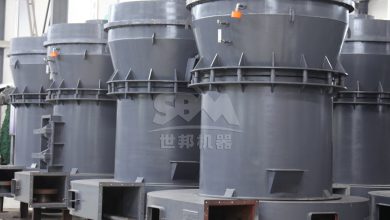
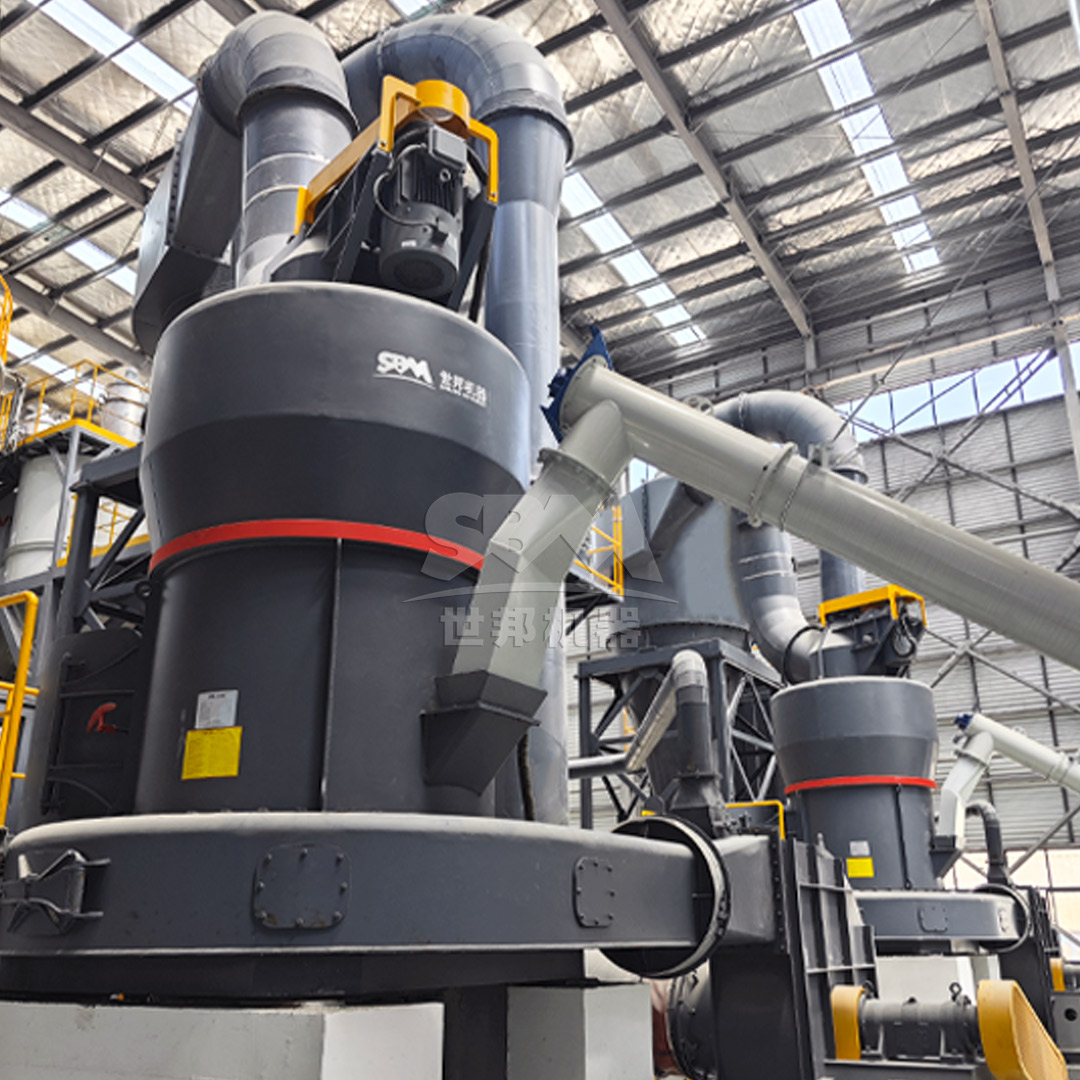
For grinding abrasive and variable materials like tailings, the Vertical Roller Mill (VRM) has emerged as the superior technology compared to traditional ball mills. Its working principle involves feeding material onto a rotating grinding table, where it is ground under pressure by hydraulically loaded rollers. The ground material is transported by air to an integrated classifier, with coarse particles returning for further grinding.
3.1. Advantages for Tailings Processing
- High Energy Efficiency: VRMs consume 30-50% less energy than ball mill systems for the same duty, as grinding occurs by direct pressure rather than impact and attrition of countless steel balls.
- Superior Drying Capacity: The hot gas stream used for material transport can effectively dry moist tailings (up to 15-20% moisture) within the mill, eliminating the need for a separate dryer.
- Excellent Particle Size Distribution: Integrated dynamic classifiers allow precise control over product fineness, ensuring optimal reactivity of the raw meal.
- Compact Footprint: The integrated grinding-drying-classifying system requires significantly less space than a ball mill circuit.
4. Recommended Product: LM Series Vertical Roller Mill
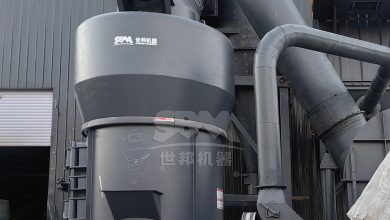
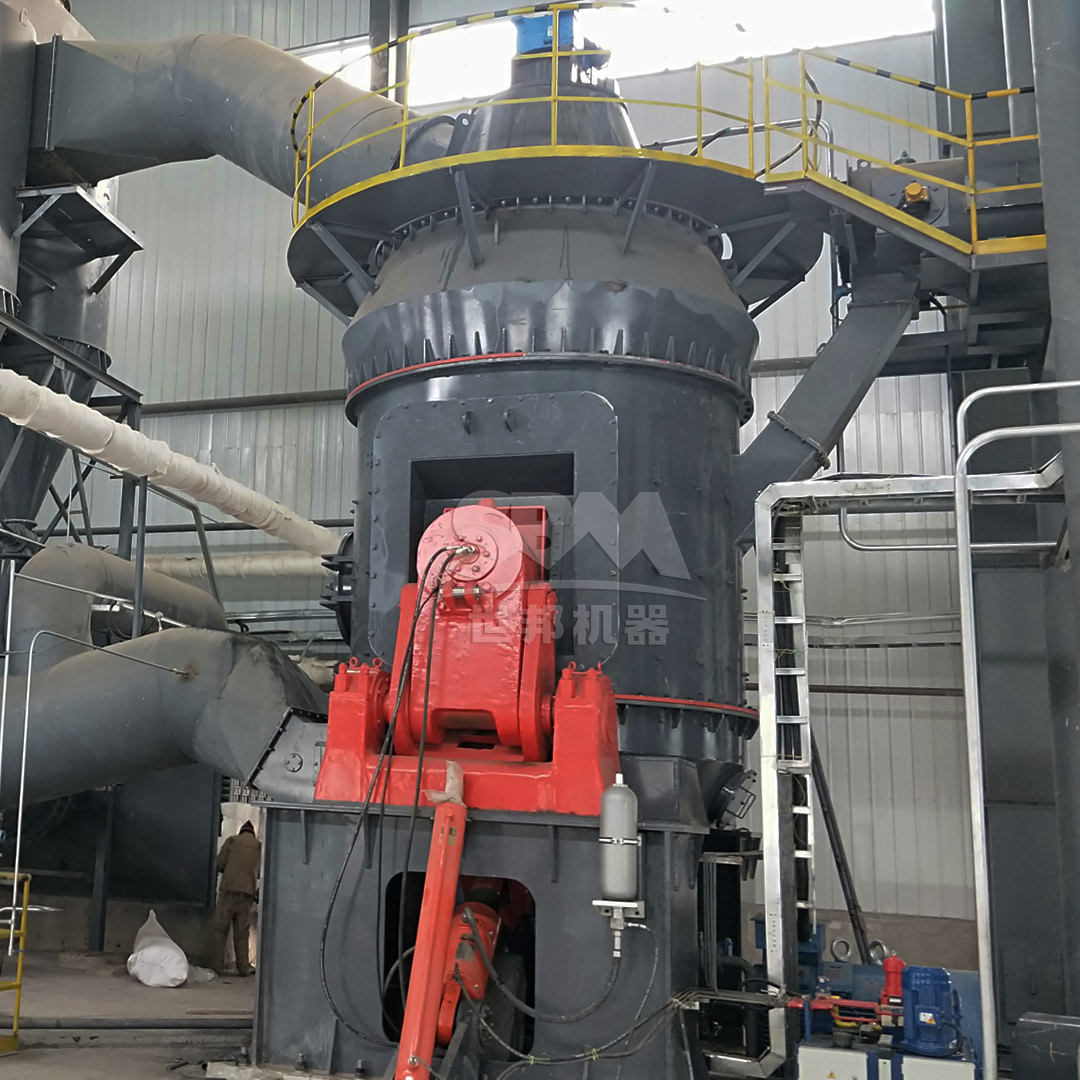
For large-scale, efficient grinding of tailings for cement raw meal preparation, our LM Series Vertical Roller Mill is the ideal solution. Engineered for robustness and performance, it excels in handling the challenging characteristics of tailings.
4.1. Key Features and Benefits
- Integrated Design & Low Operating Cost: The system integrates crushing, grinding, drying, and classification, reducing plant footprint by 50% and infrastructure costs by 40%. Its non-contact design between rollers and table, combined with wear-resistant materials, increases wear part life by 3 times and lowers energy consumption by 30-40% versus ball mills.
- Intelligent Control System: An expert-level auto-control system supports remote operation and real-time parameter monitoring, ensuring stable product quality with minimal manual intervention, crucial for processing variable tailings feed.
- Environmental Compliance: Fully sealed negative pressure operation ensures dust emissions remain well below international standards, while soundproofing keeps operational noise low.
4.2. Model Recommendation for Tailings
For a mid-to-large capacity cement plant utilizing tailings, the LM190K Vertical Roller Mill is highly recommended. With a grinding table diameter of Φ1900mm and a main power of 500kW, it offers a capacity range of 23-68 tons per hour. It can handle feed sizes up to 45mm and produce the required raw meal fineness (170-40μm, or 45-325 mesh). Its robust construction and intelligent controls make it perfectly suited for the continuous, demanding task of tailings grinding.
5. Clinker Burning and Final Grinding
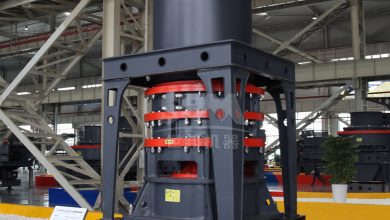
The finely ground tailings-based raw meal is fed into a preheater and then a rotary kiln, where it is heated to approximately 1450°C. Here, the complex chemical reactions form the clinker minerals. After rapid cooling, the resulting clinker nodules are ready for the final step: grinding with a small percentage of gypsum to produce Portland cement. For this final grinding stage, where ultra-fine product is key, our SCM Series Ultrafine Mill presents an advanced option for producing specialty cements or for research into ultra-fine cement applications. With an output fineness adjustable from 325 to 2500 mesh (45-5μm) and intelligent granularity feedback control, it ensures the highest level of product uniformity and performance.
6. Conclusion
The method for preparing cement clinker from tailings represents a significant stride towards industrial symbiosis and sustainable construction. The technical viability of this process hinges on efficient and reliable grinding technology. Vertical Roller Mills, particularly advanced models like our LM Series, provide the necessary energy efficiency, drying capability, and process control to transform variable tailings into a consistent, high-quality raw meal for clinker production. By adopting this method and the appropriate technology, the cement and mining industries can collaboratively reduce environmental impact, conserve natural resources, and create value from waste.