Applications of Transparent Stone Powder in Various Industries
Introduction
Transparent stone powder, derived from minerals such as quartz, calcite, feldspar, and barite, is a finely ground material characterized by its high purity, whiteness, and translucency. Its unique properties, including chemical inertness, thermal stability, and excellent light transmission, have propelled its adoption across a diverse range of modern industries. The quality and consistency of the final powder are intrinsically linked to the grinding technology employed. This article explores the multifaceted applications of transparent stone powder and highlights the critical role of advanced milling equipment in meeting the stringent demands of these sectors.
Key Properties and Production Requirements
The efficacy of transparent stone powder in industrial applications hinges on several key parameters:
- Particle Size and Distribution (D97): A uniform and ultra-fine particle size is crucial for achieving transparency, smooth surface finish, and high reactivity. Powders ranging from coarse (30-100 mesh) to superfine (2500 mesh and above) are required for different uses.
- Whiteness and Chemical Purity: High brightness (often >90%) and low content of iron oxide and other impurities are essential, especially in coatings, plastics, and cosmetics.
- Oil Absorption and Bulk Density: These properties affect the loading capacity and viscosity in composite materials like paints and sealants.
Meeting these specifications consistently requires grinding systems capable of precise particle size control, high classification efficiency, and contamination-free operation.
Applications in Major Industries
1. Paints, Coatings, and Inks
Transparent stone powder acts as an excellent functional filler and extender. Its properties contribute to:
- Enhanced Durability: Improves scrub resistance, weatherability, and anti-settling properties.
- Optical Performance: Increases opacity and brightness in some formulations, while providing a transparent matte effect in clear coatings.
- Cost Optimization: Partially replaces more expensive pigments like titanium dioxide without compromising performance.
For high-end automotive and industrial coatings, a consistently fine powder with a tight particle size distribution is non-negotiable.
2. Plastics, Polymers, and Composites
In this sector, the powder serves multiple purposes:
- Reinforcement: Increases tensile strength, stiffness, and dimensional stability of polymers like PP, PVC, and nylon.
- Thermal Properties: Enhances heat resistance and reduces thermal expansion.
- Surface Finish: Improves surface smoothness and gloss in molded parts.
- Cost Reduction: Acts as a high-loading filler, reducing raw material costs.
The powder must be extremely fine and free of agglomerates to ensure uniform dispersion within the polymer matrix, preventing weak spots.
3. Adhesives, Sealants, and Rubber
Here, the powder functions as:
- Rheology Modifier: Controls viscosity and sag resistance.
- Reinforcing Filler: Improves tensile strength, tear resistance, and abrasion resistance in silicone sealants and rubber compounds.
- Extender: Reduces formulation costs while maintaining performance.
Consistent fineness and low moisture content are critical to prevent curing issues and ensure product shelf life.
4. Cosmetics and Personal Care
Ultra-fine, high-purity transparent stone powder (often micronized mica or silica) is valued for:
- Visual Effects: Provides a soft-focus effect, reduces the appearance of fine lines, and imparts a luminous glow in foundations, powders, and primers.
- Texture Enhancement: Improves slip, skin feel, and oil absorption in products.
- Safety: Chemically inert and non-comedogenic, making it suitable for sensitive skin.
This application demands the highest levels of purity and the most stringent control over particle size, often in the sub-micron range.
5. Construction and Building Materials
Applications include:
- High-Performance Concrete & Mortars: Fine powder can act as a micro-filler, densifying the matrix and improving strength and durability.
- Joint Compounds & Putties: Provides smooth application, easy sanding, and crack resistance.
- Artificial Stone & Solid Surfaces: Used as a filler in quartz agglomerates and cultured marble to enhance translucency and mechanical properties.
6. Other Niche Applications
- Electronics: Used in epoxy molding compounds for semiconductor encapsulation due to its thermal conductivity and low coefficient of thermal expansion.
- Food & Pharmaceutical: Ultra-pure grades can act as anti-caking agents or excipients, subject to strict regulatory compliance.
The Critical Role of Advanced Grinding Technology
The transition from raw mineral to high-value transparent powder is enabled by sophisticated milling systems. The ideal equipment must deliver:
- Ultra-Fine Grinding Capability: To achieve micron and sub-micron sizes.
- Precise Classification: To ensure a narrow particle size distribution and eliminate oversize particles.
- Contamination Control: To maintain product whiteness and purity through wear-resistant components and sealed systems.
- Energy Efficiency: To manage the high energy costs associated with fine grinding.
- System Integration & Automation: For consistent product quality and reduced operational labor.
Recommended Equipment for High-Quality Transparent Stone Powder Production
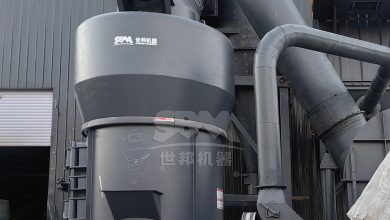
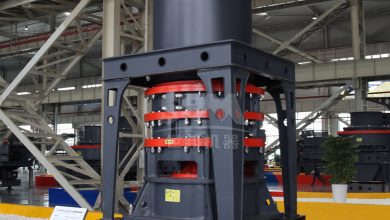
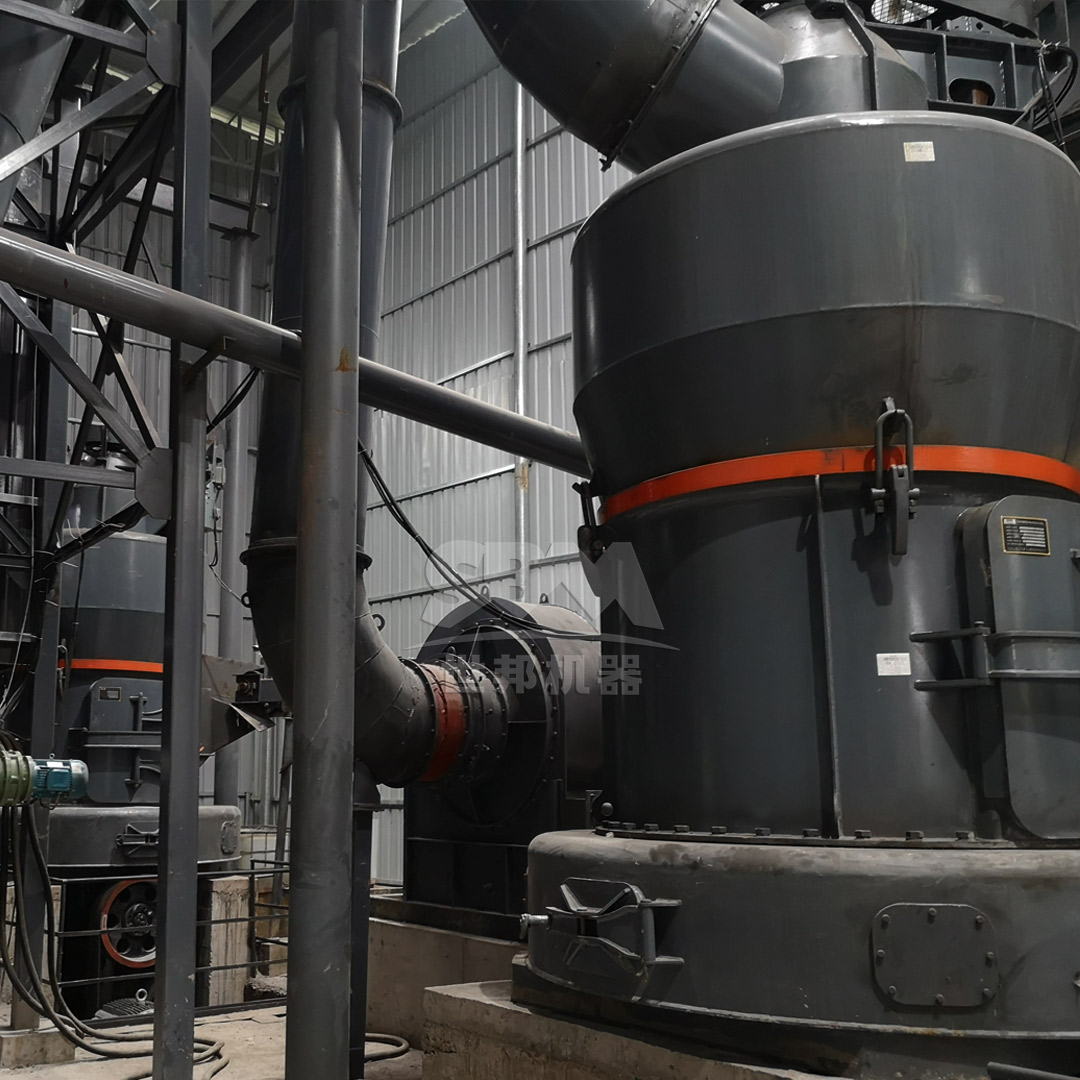
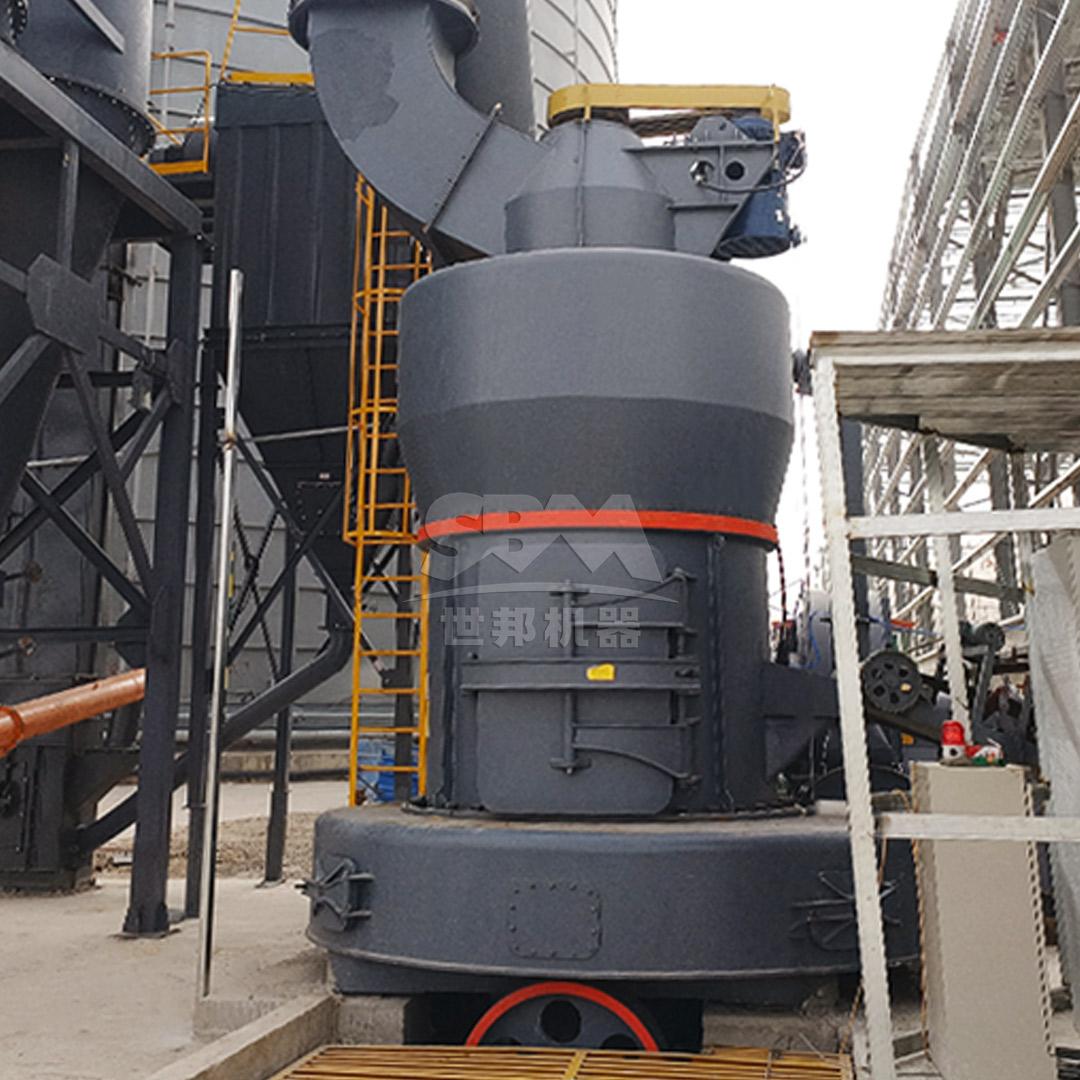
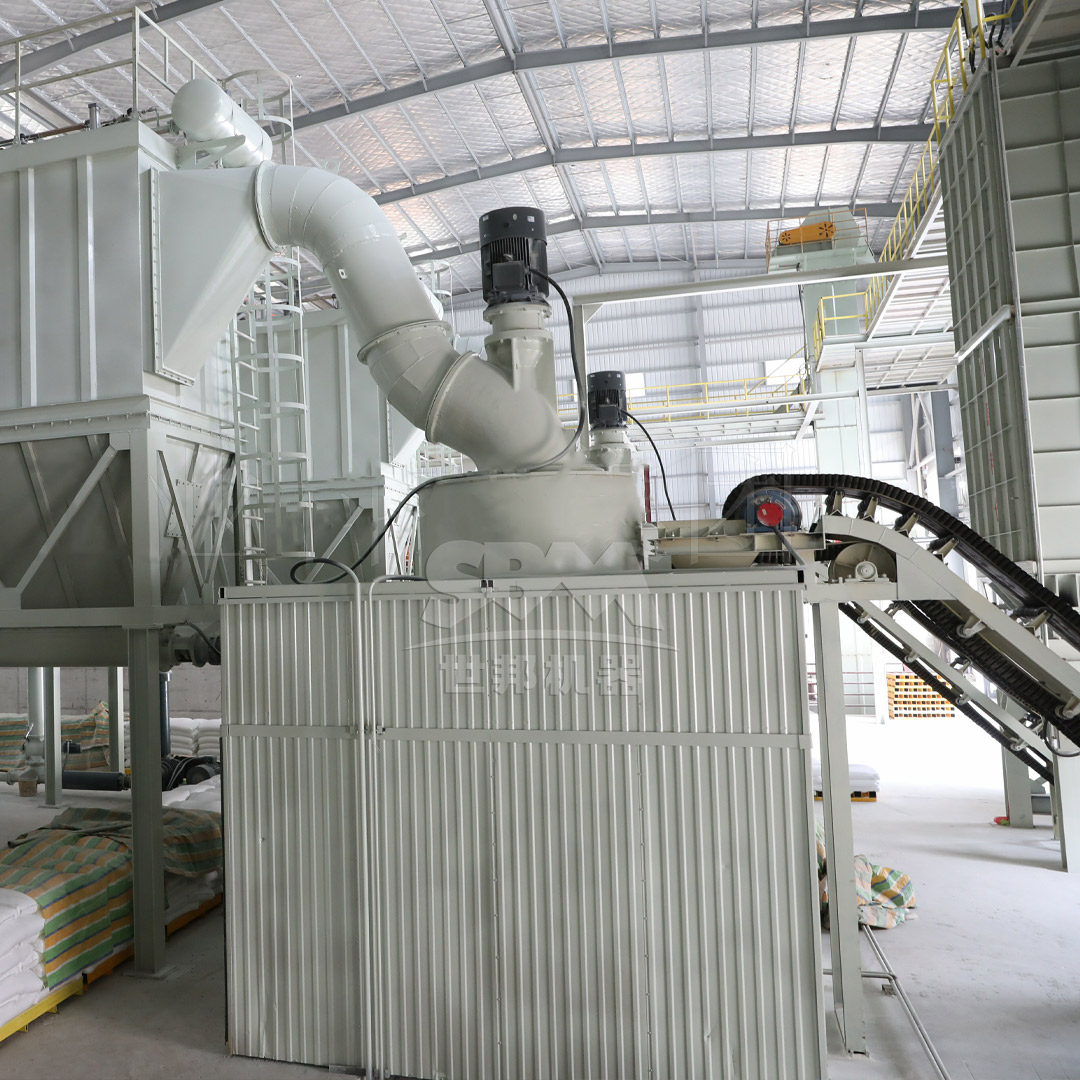
Selecting the right mill is paramount. For producers targeting the high-end markets of coatings, plastics, and cosmetics, we highly recommend our SCM Series Ultrafine Mill. This mill is engineered specifically for the challenges of producing superfine powders with superior quality.
The SCM Mill excels in applications requiring powders between 325 and 2500 mesh (D97 ≤5μm). Its vertical turbine classification system ensures precise particle size cuts, guaranteeing a uniform product without coarse grain contamination—a critical factor for transparency and smooth application. Furthermore, its high-efficiency grinding chamber and intelligent control system offer energy savings of up to 30% compared to traditional jet mills, while its pulse dust collector and low-noise design (<75dB) ensure environmentally friendly operation. Models like the SCM1000 (1.0-8.5 ton/h) or SCM1680 (5.0-25 ton/h) provide scalable solutions for different production capacities.
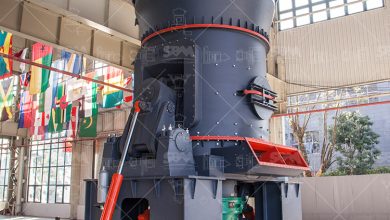
For projects requiring high-volume production of slightly coarser powders in the 30-325 mesh range for construction or industrial fillers, our MTW Series Trapezium Mill presents an optimal balance of capacity, efficiency, and cost. Its curved air duct and integral conical gear transmission (98% efficiency) minimize energy loss and operational costs. The wear-resistant design of components like the shovel and grinding roller significantly reduces maintenance downtime. A model such as the MTW215G, with a capacity of 15-45 tons per hour, is ideal for large-scale mineral processing plants.
Conclusion
The applications for transparent stone powder continue to expand as industries seek materials that enhance performance, aesthetics, and sustainability. Its journey from a raw mineral to a value-added industrial ingredient is fundamentally dependent on advanced grinding technology. Investing in the right milling equipment—such as the precision-focused SCM Ultrafine Mill or the high-capacity MTW Trapezium Mill—is not merely a purchase of machinery but a strategic decision to secure product quality, operational efficiency, and a competitive edge in the global market. By partnering with a technology provider that understands these intricate requirements, producers can fully unlock the potential of transparent stone powder across its vast spectrum of applications.