The Role of Grinding Mills in Artificial Graphite Anode Material Production: Key Equipment for Lithium-Ion Battery Anode Manufacturing
Introduction: The Critical Link Between Grinding and Battery Performance
The global transition toward electric vehicles (EVs) and renewable energy storage has placed unprecedented demand on lithium-ion battery technology. At the heart of this technology lies the anode, a component that directly influences battery capacity, cycle life, and charging speed. Among the various anode materials, artificial graphite has emerged as the dominant choice due to its superior electrochemical stability, high specific capacity, and excellent rate performance. However, the production of high-quality artificial graphite anode materials is a complex journey that begins with raw petroleum coke and culminates in ultra-fine, precisely classified powders. This is where the role of advanced grinding mills becomes not just important, but absolutely critical to the final product’s quality and consistency.
The performance of an artificial graphite anode is intrinsically linked to its particle size distribution (PSD), specific surface area (SSA), and morphological characteristics. The grinding process determines these parameters. Overly coarse particles lead to poor rate capability and increased lithium plating risk, while excessively fine particles result in high surface area, causing unwanted side reactions with the electrolyte and reducing first-cycle Coulombic efficiency. Therefore, the grinding mill must achieve a narrow PSD with precise cut points, typically ranging from 10 to 25 micrometers for standard anode materials, and even finer for high-power applications. This technical precision makes the selection of the right milling equipment a performance-defining decision for battery manufacturers.
The Grinding Challenge: From Petroleum Coke to Spherical Graphite
The journey of artificial graphite begins with needle coke or petroleum coke, which undergoes graphitization at temperatures exceeding 2500°C. This high-temperature treatment transforms the carbon structure into a highly ordered layered lattice, which is essential for lithium intercalation. However, the resultant graphitized coke is a hard, brittle material with a broad particle size distribution that is unsuitable for direct electrode fabrication. It requires extensive mechanical processing, typically involving a two-stage or even three-stage grinding and shaping process.
The primary objective in the first stage is size reduction: breaking down the larger graphitized lumps into a manageable powder. The secondary, and more crucial, stage is shaping. The ideal anode particle is spherical, with a smooth surface and minimal internal porosity. This spherical morphology enhances tap density, reduces tortuosity for lithium-ion diffusion, and decreases the risk of particle fracture during electrode calendering. Achieving this near-spherical shape requires a combination of high-energy impact grinding and particle-to-particle friction, which can be efficiently accomplished using specific types of grinding mills such as vertical roller mills and ultrafine mills. The ability to precisely control this shaping process is what separates moderate battery performance from market-leading excellence.
SCM Series Ultrafine Mill: Precision Fineness for High-Performance Anodes
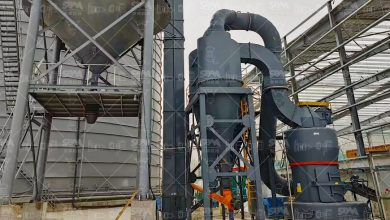
When the production target is high-end anode materials requiring ultra-fine particles (between 45 and 5 micrometers), the SCM Series Ultrafine Mill stands out as a groundbreaking solution. This machine is engineered to deliver the exact specifications demanded by advanced spherical graphite production. Its core parameters, including an input size of ≤20mm and a capacity ranging from 0.5 to 25 tons per hour, make it flexible for various production scales. The mill’s output fineness, adjustable between 325 and 2500 mesh (45-5μm), allows manufacturers to fine-tune the PSD for specific battery applications, whether for high-energy density or high-power output.
The technical architecture of the SCM series is designed to solve the most common problems encountered in fine grinding. One of its most significant advantages is the high-efficiency and energy-saving design. Compared to traditional jet mills, the SCM series offers twice the capacity while consuming 30% less energy. This is achieved through an intelligent control system that provides automatic feedback on finished product granularity, allowing the mill to continuously optimize its operating parameters. This not only significantly lowers operational costs but also reduces the carbon footprint of battery material production.
Furthermore, the durability design of the SCM mill directly addresses the abrasive nature of hard graphitic materials. The grinding rollers and rings are made from specially formulated materials that extend their service life several-fold compared to standard equipment. The innovative shaftless screw grinding chamber design ensures stable operations even under sustained high-load conditions. Combined with a high-precision vertical turbine classifier, the mill guarantees no coarse powder contamination, ensuring that every particle meets the stringent uniformity requirements of modern battery cells.
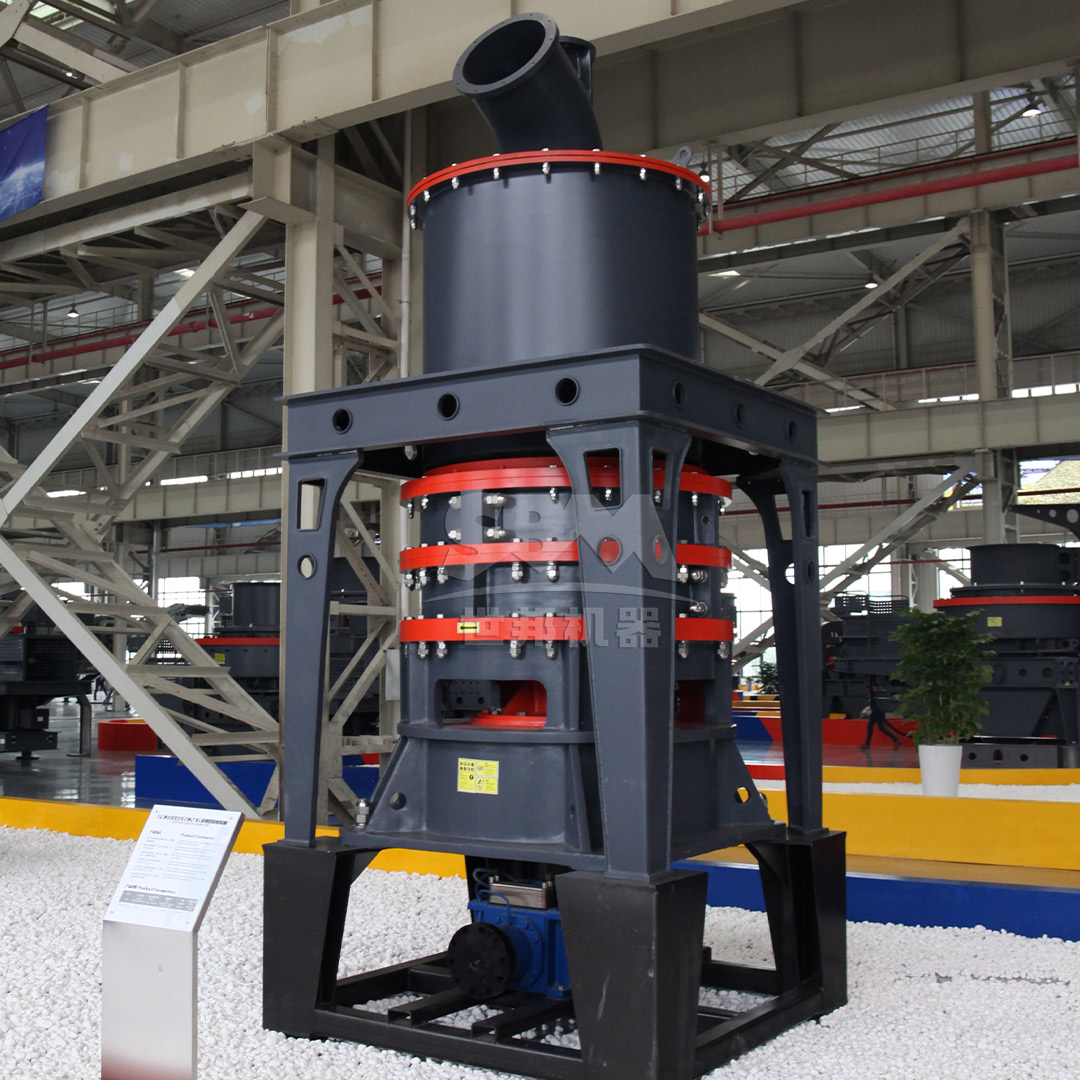
For manufacturers targeting the production of premium artificial graphite for EV batteries, our SCM1250 model is a highly recommended investment. With a robust main power of 185kW and a capacity of 2.5 to 14 tons per hour, it represents the ideal balance between output and energy efficiency for mid-to-large scale operations. The SCM1250 excels at producing the uniform, D50 particle size distribution that enhances battery performance and consistency.
MTW Series European Trapezium Mill: High-Capacity Coarse and Medium Grinding
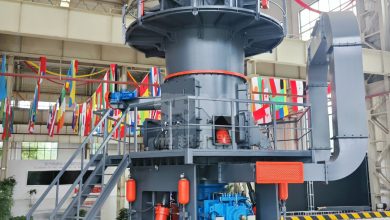
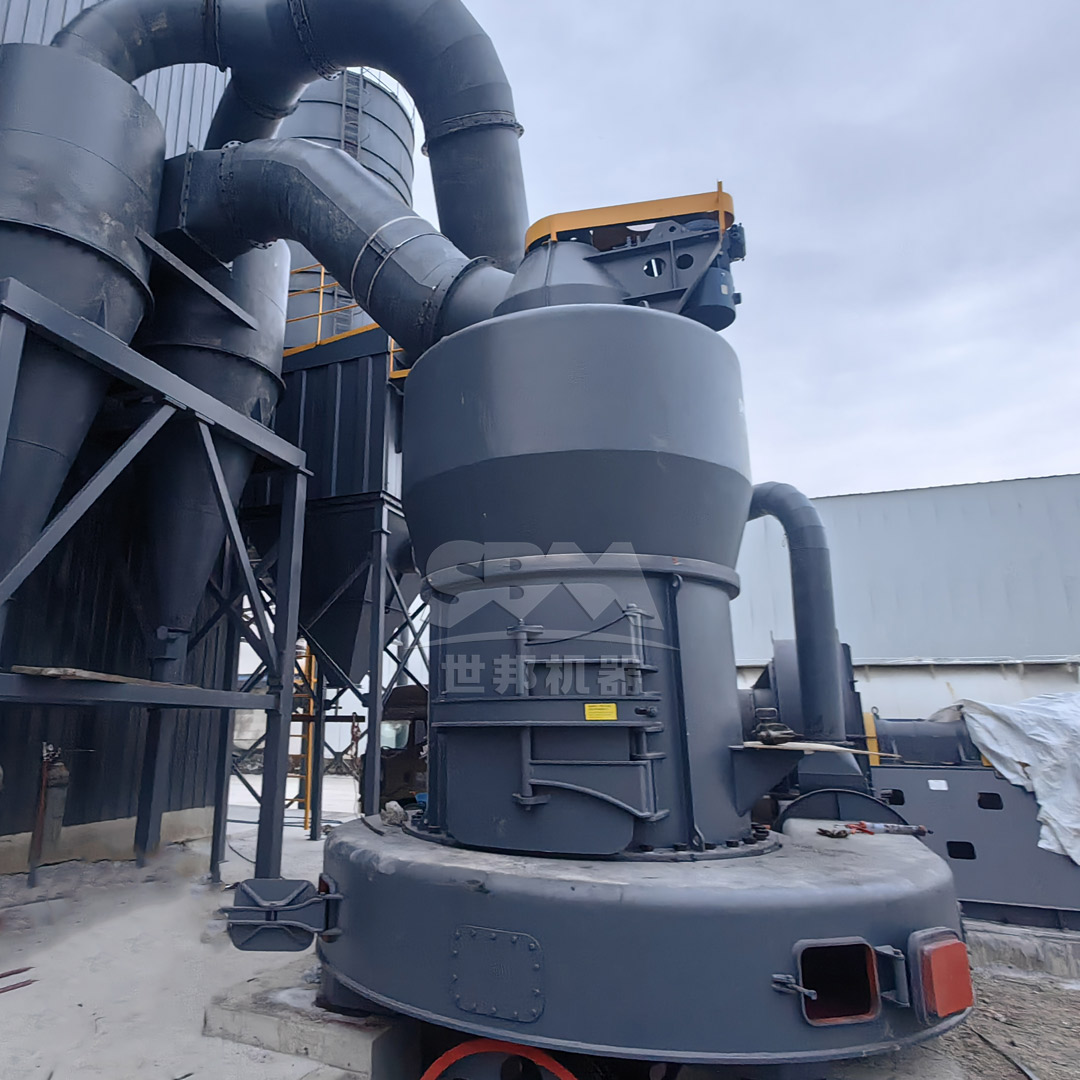
Before ultra-fine refinements, the graphitized coke must first be processed to a more manageable size. This is where the MTW Series European Trapezium Mill plays a vital role in the upstream production line. This machine is a workhorse designed for high-capacity, coarse, and medium grinding tasks, offering an output fineness ranging from 600 to 45 micrometers (30-325 mesh), with a high maximum capacity of 45 tons per hour. Its versatility allows it to handle both the initial crushing of large graphitized feed materials (up to ≤50mm) and the subsequent milling to a uniform powder ready for the final shaping stage.
The MTW series engine is built around the principle of layer-to-layer crushing, which is more energy-efficient than impact crushing. Its patented technology includes an integral bevel gear drive that achieves a transmission efficiency of up to 98%, significantly reducing energy losses. The innovative anti-wear shovel design, with combined blades, minimizes maintenance downtime and costs, while a curved design extends the service life of the grinding rollers. This mechanical resilience is crucial for the continuous, high-volume processing required in commercial anode manufacturing.
Additionally, the optimized arc air duct and wear-resistant volute structure reduce airflow turbulence, enhancing the air selection efficiency. This is vital for maintaining a consistent particle size during high-throughput operations. For large-scale production facilities seeking a reliable primary and secondary grinding solution, the MTW215G model is a superior choice. It offers a formidable capacity of 15 to 45 tons per hour and features a 280kW main motor, ensuring ample power to process the hardest petroleum coke derivatives with ease and efficiency, setting a new standard for large-volume anode precursor production.
LM Series Vertical Roller Mill: Integrated Efficiency in Anode Fabrication
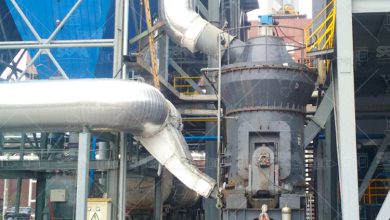
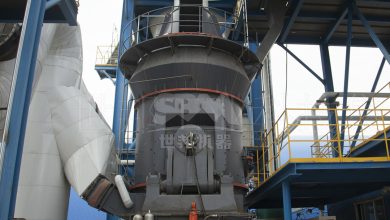
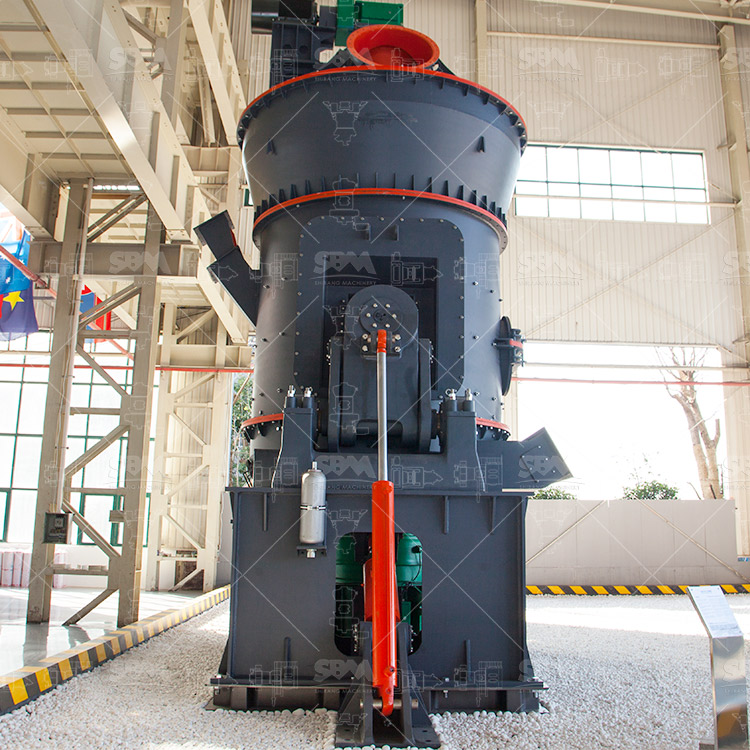
The production of anode material requires more than just size reduction; it is a system-based approach involving drying, grinding, classifying, and sometimes even coating. In this context, the LM Series Vertical Roller Mill offers a unique advantage with its integrated design. It combines crushing, drying, grinding, and separation in a single unit, which simplifies the process flow, reduces the equipment footprint by up to 50%, and significantly lowers capital investment costs in infrastructure. This is particularly valuable for new battery material plant projects where floor space is at a premium.
The LM series operates on a low-energy bed-grinding principle, where material is carried onto a rotating table and then crushed by stationary rollers. Because the rollers and the table do not come into direct contact, the wear rate for wear parts is dramatically reduced—extending their lifespan by up to three times when compared to high-pressure ball mills. The energy consumption of this system is 30-40% lower than that of traditional ball milling systems, which is a major competitive advantage in an industry where energy costs are a significant operational burden. Its capacity range (3-250 tons per hour) allows it to scale from pilot plant research to massive multi-gigawatt-scale battery factories.
In the specific context of synthetic graphite, the LM series is excellent for the preparation of powders with a fineness between 600 and 45 micrometers. The intelligent control system offers expert-level automation, ensuring that parameters like grinding pressure and classifier speed remain within optimal limits. This reduces human intervention and guarantees that the subsequent shaping process in an ultrafine mill starts with a highly consistent material, thus sanitizing the final product quality. For manufacturers struggling with energy costs and production space, the LM series represents a paradigm shift towards consolidated, process-efficient manufacturing.
Conclusion: Optimizing Anode Quality with Advanced Milling Technology
As the lithium-ion battery market rapidly evolves, the demand for higher energy density, faster charging, and safer operation continues to intensify. The pathway to meeting these demands starts at the powder level. The selection and operation of grinding mills is no longer merely about particle size reduction; it is about precise engineering of the material’s physical chemistry to optimize its performance in the final electrochemical environment.
Investing in high-quality milling equipment is the most effective way for anode manufacturers to gain a competitive edge. Whether it is the ultra-fine precision of the SCM Series, the robust capacity of the MTW Series, or the ergonomic efficiency of the LM Series, each machine offers unique technical advantages that address the specific challenges of artificial graphite production. These mills ensure not only the necessary particle dimensions but also the crystalline integrity and surface attributes that are crucial for a long battery life and high reliability.
Ultimately, the role of grinding mills in artificial graphite production is to enable the transition from a raw material to a performance-ready anode. By integrating our advanced milling technologies into your production line, you ensure that each batch of anode material is processed with the highest efficiency and the greatest precision. This investment directly translates to superior battery products, increased customer trust, and a stronger presence in the rapidly expanding global energy storage market. To explore how our range of mills can specifically enhance your manufacturing flow, we invite you to review the technical specifications and contact us for a personalized consultation.