How To Process Lignite Into Activated Coke: The Complete Coal Grinding & Pulverizing Mill Workflow
1. Introduction: The Importance of Lignite Processing
Lignite, often referred to as brown coal, is a low-rank coal with high moisture and volatile content. While its direct combustion is inefficient and environmentally challenging, lignite can be transformed into a high-value product known as activated coke (or activated carbon coke). This material is widely used in gas purification, water treatment, and as a catalyst support. The key to unlocking lignite’s value lies in an efficient grinding and pulverizing workflow that ensures consistent particle size and surface area before activation. This article provides a comprehensive walkthrough of the complete mill workflow, from raw lignite to ready-to-activate pulverized feed.
2. Step 1: Primary Crushing and Drying
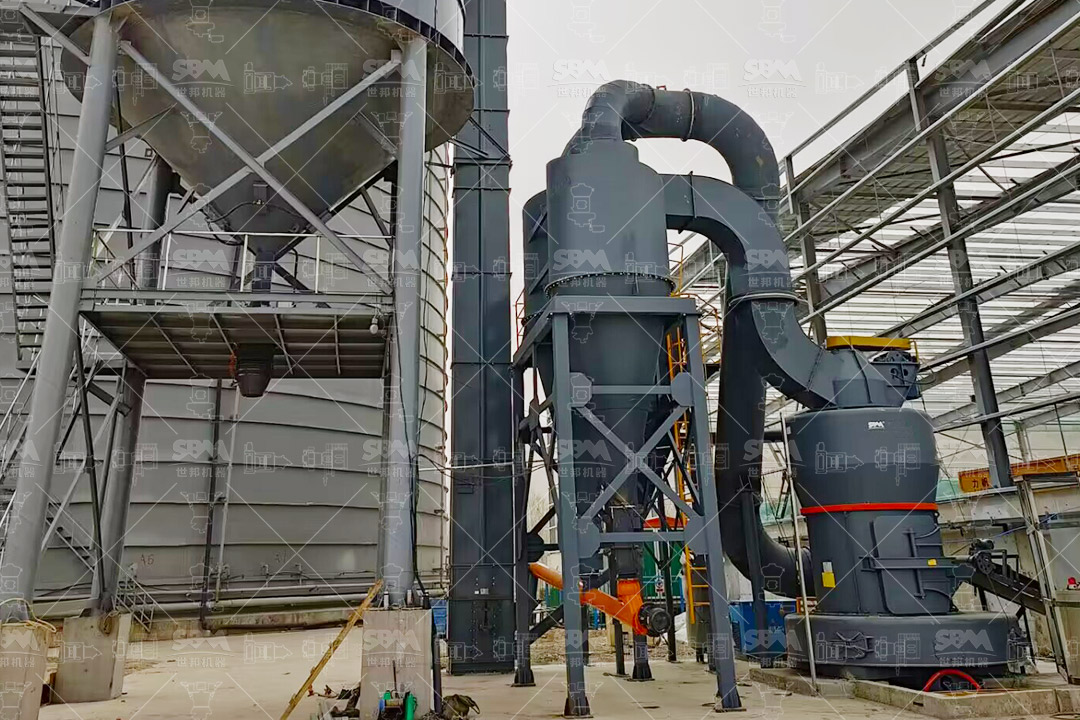
The journey begins with raw lignite, often delivered in chunks up to 50mm. Before any fine grinding can occur, the material must be reduced and dried. A hammer mill, such as our PC series, is ideal for primary crushing, reducing feed size to 0-3mm. Simultaneously, a rotary dryer reduces moisture content from 30-40% to below 10%, which is critical for efficient downstream grinding and pneumatic conveying.
Drying also improves the efficiency of the subsequent grinding steps. Overly moist material causes clogging and reduces mill throughput. Once dried and crushed, the lignite is stored in a buffer silo to ensure a consistent feed rate to the grinding mills.
3. Step 2: The Core Grinding Stage – Vertical Roller Mill (LM Series)
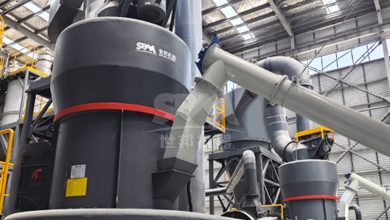
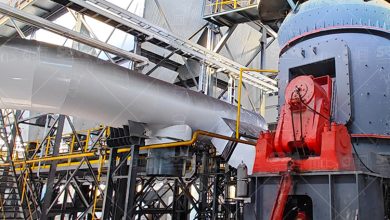
For lignite processing to activated coke, the grinding stage must achieve a fine, uniform powder, typically with a fineness of 80-200 mesh (or even finer depending on the activation process). This is where our LM Series Vertical Roller Mill excels. Its integrated design and high efficiency make it the industry standard for coal pulverization.
The working principle is simple yet effective. The main motor drives the grinding table through a reducer. Lignite falls from the central feed port and spreads evenly under centrifugal force. Grinding rollers, applying hydraulic pressure, crush the material bed. A hot air stream (if further drying is needed) or a cold air stream carries the fine powder to the dynamic classifier, where oversize particles are rejected and returned to the table for regrinding.
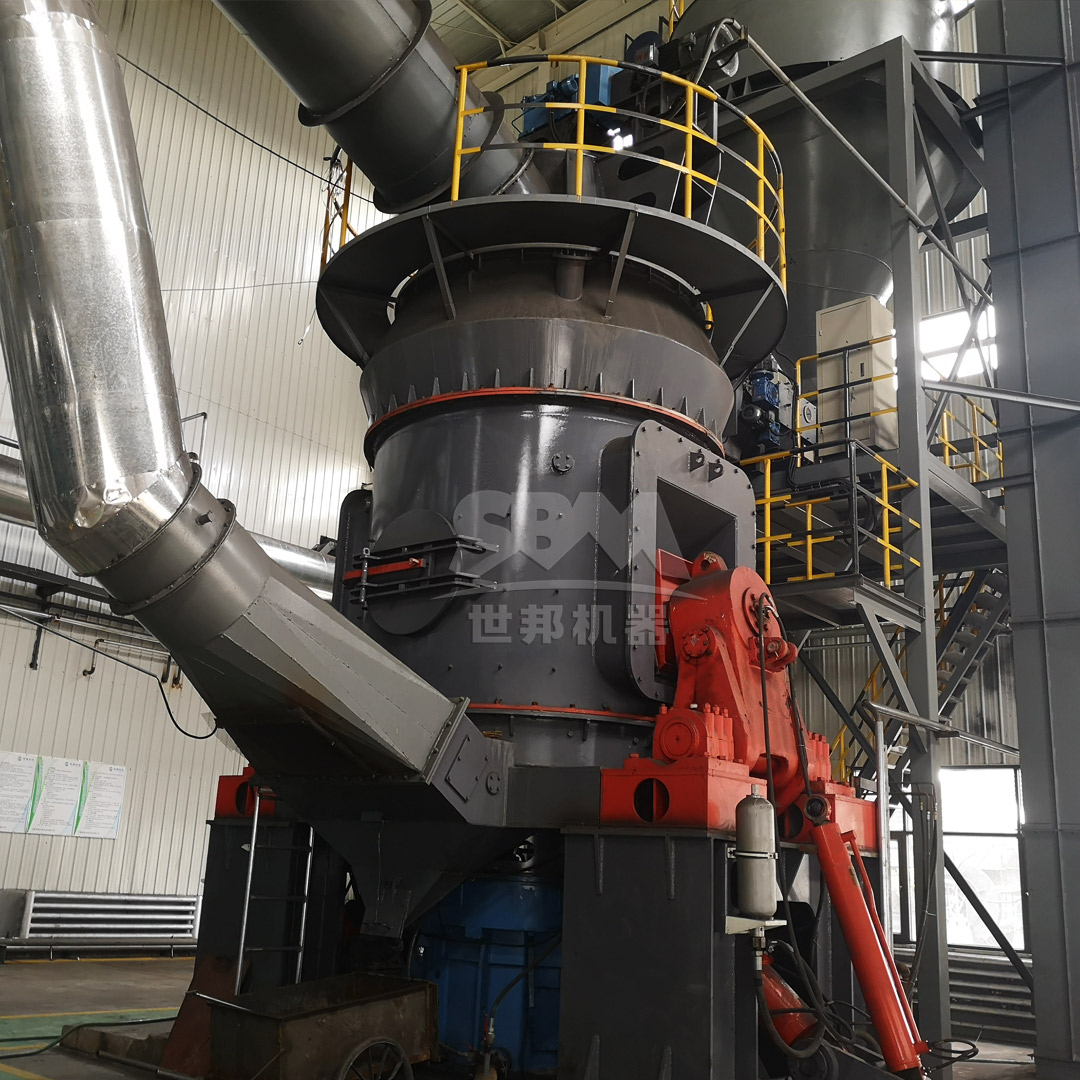
For large-scale activated coke production, we recommend the LM170K (Capacity: 18-48 t/h) or the LM190K (Capacity: 23-68 t/h). These models feature:
- Integrated Design: System integrates crushing, grinding, and selection; floor space reduced by 50%. Outdoor installation possible, reducing infrastructure costs by 40%.
- Low Operating Cost: Non-contact design between rollers and table; wear part life increased by 3x. Energy consumption 30-40% lower than ball mill systems.
- Intelligent Control: Expert-level auto-control system supporting remote/local switching, ensuring stable output.
4. Step 3: Fine Grinding & Particle Size Refinement (SCM Ultrafine Mill)
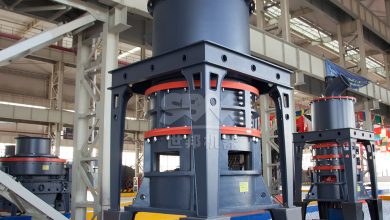
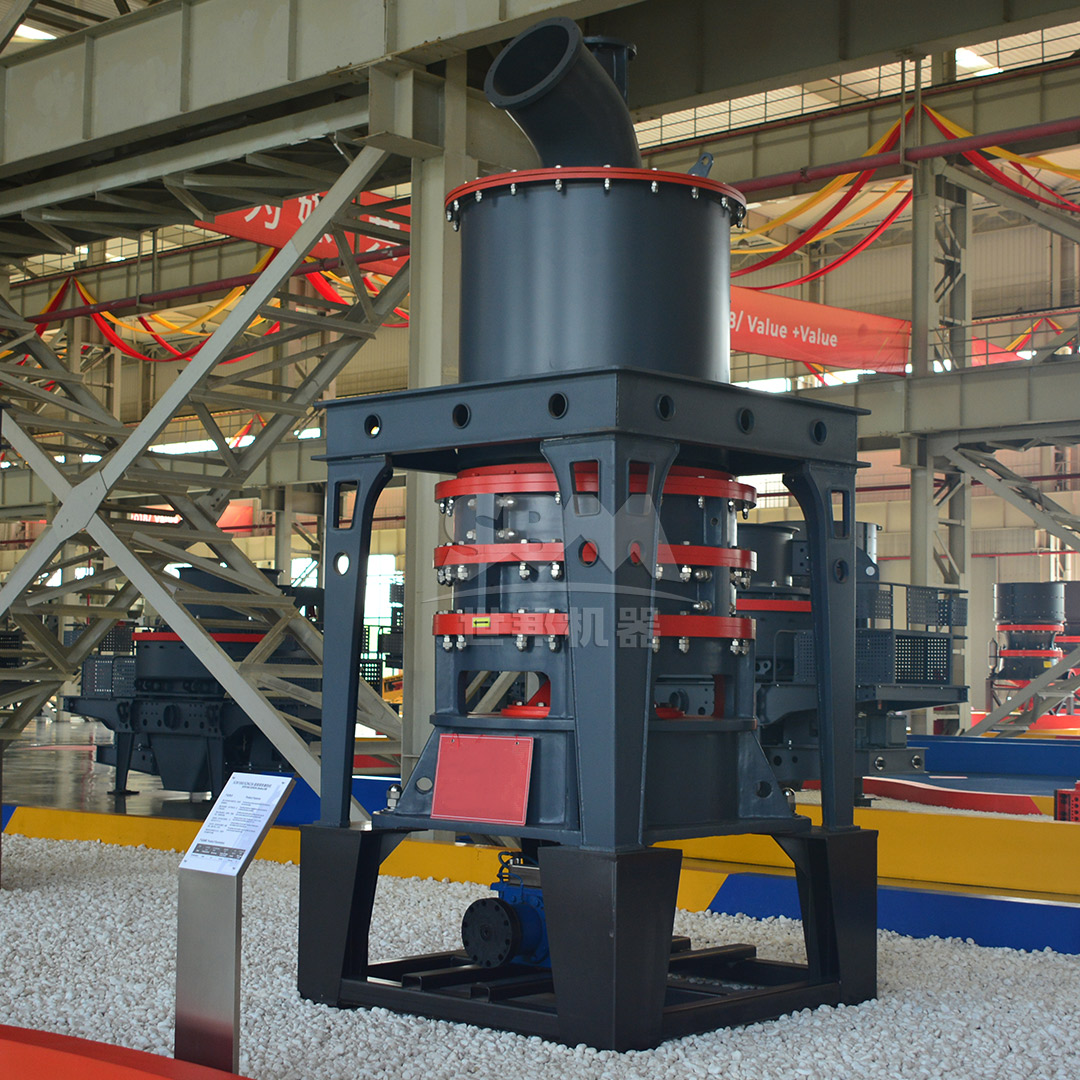
While the LM mill can achieve 30-325 mesh, some activated coke applications, particularly in high-performance adsorption, require even finer particles (325-2500 mesh). For this purpose, our SCM Series Ultrafine Mill is the perfect solution. It takes the output from the primary grinding stage and refines it to a micron-level powder, maximizing the specific surface area crucial for the activation process.
The SCM mill works by rotating three layers of grinding rings. The pre-ground lignite is dispersed into the grinding path by centrifugal force, crushed by roller pressure, and ground layer by layer. A vertical turbine classifier ensures precise particle size cutting, guaranteeing no coarse powder is mixed into the final product.
For smaller activated coke production lines, the SCM1000 (Capacity: 1.0-8.5 t/h, Main Power: 132kW) offers excellent flexibility and energy efficiency. It has a capacity 2x that of jet mills, with 30% lower energy consumption.
5. Step 4: Classification and Collection System
After grinding, the pulverized lignite must be collected and separated from the conveying gas. This is achieved through a two-stage system:
- Cyclone Collector: This primary collector captures the bulk of the fine powder. Our optimized cyclone designs feature a non-resistance flow structure that improves separation efficiency by 30%.
- Pulse Dust Collector: The remaining fine dust is captured by a high-efficiency pulse dust collector. This ensures that over 99.9% of the material is recovered, and the exhaust air meets stringent environmental standards. As highlighted in our product specs, this system ensures emission levels that exceed international standards.
6. Step 5: Conditioning and Storage for Activation
The final pulverized lignite, now with a controlled particle size distribution and low moisture, is pneumatically conveyed to a storage silo. From here, it is fed into the activation kiln (rotary hearth or fluidized bed) where it is subjected to steam or CO2 at high temperatures. The particle consistency achieved by the grinding workflow is crucial for uniform activation, preventing under-activated cores or over-activated, fragile particles.
7. Conclusion
Transforming low-value lignite into high-grade activated coke is a sophisticated process that hinges on precise particle size control. The workflow—crushing, drying, primary grinding, and ultra-fine milling—requires robust, efficient equipment. Our range of vertical roller mills, ultrafine mills, and hammer mills provides a complete, turnkey solution for every stage of the process. By integrating our technologies, producers can achieve high throughput, consistent quality, and minimal environmental impact, ensuring the production of premium activated coke that competes effectively in the global market.