How to Grind Copper Matte? What Are the Advantages of a Vertical Roller Mill for Copper Matte?
Introduction to Copper Matte Grinding
Copper matte, an intermediate product in the smelting of copper sulfide ores, typically contains 40–70% copper along with iron sulfide and other impurities. Grinding copper matte is a critical step in the extractive metallurgy process, as it prepares the material for further refining steps such as converting and electrorefining. The goal of grinding is to achieve a fine, uniform particle size that maximizes the liberation of copper-bearing minerals from the gangue, thereby enhancing the efficiency of subsequent separation processes.
Traditional methods for grinding copper matte often involve ball mills or stamp mills, which are energy-intensive and produce a wide particle size distribution. However, with the advancement of comminution technology, the vertical roller mill (VRM) has emerged as a superior alternative. This article explores the best practices for grinding copper matte and details the distinct advantages of using a vertical roller mill for this application, backed by our company’s engineered solutions.
How to Grind Copper Matte: Step-by-Step Process
Grinding copper matte effectively requires a systematic approach that considers the material’s hardness, moisture content, and desired fineness. Below is a standard operating procedure for achieving optimal results.
1. Primary Crushing: The raw copper matte, often delivered in large lumps, must first be reduced to a manageable size. A jaw crusher or hammer mill is typically used to break the material down to a feed size of ≤20 mm, which is compatible with vertical roller mills.
2. Drying: Copper matte may contain residual moisture from smelting or quenching. In a vertical roller mill, hot air is introduced into the grinding chamber simultaneously with the grinding process. This integration allows for in-situ drying, eliminating the need for a separate dryer. The optimal drying temperature ensures that the moisture content is reduced to below 1%, preventing material agglomeration and improving classification efficiency.
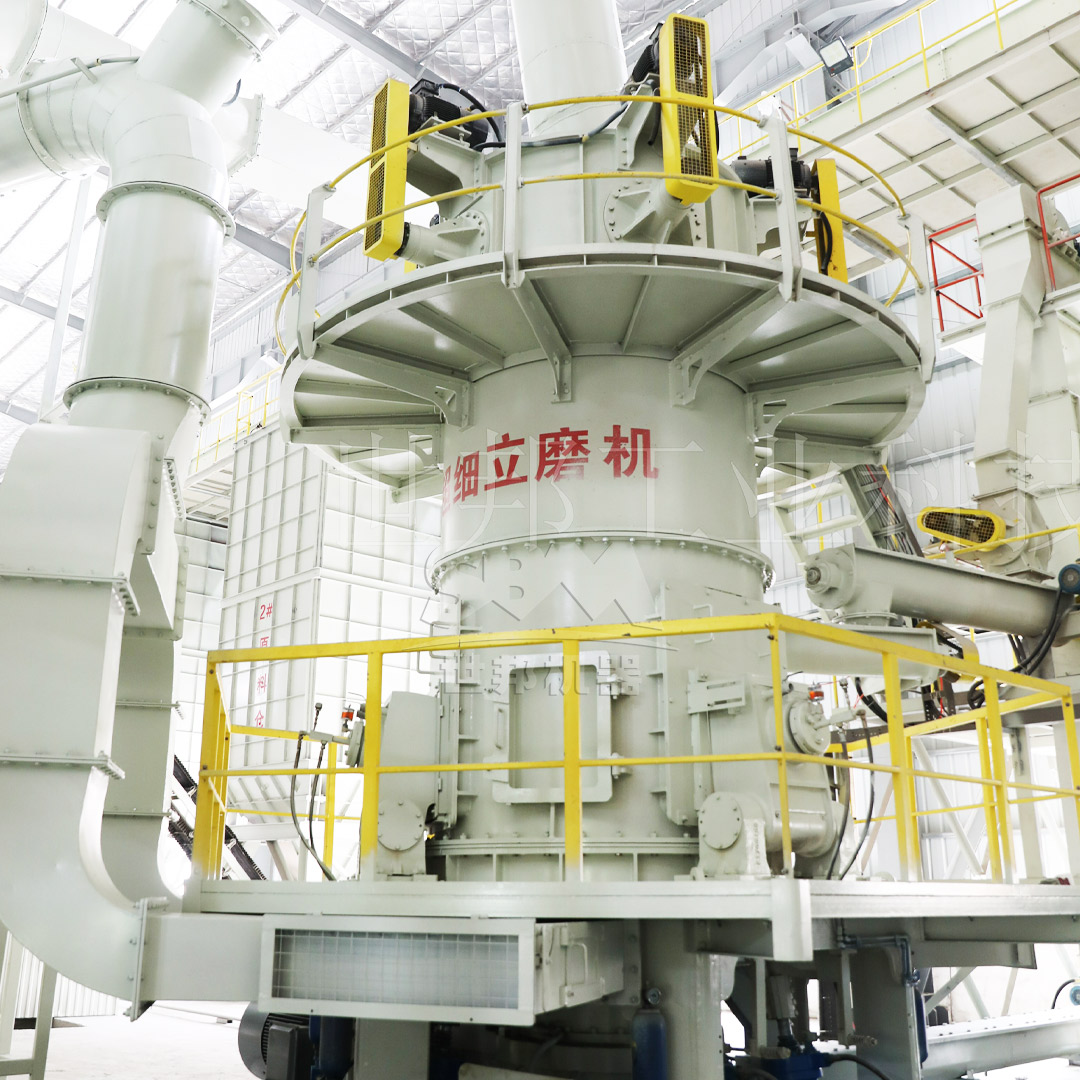
3. Grinding in the Vertical Roller Mill: The dried and crushed copper matte is fed onto the center of the grinding table. Centrifugal force spreads the material evenly across the table. Hydraulically loaded grinding rollers then crush the material layer by layer. The key to effective grinding is maintaining a stable material bed; the rollers are designed to compact and shear the matte, breaking down the crystalline structure of copper sulfide and iron sulfide phases.
4. Air Classification: The finely ground material is carried by an upward air stream to a dynamic classifier. This rotating classifier acts as a sieve, allowing fine particles (typically 45–100 μm) to pass through to the collection system, while rejecting coarse particles back to the grinding table for further size reduction. The classifier speed is adjustable, allowing for precise control of the final product fineness.
5. Collection and Dedusting: The fine powder is separated from the air stream using a high-efficiency cyclone and a pulse-jet bag filter. This two-stage collection system ensures that over 99.9% of the product is recovered, with minimal dust emission into the atmosphere, complying with stringent environmental regulations.
Advantages of a Vertical Roller Mill for Copper Matte
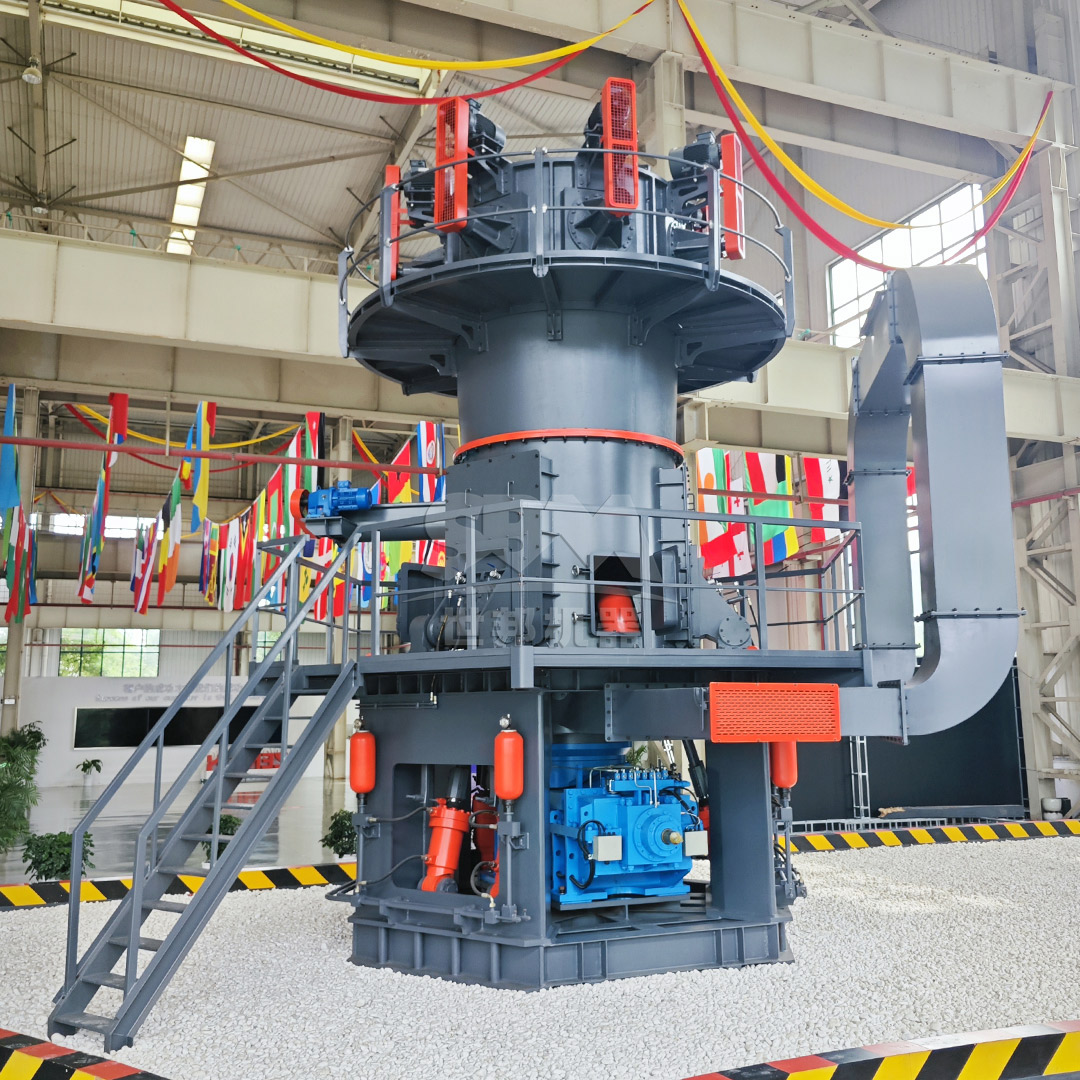
The vertical roller mill presents a transformative solution for grinding copper matte. Unlike conventional grinding equipment, a VRM offers a combination of efficiency, flexibility, and operational safety that is particularly well-suited for the unique challenges posed by copper matte. Below are the critical advantages.
1. High Grinding Efficiency and Lower Energy Consumption: Copper matte is a highly abrasive material. VRMs are designed on the principle of bed grinding, where the material is crushed between a rotating table and stationary rollers with minimal metal-to-metal contact. This mechanism is significantly more energy-efficient than impact-based grinding in ball mills. Specifically, a VRM can reduce energy consumption by 30–40% compared to conventional ball milling systems. For a hydrometallurgical or pyrometallurgical plant processing hundreds of tons per day, this translates into substantial annual cost savings.
2. Superior Drying Capability: As mentioned earlier, the VRM integrates drying and grinding. Copper matte often contains up to 5–10% moisture from quenching processes. The high-velocity hot air (up to 500°C) introduced into the mill not only dries the material but also aids in the pneumatic conveying of the product. This eliminates the need for a separate rotary dryer, reducing capital expenditure and simplifying the process flow.
3. Narrow Particle Size Distribution: The built-in dynamic classifier in a VRM ensures a very sharp cut point. This is crucial for downstream processes like flotation or leaching. A uniform particle size distribution increases the exposed surface area of copper sulfides, improving the reaction kinetics and overall metal recovery rate. The ability to adjust the classifier speed on the fly allows for fine-tuning the product finish to meet exact metallurgical specifications.
4. Enhanced Wear Protection and Maintenance: Given the abrasive nature of copper matte (containing pyrrhotite and chalcopyrite), wear is a primary concern. Our VRMs are equipped with specialized grinding rollers and table liners made of high-chromium alloys or composite materials, which extend service life by several times compared to traditional mills. Furthermore, the non-contact design between the rollers and the table (when not in operation) minimizes wear during start-up and shut-down cycles. Quick-change modules for rollers allow for maintenance downtime to be reduced by up to 40%.
5. Environmental Safety and Noise Reduction: The grinding system operates under negative pressure, ensuring that no toxic dust (which may contain arsenic or lead compounds) leaks into the environment. Additionally, VRMs generate significantly less noise (typically below 80 dB) compared to ball mills, creating a safer and more comfortable working environment for plant operators.
Recommended Product: LM Series Vertical Roller Mill
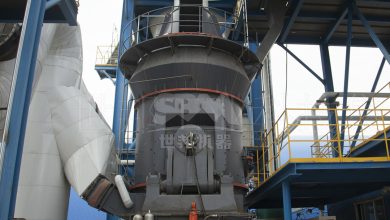
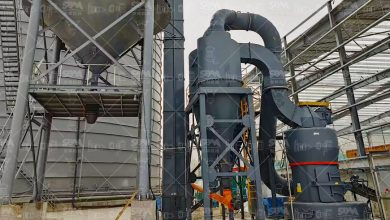
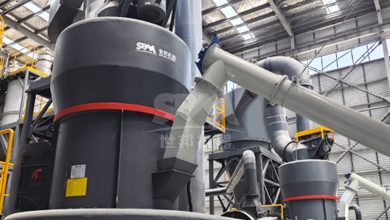
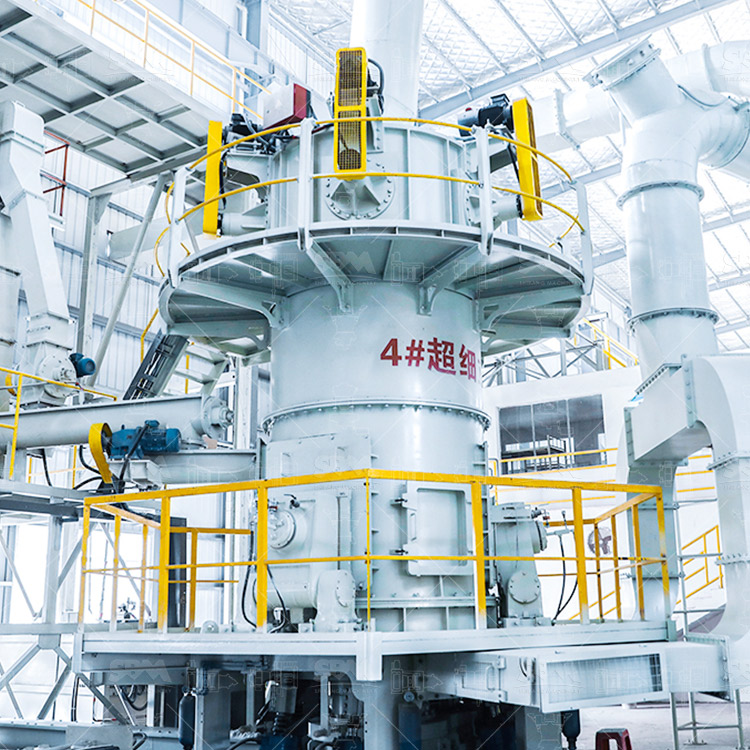
To fully realize the advantages discussed above, we recommend our LM Series Vertical Roller Mill, which is specifically engineered for high-capacity grinding of minerals like copper matte. The LM Series is available in various configurations to match your throughput requirements, ranging from 3 to 250 tons per hour. Its integrated design reduces floor space by 50% and infrastructure costs by 40%, making it an ideal choice for new plant projects and capacity expansions.
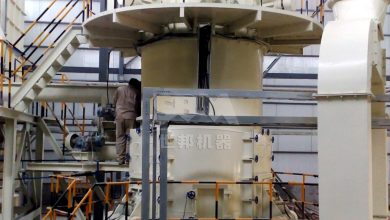
For applications requiring even finer particle sizes, such as 325-2500 mesh (for potential hydrometallurgical processes), we also offer the SCM Series Ultrafine Mill. The SCM series is capable of producing exceptionally fine powder with high precision classification, ensuring no coarse powder mixing. This is particularly beneficial when trying to achieve maximum surface area activation for rapid leaching kinetics.
Key Technical Specifications of the LM Series for Copper Matte
- Feed Size: ≤50 mm
- Output Fineness: 30-325 mesh (up to 600 mesh for specialized models like the LM130X-GX)
- Capacity: 3-250 t/h (depending on the model)
- Transmission: Integral bevel gear drive for high efficiency (up to 98%)
- Control System: PLC-based intelligent control with automatic feedback for consistent product quality
- Environmental: Fully sealed negative pressure operation; dust emission < 30 mg/Nm³
The grinding principle involves the main motor driving the grinding table via a reducer. Material is spread evenly, crushed by hydraulic pressure from rollers, and then classified by a dynamic classifier. Hot air from an external source dries the material during transportation. The efficiency of our LM Series has been proven in numerous installations globally, making it the trusted choice for processing copper matte and other ferrous/non-ferrous metal intermediates.
Conclusion
Grinding copper matte is a demanding operation that requires robust equipment, energy efficiency, and precise control. The vertical roller mill offers a distinct technical and economic advantage over traditional mills. By combining crushing, drying, grinding, and classifying into a single unit, the VRM simplifies the process, reduces energy consumption, and improves metal recovery rates. Our LM Series Vertical Roller Mill and SCM Series Ultrafine Mill are engineered to maximize productivity and meet the highest environmental standards, ensuring your operation remains competitive and sustainable. We invite you to contact our team for a detailed process evaluation and equipment sizing for your specific copper matte characteristics.