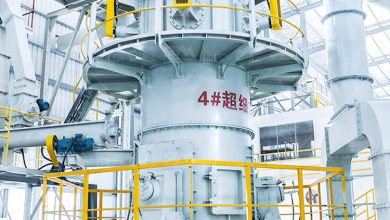
How is Talcum Powder for Paper Manufacturing Produced?
Introduction: The Critical Role of Talcum Powder in Paper Manufacturing
Talcum powder, a naturally occurring mineral composed primarily of hydrated magnesium silicate (Mg3Si4O10(OH)2), is an indispensable functional filler and coating pigment in the modern paper industry. Its unique platy structure, chemical inertness, softness, and hydrophobic properties make it invaluable for enhancing paper quality, improving production efficiency, and reducing costs. The journey from raw talc ore to the precisely engineered powder used in paper mills is a sophisticated process of beneficiation, drying, and, most critically, fine and ultrafine grinding. This article delves into the production process and highlights the advanced milling technologies that enable the creation of high-performance talc products for paper applications.
From Mine to Mill: The Production Chain
The production of paper-grade talcum powder follows a meticulous sequence of operations, each designed to purify and refine the mineral to meet stringent specifications.
1. Mining and Primary Crushing
High-quality talc deposits are selectively mined. The extracted ore, which can contain impurities like chlorite, carbonates, and quartz, undergoes primary crushing using jaw crushers or gyratory crushers to reduce the rock to manageable sizes (typically below 100mm).
2. Beneficiation and Purification
To achieve the brightness and chemical purity required for premium paper products, raw talc is beneficiated. Processes may include flotation, magnetic separation, or optical sorting to remove colored impurities and abrasive minerals. The purified talc concentrate is then often dried in rotary dryers to reduce moisture content to a level suitable for fine grinding (typically below 1-2%).
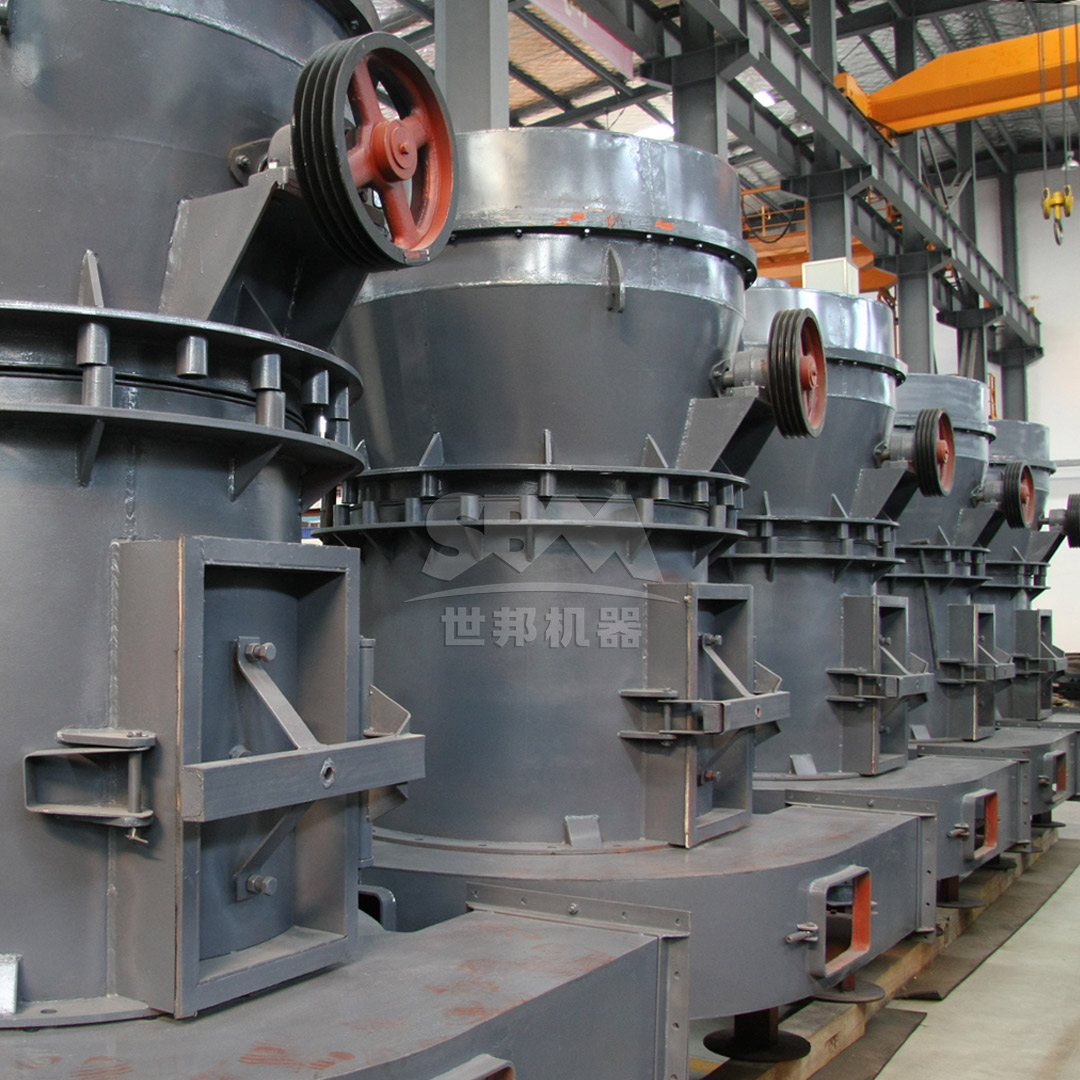
3. The Heart of the Process: Fine and Ultrafine Grinding
This is the most critical stage, where the talc’s particle size, shape (aspect ratio of the plates), and size distribution are defined. These parameters directly influence paper properties such as smoothness, opacity, ink receptivity, and porosity. The industry demands two primary categories:
- Filler-Grade Talc (e.g., 325 mesh / 45μm to 600 mesh / 20μm): Added to the paper pulp slurry to fill voids between fibers, improving sheet formation, opacity, and printability while reducing raw material costs.
- Coating-Grade Talc (e.g., 1250 mesh / 10μm to 2500 mesh / 5μm): Used in paper coating formulations to create an exceptionally smooth, white, and receptive surface for high-quality printing.
Different grinding technologies are employed to achieve these distinct fineness ranges efficiently and with precise particle size control.
Key Grinding Technologies for Talc Processing
The choice of grinding mill is paramount. It must deliver the target fineness, preserve the valuable platy structure of talc (avoiding excessive delamination or destruction), ensure high throughput, and operate with energy efficiency and environmental compliance.
For High-Capacity, Coarse to Medium-Fine Grinding (600-45μm)
For producing filler-grade talc at high tonnages, robust and efficient mills are required. The MTW Series European Trapezium Mill stands out in this segment. Engineered with an integral bevel gear drive boasting 98% transmission efficiency, it significantly reduces energy loss. Its anti-wear shovel design and wear-resistant volute structure minimize maintenance costs and downtime. The optimized arc air duct and high-precision classifier ensure consistent product fineness between 30-325 mesh, making it an ideal workhorse for large-scale production of paper filler talc.
For Premium Ultrafine Coating-Grade Talc (45-5μm)
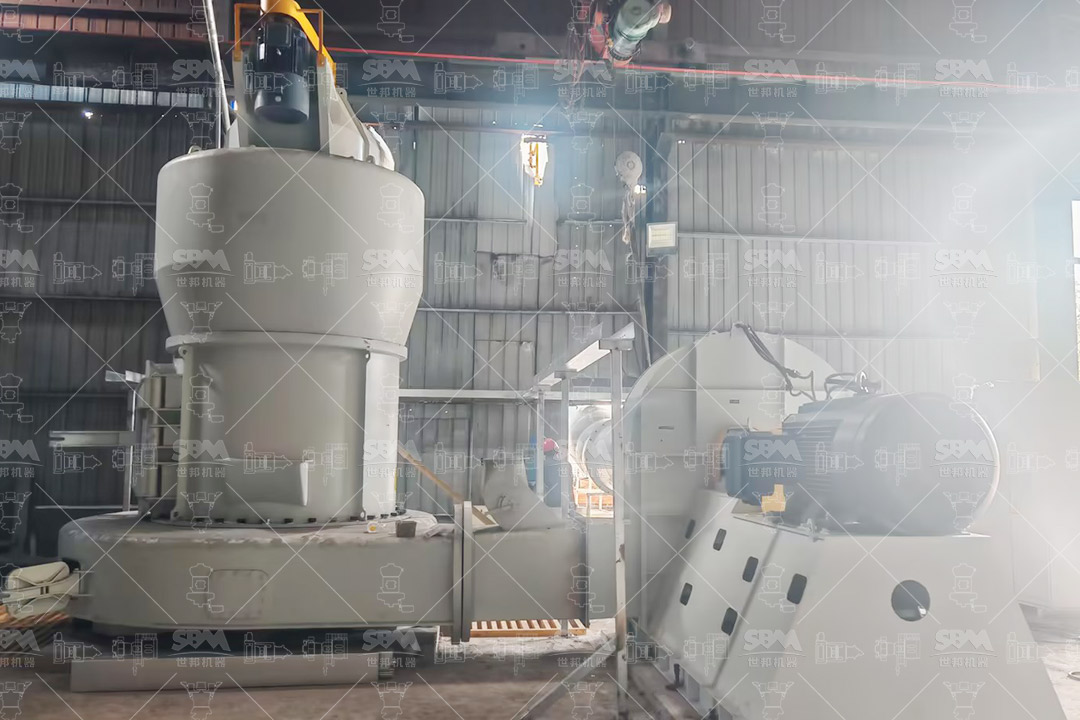
Producing the ultrafine talc necessary for paper coatings presents a greater technical challenge, demanding superior classification accuracy and energy-efficient fine grinding. This is where advanced ultrafine grinding technology excels. Our SCM Series Ultrafine Mill is specifically engineered for this demanding application.
Its vertical turbine classifier achieves precise particle size cutting, ensuring no coarse particles contaminate the final product—a critical requirement for coating uniformity. The mill operates with a unique grinding principle where material is crushed layer by layer under roller pressure, which helps preserve the natural platelet morphology of talc. With an output fineness range of 325 to 2500 mesh (45-5μm) and capacities from 0.5 to 25 tons per hour, the SCM series offers unparalleled flexibility. Furthermore, its high-efficiency design consumes 30% less energy than traditional jet mills while offering double the capacity, and its comprehensive pulse dust collection system ensures environmentally friendly operation.
Post-Grinding: Classification, Packaging, and Quality Control
After milling, the talc powder often passes through secondary air classifiers for final particle size segregation. The product is then conveyed to silos and packaged in bulk bags or smaller sacks. Rigorous quality control checks are performed throughout, including tests for particle size distribution (via laser diffraction), brightness (ISO), abrasion value, and moisture content.
Conclusion: A Synergy of Nature and Technology
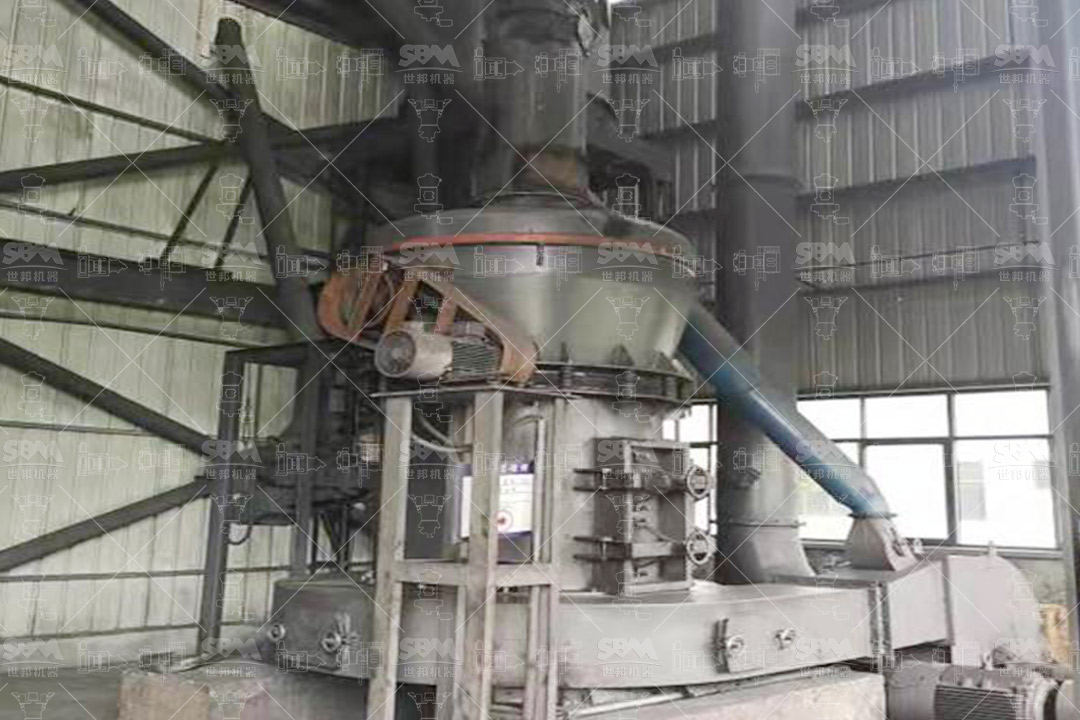
The production of talcum powder for paper manufacturing is a precise engineering endeavor that transforms a natural mineral into a high-performance industrial additive. The efficiency and quality of the final product are inextricably linked to the grinding technology employed. From the high-volume efficiency of the MTW Series for fillers to the precision and finesse of the SCM Ultrafine Mill for coatings, modern milling solutions provide paper manufacturers with the consistent, high-quality talc products needed to produce everything from standard office paper to luxury coated publications. Investing in the right grinding technology is, therefore, an investment in the quality and competitiveness of the final paper product.