How Humic Acid Grinding Mills Optimize Production Efficiency in Humic Acid Processing Lines
Introduction
Humic acid, a key organic component derived from weathered coal, lignite, and leonardite, plays a vital role in modern agriculture as a soil conditioner and fertilizer enhancer. As global demand for high-quality humates surges, processors face increasing pressure to optimize production efficiency while maintaining strict particle size specifications. At the heart of this challenge lies the grinding stage—a bottleneck that determines throughput, energy consumption, and final product quality. This article delves into how advanced humic acid grinding mills, particularly those engineered by leading Chinese manufacturers like SBM, transform processing lines by enhancing efficiency, reducing operational costs, and ensuring product consistency.
Challenges in Traditional Humic Acid Grinding
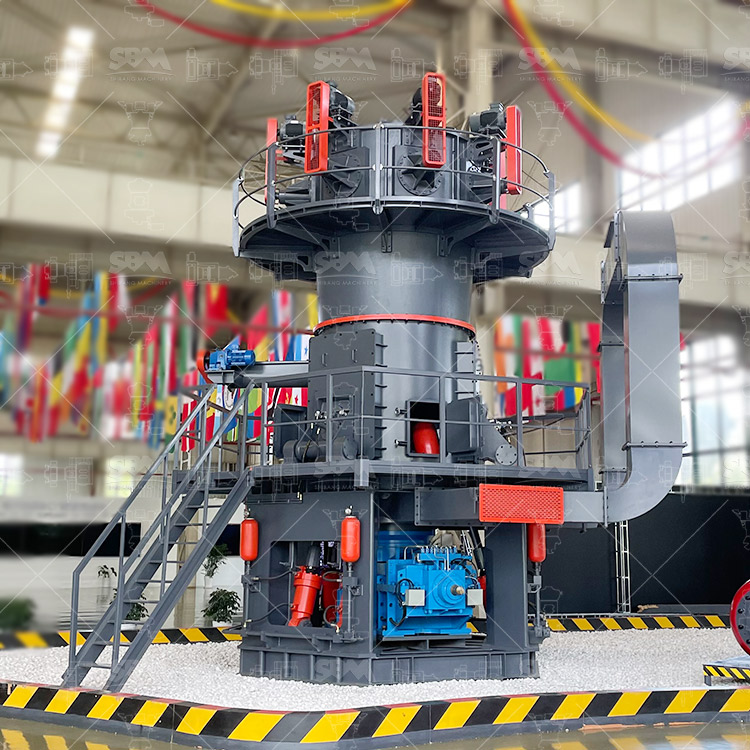
Traditional grinding systems, such as simple hammer mills or ball mills, often struggle with humic acid’s unique characteristics. Humic acid is fibrous, moisture-sensitive, and prone to caking, which leads to clogging and inconsistent particle size distribution. Moreover, conventional mills exhibit high energy consumption—up to 30% more than modern alternatives—and require frequent maintenance due to abrasive wear. In high-volume processing lines, these inefficiencies translate into capacity losses, increased downtime, and higher per-ton costs. Therefore, the adoption of specialized humic acid grinding mills is not merely an upgrade but a necessity for competitive production.
The Role of Ultrafine Grinding Mills in Precision and Energy Saving
For producers targeting micronized humic acid powders (325-2500 mesh), the SCM Series Ultrafine Mill stands out as a transformative solution. Its patented grinding mechanism—where three layers of grinding rings rotate, and materials are crushed layer-by-layer via roller pressure—ensures uniform fineness without coarse particle contamination. This mill doubles the capacity of traditional jet mills while reducing energy consumption by 30%, a direct boost to production efficiency. The intelligent control system automatically adjusts the classifier speed based on real-time feedback, guaranteeing 100% pass rate of the desired fineness.
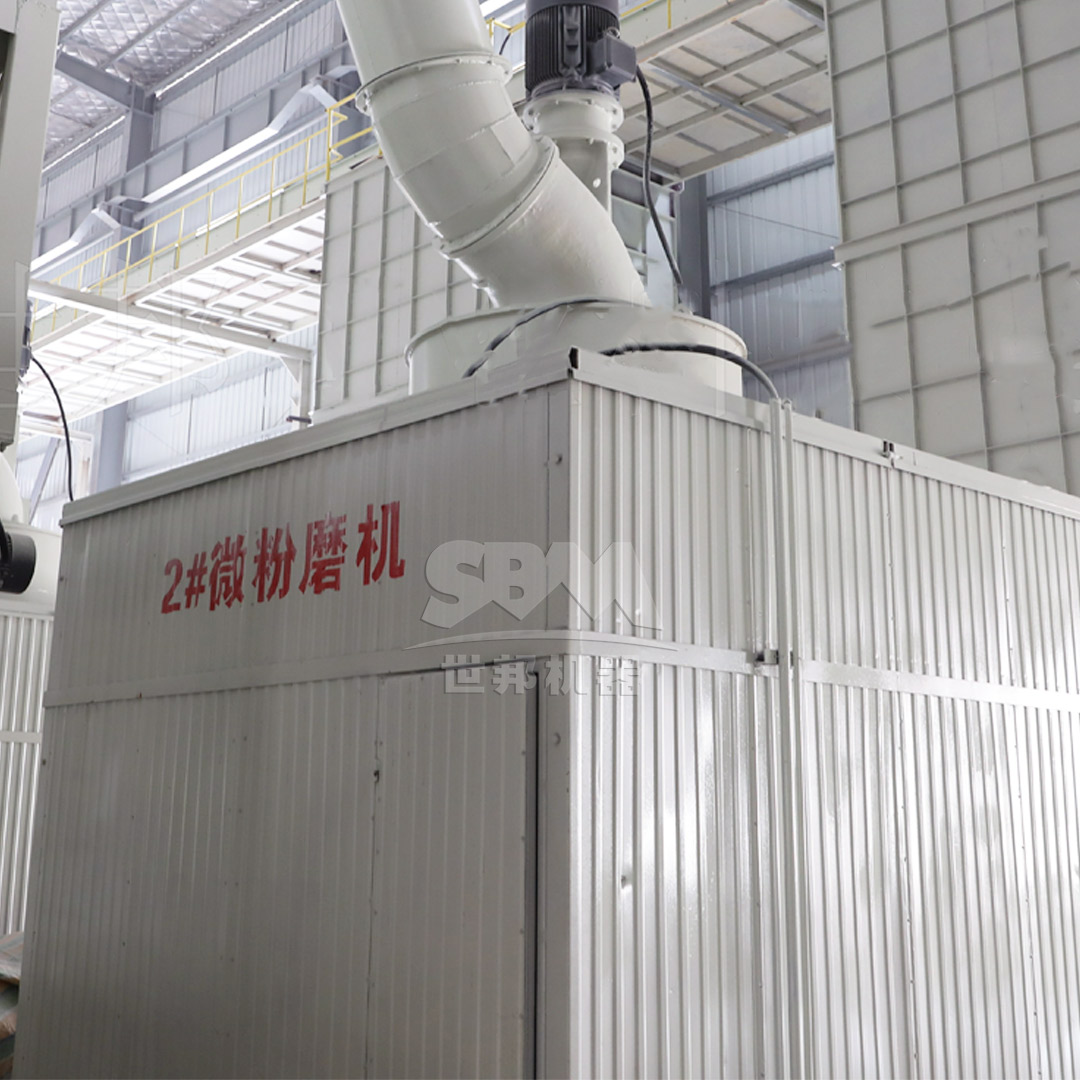
In a typical humic acid processing line, integrating the SCM1000 model (capacity: 1.0-8.5 t/h, fineness: 325-2500 mesh) downstream of a drying system allows processors to achieve ultra-fine powders ideal for water-soluble fertilizer formulations. The pulse dust collector, with efficiency surpassing international standards, not only captures fine particles but also maintains a clean, eco-friendly working environment—addressing the industry’s growing sustainability demands.
High-Capacity Grinding with Energy-Efficient Vertical Roller Mills
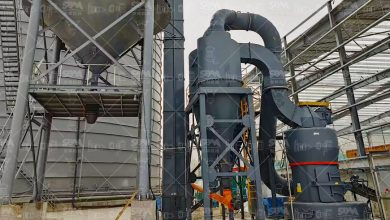
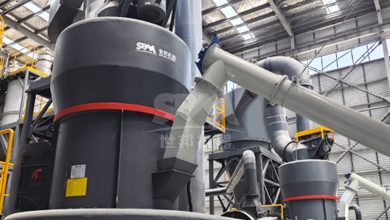
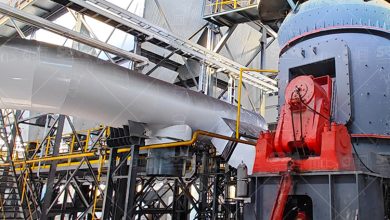
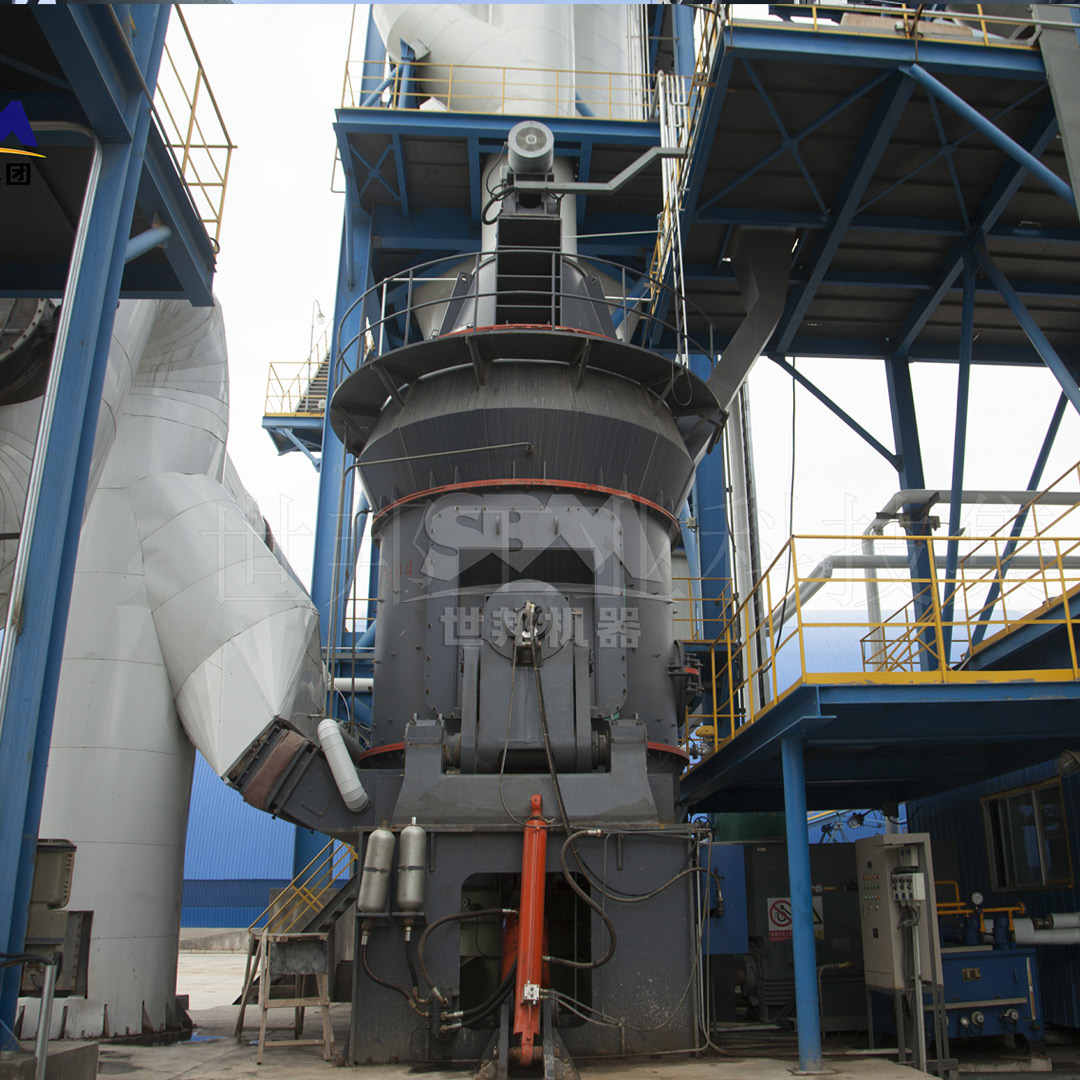
When the objective shifts to bulk production of humate granules or coarse powders (30-325 mesh), the LM Series Vertical Roller Mill proves unmatched. Its integrated design combines crushing, drying, grinding, and classification into a single system, reducing floor space by 50% and infrastructure costs by 40%. The non-contact between rollers and the grinding table minimizes wear, extending the lifespan of wear parts by three times that of ball mills. Consequently, operational energy consumption drops by 30-40%—a critical advantage for large-scale humic acid processing lines producing 10-250 tons per hour.
The LM130K model, for instance, delivers a capacity of 10-28 t/h with fineness ranging from 170 to 40 microns. This mill’s fully sealed, negative-pressure operation prevents dust leakage and reduces noise levels, meeting stringent environmental regulations. For processors requiring hot-air drying during grinding, the LM series’ hot air circulation system efficiently handles moisture, eliminating the need for separate pre-drying units. This integration directly curbs auxiliary energy use and streamlines the entire production flow.
Flexibility with European Trapezium Mills for Multi-Product Lines
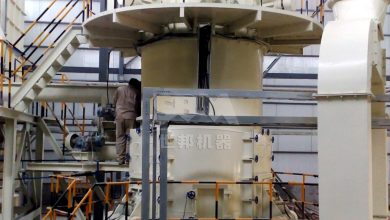
Many humic acid producers operate multi-product lines, alternating between fine powders for direct application and coarser granules for blending. The MTW Series European Trapezium Mill offers exceptional flexibility, delivering an output fineness between 600 and 45 microns with capacities up to 45 t/h. Its integral bevel gear drive system achieves 98% transmission efficiency, saving space and reducing installation costs. Additionally, the anti-wear shovel design curbs maintenance expenses by 30%, a key factor in maximizing long-term production uptime.
Overcoming Moisture and Agglomeration Issues
Humic acid often contains inherent moisture (15-30%), which can cause clumping in conventional grinders. Both the SCM and LM mills address this challenge via integrated hot-air or hot-gas flow systems. The LM vertical mill incorporates a hot air circulation loop that dries and conveys the ground material, while the SCM mill ensures the grinding chamber remains at optimal temperature, preventing condensation and blockages. This design eliminates pre-drying steps, saving energy and labor, and ensures continuous, stable production even during humid seasons.
Intelligent Process Control for Consistent Quality
Modern humic acid grinding mills are equipped with PLC-based automation and IoT connectivity. The LM mill’s expert control system monitors real-time parameters—mill vibration, differential pressure, and classifier speed—to automatically adjust feed rate and separator settings. This intelligence ensures that each batch meets exact customer specifications, on-spec product first time, thereby reducing reject rates and re-grinding expenses. The SCM mill’s similar feedback control on finished product granularity minimizes human intervention, allowing operators to manage multiple units simultaneously, thus increasing labor efficiency.
Case-Specific Optimization Strategies
To optimize a processing line effectively, producers must align mill selection with their strategic goals:
1. For Ultra-Fine, High-Value Products: Use SCM ultrafine mills for mesh ranges above 600. Recommended model: SCM1250 (capacity: 2.5-14 t/h, power: 185kW) to balance high output with exceptional fineness.
2. For Medium-Output, Low-Maintenance Operations: The MTW175G (capacity: 9.5-25 t/h, power: 160kW) is ideal for producers needing to switch between 80-300 mesh products frequently, offering an excellent blend of flexibility and durability.
Economic Impact on Production Efficiency
The economic benefits of upgrading to these advanced mills are quantifiable. A shift from a ball mill to an LM vertical mill can save 400,000 kWh annually for a 20 t/h line, reducing electricity costs by nearly 30%. Lower wear part consumption (3x longer life) decreases annual spare parts costs by 25%. Moreover, the reduction in system downtime—by as much as 40%—directly boosts annual profitable operating hours. These savings collectively lower the payback period for mill investment to under two years, even for modest production capacities.
Environmental Compliance and Worker Safety
Regulatory pressures worldwide demand dust-free and low-noise operations. The SCM’s soundproof room design limits noise to below 85 dB, protecting operators’ hearing. The LM mill’s negative-pressure system ensures that dust emissions are below 30 mg/m³, exceeding typical environmental standards. These features not only ensure legal compliance but also enhance the corporate image, which is increasingly important for international market access.
Future Trends and Integration with Downstream Processing
As the humic acid market moves towards sophisticated formulations like nano-humates, the grinding system must be capable of achieving 2500-mesh fineness consistently. The SCM1690 (currently the largest model, capacity: 5-25 t/h) is positioned to meet such future requirements. Additionally, integration with packing lines and granular mixers is streamlined via modular connections, facilitating a synchronized production flow from raw ore to packaged final goods.
Conclusion
Optimizing humic acid processing lines demands a holistic approach, with grinding technology acting as the pivot. The adoption of advanced humic acid grinding mills, such as SBM’s SCM ultrafine, MTW trapezium, and LM vertical roller mills, provides clear, tangible gains in production efficiency: higher throughput, lower energy usage, reduced maintenance, and consistent product quality. By investing in these innovative systems, producers can navigate competitive pressures while embracing sustainable practices, ensuring long-term profitability and market leadership.