Coal Powder Vertical Mill Processing: Clean Energy Coal Powder Production Process Explained
1. Introduction to Coal Powder Vertical Mill Technology
In the modern energy landscape, the efficient and environmentally responsible processing of coal powder has become a cornerstone of clean energy utilization. The Vertical Roller Mill (VRM) has emerged as the definitive technology for this purpose, fundamentally transforming how thermal power plants, steel manufacturers, and cement producers prepare pulverized coal for combustion. Unlike conventional ball mills, a coal powder vertical mill integrates drying, grinding, and classification within a single system. This multi-functional design dramatically reduces energy consumption, minimizes floor space, and ensures a higher degree of automation. At the heart of this system lies a scientific approach to material flow and bed grinding, which optimizes heat exchange and particle size distribution simultaneously.
As global emission standards tighten, the demand for high-efficiency, low-wear vertical coal mills has surged. These mills operate under negative pressure, effectively preventing dust leakage, while their intelligent control systems adjust parameters in real-time to maintain consistent fineness. A typical coal mill system controls the fineness of pulverized fuel to meet combustible efficiency targets, ensuring that the coal burns completely and uniformly. The advent of advanced dynamic classifiers, integrated into the vertical mill design, has further enhanced the precision of particle size separation.
2. Core Principles of the Clean Coal Grinding Process
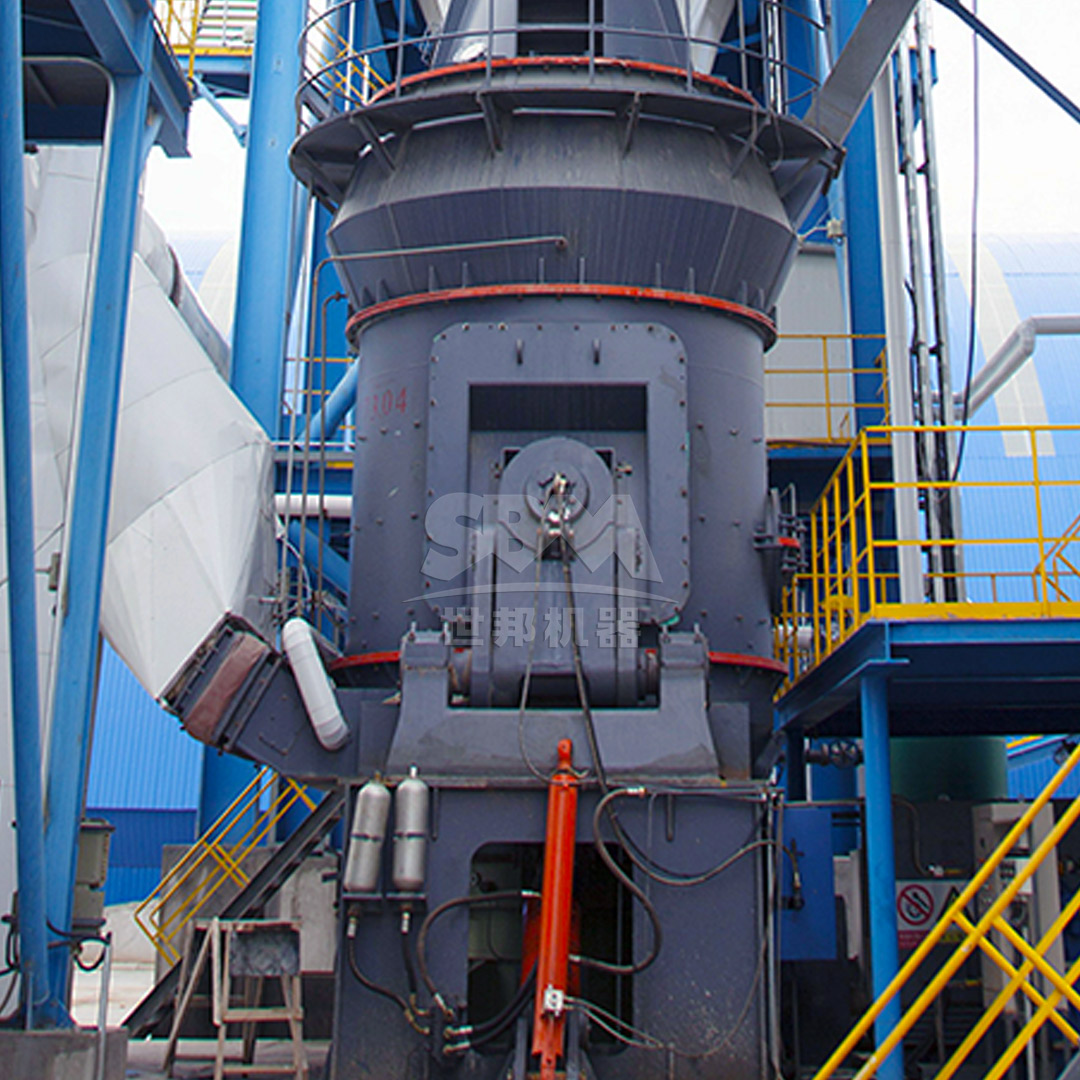
The processing of raw coal into pulverized fuel requires a meticulous sequence of operations. The vertical coal mill operates by having a main motor drive the grinding table to rotate at a regulated speed. Raw coal is fed from the central chute and spreads evenly across the table by centrifugal force. Concurrently, hot air (often sourced from a hot blast stove or kiln preheater) enters the mill through an air ring, creating a high-velocity airflow. As the coal moves towards the mill periphery, it passes under spring-loaded or hydraulic grinding rollers, which exert controlled pressure to crush the material layer.
This ‘bed grinding’ principle is crucial for energy efficiency. The compressed coal cake is pulverized into fine particles. The hot air in the mill simultaneously evaporates moisture, ensuring the final product has a low residual moisture content. Airflow carries the fine powder upward to a dynamic classifier located at the top of the mill. This high-precision classifier uses centrifugal force and aerodynamic drag to separate oversized particles. Coarse particles are rejected and returned to the grinding table for further size reduction, while qualified fines are conveyed out of the mill for collection. The entire process is fully enclosed, utilizing a pulse dust collector system to capture the final coal powder, ensuring zero environmental dust emission.
3. Key Equipment: Intelligent Control & Classifier Technology
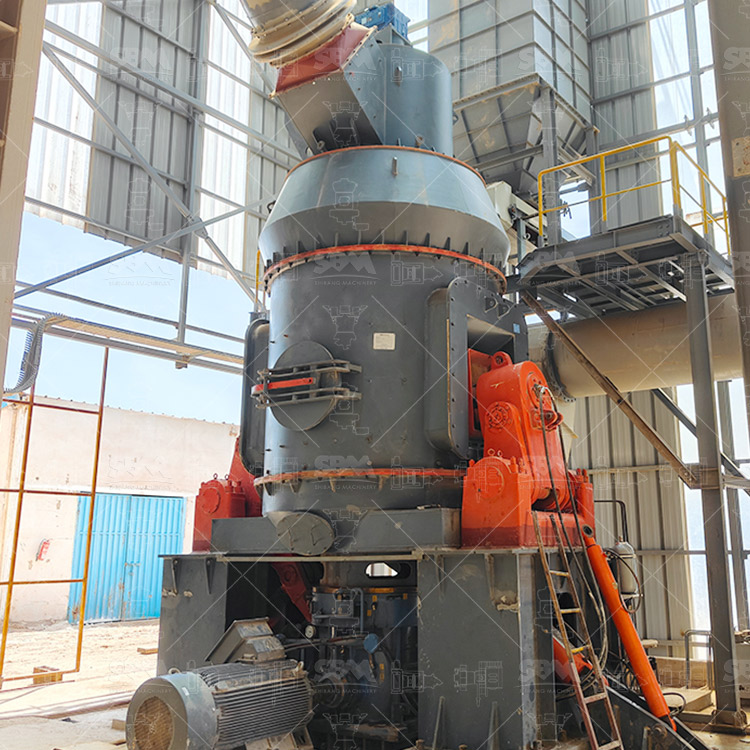
Modern coal powder vertical mill mechanisms are segmented into two critical components: the grinding mechanism and the classification mechanism. The grinding section utilizes hydraulic cylinders to apply downforce to the rollers. This sophisticated pressure regulation system automatically compensates for roller and table liner wear, maintaining grinding efficiency throughout the lifecycle of the wear parts. Unlike traditional systems with mechanical springs, hydraulic systems ensure a smooth, vibration-free operation even when grinding materials with varying hardness. The non-contact design between the rollers and the table is a hallmark of durable design, eliminating metal-on-metal contact which significantly extends service life.
The classification mechanism is equally advanced. Modern process loops utilize a high-speed vertical turbine classifier. This technology ensures a sharp particle size distribution with minimal coarse powder mixing. For coal preparation, this precision ensures that the pulverized fuel meets the strict fineness requirements needed for combustion, often specified as 200 mesh residue. The intelligent control system features an expert-level auto-control function supporting remote and local switching, with real-time monitoring of parameters such as hydraulic pressure, temperature, and motor load. This ensures the entire pulverizer system operates at peak efficiency, reducing energy consumption by 30-40% compared to a traditional ball mill.
4. Emission Reduction and Environmental Protection
Environmental compliance is a non-negotiable aspect of modern coal processing. Vertical coal mills contribute significantly to lowering the carbon footprint of industrial boiler systems. The enclosed negative pressure operating environment prevents coal dust from leaking into the atmosphere, addressing major safety and health concerns. A robust pulse dust collection system, often integrated with the main mill system, possesses high collection efficiency that exceeds international environmental standards. Furthermore, the acoustic enclosure and specific anti-vibration mounting designs ensure operational noise levels are minimized, protecting plant personnel from occupational noise hazards.
The thermal efficiency of the coal powder production process is enhanced by the direct contact between hot drying gas and powder. This system effectively uses waste heat from the plant, contributing to a circular energy economy. By lowering the specific energy consumption for grinding, the vertical mill technology reduces the carbon intensity of the final fuel. Additionally, the integration of a shaftless screw grinding chamber and optimized air ducts minimizes resistance and airflow energy losses, proving that high production capacity and environmental sustainability are not mutually exclusive.
5. Production Parameters and Modeling
The operational effectiveness of a coal powder vertical mill depends on several core parameters. For the specific application of anthracite and bituminous coal, the specific surface area and the residue on a 200-mesh screen are key indicators of product performance. The vertical mill provides multi-stage adjustment for fineness; for coal mills, the product fineness can be adjusted through slope control of the separator speed. The feed size of the equipment can accommodate coal lumps up to a certain size, but the input size parameter is critical for maintaining throughput.
An example of a slightly smaller capacity yet highly efficient system relies on a power rating of up to 355kW to produce 2-20 tons per hour of fine powder. The capacity of a vertical mill is heavily influenced by the hardness of the raw material and its moisture content. The Hot Air Circulation Energy-Saving System, a patent feature on high-end models, allows the plant to reduce thermal losses substantially. The intelligent layout prioritizes a compact footprint; plants can install these vertical grinding systems outdoors, reducing infrastructure costs by up to 40%.
6. High-Capacity Solutions: Our Recommended Product
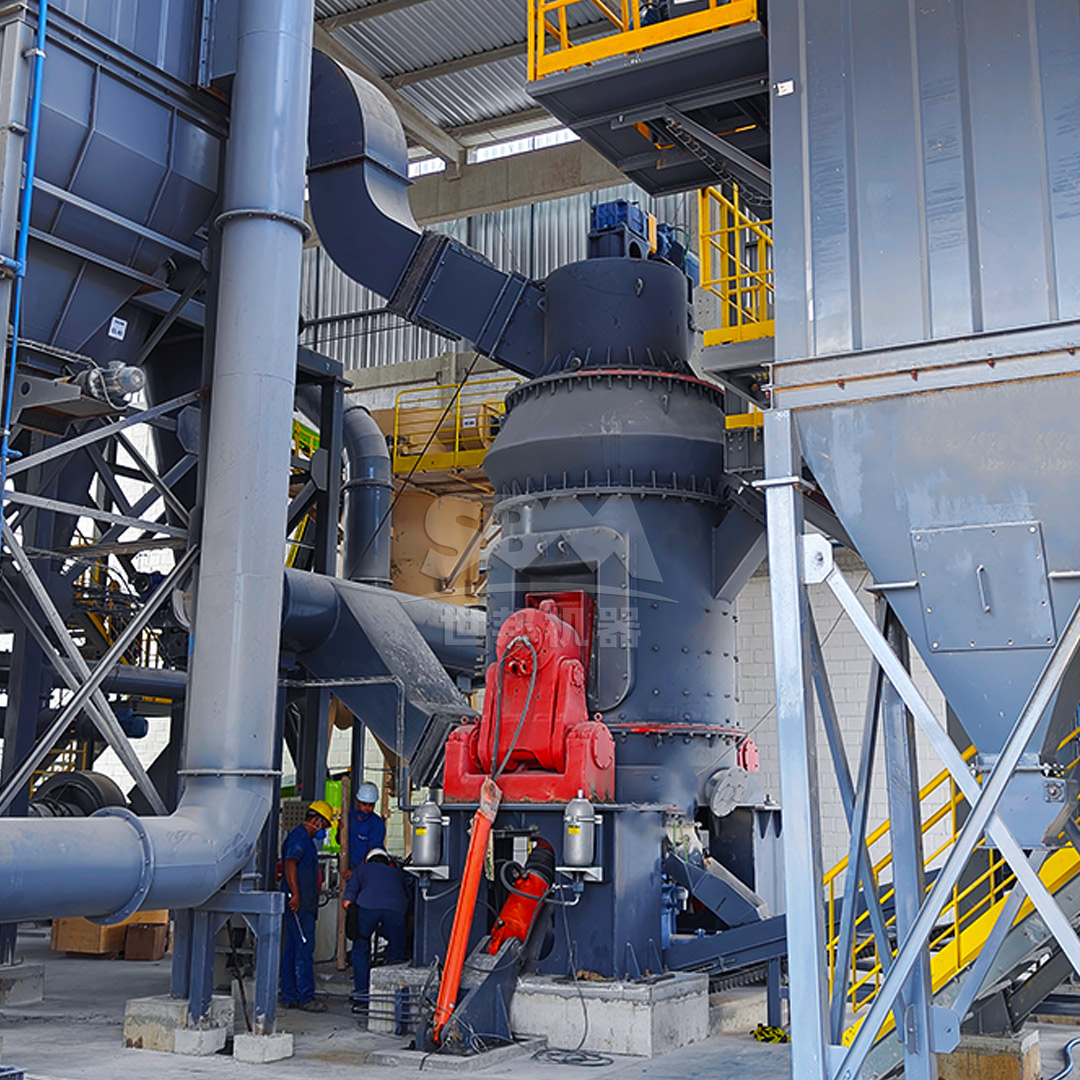
For large-scale industrial clients requiring robust, high-yield coal grinding while maintaining ultra-clean environmental standards, we specifically recommend our LM Series Vertical Roller Mill. This equipment is specifically engineered for the pulverized coal sector, offering capacities up to 90 t/h for coal preparation. With an input size of ≤50mm and a fineness range capable of meeting 5-20% R0.08 specifications, the LM series has an integrated design that combines drying and grinding functions, ensuring a substantial reduction in capital expenditure for plant construction.
Alternatively, for projects demanding extreme stability and ease of maintenance, the MTW Series European Trapezium Mill is an excellent ball mill alternative. It provides a capacity up to 45 t/h and fineness down to 45μm. Its patented anti-wear shovel design and integral bevel gear drive with a transmission efficiency of up to 98% make it the most reliable European-technology system available for pure coal powder or blended fuel preparation. Both systems support simultaneous drying and grinding, effectively managing moisture and optimizing combustion characteristics.
7. Technological Advantages of the SCM & LUM Series
When ultra-fine grinding of coal grinding is considered—specifically in the production of high-value carbon products or for micronized coal water slurries—the emphasis shifts to classification precision. While standard mills handle raw coal feeding via a high-pressure grinding roller, concentrated on 80-micron mesh separations, the demand for 45-micron or smaller cut points requires innovations found in our SCM Series Ultrafine Mill and LUM Ultrafine Vertical Roller Mill. These models utilize multi-rotor classification technology which ensures no course powder contamination in the final product.
Our LUM series impresses with its unique grinding roller and liner curves which elevate grinding efficiencies. It provides 30% lower energy consumption than jet mills when reaching 2500 mesh sizes with capacities up to 15 t/h. Furthermore, a specifically designed water cooling system can facilitate the safe grinding of combustible materials. The maintenance outlook is impressive: the special material rollers extend service life several times over, delivering low cost of operation.
8. Cost Efficiency and Performance Integration
The economic benefits of switching to a vertical coal mill are profound. The plant floor space is reduced by over 50% compared to a ball mill installation. The grinding rollers and table use specialized high chrome alloy material with hardness levels exceeding HRC58, contributing to sustained high output levels. The systems are not just wear-resistant but also use an internal suction oil lubrication system for gearing that increases smoothness and reduces maintenance interference.
Having precise control over the product quality indicates high standards for processing. The final product is used in heating systems requiring high combustion ratios. The user-friendly operation allows workers to automatically adjust parameters such as classifier wheel speed, gas temperature, and material feed ratio to optimize pulverized coal characteristics continuously.