Can a Hydrated Lime Grinding Mill Process Lime Slag?
Introduction: The Challenge of Lime Slag Processing
Lime slag, a byproduct of steelmaking, water treatment, and various chemical processes, presents a unique challenge for size reduction equipment. Unlike hydrated lime, which is soft and friable, lime slag is often dense, abrasive, and contains hard silicate compounds. The question arises: can a hydrated lime grinding mill, typically designed for softer materials, effectively process lime slag? The answer is not straightforward, as it depends on the mill’s design, wear resistance, and classification precision. At [Your Company Name], we have engineered our mills specifically to handle such demanding materials. In this article, we explore the technical feasibility and recommend our proven solutions.
Understanding Material Properties: Hydrated Lime vs. Lime Slag
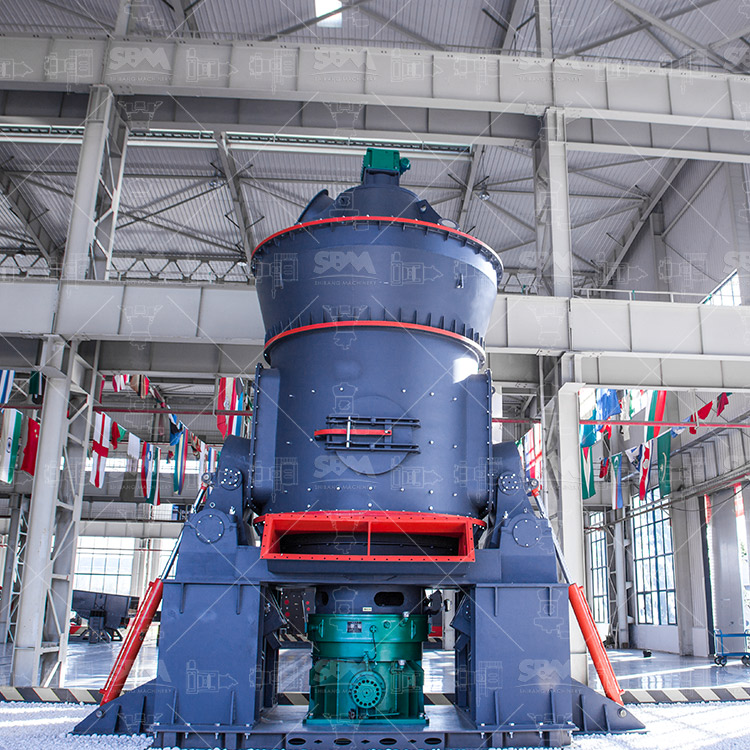
Hydrated lime (calcium hydroxide) is a fine, dry powder with low abrasiveness, making it easy to grind. In contrast, lime slag contains free lime, silicates, and metallic oxides, often with a Mohs hardness between 5–7. Its abrasive nature accelerates wear on grinding components. However, modern mills with advanced metallurgy and aerodynamic classification can overcome these obstacles. The key is to achieve a consistent product fineness while minimizing downtime for part replacement. Our research shows that with the correct mill configuration, lime slag can be ground to 325–600 mesh (45–23 µm) efficiently.
Key Technical Requirements for Lime Slag Grinding
To successfully process lime slag, a mill must meet four critical criteria:
- Wear Resistance: Grinding rollers and rings must use special alloys (e.g., high-chrome or composite ceramics) to resist abrasion.
- Efficient Classification: A high-precision classifier ensures no coarse particles contaminate the final product.
- Stable Operation: The mill must handle variations in feed moisture and particle size without clogging.
- Low Energy Consumption: Energy costs can be 30–50% of total operating expenses; thus, efficient grinding is vital.
Evaluating the SCM Series Ultrafine Mill for Lime Slag
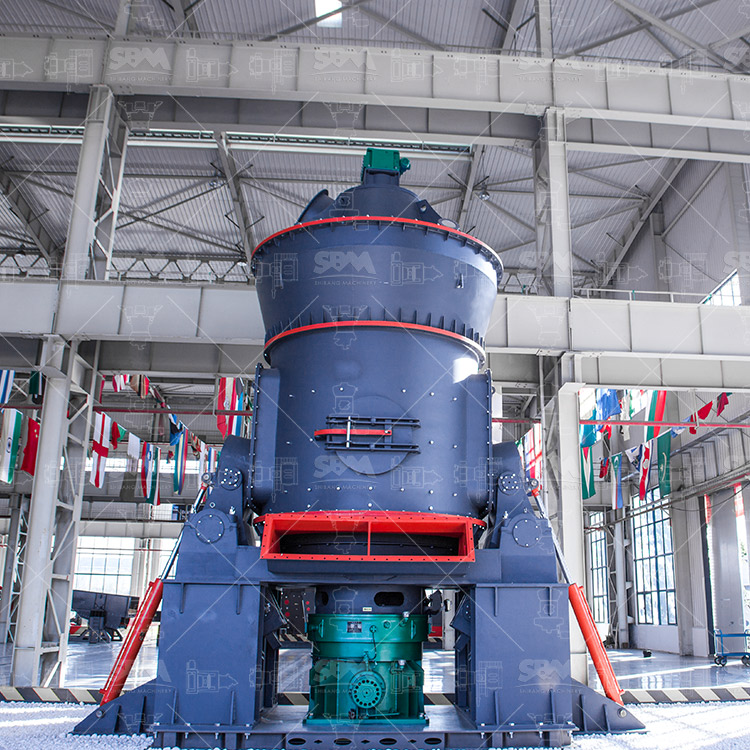
The SCM Series Ultrafine Mill is a popular choice for fine grinding applications, with an output fineness range of 325–2500 mesh (45–5 µm). Its working principle involves three layers of grinding rings rotating at high speed, while materials are crushed by roller pressure. The vertical turbine classifier ensures precise particle size cutting, which is essential for lime slag. With a capacity range of 0.5–25 ton/h depending on the model (SCM800 to SCM1680), the SCM series offers flexibility. However, lime slag’s abrasiveness may accelerate wear on the shaftless screw grinding chamber. We recommend this mill primarily for producing ultra-fine lime slag powders below 10 µm, where its high-precision classification excels.
Does the MTW Series European Trapezium Mill Handle Lime Slag?
The MTW Series European Trapezium Mill is designed for medium-fine grinding (30–325 mesh), with a maximum feed size of 50 mm. Its anti-wear shovel design and optimized arc air duct reduce energy loss and maintenance costs. The integral bevel gear drive delivers up to 98% transmission efficiency. For lime slag, the MTW series is a robust option, especially for coarser applications. Models like the MTW215G (capacity 15–45 t/h) can process slag at a fineness of 100–200 mesh with minimal wear. The wear-resistant volute structure reduces maintenance costs by 30%, making it suitable for continuous production. We recommend this mill for slag grinding where the target fineness is between 325–600 mesh.
Comparing the LM Series Vertical Roller Mill for High-Capacity Slag Processing
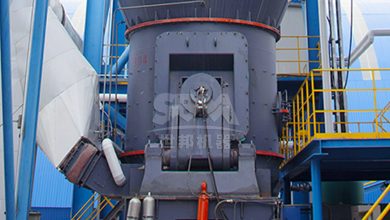
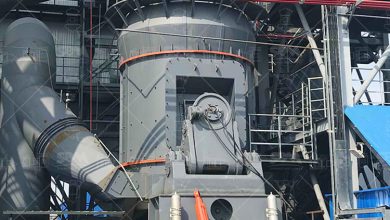
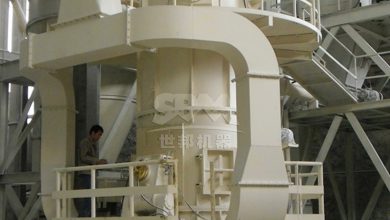
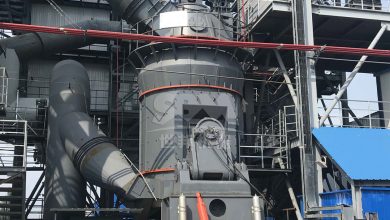
For large-scale lime slag grinding (10–250 t/h), the LM Series Vertical Roller Mill is our flagship solution. Its integrated design crushes, grinds, and classifies in one system, reducing floor space by 50%. The non-contact design between rollers and table extends wear part life by 3x compared to traditional ball mills. The LM190K, for example, offers a capacity of 23–68 t/h at a fineness of 170–40 µm. The slag-specific LM130N to LM370N models are engineered for materials with high moisture and specific surface area requirements. With intelligent control and fully sealed negative pressure operation, this mill is the most cost-effective choice for cement and steel plants processing lime slag.
Why Our Mills Are Engineered for Abrasive Materials
All our mills incorporate patented technologies that directly address lime slag grinding challenges:
- Internal suction oil lubrication (MTW series) prevents bearing contamination.
- Modular grinding roller assembly (LM series) allows quick replacement of worn parts.
- Dynamic classifier multi-stage adjustment (LM and SCM series) maintains consistent product quality even as feed changes.
- Pulse dust collection systems ensure emissions meet international standards.
These features make our mills not just capable, but optimal for lime slag processing.
Case Study: Successfully Grinding Lime Slag to 200 Mesh
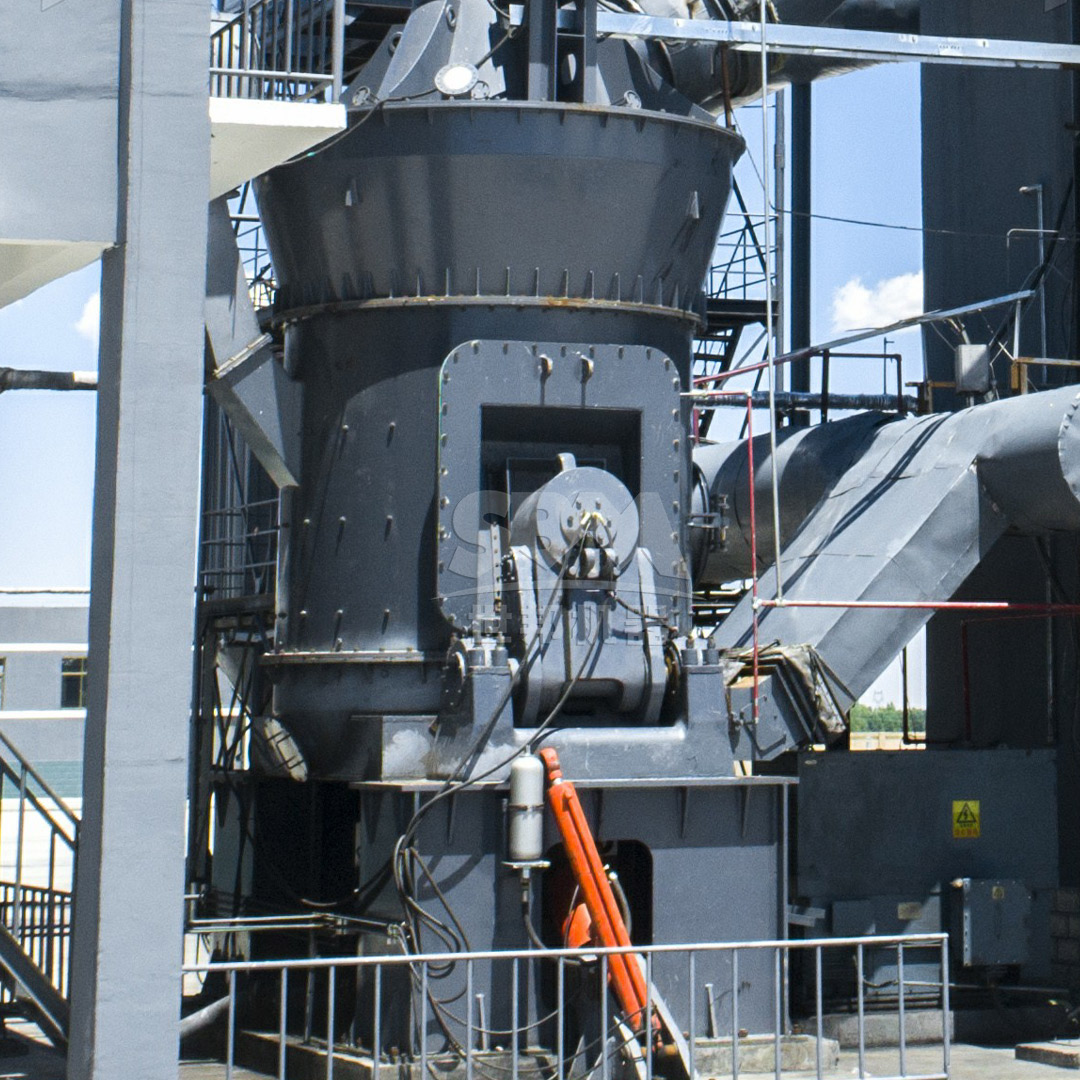
A steel plant in Southeast Asia approached us with a challenge: they needed to grind 12 tons per hour of wet lime slag (5% moisture) to a fineness of 80% passing 200 mesh (74 µm). We deployed an MTW138Z mill with a main power of 90 kW and a classifier power of 18.5 kW. The anti-wear shovel design allowed continuous operation for 2,500 hours before requiring roller replacement—a 40% improvement over the previous ball mill. The pulse dust collector maintained emissions below 20 mg/Nm³. The client reported a 25% reduction in energy costs and a 15% increase in throughput after switching to our system.
Practical Considerations for Selecting a Mill
When choosing a mill for lime slag, consider the following factors:
- Feed Size: If your slag is larger than 50 mm, consider pre-crushing with a hammer mill (e.g., PC4008-75) before feeding the main mill.
- Moisture Content: For wet slag, use a vertical mill with hot air drying (LM Series) or a trapezium mill with optimized air duct.
- Target Fineness: For ultra-fine (<20 µm), SCM or LUM series are ideal. For standard (45–150 µm), MTW or MTM series are more economical.
- Budget: MTW and MTM offer lower upfront costs, while LM provides better long-term ROI for high-capacity lines.
Maintenance Tips for Extending Mill Life
Lime slag grinding demands proactive maintenance. We recommend:
- Regular inspection of grinding rollers and rings every 500 hours.
- Using magnetic separators upstream to remove metallic contaminants.
- Monitoring classifier rotor wear to maintain cut point accuracy.
- Lubricating bearings with high-temperature grease rated for 200°C.
Our mills are designed with easy-access doors and quick-change components to minimize downtime.
Conclusion: A Definite Yes—With the Right Equipment
To answer the original question: yes, a hydrated lime grinding mill can process lime slag, provided it is engineered for abrasion resistance and classification precision. Our MTW, LM, and SCM series mills all possess the necessary features. For most industrial applications, we highly recommend the MTW Series European Trapezium Mill for its balance of cost, performance, and durability, or the LM Series Vertical Roller Mill for high-capacity, continuous production. Contact our team today for a custom feasibility study and mill selection based on your slag’s specific chemistry.