Calcium Powder Machinery Manufacturer Explains the Key Industries Using Ground Calcium Carbonate (GCC)
Introduction to Ground Calcium Carbonate (GCC)
Ground Calcium Carbonate (GCC) is one of the most versatile and widely used mineral fillers in the world. Produced by mechanically grinding natural limestone, marble, or chalk, GCC is valued for its brightness, whiteness, chemical purity, and cost-effectiveness. Unlike precipitated calcium carbonate (PCC), which is manufactured through a chemical process, GCC retains the natural crystal structure of the source rock, making it ideal for a broad spectrum of industrial applications.
As a professional calcium powder machinery manufacturer, we have observed the growing demand for high-quality GCC across multiple sectors. The fineness, particle size distribution, and surface treatment of GCC determine its performance in each application. To meet these diverse requirements, manufacturers rely on advanced grinding technologies such as ultrafine mills, vertical roller mills, and European trapezium mills.
Paper and Pulp Industry: The Largest Consumer
The paper industry remains the largest consumer of GCC, accounting for nearly 60% of global consumption. GCC is used as a filler and coating pigment in paper manufacturing. As a filler, it improves the opacity, brightness, and printability of paper while reducing the amount of expensive wood pulp required. As a coating pigment, GCC provides a smooth, glossy surface that enhances ink receptivity and color reproduction.
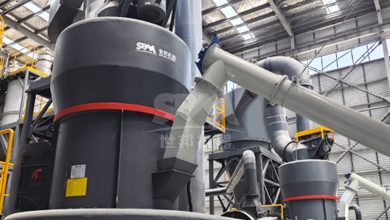
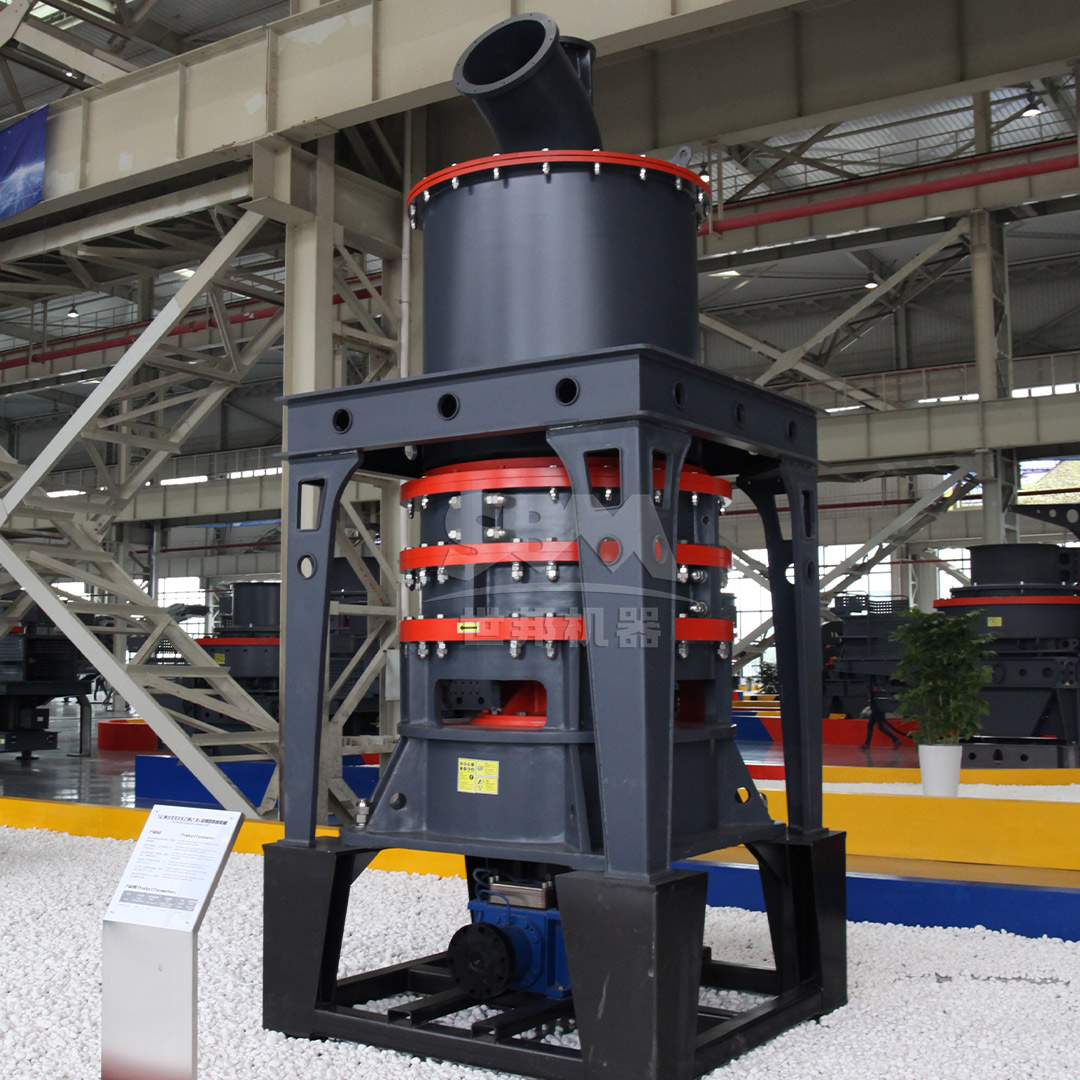
The fineness of GCC used in paper coating typically ranges from 60% to 90% passing 2 microns. This ultra-fine particle size requires high-performance grinding equipment. Our SCM Series Ultrafine Mill (45-5μm) is specifically designed for such demanding applications. With an output fineness of 325-2500 mesh (45-5μm) and capacity up to 25 ton/h, this mill delivers the precise particle size distribution required for premium paper grades. The vertical turbine classifier ensures no coarse powder mixing, guaranteeing uniform finished products—a critical requirement for paper coating applications.
Beyond filling and coating, GCC also plays a role in paper deacidification, ensuring the longevity of archival papers. The consistent quality achieved through modern milling equipment, such as the SCM series, has made GCC indispensable to the paper industry’s drive toward sustainability and cost reduction.
Plastics and Polymer Composites
In the plastics industry, GCC is used as a functional filler in products ranging from PVC pipes and profiles to masterbatch, films, and automotive parts. The addition of GCC enhances mechanical properties such as impact strength, stiffness, and dimensional stability while reducing production costs. For high-end applications like BOPP films and cable compounds, GCC with particle sizes below 5 microns and narrow distribution is required.
Surface-treated GCC with stearic acid or other coupling agents improves dispersion and compatibility with polymer matrices. This treatment reduces the agglomeration of particles and enhances the interfacial adhesion between the filler and polymer, resulting in superior product performance.
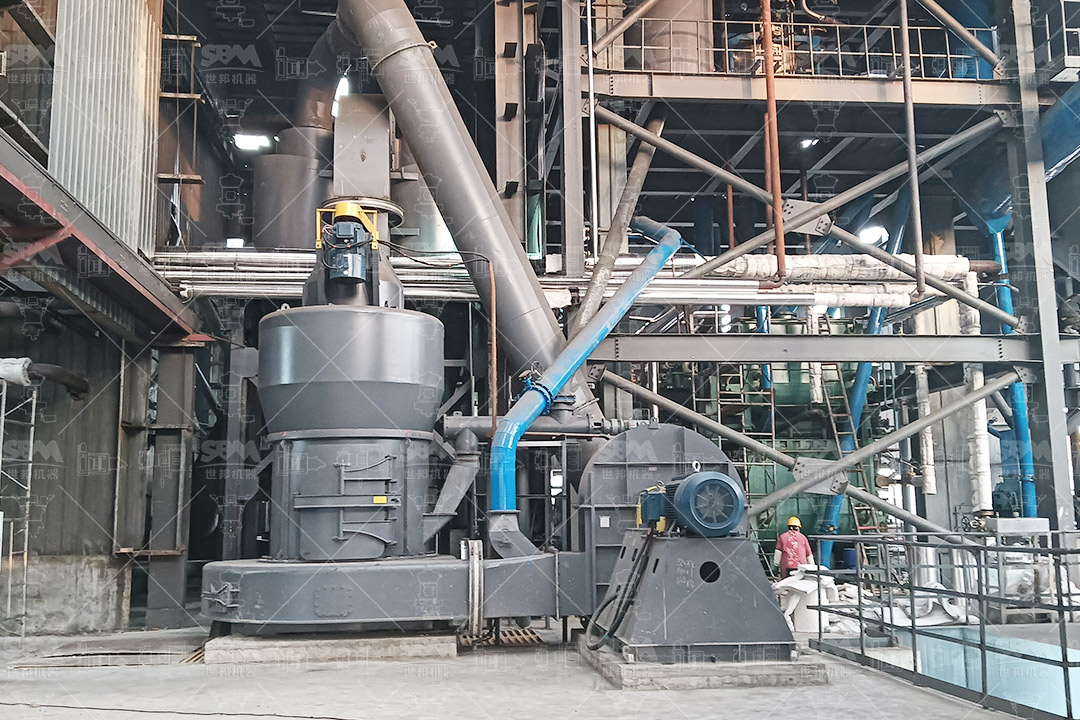
Our MTW Series European Trapezium Mill offers the versatility needed for plastic-grade GCC production. With an output fineness of 30-325 mesh (600-45μm) and capacity ranging from 3-45 ton/h, this mill is ideal for producing GCC that meets the stringent requirements of the plastics industry. The integral bevel gear drive achieves transmission efficiency up to 98%, reducing energy consumption and operational costs. The anti-wear shovel design extends grinding roller life, making the MTW mill a reliable choice for high-volume plastic compound producers.
Paints, Coatings, and Inks
GCC serves as a primary extender pigment in architectural paints, industrial coatings, primers, and printing inks. Its high brightness and low oil absorption make it an excellent choice for achieving high hiding power and gloss retention. In water-based paints, GCC improves brushability, scrub resistance, and weather resistance. In powder coatings, it acts as a filler that enhances flow and leveling properties.
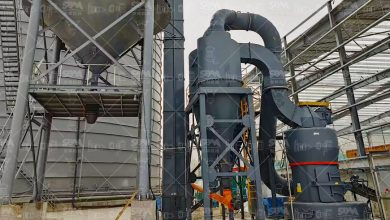
The requirement for paint-grade GCC is typically 90-95% passing 10 microns (d97 < 10μm) to ensure smooth film formation and rheological consistency. Our LUM Ultrafine Vertical Roller Mill is engineered for such fine grinding tasks. With an output fineness of 325-2500 mesh (45-5μm) and multi-rotor classification technology, the LUM mill ensures no coarse particles contaminate the final product, delivering the high purity and uniformity essential for premium paints and coatings.
Moreover, the use of GCC in coatings has expanded to functional applications, including anti-corrosive primers and reflective coatings for energy-efficient buildings. The trend toward low-VOC and high-solids formulations also demands GCC with consistent particle size and controlled moisture content—attributes achievable through our advanced milling systems.
Rubber and Elastomers
In rubber manufacturing, GCC is used as a reinforcing filler in both natural and synthetic rubber compounds. It improves tensile strength, tear resistance, and abrasion resistance while reducing the cost of more expensive reinforcing agents like carbon black. Applications include tire inner tubes, conveyor belts, seals, gaskets, and shoe soles.
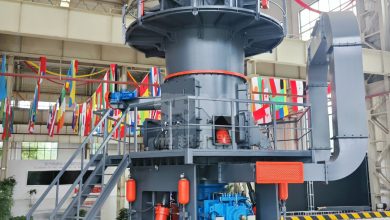
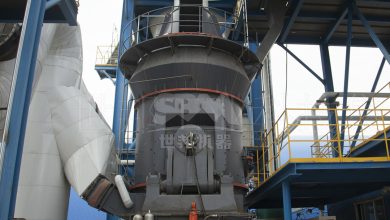
For rubber-grade GCC, particle sizes typically range from 1-10 microns, with a narrow distribution to achieve optimum reinforcement. Surface modification with fatty acids is often required to improve wetting and dispersion in the rubber matrix. The LM Series Vertical Roller Mill excels in producing the consistent, high-quality GCC demanded by rubber compounders. With its integrated design combining crushing, grinding, and selection, the LM mill reduces floor space by 50% and energy consumption by 30-40% compared to ball mill systems. The fully sealed negative pressure operation ensures zero dust leakage, meeting the strictest environmental standards—a growing priority in rubber manufacturing facilities.
Building Materials and Construction
The construction industry consumes significant quantities of GCC in various building materials. In dry-mix mortars, GCC acts as a filler that enhances workability, water retention, and adhesive strength. In self-leveling compounds, it provides dimensional stability and crack resistance. GCC is also essential in the production of artificial stone, terrazzo, and roofing materials, where its hardness and weather resistance add long-term durability.
In cement-based products, GCC accelerates the hydration process and improves early strength development. Its use in lightweight concrete blocks and panels reduces material density while maintaining structural integrity. The fineness requirement for construction-grade GCC varies widely, from 200 mesh for basic mortars to 800 mesh for decorative finishes.
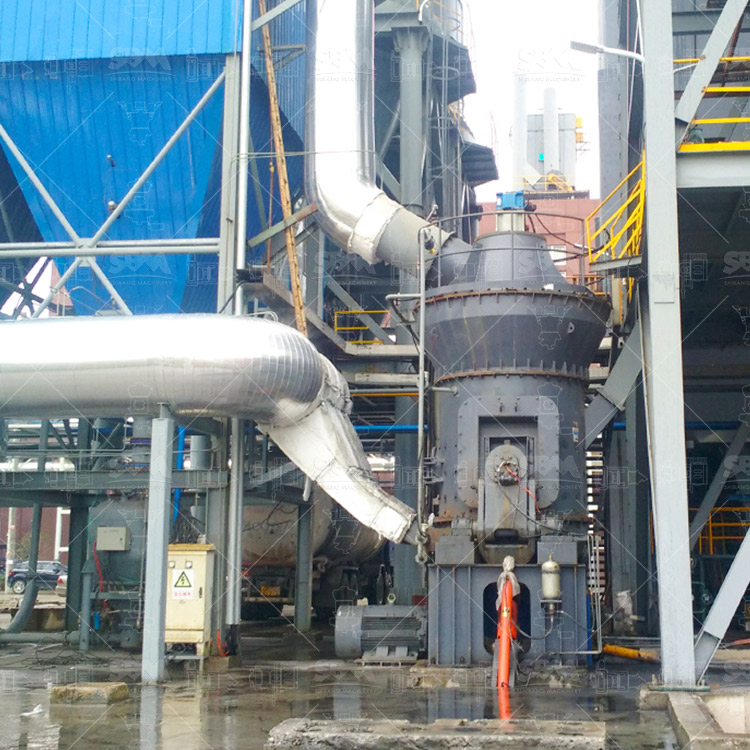
Our LM Vertical Roller Mill, with a capacity range of 3-250 ton/h, is ideally suited for high-volume construction material production. The non-contact design between rollers and table extends wear part life by three times, while the expert-level auto-control system supports remote monitoring and reduces manual intervention. Such reliability is critical for continuous cement and mortar production lines.
Agriculture and Environmental Applications
Beyond traditional industrial uses, GCC serves important functions in agriculture and environmental protection. In agriculture, it is applied as a soil conditioner to neutralize acidic soils, improve nutrient availability, and enhance soil structure. Finely ground GCC (typically 100-300 mesh) reacts more quickly with soil acids, providing faster pH adjustment.
In animal feed, GCC serves as a calcium supplement for poultry, cattle, and swine. Particle size and purity are crucial for bioavailability and feed flow properties. The feed-grade GCC usually requires fineness between 100-400 mesh with high calcium content (above 38%).
Environmental applications include water and wastewater treatment, where GCC is used for pH control, heavy metal precipitation, and flocculation aid. Flue gas desulfurization (FGD) systems in power plants consume large quantities of limestone and GCC for sulfur dioxide removal. These applications demand high-efficiency, high-capacity grinding equipment capable of processing large volumes at consistent quality.
Our MTM Series Medium-speed Trapezium Mill with a capacity of 3-22 ton/h and fineness range of 45-325 mesh is well-suited for agricultural and environmental GCC production. The intelligent pressure regulation system automatically compensates for roller wear, extending roller and ring life by 30%. The dual damping system minimizes resonance and noise, making the MTM mill ideal for facilities located near residential areas.
Personal Care and Pharmaceutical Applications
GCC finds use in toothpaste, cosmetics, and pharmaceutical tablets. In toothpaste, it provides gentle abrasive action to remove plaque and surface stains. The particle hardness and uniform size distribution are critical to avoid damaging tooth enamel. Cosmetic-grade GCC is used in foundations, powders, and creams as a bulking agent and to improve skin adherence.
In pharmaceuticals, GCC serves as a tablet filler and disintegrant. It is also used as a calcium supplement in antacid and bone health formulations. These applications require the highest purity grades of GCC, with strict control over heavy metal content and microbiological contamination. The ultra-fine grinding capabilities of our SCM Series Ultrafine Mill ensure the production of pharmaceutical-grade GCC with particle sizes typically below 10 microns, meeting the exacting standards of the health and personal care industries.
Food and Beverage Industry
Food-grade GCC is used as an anti-caking agent, pH regulator, and calcium fortifier in a variety of food products, including bakery goods, beverages, and dietary supplements. The food industry requires GCC that complies with food safety regulations, including specific purity standards and absence of contaminants. Grinding equipment must be constructed from food-safe materials and operate in a hygienic environment.
The production of food-grade GCC is a specialized niche that demands exceptional process control. Our machinery incorporates advanced features such as clean-in-place (CIP) capability, stainless steel contact surfaces, and temperature control to prevent degradation of the product. The intelligent control systems on our mills ensure consistent quality batch after batch, which is essential for food and beverage manufacturers.
Choosing the Right GCC Grinding Equipment
Selecting the appropriate grinding machinery is critical for manufacturers aiming to produce high-quality GCC for their target applications. Key factors to consider include:
1. Target Fineness: Different industries require different particle size distributions. Paper coating and plastic fillers need ultra-fine powders (d97 < 5μm), while construction materials may only require 200-500 mesh. The SCM Ultrafine Mill (325-2500 mesh) and LUM Ultrafine Vertical Roller Mill (325-2500 mesh) are ideal for the finest applications. MTW and LM series (30-600 mesh) cover the standard industrial grades.
2. Capacity Requirements: Production throughput determines the mill size and configuration. For large-scale operations exceeding 20 ton/h, the LM Vertical Roller Mill is the most economical choice. For medium capacities (5-25 ton/h), the MTW European Trapezium Mill and MTM Medium-speed Mill offer excellent performance. Smaller or specialty production benefits from the SCM Ultrafine Mill or LUM series.
3. Energy Efficiency: Grinding is energy-intensive. All our mills incorporate advanced design features to minimize power consumption. The LM Vertical Roller Mill reduces energy usage by 30-40% compared to traditional ball mills, while the SCM series consumes 30% less energy than jet mills.
4. Maintenance and Durability: Downtime is costly. Our mills feature wear-resistant components such as special material rollers and rings (SCM), anti-wear shovel designs (MTW), and non-contact roller designs (LM), all of which extend service intervals and reduce maintenance costs.
5. Environmental Compliance: Modern industrial operations must meet stringent environmental regulations. Our mills incorporate pulse dust collectors with efficiency exceeding international standards (SCM, MTM), fully sealed negative pressure systems (LM), and soundproof room designs to ensure noise levels remain compliant.
Conclusion
Ground Calcium Carbonate is truly a multi-functional mineral that underpins countless industries, from paper and plastics to agriculture and pharmaceuticals. As the demand for higher quality and more finely ground GCC grows, the role of advanced calcium powder machinery becomes increasingly critical. At our company, we are committed to providing cutting-edge grinding solutions that meet the evolving needs of GCC producers worldwide.
Our comprehensive product line—including the SCM Series Ultrafine Mill, MTW Series European Trapezium Mill, and LM Series Vertical Roller Mill—covers every fineness range and capacity requirement in the GCC industry. Whether you are producing filler for premium paper, extenders for automotive plastics, or additives for food products, we have the technology to help you succeed.
We encourage you to contact our engineering team to discuss your specific GCC production requirements. Our experts will guide you in selecting the optimal grinding solution, backed by our decades of experience and commitment to innovation in calcium carbonate processing.