
Which Grinding Mill is Suitable for Guangxi Large Calcite Powder Production Line?
Introduction: The Calcite Landscape of Guangxi
Guangxi Zhuang Autonomous Region, renowned for its vast and high-purity calcite reserves, is a pivotal hub for calcium carbonate powder production in China and globally. The region’s calcite is characterized by its high whiteness, low impurities, and excellent crystallinity, making it ideal for premium applications in plastics, paints, coatings, paper, and construction materials. Establishing a large-scale, efficient, and profitable production line in this competitive market hinges on one critical decision: selecting the most suitable grinding mill. The choice must balance output fineness, production capacity, energy efficiency, and long-term operational stability to meet both current market demands and future expansion.
This article provides a professional analysis of grinding technologies for large calcite powder production lines in Guangxi, focusing on key technical parameters and operational economics. We will explore various mill types and, based on specific production goals, recommend optimal solutions from our comprehensive product portfolio.
Key Considerations for Mill Selection in Calcite Processing
Selecting equipment for a large calcite line requires a detailed evaluation of multiple factors:
1. Target Product Fineness and Distribution
Calcite powder is categorized by mesh size: coarse (200-325 mesh), fine (400-800 mesh), and ultrafine (1250-2500 mesh and above). Different applications require precise particle size control and a narrow distribution. For instance, paper coating demands ultrafine powder with a tight cut, while PVC filler may accept a slightly broader range. The mill’s classification system is paramount here.
2. Required Production Capacity
“Large-scale” in Guangxi’s context often means capacities ranging from 10 to over 50 tons per hour for finished product. The mill must not only achieve the target fineness but do so consistently at the designed throughput without becoming a bottleneck.
3. Energy Consumption and Operational Cost
Grinding is inherently energy-intensive. The specific energy consumption (kWh/ton) is a primary determinant of long-term profitability. Mills with higher grinding efficiency and integrated intelligent control systems offer significant cost advantages.
4. System Stability and Maintenance
Large lines require high equipment availability. Wear part longevity, maintenance intervals, and the simplicity of replacement procedures directly impact downtime and maintenance costs. A robust, durable design is non-negotiable for continuous operation.
5. Environmental Compliance
Modern production must adhere to strict environmental standards. This includes efficient dust collection to achieve near-zero emissions and effective noise control measures to meet local regulations.
Analysis of Common Grinding Mill Types for Calcite
Here we evaluate several grinding technologies against the above criteria:
Raymond Mill (Traditional Pendulum Mill)
Suitable for producing coarse to medium-fine powder (30-325 mesh). While cost-effective for lower capacities, its energy efficiency drops significantly for finer grinds, and it often struggles with the precise classification needed for high-value ultrafine products. For large, modern lines aiming for premium markets, it is often a secondary or preliminary grinding option.
Ball Mill
A workhorse for wet or dry grinding to medium fineness (0.074-0.8mm). It offers large capacity and reliability. However, for producing ultrafine calcite (<10μm), its efficiency is low, energy consumption is high, and the particle size distribution can be wide without an external classifier. It is more commonly used in slurry processing or as a pre-grinder.
Vertical Roller Mill (VRM)
This technology has gained prominence for large-scale mineral grinding. It integrates grinding, drying, and classification, offering excellent energy efficiency (30-40% lower than ball mills) and a compact footprint. It excels in the 30-325 mesh range and can be configured for finer outputs.
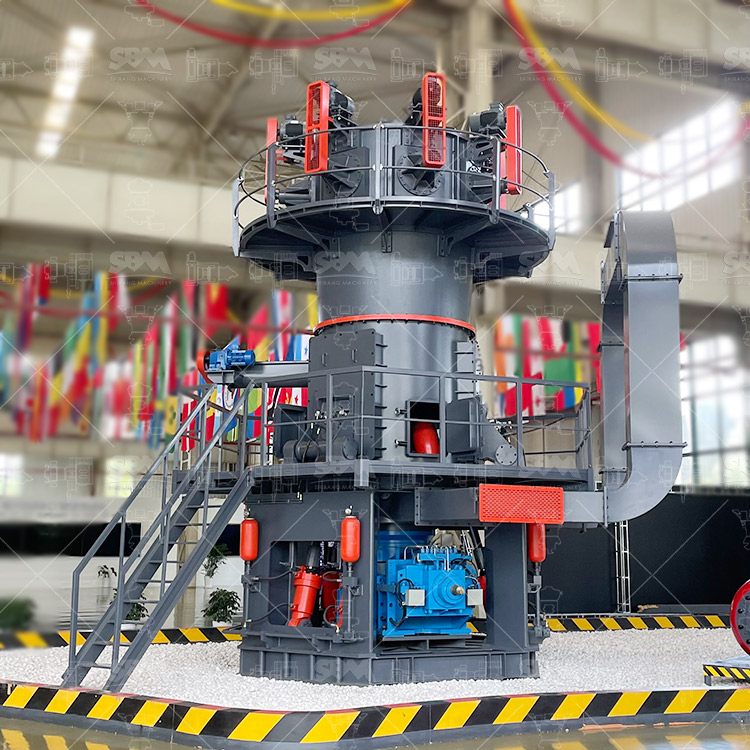
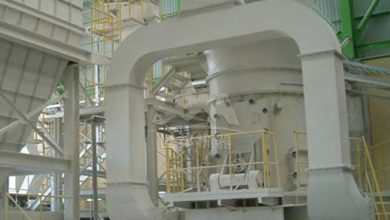
For a large calcite line targeting high-volume production of fine powder (e.g., 400-600 mesh), a Vertical Roller Mill like our LM Series presents a compelling solution. Its integrated design reduces plant space by 50%, and its low-wear operation and intelligent control system ensure stable, cost-effective output. The LM190K or LM220K models, with capacities from 23 to 105 t/h, are particularly well-suited for such large-scale projects in Guangxi, providing a perfect balance of scale, efficiency, and product quality.
Ultrafine Grinding Mill
This category includes mills specifically engineered to produce powder in the 325-2500 mesh range. They typically employ a combination of mechanical force (roller pressure) and precise air classification. This is the technology of choice for producing high-value ultrafine and modified calcite powder.
Recommended Solution for Large Ultrafine Calcite Production
For Guangxi producers aiming to dominate the high-end market with large volumes of ultrafine calcite powder (e.g., 800-2500 mesh), the most technologically advanced and economically sound choice is an ultrafine grinding mill with a high-precision classifier.
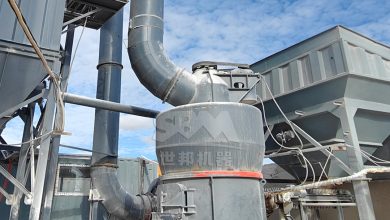
We highly recommend our flagship SCM Series Ultrafine Mill for this application. Engineered for high efficiency and precision, it is the ideal core equipment for a world-class calcite production line.
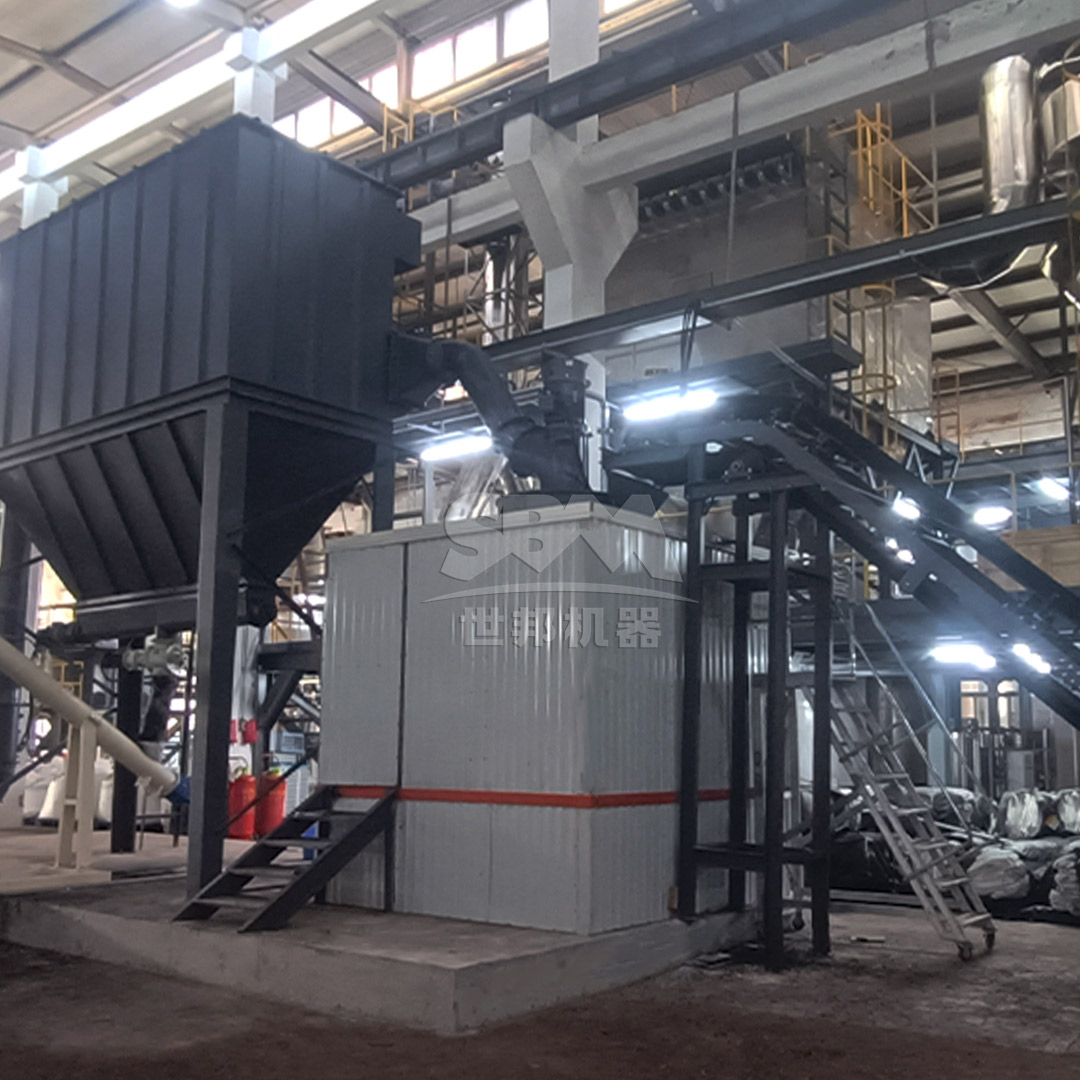
Why the SCM Series Ultrafine Mill is the Optimal Choice:
1. Unmatched Efficiency for Large Scale: The SCM mill delivers a capacity that is twice that of traditional jet mills while consuming 30% less energy. For a large plant, this translates directly to superior throughput and significantly lower operating costs. Models like the SCM1250 (2.5-14 t/h) and SCM1680 (5-25 t/h) are designed to meet the massive capacity requirements of Guangxi’s major producers.
2. Superior Product Quality: Its vertical turbine classifier achieves precise particle size cutting, ensuring a uniform finished product with no coarse powder mixing. This is critical for applications requiring consistent performance, such as high-grade plastics and paints.
3. Built for Durability and Low Maintenance: The grinding rollers and rings are made from special wear-resistant materials, extending service life several times over. The shaftless screw design in the grinding chamber enhances operational stability, reducing unplanned downtime—a key factor for continuous large-scale production.
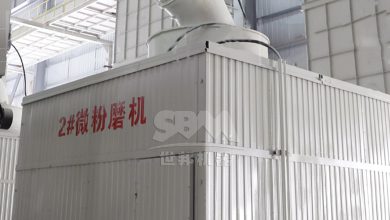
4. Environmentally Friendly Design: The mill system incorporates a pulse dust collector with efficiency exceeding international standards and a soundproof room design, ensuring the production line fully complies with Guangxi’s environmental regulations.
System Configuration for a Complete Production Line
A complete large calcite powder line involves more than just the grinding mill. A typical configuration with an SCM Series Ultrafine Mill would include:
- Raw Material Handling: Crusher (e.g., Jaw Crusher) to reduce mined calcite to ≤20mm.
- Grinding System: SCM Series Ultrafine Mill (Core Equipment).
- Classification System: Integrated high-precision turbine classifier within the SCM mill.
- Product Collection: Cyclone collector and pulse bag dust removal system.
- Modification (Optional): Surface coating system for producing activated calcium carbonate.
- Packaging & Automation: Automated weighing and packing machines, controlled by a central PLC system.
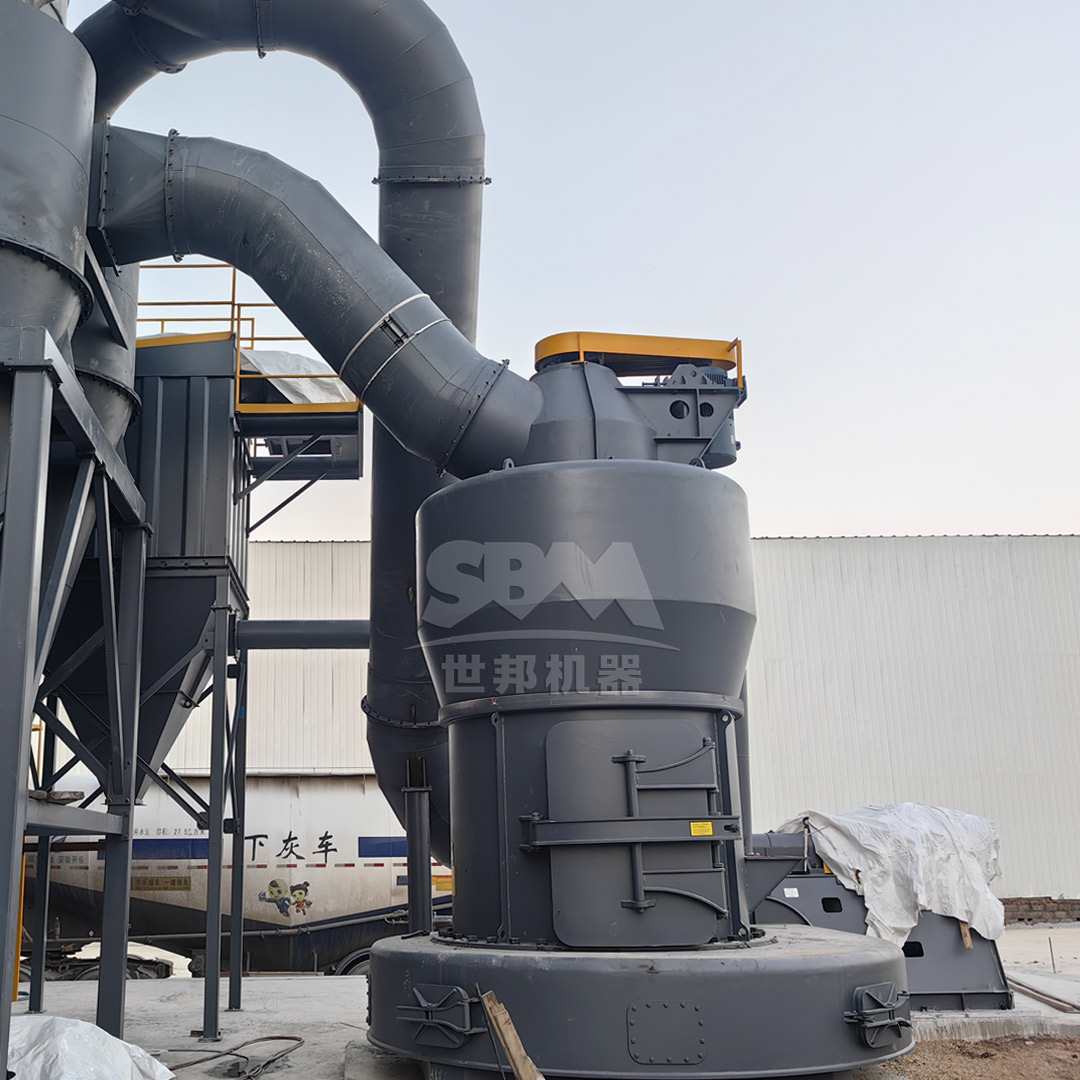
Conclusion: Investing in the Right Technology
The success of a large calcite powder production line in Guangxi’s competitive market is fundamentally linked to the selection of grinding technology. While several mill types have their place, for large-scale production of high-value ultrafine calcite powder, advanced ultrafine grinding mills represent the optimal investment.
Our SCM Series Ultrafine Mill stands out as a technologically superior solution, offering the perfect synergy of large capacity, exceptional energy efficiency, precise classification, and operational reliability. For projects requiring very high volume output of fine powder (30-325 mesh), our LM Series Vertical Roller Mill offers an equally robust and efficient alternative. By choosing equipment engineered for performance and longevity, Guangxi’s calcite producers can build a sustainable competitive advantage, ensuring profitability and market leadership for years to come.