Production Process and Application Value Analysis of Drilling-Grade Barite Powder
1. Introduction: The Critical Role of Barite in Modern Drilling Operations
Drilling-grade barite (barium sulfate, BaSO4) is an indispensable weighting agent in the oil and gas industry. Its primary function is to increase the density of drilling fluids (mud) to control subsurface pressures, prevent blowouts, and stabilize the wellbore. The quality of barite powder, particularly its specific gravity, particle size distribution, and chemical purity, directly impacts drilling safety, efficiency, and cost. This article delves into the production process of high-quality drilling-grade barite powder and analyzes its application value, highlighting how advanced milling technology is pivotal in meeting stringent API (American Petroleum Institute) and OCMA (Oil Companies Materials Association) specifications.
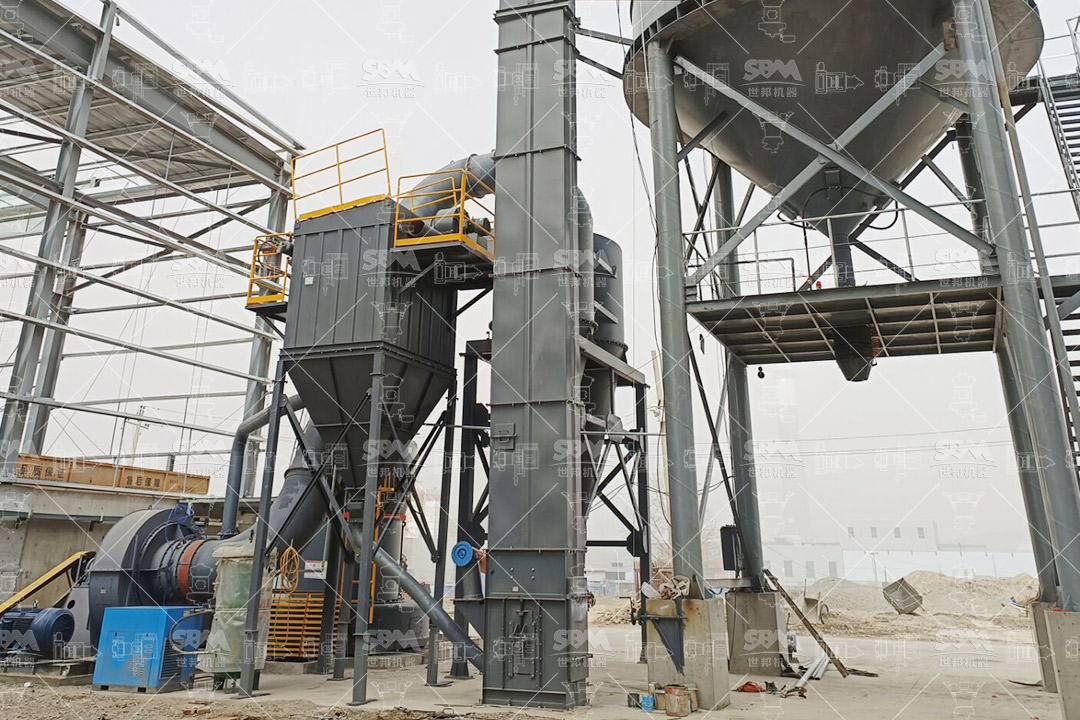
2. Production Process of Drilling-Grade Barite Powder
The transformation of raw barite ore into API-grade powder is a multi-stage process demanding precision and consistency.
2.1. Beneficiation and Crushing
Raw barite ore, often containing impurities like quartz, iron oxides, and other silicates, undergoes beneficiation. This typically involves gravity separation (jigging, tabling) to increase the BaSO4 content to a minimum of 92-94%. The beneficiated ore is then primary crushed to a manageable size (typically below 50mm) using jaw crushers or hammer mills.
2.2. The Core Stage: Fine and Ultrafine Grinding
This is the most critical phase, determining the final product’s fineness and rheological properties. The target is to produce a powder where at least 97% passes through a 75-micron (200-mesh) sieve and 70-85% passes through a 45-micron (325-mesh) sieve, as per API 13A specifications. Achieving this tight particle size distribution while maximizing throughput and minimizing energy consumption requires specialized grinding equipment.
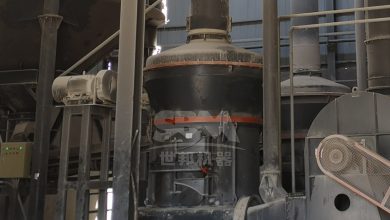
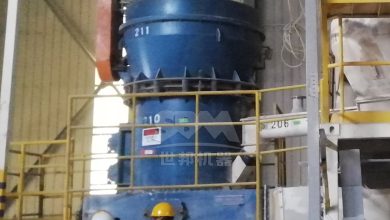
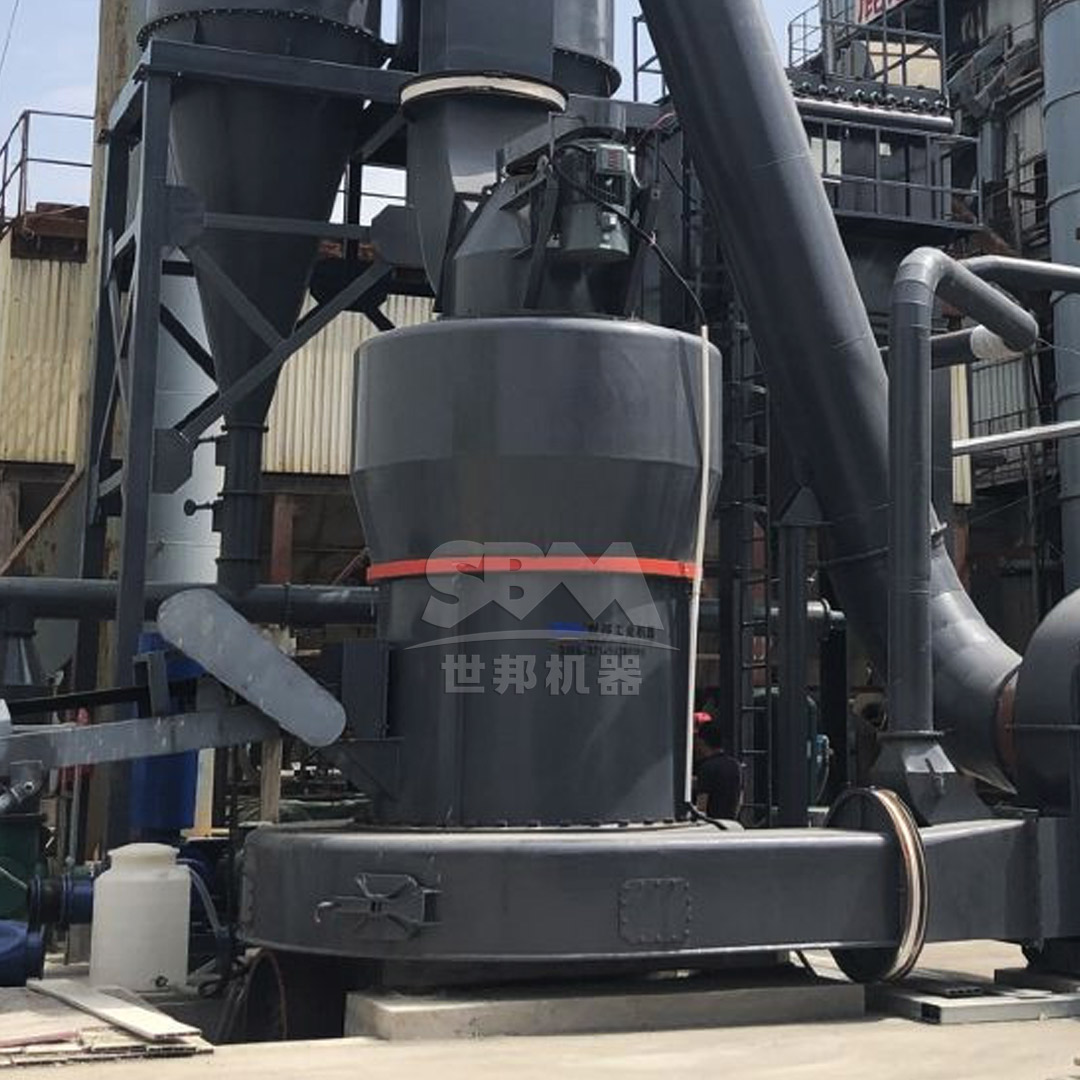
Traditional ball mills can be used but often lack the energy efficiency and precise classification needed for optimal results. Modern production lines favor advanced milling systems that offer superior control over particle size and shape. For high-capacity production of standard drilling-grade barite (30-325 mesh), the MTW Series European Trapezium Mill is an exemplary solution. Its anti-wear shovel design and optimized arc air duct ensure efficient grinding of ≤50mm feed material into a consistent 30-325 mesh powder with capacities ranging from 3 to 45 tons per hour. The integral bevel gear drive offers high transmission efficiency (up to 98%), significantly reducing operational costs for large-scale barite processing plants.
2.3. Drying and Classification
The ground barite slurry (if wet processed) or powder is dried to reduce moisture content below 1%. Following drying, precise air classification is employed to remove oversize particles and ensure the final product meets the specified particle size distribution. This step is crucial as excessive fines can increase viscosity, while coarse particles can lead to settling and abrasion of drilling equipment.
2.4. Quality Control and Packaging
The final powder is rigorously tested for specific gravity (must be ≥4.20 g/cm³), soluble alkaline earth metals, and particle size distribution. After passing QC, the barite is packaged in bulk bags or stored in silos for bulk shipment to drilling mud service companies.
3. Application Value Analysis
The value of high-quality drilling-grade barite extends far beyond its simple function as a weighting agent.
3.1. Enhancing Drilling Safety and Well Control
The primary value is safety. A properly weighted mud column is the first line of defense against formation fluid influx (kicks), which can lead to dangerous blowouts. Consistent, high-specific-gravity barite allows for accurate mud weight management, ensuring wellbore stability in various geological formations.
3.2. Improving Operational Efficiency
Barite with an optimal particle size distribution improves the rheology of the drilling fluid. It minimizes sagging (settling of solids), reduces pump pressure requirements, and allows for efficient cuttings removal. This leads to faster rate of penetration (ROP), reduced non-productive time, and lower overall drilling costs.
3.3. Economic and Supply Chain Value
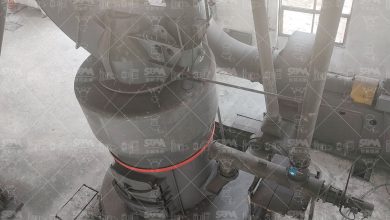
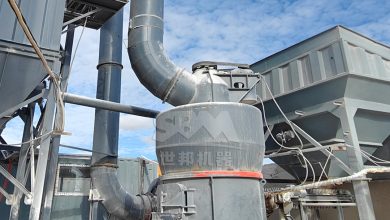
Barite is a cost-effective weighting material compared to alternatives like hematite or ilmenite. Its chemical inertness and non-magnetic properties make it a reliable choice. Efficient production using advanced mills like the SCM Series Ultrafine Mill adds significant value. For producers aiming to supply higher-value barite for specialized applications or to achieve exceptional fineness consistency, the SCM800 to SCM1680 models are ideal. They can process ≤20mm feed into 325-2500 mesh powder with high efficiency and energy savings (30% lower than jet mills), and their durable design with special material rollers ensures low maintenance costs, providing a strong return on investment for premium product lines.
3.4. Environmental Considerations
Modern barite processing, utilizing enclosed milling systems with efficient pulse dust collectors (exceeding 99.9% efficiency), minimizes dust emissions. Low-noise mill designs also contribute to a reduced environmental footprint, aligning with increasingly strict industry regulations.
4. Conclusion
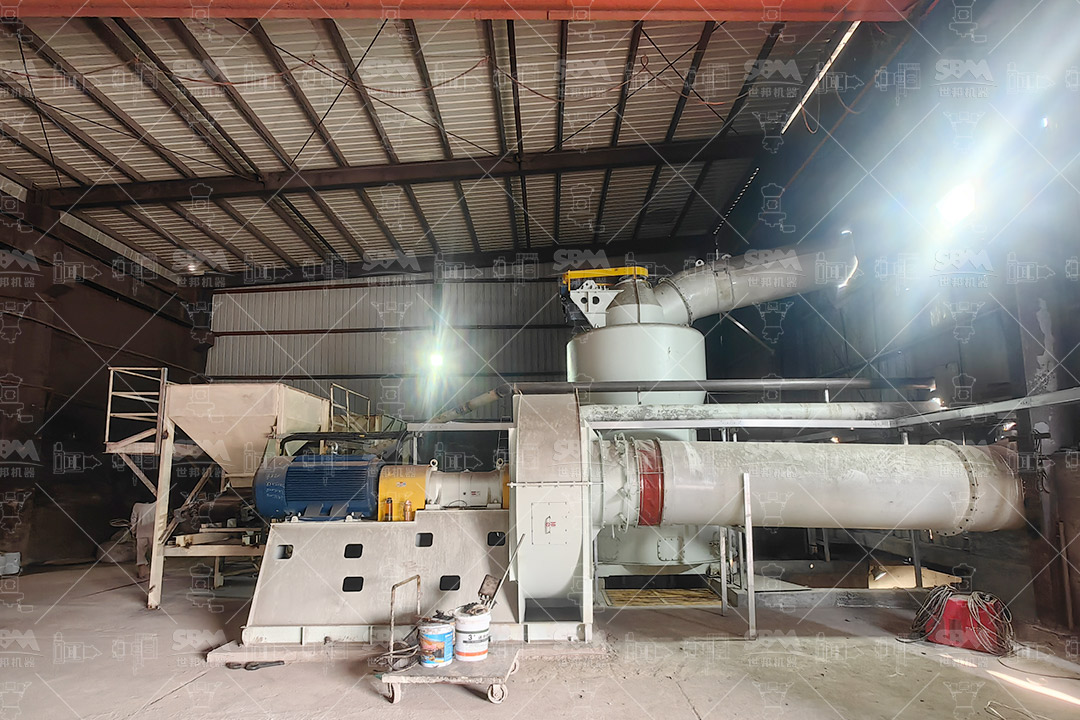
The production of drilling-grade barite powder is a sophisticated process where technology defines quality. The transition from simple crushing to precision grinding and classification is key to unlocking the full application value of barite—enhancing safety, efficiency, and economics in global drilling operations. Investing in advanced milling technology, such as the high-capacity MTW Series European Trapezium Mill for standard grades or the precision-focused SCM Series Ultrafine Mill for specialized products, is not merely an equipment purchase but a strategic decision to produce superior, specification-compliant barite that meets the demanding needs of the modern energy sector. As drilling environments become more challenging, the role of consistently high-quality barite, produced through efficient and reliable processes, will only grow in importance.