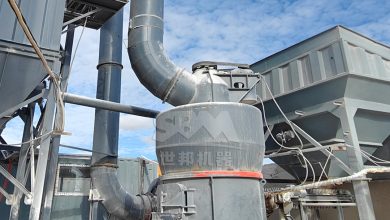
Limestone Deep Processing Products List and Industry Outlook Analysis
Introduction: The Strategic Importance of Limestone Deep Processing
Limestone, a fundamental sedimentary rock composed primarily of calcium carbonate (CaCO3), is one of the most versatile and widely used industrial minerals globally. Its applications extend far beyond traditional construction aggregates and cement production. Deep processing—transforming raw limestone into high-purity, ultra-fine, and functionally modified powders—unlocks immense value across advanced industries. This process enhances physical and chemical properties, enabling limestone to serve as a critical raw material in plastics, paints, coatings, pharmaceuticals, food additives, environmental remediation, and advanced composites. The global push for sustainable, high-performance materials has positioned limestone deep processing at the forefront of industrial mineral innovation, driving demand for sophisticated grinding, classification, and modification technologies.
Core Products of Limestone Deep Processing
The value chain of limestone deep processing yields a diverse portfolio of products, categorized primarily by particle size (fineness), chemical purity, and surface treatment.
1. Ground Calcium Carbonate (GCC)
GCC is produced by mechanically crushing and grinding high-calcium limestone to various fineness levels. It is the workhorse of the industry.
- Coarse GCC (45-600μm / 30-325 mesh): Used in animal feed, soil conditioning, and as a filler in asphalt and construction materials.
- Fine GCC (10-45μm / 325-1250 mesh): A key filler and extender in plastics (masterbatch), paints, sealants, and adhesives, improving mechanical properties and reducing cost.
- Ultra-fine GCC (1-10μm / 1250-10000 mesh): Demanded for high-gloss paints, premium paper coatings, high-performance plastics, and rubber, where particle size distribution critically affects performance.
2. Precipitated Calcium Carbonate (PCC)
PCC is synthesized through a chemical process (carbonation), resulting in purer, more controlled crystal forms (calcite, aragonite, vaterite). It offers superior brightness, narrow particle size distribution, and specific morphology for specialized applications in paper, high-end plastics, pharmaceuticals, and food.
3. Surface Modified Calcium Carbonate
GCC or PCC particles are treated with coupling agents (e.g., stearic acid, titanates, silanes) to improve compatibility with organic polymer matrices. This enhances dispersion, mechanical strength, and impact resistance in composite materials, significantly expanding application scope.
4. High-Purity & Specialty Grades
Products with exceptionally low levels of silica, iron, and other impurities for pharmaceuticals (excipients), food (additive E170), and high-tech ceramics.
Critical Technology for Deep Processing: Grinding and Classification Systems
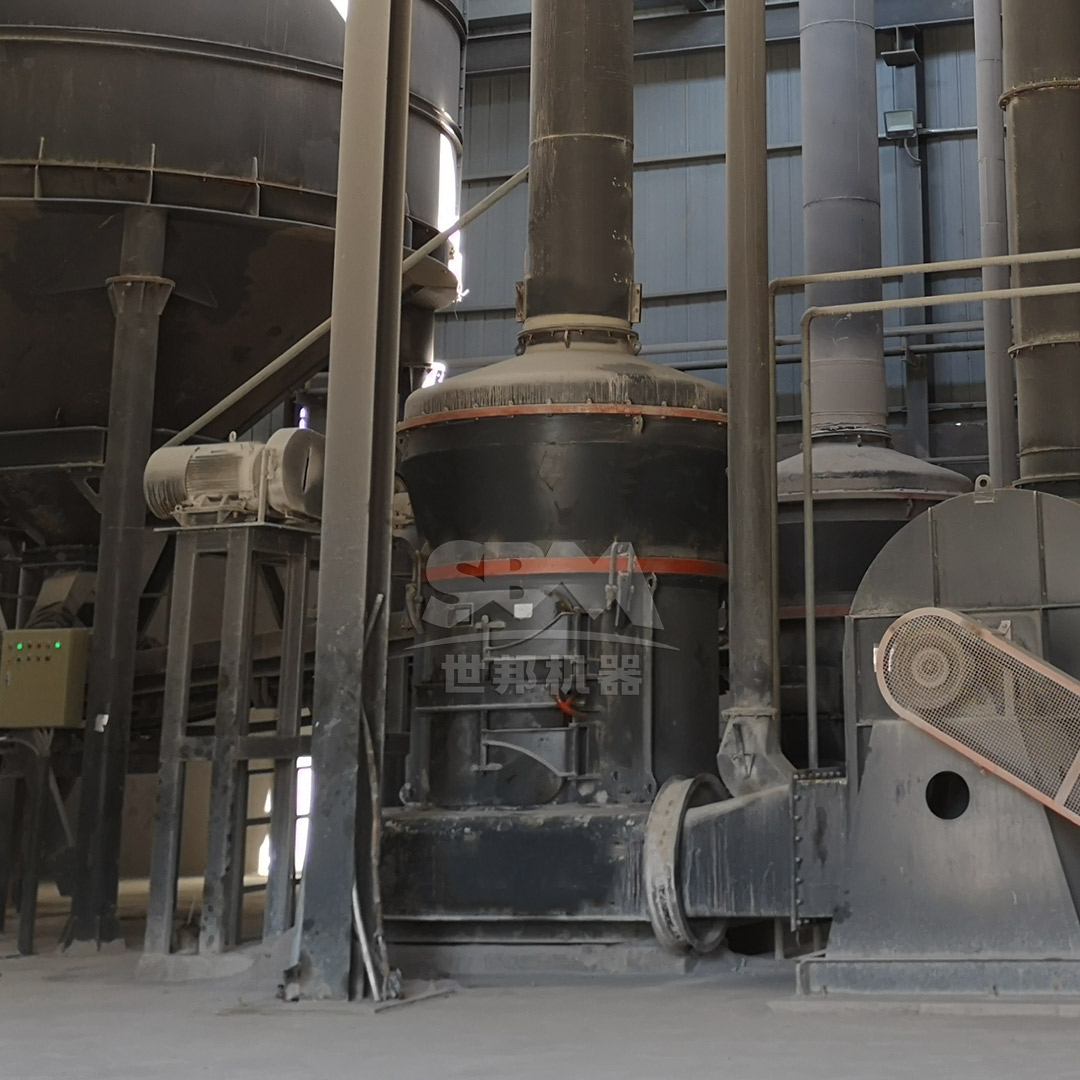
The heart of any limestone deep processing plant is its comminution circuit. The choice of grinding technology directly determines product fineness, particle shape, energy efficiency, and overall economic viability. The industry has evolved from simple ball mills to highly efficient, integrated systems.
Key Equipment Categories:
- Vertical Roller Mills (VRM): Ideal for medium to large-scale production of fine powders (30-325 mesh). They offer integrated drying, grinding, and classification with superior energy efficiency.
- Ultrafine Grinding Mills: Technologies like ring roller mills, stirred media mills, and jet mills are essential for producing micron and sub-micron powders (45μm down to 5μm or less).
- Classifiers: Dynamic air classifiers are integral for precise particle size cuts, ensuring a tight and consistent product distribution.
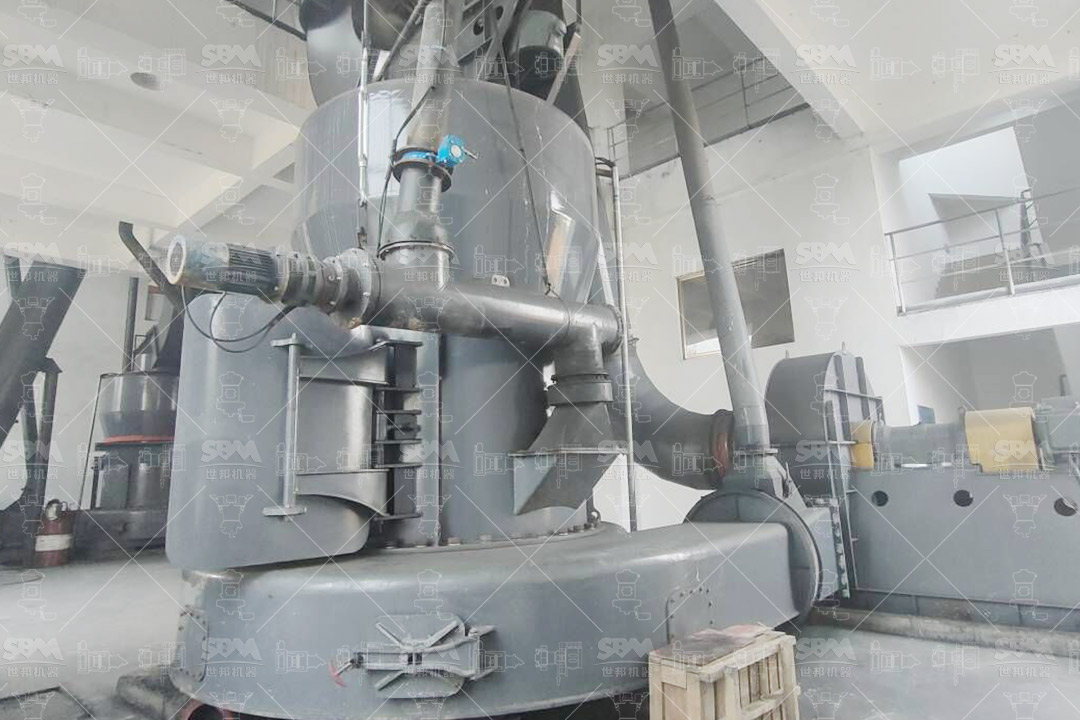
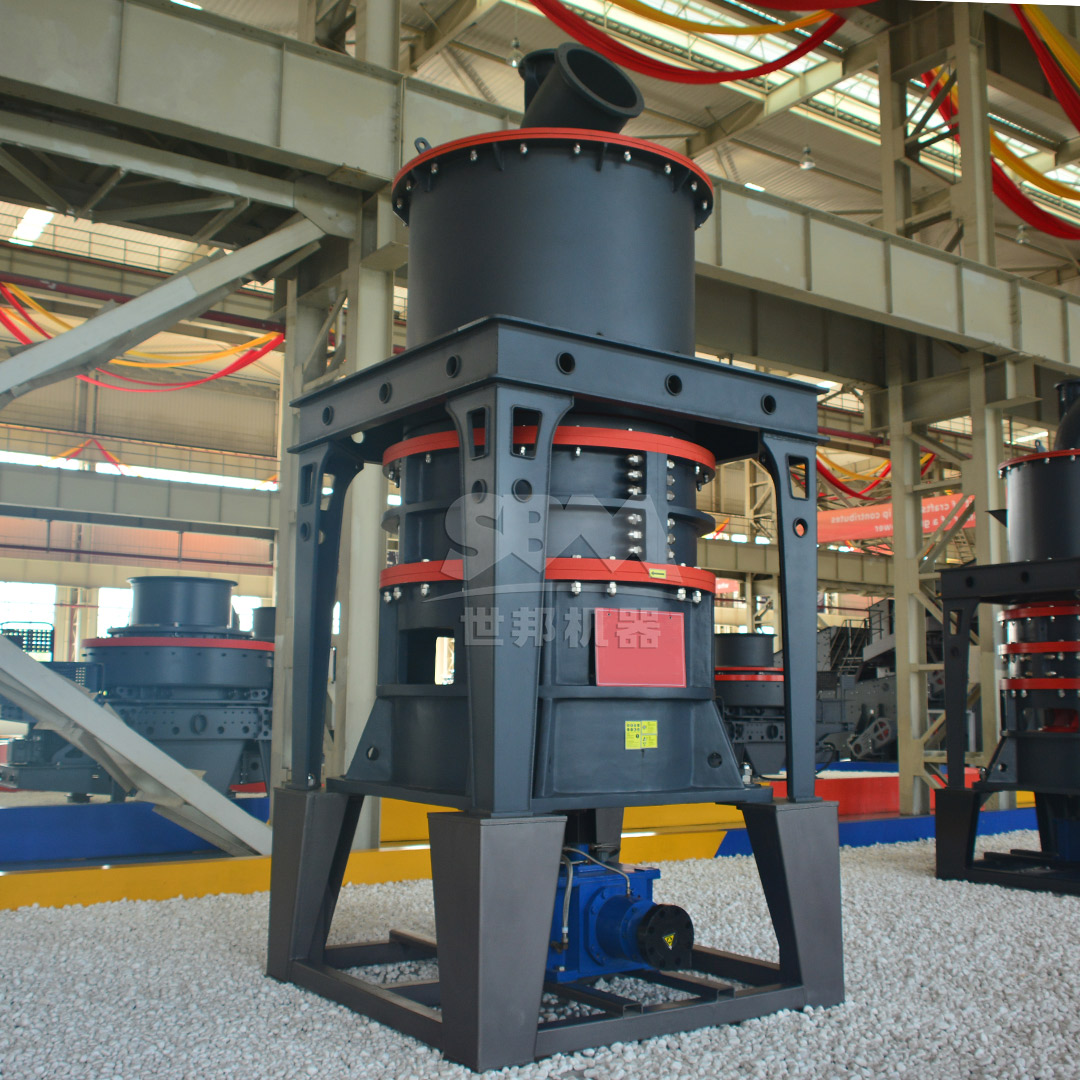
For producers aiming to capture the high-value ultra-fine GCC market, selecting the right mill is paramount. In this regard, our SCM Series Ultrafine Mill represents a technological benchmark. Engineered for producing powders between 325 and 2500 mesh (45-5μm), it combines high efficiency with remarkable precision. Its vertical turbine classifier ensures no coarse powder mixing, delivering a uniformly fine product critical for premium applications. Furthermore, its intelligent control system with automatic granularity feedback and eco-friendly design with high-efficiency pulse dust collection makes it an ideal, future-proof investment for modern limestone processing plants seeking to minimize operational costs and environmental footprint.
Industry Outlook and Market Drivers
The global market for processed limestone, especially GCC, is on a robust growth trajectory, projected to continue expanding at a significant CAGR. Several interconnected drivers underpin this positive outlook.
1. Substitution and Sustainability
Calcium carbonate is increasingly replacing more expensive and less sustainable materials like titanium dioxide (TiO2) in plastics and paints, and wood pulp in paper. As a natural, abundant, and non-toxic mineral, it aligns perfectly with global circular economy and sustainability goals.
2. Performance Enhancement in Polymers
The automotive, packaging, and consumer goods industries demand lighter, stronger, and more cost-effective plastic composites. Surface-modified GCC enhances polymer properties, driving its adoption in polypropylene (PP), polyvinyl chloride (PVC), and polyethylene (PE).
3. Infrastructure and Construction Boom
Global infrastructure development, particularly in emerging economies, fuels demand for construction materials, sealants, and coatings where GCC is a key component.
4. Technological Advancements in Processing
Innovations in grinding technology, like our LM Series Vertical Roller Mill, are making deep processing more accessible and economical. The LM series, with its integrated design that reduces floor space by 50% and lowers energy consumption by 30-40% compared to traditional ball mills, exemplifies this trend. Its ability to handle large capacities (up to 250 ton/h) and produce consistent fineness makes it a cornerstone for large-scale, cost-effective production of fine limestone powders, directly enabling producers to scale and meet growing market demand efficiently.
Challenges and Strategic Considerations
Despite the optimistic outlook, industry players must navigate several challenges:
- High Energy Consumption: Fine and ultra-fine grinding is energy-intensive. Investing in high-efficiency mills is no longer an option but a necessity for competitiveness.
- Quality Consistency: Meeting stringent specifications for particle size distribution, brightness, and chemical purity requires advanced process control and consistent raw material feed.
- Environmental Regulations: Stricter emissions and noise control standards necessitate closed-loop, dust-free milling systems.
- Market Differentiation: Moving away from commoditized coarse products to specialized, high-margin powders requires technical expertise and customer collaboration.
Conclusion: The Path Forward
The limestone deep processing industry stands at an inflection point, driven by material science advancements and sustainability imperatives. The future belongs to producers who can reliably manufacture high-value, specification-grade powders. Success hinges on strategic investments in core processing technology—specifically, energy-efficient, precise, and automated grinding systems. Equipment like the SCM Ultrafine Mill for premium ultra-fine products and the LM Vertical Roller Mill for high-volume fine powder production are not merely tools but strategic assets. They enable producers to reduce operational costs, ensure product quality, minimize environmental impact, and ultimately, secure a competitive advantage in the dynamic and value-driven market for advanced limestone products. By leveraging such technologies, the industry can fully realize the potential of this ancient mineral in the modern world.