How to Process Lead-Zinc Smelting Slag and Its Utilization Value
Introduction: The Challenge and Opportunity of Lead-Zinc Smelting Slag
The global lead-zinc industry generates millions of tons of smelting slag annually, a by-product historically viewed as a significant environmental liability. This material, rich in residual metals like lead, zinc, copper, and iron, alongside valuable components such as silica and alumina, poses challenges in storage and potential for soil and water contamination. However, with advancements in processing technology, this ‘waste’ is being re-evaluated as a valuable secondary resource. Effective processing not only mitigates environmental risks but also unlocks substantial economic value, contributing to the principles of a circular economy. This article explores modern methods for processing lead-zinc smelting slag and highlights its diverse utilization pathways.
Characterization and Pre-Treatment of Smelting Slag
Before processing, a thorough characterization is essential. Lead-zinc slag is typically a vitreous, granulated material with a complex mineralogical structure. Key analyses include chemical composition (XRF), mineral phase identification (XRD), and particle size distribution. Pre-treatment often involves crushing and grinding to liberate encapsulated metal particles and increase the surface area for subsequent recovery processes. The choice of grinding equipment is critical for efficiency and downstream recovery rates.
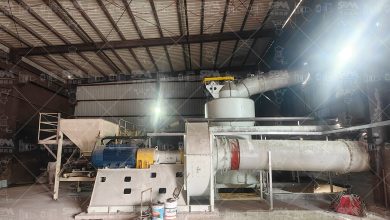
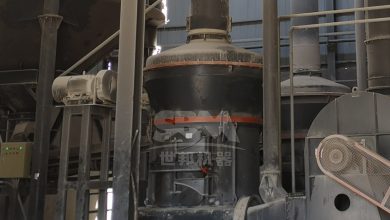
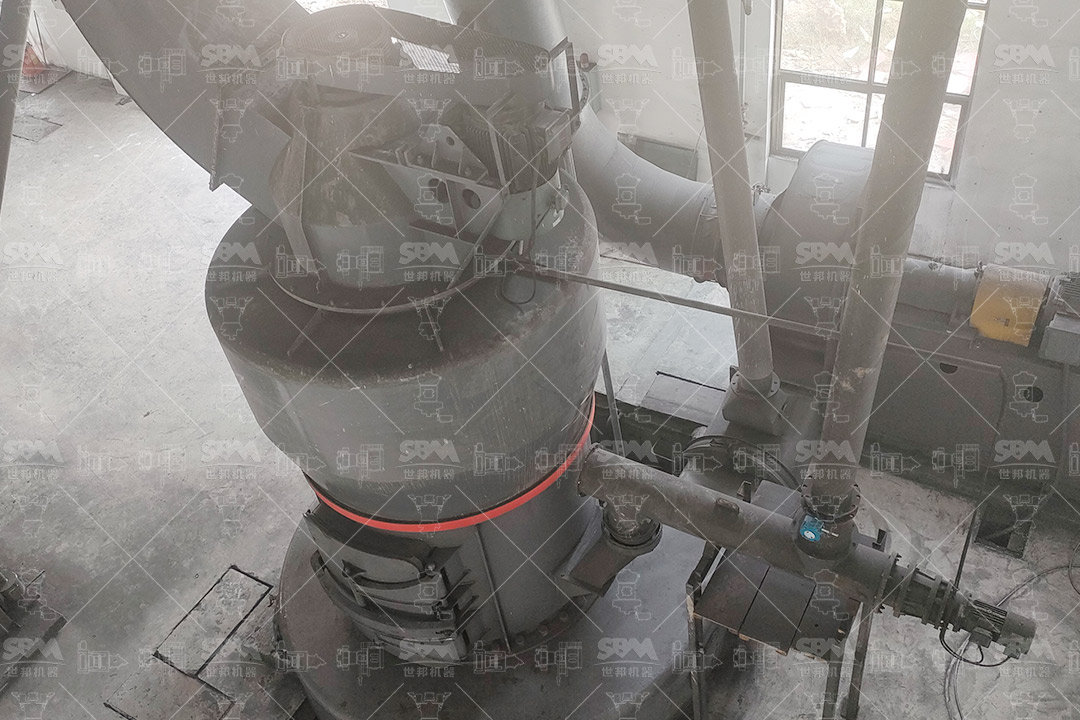
For the initial size reduction of bulk slag, robust primary and secondary crushers are employed. Following this, fine grinding is necessary. Here, mills like the MTW Series European Trapezium Mill are exceptionally well-suited. With an input size of up to 50mm and the ability to produce a fineness range of 30-325 mesh (600-45μm), the MTW mill can efficiently prepare slag for physical separation methods. Its anti-wear shovel design and wear-resistant volute structure are particularly advantageous for handling the abrasive nature of slag, reducing maintenance costs and ensuring consistent throughput for the subsequent processing stages.
Core Processing Technologies for Metal Recovery
1. Physical Separation Methods
Gravity separation and magnetic separation are common first steps. Due to differences in specific gravity, minerals like galena (lead) can be concentrated using jigs or shaking tables. Iron-bearing components can be removed via low- or high-intensity magnetic separators, cleaning the slag stream for further processing.
2. Pyrometallurgical Recovery
This traditional method involves re-smelting the slag in a furnace (e.g., electric arc furnace, fuming furnace) under controlled conditions to volatilize zinc and recover lead in a bullion. While effective, it is energy-intensive and requires sophisticated gas handling systems to capture zinc oxide fume.
3. Hydrometallurgical Recovery
Growing in popularity due to lower energy consumption and better selectivity, hydrometallurgy involves leaching the slag with acidic or alkaline solutions (e.g., sulfuric acid, ammonia) to dissolve target metals. Subsequent steps like solvent extraction, precipitation, or electrowinning are used to recover pure metals from the leach solution. This method is highly effective for complex, fine-grained slags.
4. Biohydrometallurgy
An emerging green technology, it uses specific bacteria (e.g., Acidithiobacillus ferrooxidans) to catalyze the leaching of metals from slag. Though slower than chemical leaching, it operates at ambient temperature and pressure with minimal chemical input.
Value-Added Utilization of Processed Slag
After metal recovery, the detoxified and inert silicate-based residue holds significant value in construction and materials science.
1. Construction Materials
- Cement and Concrete: Granulated slag can be used as a supplementary cementitious material (SCM) or as a raw meal component in cement clinker production, improving durability and reducing the carbon footprint.
- Aggregates: Processed slag can be used as a fine or coarse aggregate in road bases, asphalt concrete, and hydraulic structures.
- Glass-Ceramics: By controlling the crystallization of molten slag, high-performance glass-ceramics with excellent mechanical properties and chemical resistance can be produced for tiles and decorative panels.
2. Geopolymer Production
The aluminosilicate content in slag is an ideal precursor for geopolymers—inorganic polymers that can serve as a low-CO₂ alternative to Portland cement. Slag-based geopolymers exhibit high early strength and excellent resistance to fire and acid.
3. Advanced Applications
Research is exploring the use of slag in wastewater treatment (as adsorbents for heavy metals), as a catalyst support, and in the production of mineral wool insulation. For these high-value applications, achieving a very fine and uniform particle size is paramount to maximize surface reactivity.
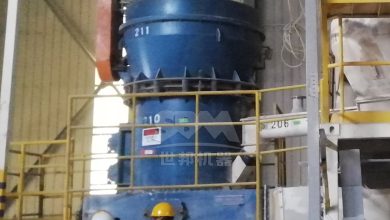
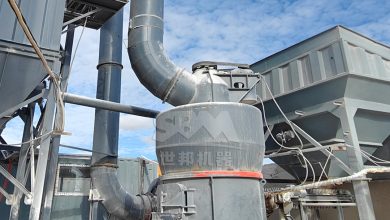
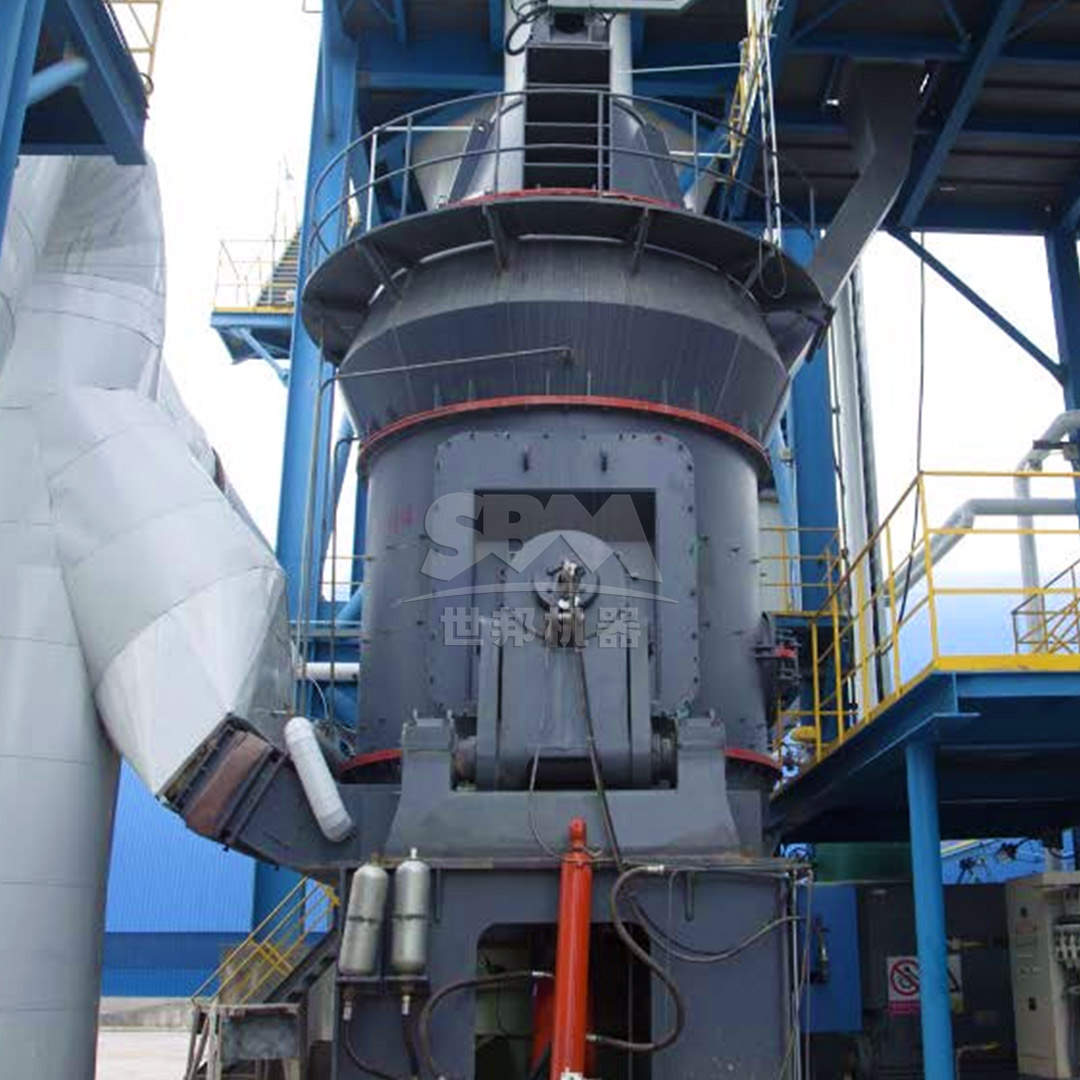
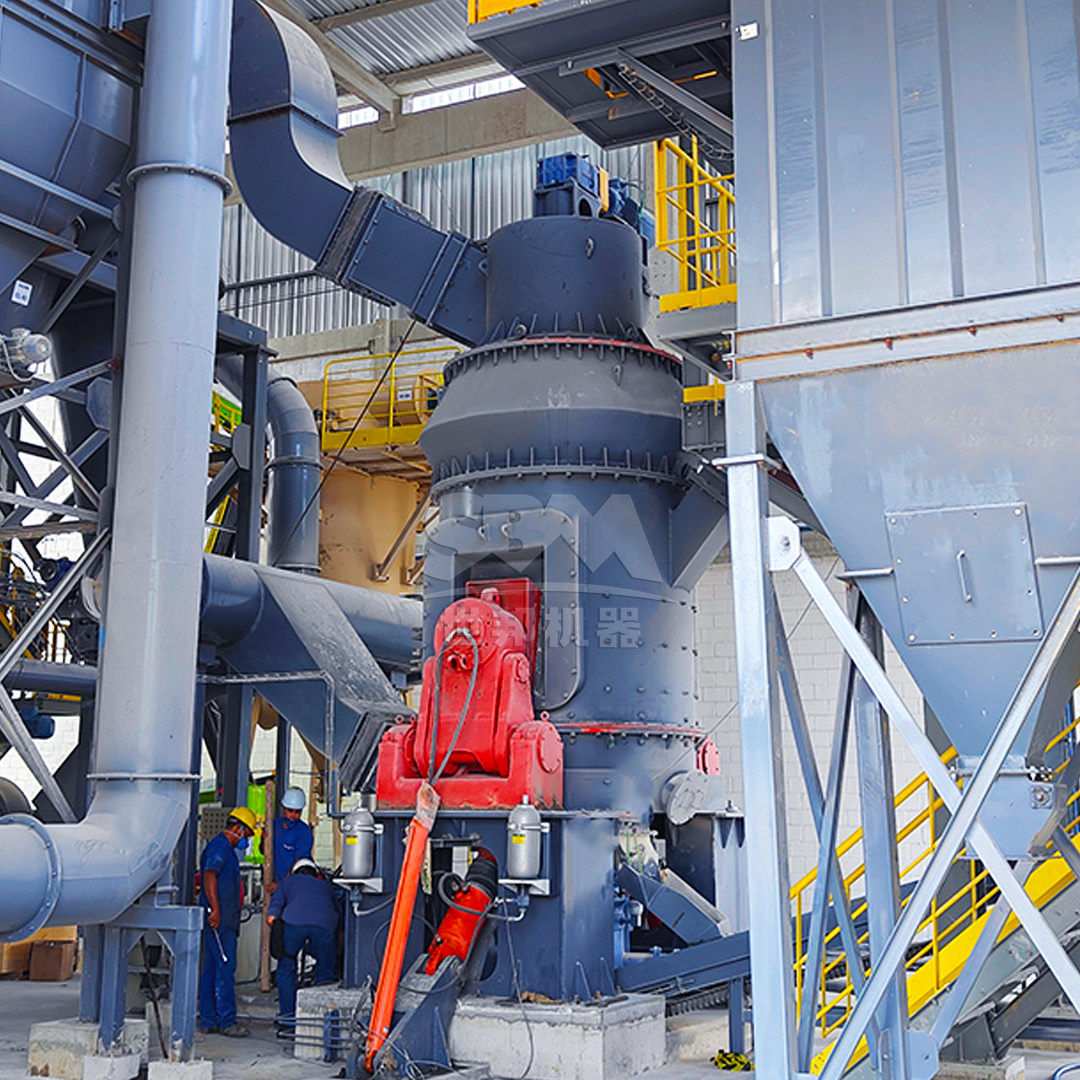
This is where advanced fine grinding technology becomes crucial. The SCM Series Ultrafine Mill is specifically engineered for such demanding tasks. Capable of producing powders in the range of 325-2500 mesh (45-5μm), it can transform inert slag into a highly reactive material. Its high-precision vertical turbine classifier ensures a narrow particle size distribution with no coarse powder mixing, which is essential for consistent performance in geopolymerization or adsorption applications. Furthermore, its energy-efficient design and eco-friendly operation with pulse dust collection make it a sustainable choice for value-added slag processing lines.
Economic and Environmental Benefits
The integrated processing and utilization of lead-zinc slag delivers a dual benefit. Economically, it creates revenue streams from recovered metals and saleable construction materials, offsetting disposal costs and raw material procurement. Environmentally, it drastically reduces the volume of hazardous waste requiring landfilling, prevents toxic metal leaching, and lowers the carbon emissions associated with virgin material extraction and processing (e.g., mining for cement raw materials). This aligns with global sustainability goals and stringent environmental regulations.
Conclusion: Towards a Zero-Waste Smelting Industry
Lead-zinc smelting slag is no longer a mere waste product but a versatile resource waiting to be unlocked. A synergistic approach, combining efficient metal recovery technologies like those enabled by the MTW Series Mill for preparation, with advanced material synthesis using ultrafine grinders like the SCM Series, is key to maximizing value. By adopting these technologies, smelters can transition towards zero-waste operations, turning an environmental challenge into a cornerstone of economic and ecological sustainability. The future of the metallurgical industry lies in such innovative, circular solutions.