
How to Design a Desulfurization Limestone Grinding Production Line?
Introduction
Flue Gas Desulfurization (FGD) is a critical process for power plants and industrial facilities to reduce sulfur dioxide (SO₂) emissions. The most widely adopted technology, Wet Limestone-Gypsum FGD, relies heavily on the quality and fineness of the limestone powder used as the absorbent. Designing an efficient, reliable, and economical limestone grinding production line is therefore paramount to the success of the entire desulfurization system. This article provides a comprehensive guide to the key considerations, process flow, and equipment selection for such a production line.
1. Understanding the Process Requirements
The design must start with a clear understanding of the end-use requirements. For FGD, limestone powder typically needs to meet a fineness specification of 250 mesh (approximately 63 μm) to 325 mesh (45 μm), with a particle size distribution where over 90% passes through the 325 mesh sieve. This high surface area is crucial for rapid reaction with SO₂ in the absorber tower. The production capacity of the grinding line must be synchronized with the SO₂ removal demand of the boiler or furnace, often requiring continuous, 24/7 operation with high availability.
2. Key Design Considerations
2.1 Raw Material Characteristics
Analyze the source limestone’s properties: hardness (Bond Work Index), moisture content, feed size (typically ≤50mm after primary crushing), and chemical composition (especially CaCO₃ content). These factors directly influence crusher and mill selection, drying requirements, and final output.
2.2 System Layout and Space Planning
A well-designed layout minimizes material handling distances, ensures smooth logistics for raw material intake and finished product dispatch, and allows for safe maintenance access. Consider integrated versus modular mill systems based on available space.
2.3 Energy Efficiency
Grinding is an energy-intensive process. Selecting high-efficiency grinding equipment and optimizing the system’s auxiliary power consumption (fans, classifiers, dust collectors) are critical for reducing operational costs.
2.4 Environmental Compliance
The entire process must be enclosed with an efficient dust collection system to meet stringent particulate emission standards. Noise control measures are also essential.
2.5 Automation and Control
An advanced control system is necessary to maintain consistent product fineness, optimize feed rate, monitor equipment health, and ensure stable, unattended operation.
3. Typical Production Line Process Flow
A standard desulfurization limestone grinding production line consists of the following stages:
- Raw Material Receiving & Pre-homogenization: Limestone is delivered and stored in a yard or silo.
- Primary Crushing: Jaw crushers or hammer crushers reduce limestone from quarry size to ≤50mm.
- Drying (if required): If moisture content is high (>5%), a dryer may be integrated before grinding.
- Grinding & Classification: The core stage where limestone is ground to the required fineness. The mill is often coupled with a dynamic classifier for precise particle size control.
- Product Collection & Storage: Ground powder is collected by a cyclone and baghouse filter, then conveyed to storage silos ready for FGD use.
- Dust Collection & Environmental Control: A comprehensive pulse-jet bag filter system captures dust from all transfer points, ensuring a clean plant environment.
4. Core Equipment Selection: The Grinding Mill
The choice of grinding mill is the most critical decision. The market offers several technologies, each with pros and cons for FGD limestone applications.
4.1 Ball Mill
A traditional, robust solution suitable for producing coarser powders. However, for the fine powders required in modern FGD, ball mills suffer from high energy consumption, significant wear, and relatively lower efficiency.
4.2 Vertical Roller Mill (VRM)
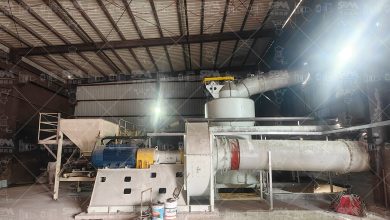
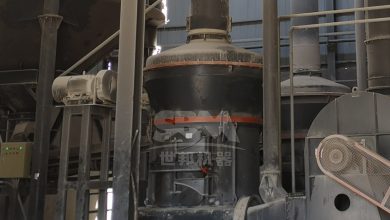
VRMs have become the industry standard for large-scale FGD limestone grinding due to their superior energy efficiency (30-50% less power than ball mills), integrated drying-grinding-classification process, and compact footprint. They excel in producing powders in the 325-250 mesh range with excellent particle distribution.
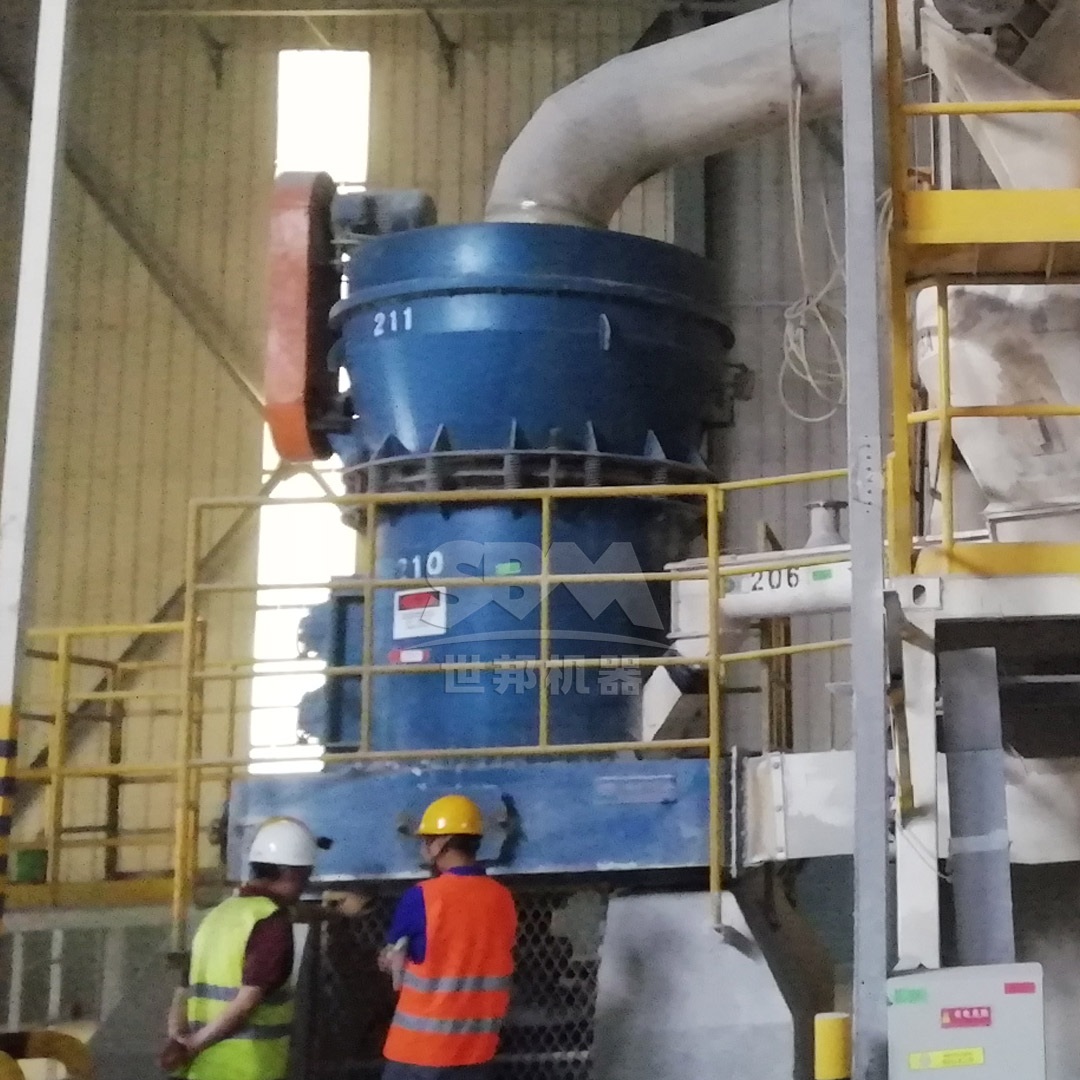
4.3 Raymond Mill (or Pendulum Roller Mill)
A reliable and cost-effective option for medium to small-scale requirements, producing powder from 30 to 325 mesh. Modern versions offer good efficiency and stability.
5. Recommended Solution for High-Efficiency FGD Grinding
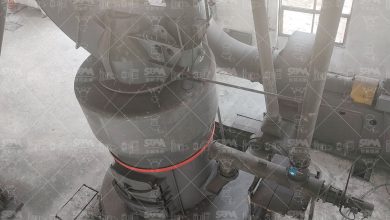
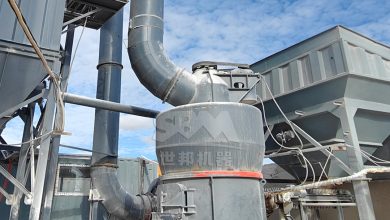
For most medium to large-scale desulfurization projects requiring high efficiency, low operating cost, and consistent product quality, a Vertical Roller Mill (VRM) system is highly recommended. Among the advanced VRM options, our LM Series Vertical Roller Mill stands out as an ideal choice.
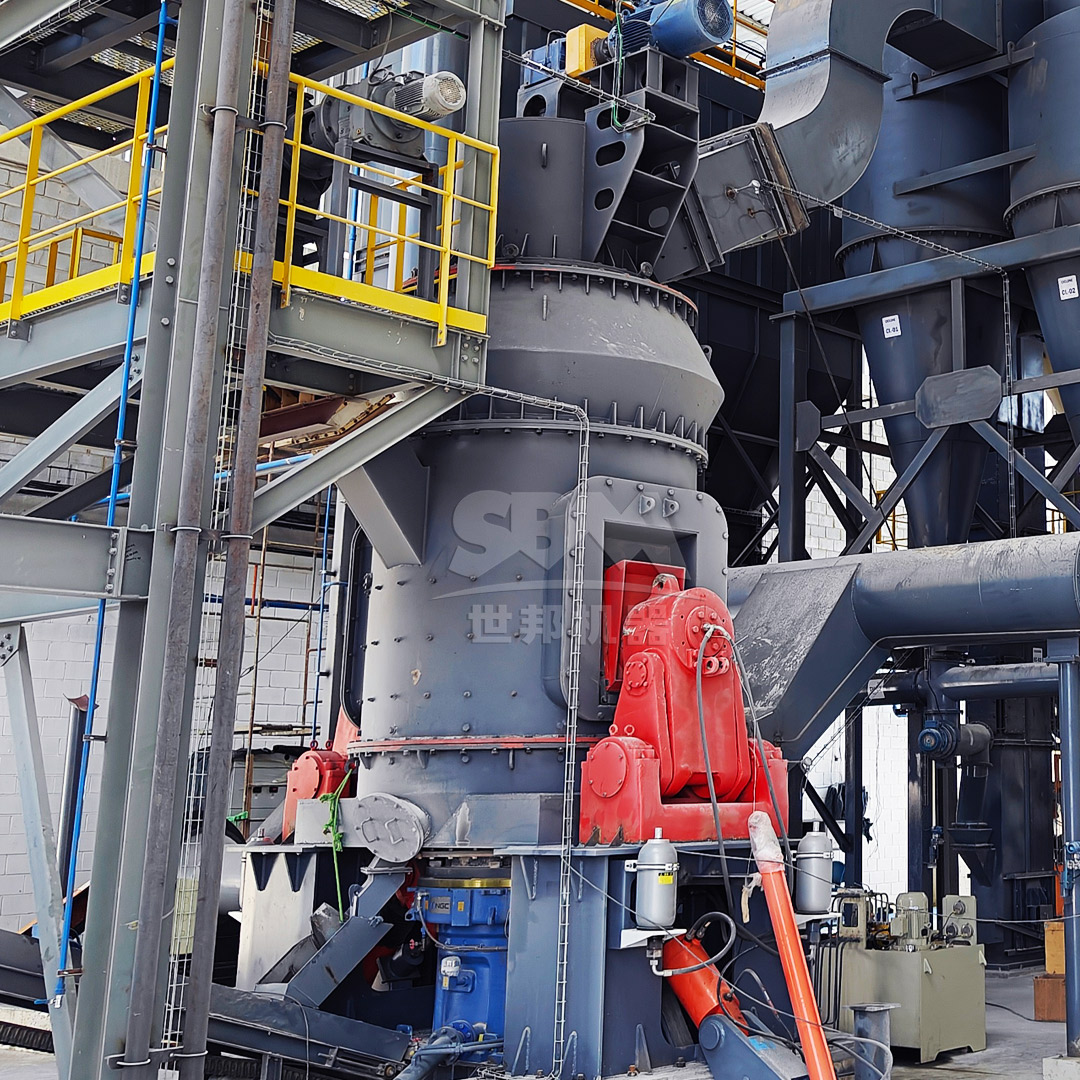
Why the LM Series Vertical Roller Mill is Optimal for FGD Limestone:
- High Grinding Efficiency & Low Energy Consumption: Utilizing the bed grinding principle, the LM mill consumes 30-40% less energy than traditional ball mill systems, directly reducing the operating cost of the desulfurization plant.
- Integrated System Design: It integrates crushing, grinding, drying, classification, and conveying. This compact design reduces the plant’s floor space by approximately 50% and lowers civil engineering costs.
- Excellent Product Quality: Equipped with a high-efficiency dynamic classifier, it can reliably produce limestone powder with fineness up to 325 mesh (45μm) with a tight particle size distribution, maximizing the desulfurization reaction rate.
- High Reliability & Easy Maintenance: Features like a patented quick-change system for grinding rollers minimize downtime for maintenance. The non-contact design between rollers and the table reduces wear.
- Environmental Friendliness: The mill operates under full negative pressure, ensuring no dust leakage. The system noise is controlled to meet environmental standards.
For example, the LM190K model, with a grinding table diameter of 1900mm and a main power of 500kW, can achieve a capacity of 23-68 t/h, perfectly matching the needs of a mid-sized power plant’s FGD system.
6. Auxiliary System Design
A successful grinding line depends on well-designed auxiliary systems:
- Feeding System: A stable, controllable belt feeder or weigh feeder is essential to maintain optimal mill loading.
- Classification System: A high-efficiency dynamic classifier (often integrated into the VRM) is key to achieving the target fineness and rejecting coarse particles.
- Dust Collection: A pulse-jet baghouse with high filtration efficiency (>99.9%) is mandatory. It protects the environment and allows for the recovery of valuable product.
- Electrical & Automation: A PLC-based control system should automate the start-up/shutdown sequence, regulate the mill feed, monitor bearing temperatures and vibration, and maintain constant product fineness through classifier speed control.
7. For Ultra-Fine or Specialized Requirements
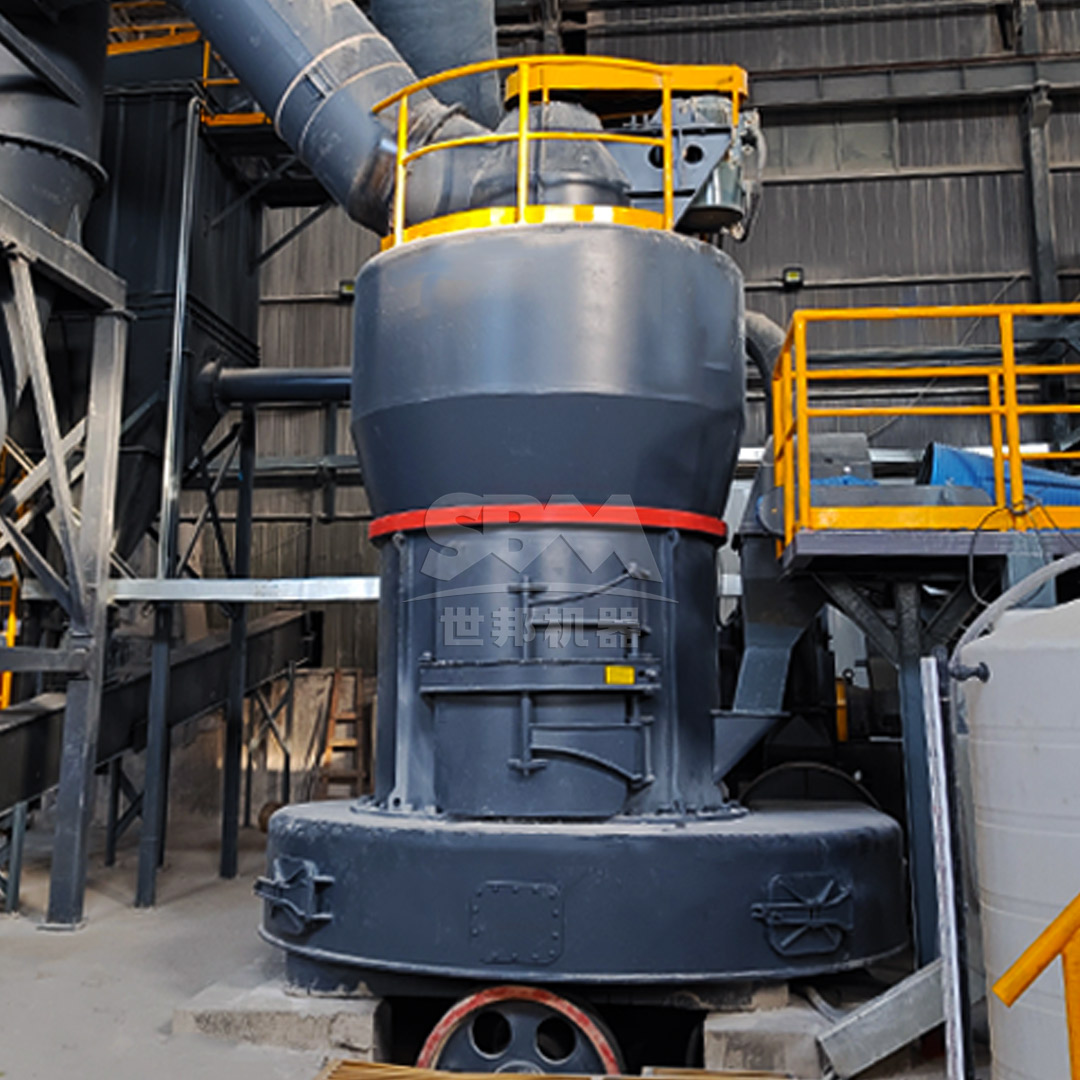
In cases where even finer limestone powder is needed for enhanced reactivity or other industrial processes, an ultrafine grinding solution may be considered. Our SCM Series Ultrafine Mill is engineered for this purpose. Capable of producing powder from 325 mesh (45μm) down to an impressive 2500 mesh (5μm), it features a vertical turbine classifier for high-precision particle size cuts and an energy-efficient design that offers twice the capacity of jet mills with 30% lower energy consumption. While not typical for standard FGD, it represents the cutting edge for advanced material preparation.
Conclusion
Designing a desulfurization limestone grinding production line is a complex engineering task that balances technical performance, economic viability, and environmental compliance. The core lies in selecting the right grinding technology based on a thorough analysis of project requirements. Vertical Roller Mills, particularly advanced series like the LM, have proven to be the most efficient and reliable solution for modern FGD applications. By integrating this core with robust auxiliary systems and intelligent controls, plant operators can ensure a stable supply of high-quality limestone absorbent, forming the solid foundation for effective and economical flue gas desulfurization.