High Furnace Injection Coal Preparation Process: How Medium Speed Mills Produce Pulverized Coal for Blast Furnace Injection
Introduction
The blast furnace remains the cornerstone of modern ironmaking, and the injection of pulverized coal (PCI) is a critical technology for reducing coke consumption, lowering production costs, and decreasing environmental impact. The quality of the injected pulverized coal—specifically its fineness, uniformity, and moisture content—directly influences combustion efficiency, raceway penetration, and the overall stability of the blast furnace. At the heart of this preparation process lies the medium-speed mill, a sophisticated piece of equipment designed to grind raw coal into the precise specifications required for efficient injection. This article delves into the technical requirements of PCI coal and explores how modern medium-speed mills meet these demands through advanced engineering.
Technical Requirements for Blast Furnace Injection Coal
Not all pulverized coal is suitable for injection. The process imposes stringent requirements to ensure smooth operation and optimal furnace performance.
1. Fineness and Particle Size Distribution
The target fineness for PCI coal typically ranges from 70% to 80% passing through a 200-mesh sieve (approximately 75 microns). A narrow particle size distribution is crucial. Excessive coarse particles (>200 mesh) may not combust completely, leading to unburnt char that can disrupt burden permeability. Conversely, an overabundance of ultra-fines can pose safety risks (explosibility) and increase energy consumption during grinding without proportional benefits.
2. Moisture Content
Moisture must be tightly controlled, usually below 2%. High moisture reduces the calorific value of the coal, requires more energy for vaporization in the raceway, and can cause handling issues such as clogging in pipelines and injectors. The drying capacity of the mill system is therefore paramount.
3. Grindability and Abrasiveness
The Hardgrove Grindability Index (HGI) of the coal feed determines the mill’s power consumption and throughput. Coals with low HGI (harder coals) are more challenging to grind. Furthermore, the mineral content (ash) in coal can be highly abrasive, demanding wear-resistant materials in the grinding zone to ensure long service life and consistent product quality.
The Role of Medium-Speed Mills in PCI Preparation
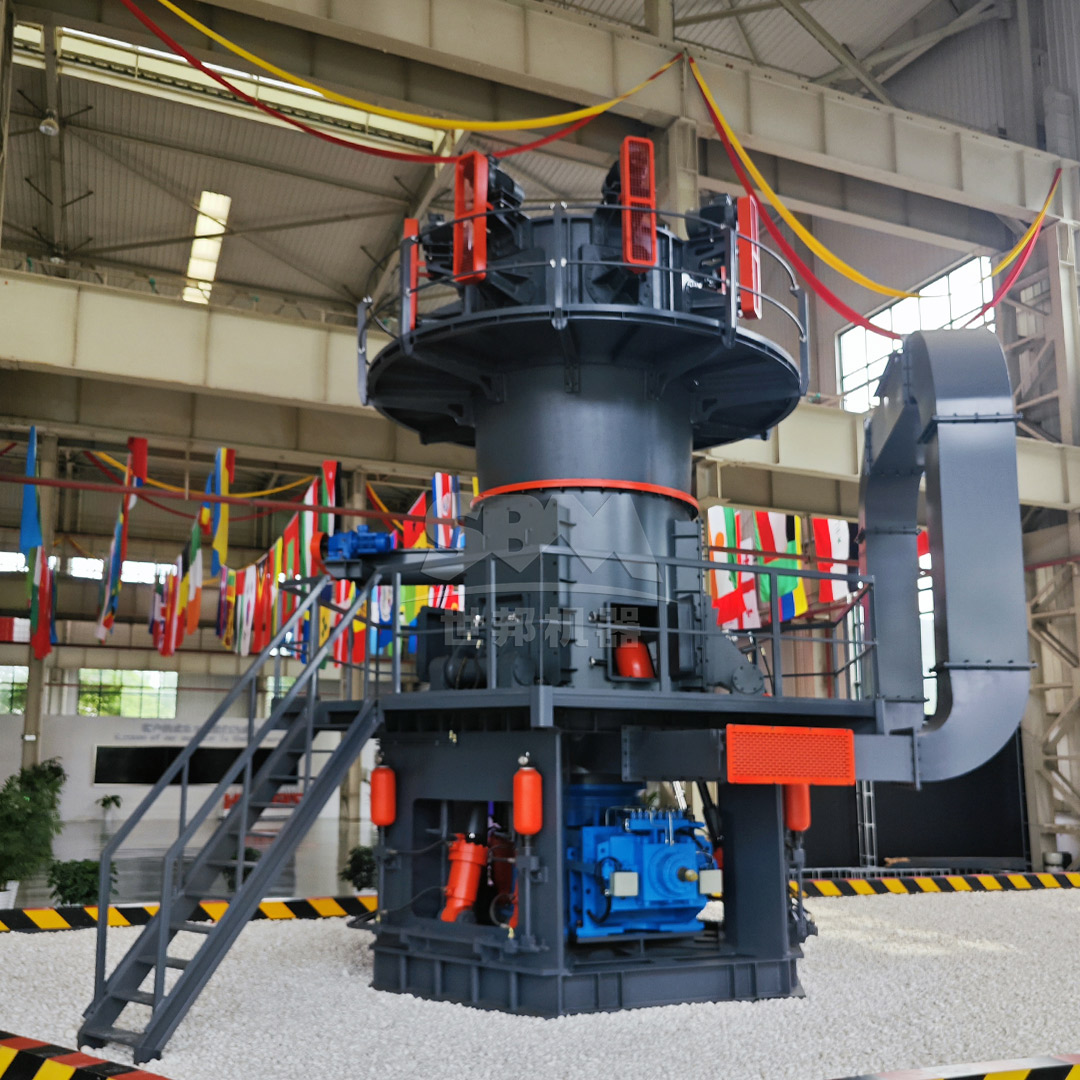
Medium-speed mills, such as vertical roller mills (VRM) and medium-speed trapezium mills, have become the industry standard for PCI preparation due to their superior efficiency, integrated drying capability, and precise control over product fineness compared to traditional ball mill systems.
Core Working Principle
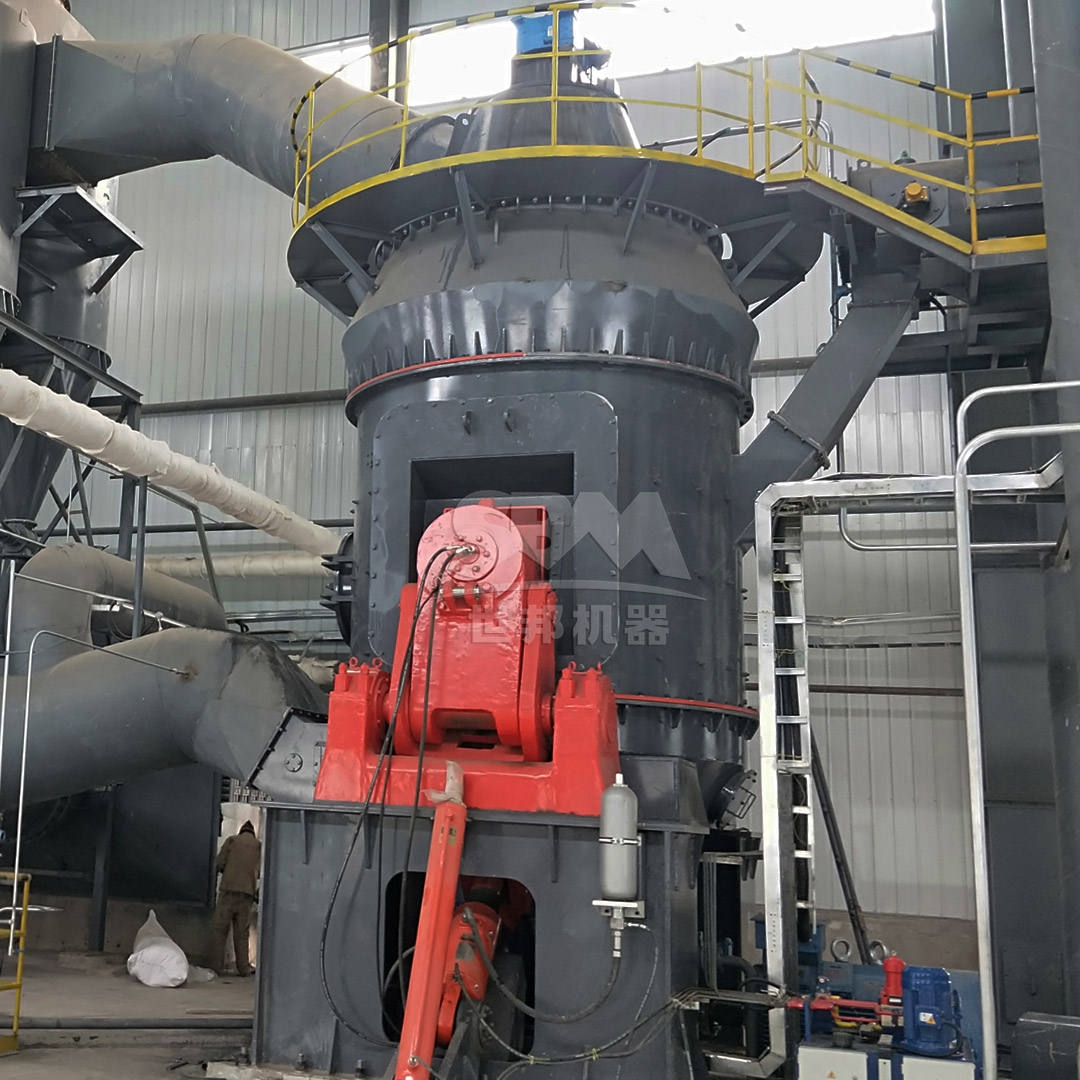
The fundamental operation involves feeding raw coal (≤50mm) onto a rotating grinding table. Centrifugal force spreads the material evenly under heavy grinding rollers. The coal is crushed by the applied pressure from the rollers. Simultaneously, hot gas (typically from the blast furnace hot blast stove exhaust) is introduced into the mill housing, drying the coal as it is ground. The fine, dry particles are entrained in the gas stream and transported to a dynamic classifier mounted atop the mill.
The Critical Classifier System
The classifier is the brain of the fineness control system. It uses rotating blades or vanes to create a centrifugal field. Particles fine enough for injection are carried through the classifier by the airflow to the collection cyclones and baghouse. Coarser particles, rejected by the classifier, fall back onto the grinding table for further size reduction. This closed-loop grinding and classification process ensures a stable and consistent product fineness.
Key Advantages of Modern Medium-Speed Mill Systems
Modern designs offer significant benefits tailored for the demanding PCI application:
- High Grinding Efficiency & Low Energy Consumption: The bed-compression grinding principle is far more efficient than the impact/attrition of ball mills, typically reducing specific energy consumption by 30-40%.
- Integrated Drying: The ability to use waste hot gases for in-situ drying is a major operational and economic advantage.
- Compact Footprint: The vertical design integrates grinding, drying, and classification into a single unit, saving significant plant space.
- Quick Product Adjustability: Fineness can be adjusted in minutes by changing the classifier speed, allowing operators to respond to changing furnace conditions.
- Low Noise and Environmental Compliance: Enclosed systems with advanced baghouse filters ensure dust emissions are well below regulatory limits.
Meeting PCI Challenges with Advanced Milling Solutions
To achieve the reliability and performance required for continuous blast furnace operation, mill technology must evolve. For operations seeking to upgrade their PCI preparation line or establish a new one, selecting the right mill is critical. Our company’s LM Series Vertical Roller Mill is engineered specifically to excel in this role.
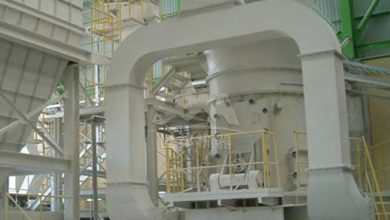
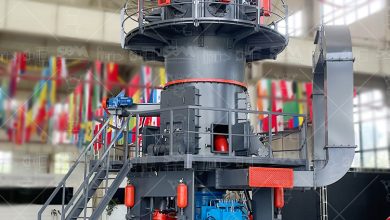
The LM Vertical Roller Mill embodies the next generation of medium-speed grinding technology. Its integrated design combines crushing, grinding, drying, and classification into one unit, reducing footprint by 50% and civil construction costs by 40%. For PCI, its low operating cost is a decisive factor: a non-contact design between rollers and the table, coupled with high-wear-resistant materials, extends component life dramatically, while its grinding principle consumes 30-40% less energy than a ball mill system. Furthermore, its fully sealed negative pressure operation and high-efficiency pulse dust collection system guarantee environmental compliance, with dust emissions and operating noise kept to stringent standards.
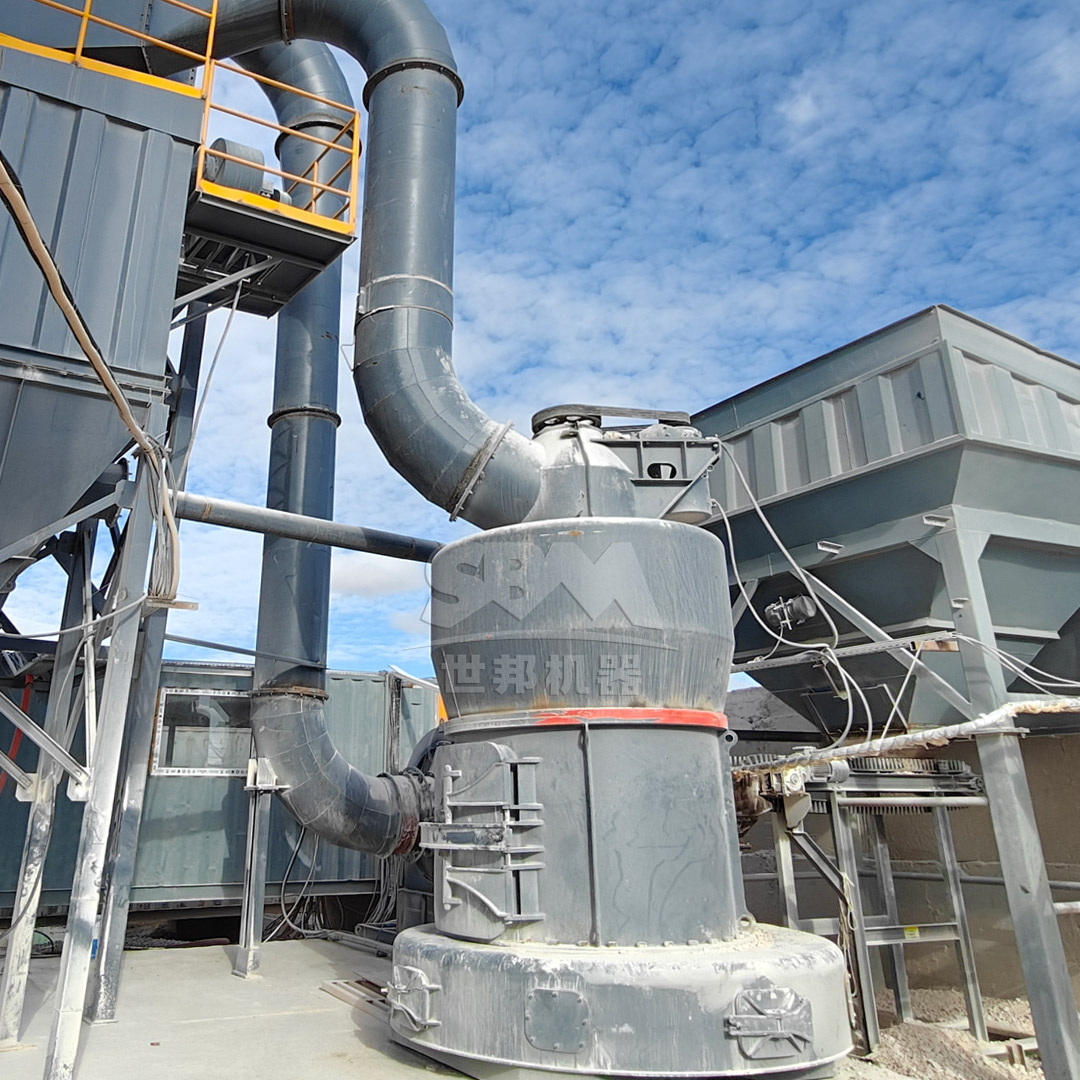
For applications requiring even finer adjustments or processing of a wider variety of coal blends, the MTW Series European Trapezium Mill presents a robust alternative. It features an anti-wear shovel design and wear-resistant volute structure that significantly reduce maintenance costs associated with abrasive coal. Its optimized arc air duct minimizes airflow resistance, improving overall system efficiency. The integral bevel gear drive offers a remarkable 98% transmission efficiency in a compact layout. This mill is an excellent choice for plants prioritizing operational robustness and long-term maintenance savings.
Conclusion
The production of high-quality pulverized coal for blast furnace injection is a precise engineering task where the medium-speed mill serves as the critical enabling technology. By delivering consistent fineness, effective drying, and remarkable energy efficiency, these mills directly contribute to lower ironmaking costs and enhanced furnace stability. Investing in advanced milling solutions, such as our LM Series Vertical Roller Mill or MTW Series European Trapezium Mill, is an investment in the reliability, economy, and environmental performance of the entire ironmaking process. As PCI technology continues to advance, the evolution of grinding mills will remain central to unlocking further efficiencies in steel production.