
Which Barite Grinding Mill Is Best for Barite Powder Processing and Where to Buy Barite Powder Grinding Equipment?
Introduction to Barite Powder Processing
Barite, a mineral composed of barium sulfate (BaSO4), is an essential industrial material with a wide range of applications. Its high density, chemical inertness, and ability to absorb X-rays make it indispensable in industries such as oil and gas drilling (as a weighting agent in drilling mud), paints and coatings, plastics, rubber, and medical imaging. The demand for finely ground barite powder has been steadily increasing, driving the need for efficient and reliable grinding equipment.
When it comes to barite powder processing, the choice of grinding mill is critical. The fineness, capacity, and overall efficiency of the mill directly impact the quality of the final product and the profitability of the operation. With numerous types of grinding mills available on the market, selecting the right one can be challenging. This article aims to guide you through the key considerations and recommend the best equipment for barite powder processing, while also addressing where to purchase such equipment.
Key Factors in Choosing a Barite Grinding Mill
Before delving into specific mill types, it is important to understand the factors that influence the selection of a barite grinding mill:
- Fineness Requirement: Barite powder is typically required in various mesh sizes, ranging from coarse (30-80 mesh) for drilling mud to ultra-fine (800-2500 mesh) for paints and fillers. The mill must be capable of achieving the desired fineness consistently.
- Capacity: The production scale determines the required throughput. Small operations may need a few tons per hour, while large industrial plants may require tens of tons per hour.
- Energy Efficiency: Grinding is an energy-intensive process. A mill with high energy efficiency can significantly reduce operating costs.
- Maintenance and Wear Parts: Barite is relatively hard (Mohs hardness 3-3.5), so wear parts should be durable to minimize downtime and maintenance costs.
- Environmental Compliance: Dust and noise emissions must be controlled to meet environmental regulations and ensure a safe working environment.
- Cost: Both initial investment and ongoing operating costs should be considered.
Types of Barite Grinding Mills
Several types of grinding mills are suitable for barite processing, each with its own advantages and limitations. The most common ones include:
1. Raymond Mill (Pendulum Mill)
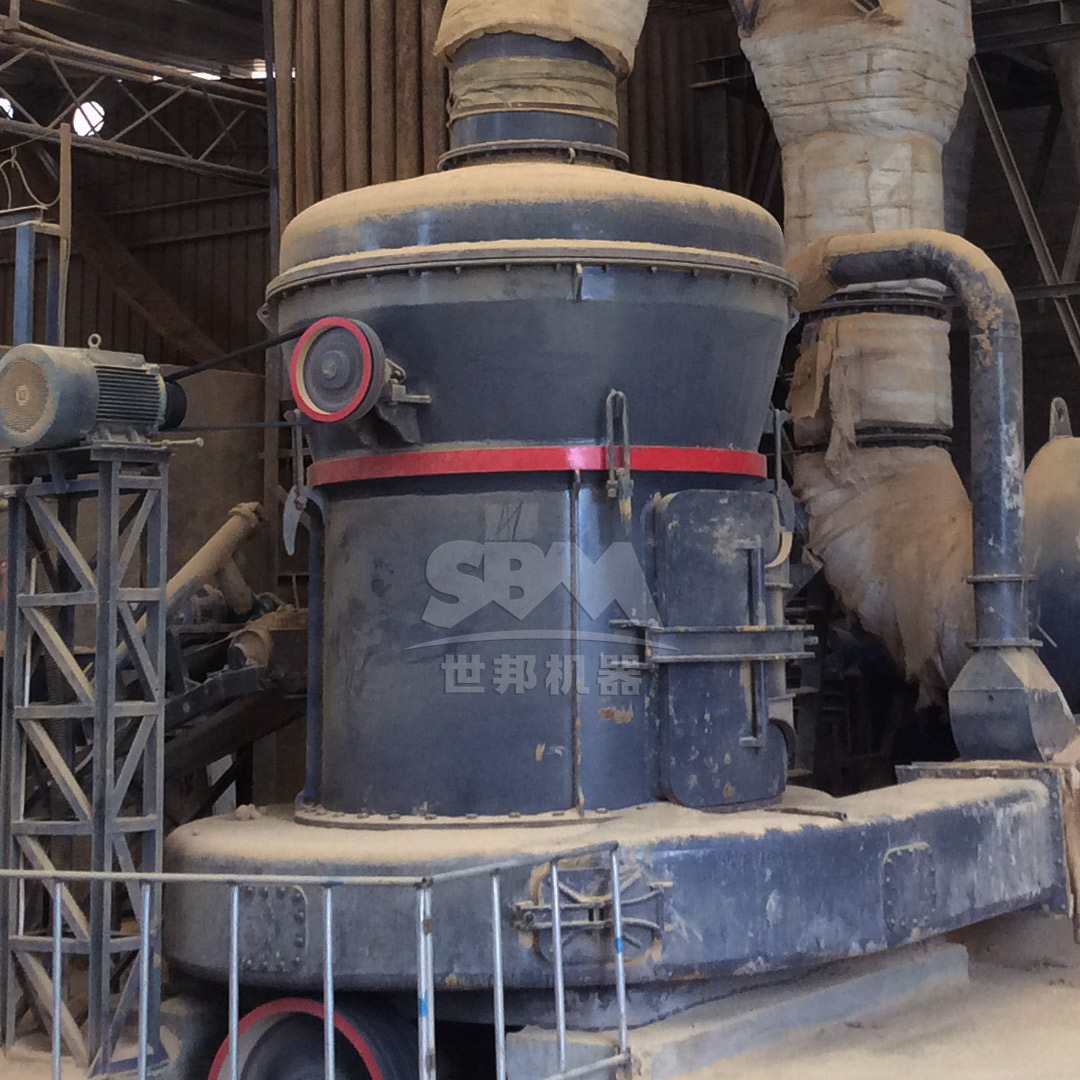
Raymond mills, also known as pendulum mills, are traditional equipment for barite grinding. They are suitable for producing fine powders in the range of 30-325 mesh. They are known for their simple structure, stable operation, and relatively low cost. However, their capacity is limited, and they may not be the most energy-efficient for ultra-fine grinding.
2. Ball Mill
Ball mills are widely used for grinding various minerals, including barite. They can produce powders from 0.074mm to 0.8mm (about 20-200 mesh) and are suitable for both dry and wet grinding. Ball mills have a large capacity and can handle high throughputs, but they are bulky, consume significant energy, and are less efficient for fine grinding.
3. Vertical Roller Mill
Vertical roller mills (VRMs) have gained popularity in recent years for their high efficiency and ability to grind materials to fine powders. They integrate crushing, grinding, and classification in one unit, reducing floor space and energy consumption. VRMs are capable of producing powders from 30-325 mesh (or even finer with special models) and have capacities ranging from a few tons to hundreds of tons per hour. They are known for their low operating costs and environmental friendliness.
4. Ultrafine Mill
For ultra-fine barite powder (e.g., 800-2500 mesh), ultrafine mills such as the SCM series are the go-to choice. These mills use high-speed rotation and advanced classification to achieve precise particle sizes. They are efficient, have a compact design, and can produce uniform powders. However, they may have lower capacities compared to VRMs.
Recommended Equipment for Barite Powder Processing
Based on the specific requirements of barite processing, we recommend two of our company’s outstanding products: the SCM Series Ultrafine Mill and the LM Series Vertical Roller Mill. Both are designed to deliver high performance, efficiency, and reliability for barite grinding.
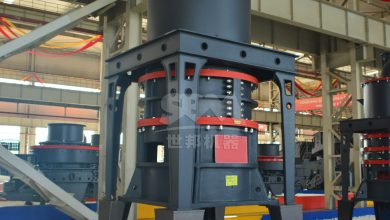
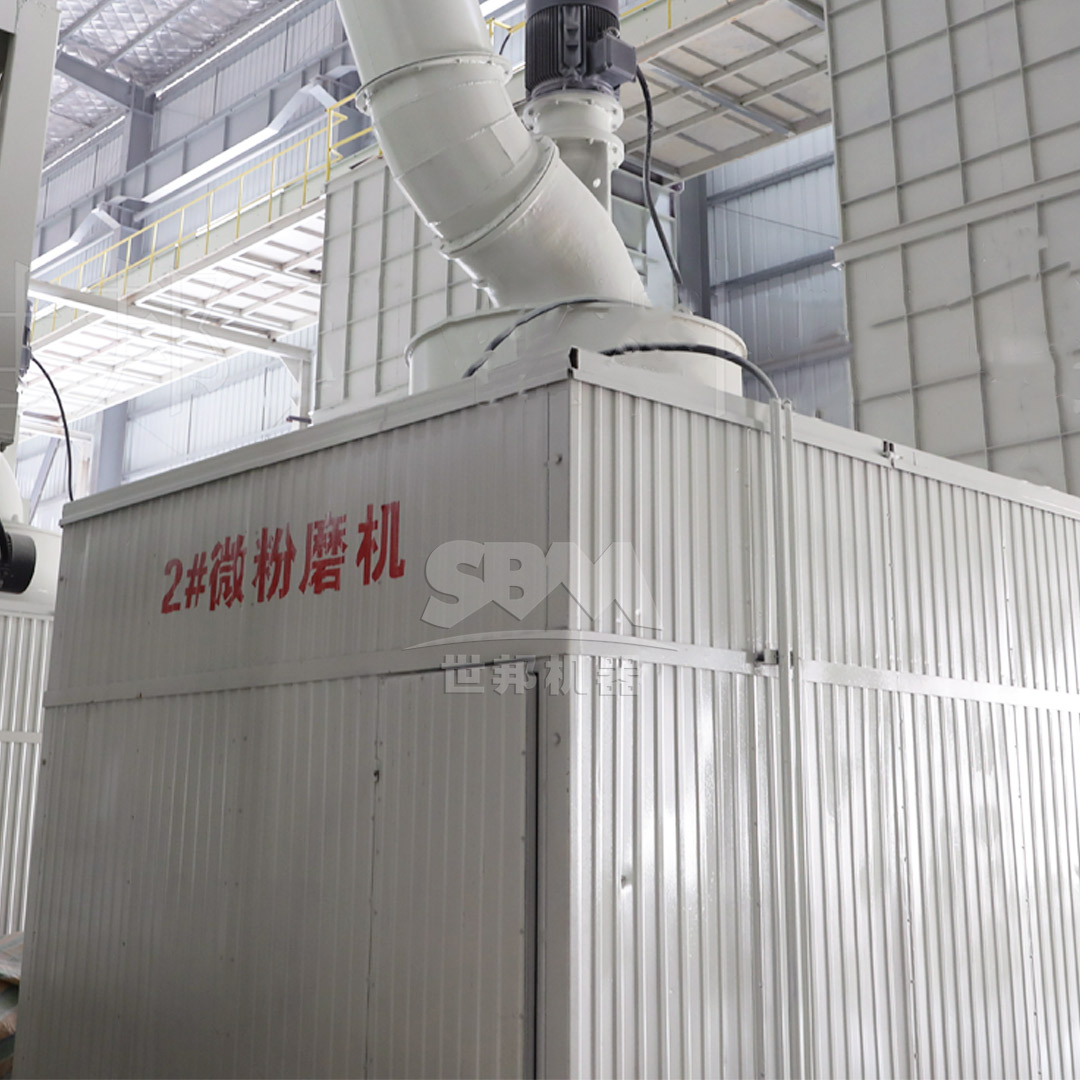
SCM Series Ultrafine Mill: Precision and Efficiency for Fine Powders
The SCM Series Ultrafine Mill is an ideal choice for producing high-quality barite powder in the fine to ultra-fine range (325-2500 mesh). With its advanced technology, it ensures precise particle size control and high production efficiency.
Key Advantages:
- High Efficiency & Energy Saving: The SCM mill offers twice the capacity of a jet mill with 30% lower energy consumption. Its intelligent control system provides automatic feedback on finished product granularity, ensuring optimal operation.
- High-Precision Classification: The vertical turbine classifier achieves precise particle size cutting, preventing coarse powder mixing and ensuring uniform finished products.
- Durable Design: Special material rollers and rings extend service life several times over. The shaftless screw grinding chamber ensures stable operation.
- Eco-friendly & Low Noise: The pulse dust collection system exceeds international standards, and the soundproof room design keeps noise levels low.
Working Principle: The main motor drives three layers of grinding rings to rotate. Materials are dispersed into the grinding path by centrifugal force and crushed by roller pressure. The ground powder is collected by a cyclone collector and a pulse dust removal system.
Models & Specifications: The SCM series includes models from SCM800 to SCM1680, with capacities ranging from 0.5 to 25 t/h and fineness from 325 to 2500 mesh. For instance, the SCM1250 model offers a capacity of 2.5-14 t/h with a main power of 185kW, making it suitable for medium-scale production.
The SCM Ultrafine Mill is particularly suited for barite applications requiring high whiteness and fine particle size, such as in paints, plastics, and rubber fillers.
LM Series Vertical Roller Mill: High Capacity and Energy Efficiency
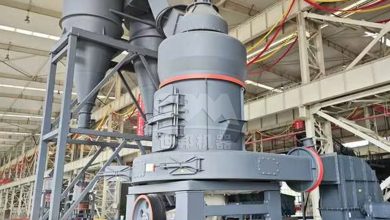
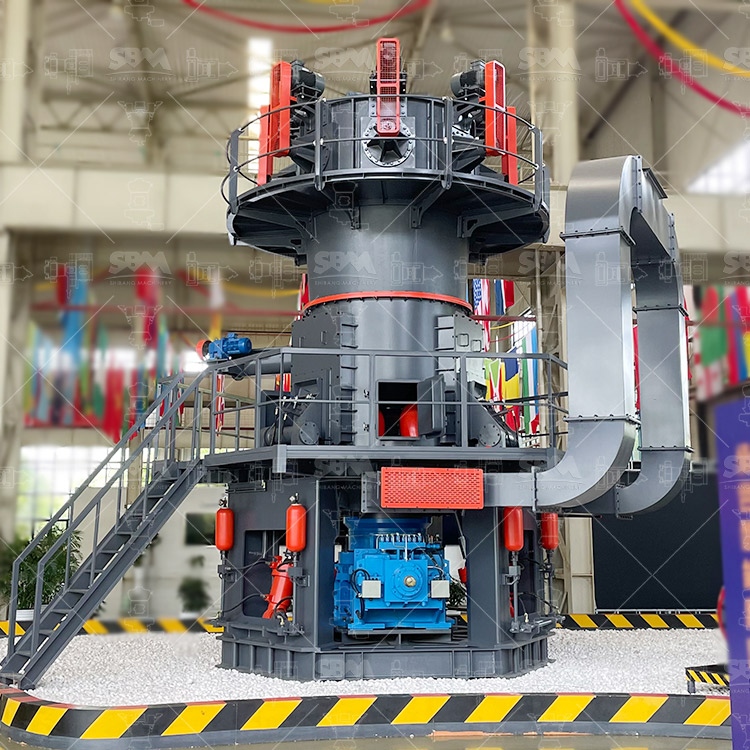
For large-scale barite powder production, the LM Series Vertical Roller Mill is the optimal choice. It combines crushing, grinding, and classification into a single integrated system, offering high capacity and low operating costs.
Key Advantages:
- Integrated Design: The system integrates crushing, grinding, and selection, reducing floor space by 50% and infrastructure costs by 40%. It can be installed outdoors, saving on construction.
- Low Operating Cost: The non-contact design between rollers and table increases wear part life by 3x. Energy consumption is 30-40% lower than ball mill systems.
- Intelligent Control: The expert-level auto-control system supports remote/local switching and real-time monitoring, reducing manual intervention.
- Environmental Compliance: Fully sealed negative pressure operation ensures dust emissions are below 30mg/m³, and operating noise is below 80dB.
Working Principle: The main motor drives the grinding table via a reducer. Materials enter through the central feed port and spread evenly via centrifugal force. Grinding rollers apply pressure to crush the material layer. Qualified fines are carried by hot air to the classifier, while coarse powder returns to the table for re-grinding.
Models & Specifications: The LM series offers various models for different applications. For barite grinding, the LM130K to LM280K models are suitable, with capacities from 10 to 170 t/h and fineness from 170 to 45 μm (about 80-325 mesh). For example, the LM170K model has a capacity of 18-48 t/h and a main power of 400kW, making it ideal for large-scale barite production.
The LM Vertical Roller Mill is highly efficient for producing barite powder for drilling mud and other coarse to medium-fine applications. Its high capacity and energy savings make it a cost-effective solution for large operations.
Where to Buy Barite Powder Grinding Equipment?
When purchasing barite grinding equipment, it is crucial to choose a reputable manufacturer with proven expertise and reliable after-sales service. Our company is a leading manufacturer of grinding mills with decades of experience in the mining and mineral processing industry. We offer a wide range of equipment, including the SCM Ultrafine Mill, LM Vertical Roller Mill, MTW European Trapezium Mill, and more, all designed to meet the highest standards of quality and performance.
By choosing our equipment, you benefit from:
- Advanced Technology: Our mills incorporate patented technologies and innovative designs for superior efficiency and reliability.
- Customized Solutions: We provide tailored solutions based on your specific requirements, including capacity, fineness, and site conditions.
- Global Support: Our worldwide service network ensures timely installation, training, and maintenance support.
- Proven Track Record: Our equipment is successfully operating in numerous barite processing plants around the world.
To purchase barite powder grinding equipment or to learn more about our products, please visit our website or contact our sales team. We are committed to helping you achieve optimal performance and profitability in your barite processing operations.
Conclusion
Selecting the best barite grinding mill depends on your specific needs. For ultra-fine powders, the SCM Series Ultrafine Mill offers precision and efficiency. For high-capacity production, the LM Series Vertical Roller Mill provides energy savings and reliability. Both are backed by our company’s commitment to quality and innovation. We invite you to explore our product range and partner with us for your barite grinding equipment needs. With the right mill, you can unlock the full potential of your barite resources and meet the growing market demand with confidence.