Silica Powder Production and Application: A Complete Guide for Manufacturers and Buyers
Introduction to Silica Powder
Silica powder, also known as silicon dioxide (SiO₂) powder, is a versatile industrial mineral that plays a critical role in numerous sectors, including construction, ceramics, glass, electronics, pharmaceuticals, and cosmetics. Its unique properties—high hardness, chemical inertness, thermal stability, and controlled particle size—make it indispensable for both traditional and advanced applications. As global demand for high-purity silica powder continues to rise, manufacturers and buyers must understand the production processes, quality parameters, and the equipment that determines final product characteristics. This comprehensive guide explores the entire lifecycle of silica powder, from raw material processing to end-use applications, and highlights how modern grinding technologies can optimize production efficiency and product quality.
What is Silica Powder?
Silica powder is produced by grinding quartz, quartzite, sand, or diatomaceous earth to fine particle sizes. Depending on the application, the powder may range from coarse granules (0.8 mm) to ultrafine particles (a few micrometers or even nanometers). The key specifications include:
- Particle size distribution (PSD): Determines reactivity, flowability, and optical properties.
- Purity (SiO₂ content): High-purity grades (>99.5%) are essential for electronics and pharmaceuticals.
- Whiteness and brightness: Critical for paints, plastics, and paper.
- Hardness (Mohs 7): Provides abrasion resistance in composites.
- Oil absorption and surface area: Influences rheology in sealants and coatings.
These properties are largely dictated by the grinding method and downstream classification.
Silica Powder Production Process
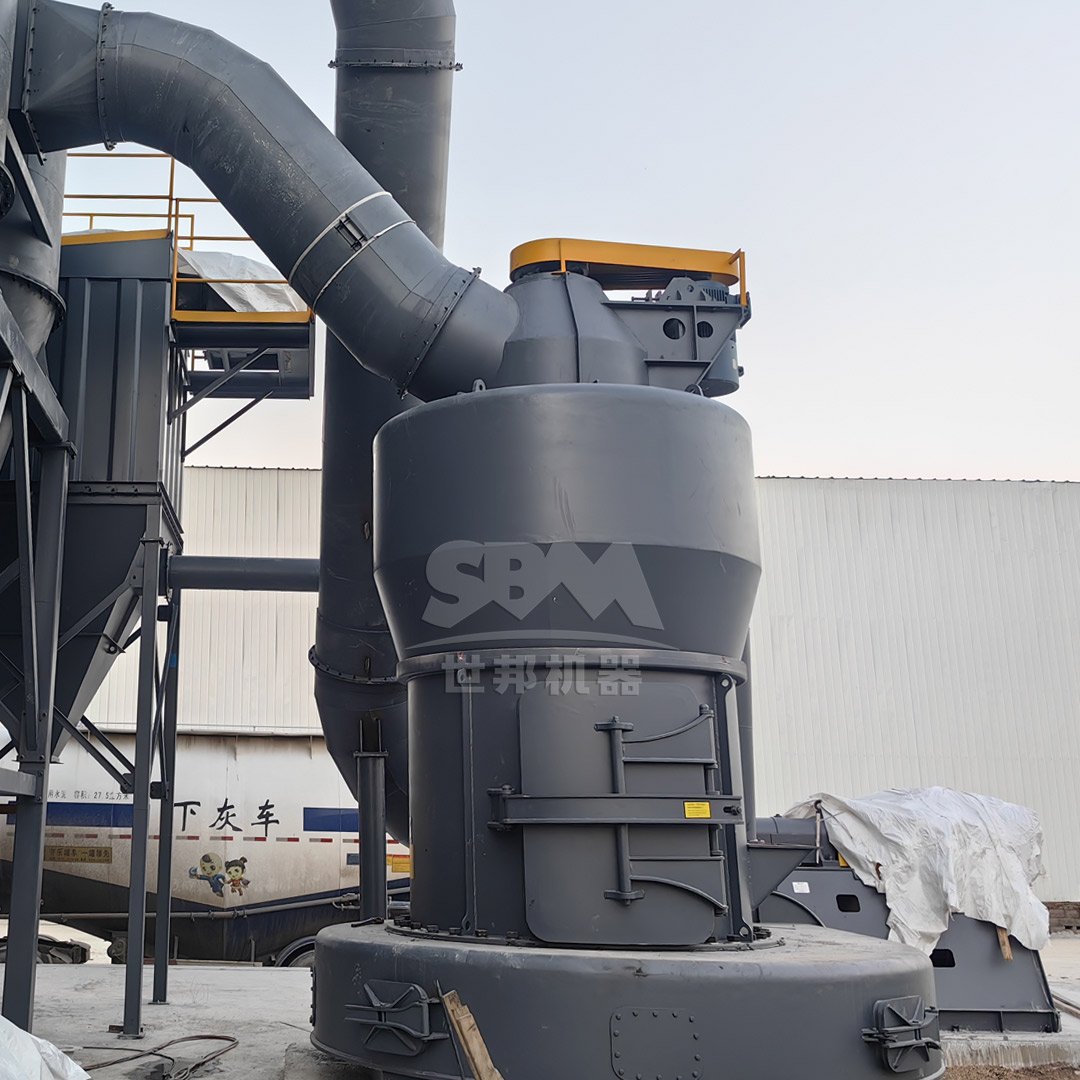
The production of silica powder involves several stages: mining, crushing, grinding, classification, purification (if needed), and packaging. Grinding is the most energy-intensive step and directly affects particle shape, size distribution, and surface characteristics. Common grinding technologies include ball mills, Raymond mills, vertical roller mills, jet mills, and ultrafine mills.
1. Raw Material Preparation
High-grade silica ore is first crushed to less than 20–50 mm using jaw crushers or hammer mills. The crushed material is then fed to a grinding mill. For high-purity applications, magnetic separation or acid leaching may be employed to remove iron and other impurities.
2. Grinding and Classification
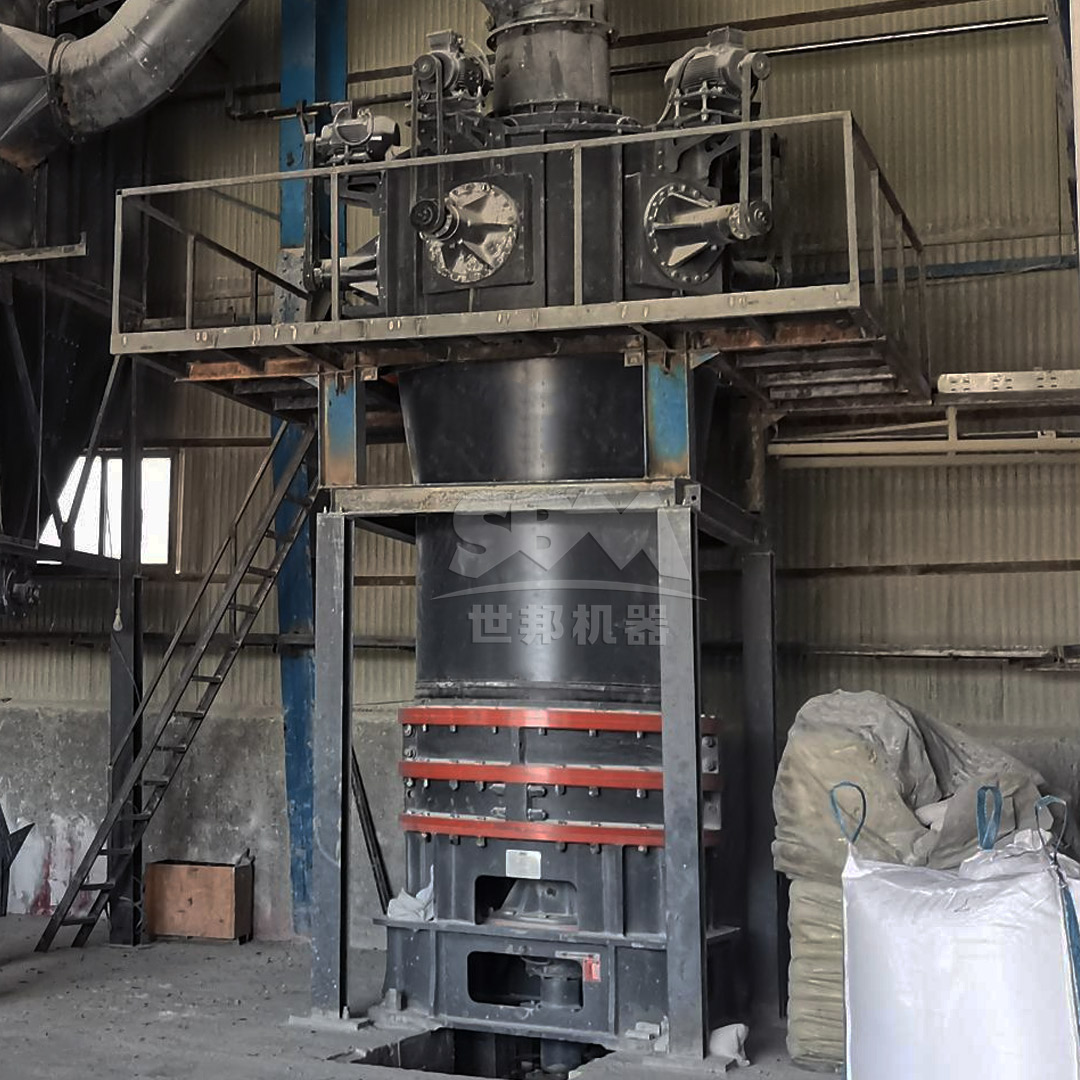
The choice of mill determines the achievable fineness and energy consumption. For coarse powder (0.074–0.8 mm), ball mills or hammer mills are often used. For fine to ultrafine powder (325–2500 mesh), advanced mills such as the SCM Series Ultrafine Mill or LUM Ultrafine Vertical Roller Mill are preferred. These mills integrate grinding and dynamic classification to ensure a narrow particle size distribution and eliminate coarse particles.
For medium-fine applications (30–325 mesh), the MTW Series European Trapezium Mill and LM Series Vertical Roller Mill offer high capacity and low operating cost. The MTM Series Medium-speed Trapezium Mill is another reliable option for general-purpose grinding.
3. Purification and Surface Treatment
For high-tech applications, silica powder may undergo surface modification with silane coupling agents to improve compatibility with organic matrices. Purification via washing, magnetic separation, or flotation can raise SiO₂ content to 99.9%.
Key Equipment for Silica Powder Grinding
Selecting the right mill is crucial for balancing capital expenditure, operating cost, and product quality. Below we highlight some of the most effective mills for silica powder production.
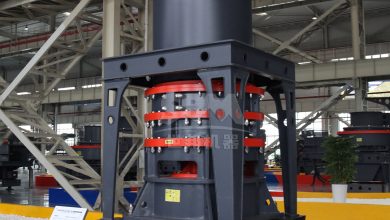
SCM Series Ultrafine Mill (45–5 μm)
The SCM Series Ultrafine Mill is specifically designed for producing ultrafine silica powder with fineness from 325 to 2500 mesh. Its vertical turbine classifier ensures precise particle size cutting with no coarse powder mixing. The mill features high efficiency—capacity is twice that of jet mills with 30% lower energy consumption. Durable rollers and rings extend service life, while the shaftless screw grinding chamber ensures stable operation. With models ranging from SCM800 (0.5–4.5 t/h) to SCM1680 (5–25 t/h), it is an ideal choice for manufacturers targeting high-value applications such as electronics, sealants, and high-performance coatings.
MTW Series European Trapezium Mill (600–45 μm)
For medium to fine silica powder, the MTW Series European Trapezium Mill offers excellent performance. Its anti-wear shovel design and optimized arc air duct reduce maintenance costs and energy loss. The integral bevel gear drive achieves 98% transmission efficiency. With capacities from 3 t/h (MTW110) to 45 t/h (MTW215G), this mill is suitable for large-scale production of silica powder for ceramics, glass, and construction materials.
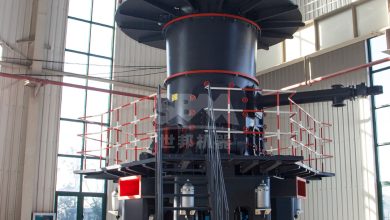
LM Series Vertical Roller Mill (600–45 μm)
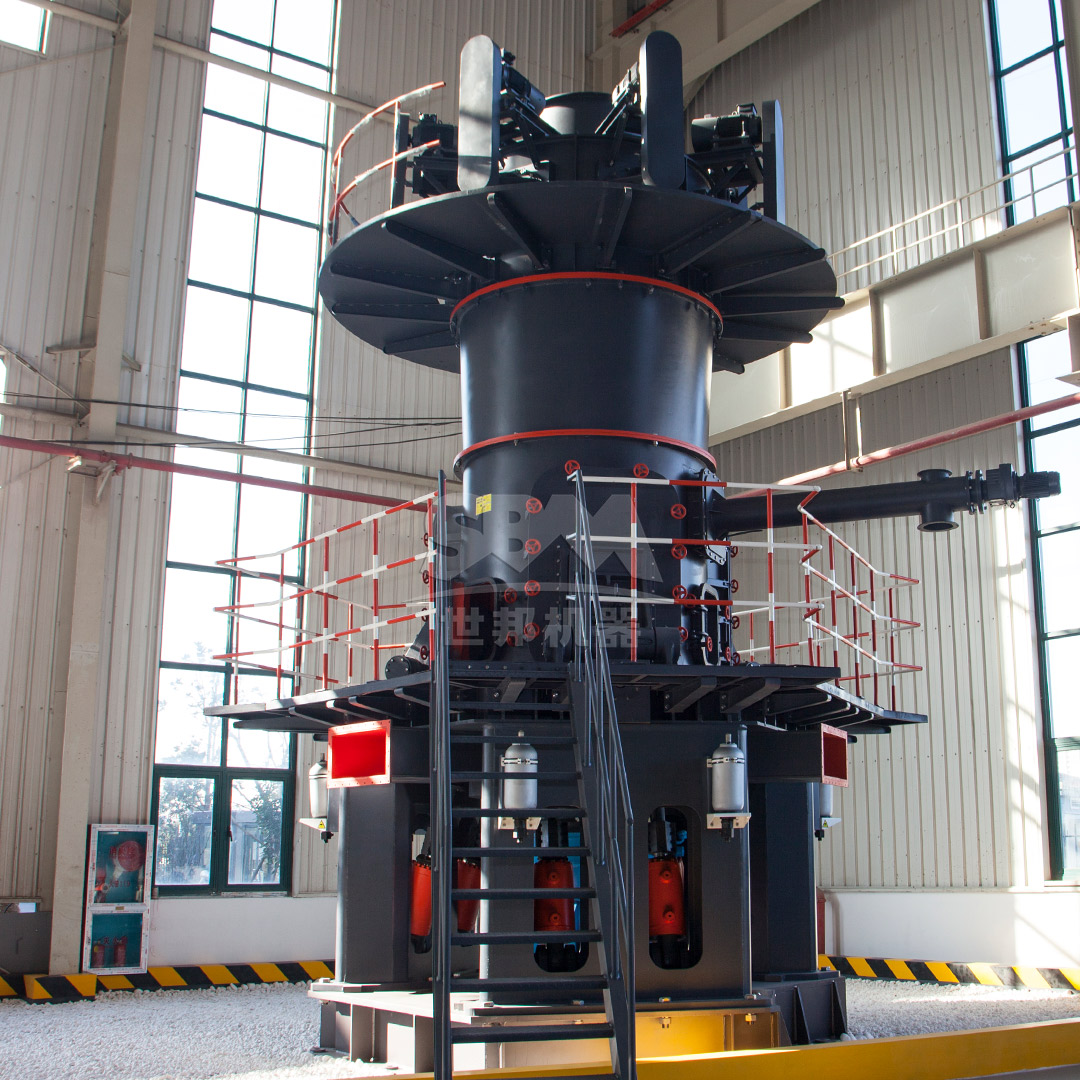
The LM Series Vertical Roller Mill integrates crushing, grinding, and classification in one unit, reducing floor space by 50%. It can process up to 250 t/h depending on the model, making it the preferred choice for very large operations. Energy consumption is 30–40% lower than ball mill systems, and the intelligent control system ensures stable operation with minimal manual intervention.
Applications of Silica Powder
Silica powder is used in a wide array of industries due to its unique properties. Below are the major application areas.
1. Construction and Building Materials
Silica powder is a key ingredient in high-performance concrete, mortars, and grouts. It reacts with calcium hydroxide to form additional calcium silicate hydrate (C-S-H), enhancing strength and durability. It also improves workability and reduces permeability.
2. Ceramics and Refractories
In ceramic bodies, silica powder acts as a filler and flux, influencing shrinkage, porosity, and mechanical strength. High-purity silica is essential for technical ceramics and refractory bricks.
3. Glass and Fiberglass
Silica is the primary component of glass. Ultrafine silica powder is used in specialty glass, optical fibers, and fiberglass reinforcement.
4. Paints, Coatings, and Plastics
As an extender and matting agent, silica powder improves scratch resistance, weather resistance, and rheology. In plastics, it enhances mechanical properties and thermal stability.
5. Electronics and Semiconductors
High-purity silica is used as a dielectric material, encapsulant, and polishing abrasive for silicon wafers. The demand for ultra-high-purity silica continues to grow with the semiconductor industry.
6. Pharmaceuticals and Cosmetics
Colloidal silica and fumed silica are used as thickeners, anti-caking agents, and drug carriers. In cosmetics, silica powder provides a silky feel and oil absorption.
7. Water Treatment and Filtration
Silica sand and powder are used in filtration media for drinking water and wastewater treatment.
Market Trends and Buyer’s Guide
The global silica powder market is projected to grow at a CAGR of 5–6% from 2023 to 2030, driven by demand from construction, electronics, and renewable energy sectors. Buyers should consider the following factors when sourcing silica powder:
- Particle size distribution: Ensure the PSD matches your application (e.g., d50, d97).
- Purity and contamination: Iron, alumina, and heavy metals can affect performance.
- Production method: Ground silica vs. synthetic silica (fumed, precipitated) have different morphologies.
- Supplier reliability: Look for manufacturers with advanced grinding equipment and quality control.
- Cost-performance: Ultrafine grinding increases cost, so balance specifications with budget.
For manufacturers, investing in efficient grinding mills like the SCM Series Ultrafine Mill or LM Series Vertical Roller Mill can significantly reduce energy costs and improve product consistency. These mills are engineered to meet the stringent requirements of modern silica powder production.
Case Study: Optimizing Silica Powder Production with SCM Series
A leading silica powder producer in Asia replaced an old jet mill with an SCM1250 ultrafine mill. The result: capacity increased from 2 t/h to 12 t/h, energy consumption per ton dropped by 35%, and product fineness became more uniform (d97 < 10 μm). The mill’s intelligent control system allowed remote monitoring and automatic adjustment, reducing downtime. This case demonstrates how advanced grinding technology can transform a silica powder operation.
Conclusion
Silica powder is a cornerstone material for modern industry. Its production requires careful selection of grinding equipment to achieve the desired particle size, purity, and cost efficiency. Whether you are a manufacturer looking to upgrade your production line or a buyer seeking reliable high-quality silica powder, understanding the interplay between mill technology and product properties is essential. The SCM Series Ultrafine Mill, MTW Series European Trapezium Mill, and LM Series Vertical Roller Mill represent the state of the art in silica grinding, offering high capacity, low energy consumption, and consistent product quality. By leveraging these technologies, stakeholders can meet the growing demand for silica powder across diverse applications.
For more information on our grinding mills and how they can optimize your silica powder production, please contact our technical team.