Ultra-Fine Talc Powder Production Equipment and Process Flow: A Complete Guide
Introduction to Ultra-Fine Talc Powder
Talc, a hydrated magnesium silicate mineral with the chemical formula Mg₃Si₄O₁₀(OH)₂, is one of the softest minerals known, ranking 1 on the Mohs hardness scale. Its unique properties—including chemical inertness, high thermal stability, excellent lubricity, and strong adsorption capacity—make it indispensable across numerous industries. From cosmetics and pharmaceuticals to plastics, paints, ceramics, and paper manufacturing, talc serves as a critical functional filler and processing aid.
The demand for ultra-fine talc powder, typically defined as particles ranging from 325 mesh to 2500 mesh (approximately 45μm down to 5μm), has grown exponentially in recent years. This growth is driven by the need for higher performance materials in advanced applications where particle size directly influences whiteness, opacity, smoothness, and mechanical properties. Producing ultra-fine talc powder efficiently and economically requires carefully selected equipment and a well-designed process flow. This comprehensive guide explores the complete production chain, from raw material preparation to finished product collection, and highlights the machinery that delivers optimal results.
Raw Material Characteristics and Preparation
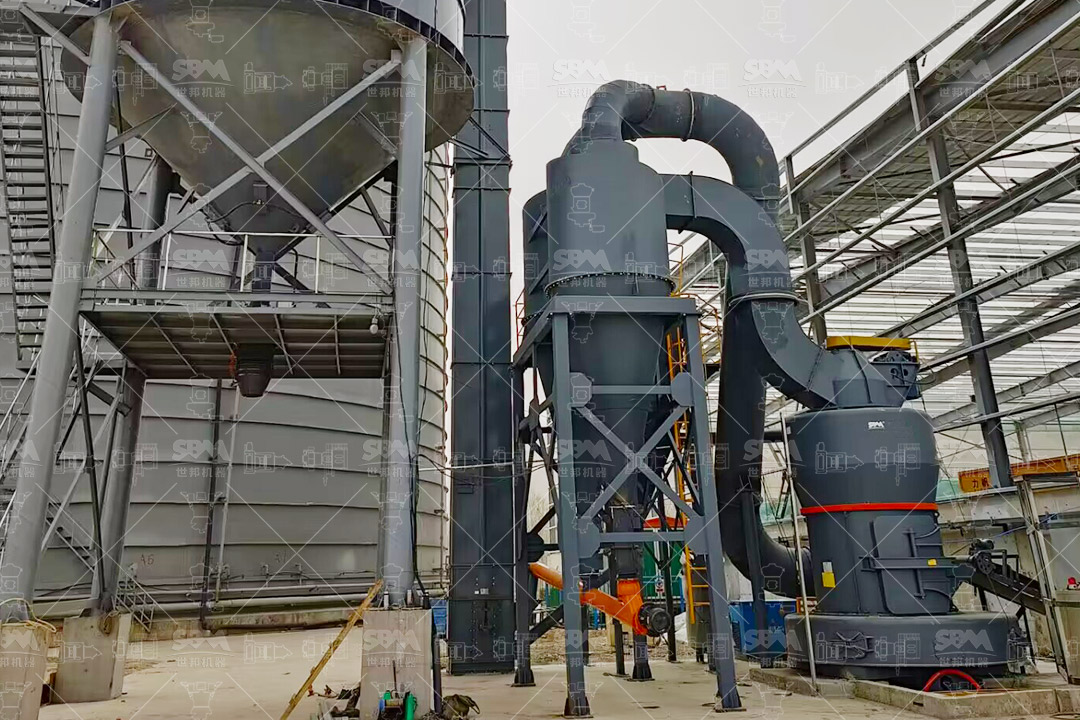
Talc ore varies significantly in purity and associated minerals depending on the deposit. Common impurities include chlorite, dolomite, magnesite, and serpentine. The first step in ultra-fine talc production involves ore selection and beneficiation to remove these impurities and achieve the desired chemical composition. After mining, the raw ore undergoes crushing and screening to reduce the feed size suitable for grinding equipment.
Typical raw talc ore has a feed size of 200-400mm after primary crushing. Jaw crushers or gyratory crushers reduce this to approximately 20-50mm, after which cone crushers or hammer mills further reduce the material to less than 20mm. The choice of crushing equipment depends on the ore’s hardness and the required final fineness. It is worth noting that because talc is extremely soft, hammer mills and impact crushers are often preferred over compressive crushers to minimize energy consumption and avoid over-crushing.
Grinding Equipment Selection for Ultra-Fine Talc Powder
The heart of any ultra-fine talc powder production line is the grinding mill. Selecting the right mill determines product quality, production capacity, energy efficiency, and overall operational costs. Several mill types are available for talc processing, each with distinct advantages depending on the target fineness and capacity requirements.
SCM Series Ultrafine Mill: The Preferred Choice for 325-2500 Mesh Talc Powder
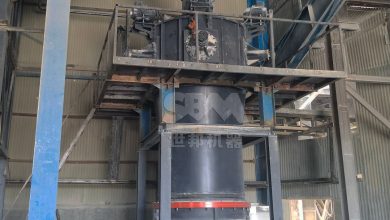
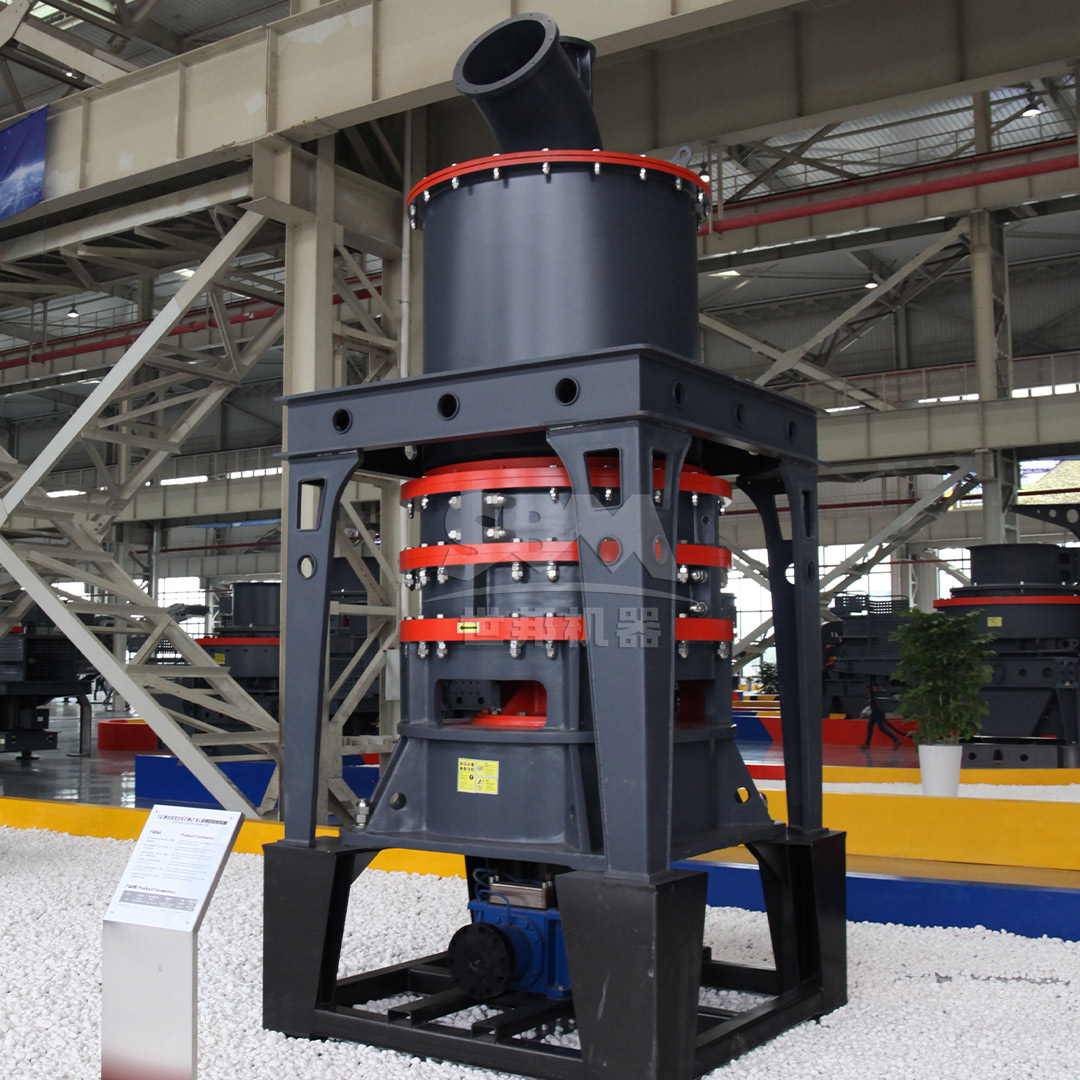
For manufacturers targeting the finest talc powder grades—particularly 1250 mesh to 2500 mesh—the SCM Series Ultrafine Mill stands out as an exceptional solution. This mill is specifically engineered for ultra-fine grinding and delivers outstanding performance in talc processing.
The SCM Series achieves a capacity that is twice that of traditional jet mills while consuming 30% less energy, making it a highly cost-effective choice for large-scale production. Its intelligent control system features automatic finished product granularity feedback, ensuring consistent output quality without constant operator intervention. The vertical turbine classifier provides high-precision particle size cutting, preventing coarse powder mixing and guaranteeing uniform finished products—a critical requirement for cosmetic and pharmaceutical-grade talc.
Durability is another hallmark of the SCM Series. Special material rollers and rings extend service life several times over compared to conventional grinding elements. The shaftless screw grinding chamber ensures stable operation even under continuous heavy-duty cycles. From an environmental perspective, the pulse dust collection system exceeds international standards, and the soundproof room design keeps noise levels well within regulatory limits.
Available in models ranging from SCM800 (0.5-4.5 t/h) to SCM1680 (5.0-25 t/h), the SCM Series offers flexible capacity options to match any production scale. For talc processors aiming at the premium ultra-fine market, this mill represents the ideal combination of efficiency, precision, and reliability.
MTW Series European Trapezium Mill: Versatile Grinding for 30-325 Mesh
For applications requiring talc powder in the 30-325 mesh range, the MTW Series European Trapezium Mill offers excellent versatility and throughput. This mill incorporates an innovative anti-wear shovel design with combined blades that reduce maintenance costs while curved grinding rollers extend operational life. The optimized arc air duct reduces airflow energy loss and improves transmission efficiency, while the integral bevel gear drive achieves up to 98% transmission efficiency.
The MTW Series is available in multiple configurations, including the MTW110, MTW138Z, MTW175G, MTW215G, and the MRN series models. With capacities ranging from 3 t/h to 45 t/h, these mills can accommodate both small-scale specialty production and large-scale industrial operations. The wear-resistant volute structure features a non-resistance flow design that improves air selection efficiency and reduces maintenance costs by approximately 30%.
Process Flow for Ultra-Fine Talc Powder Production
A complete ultra-fine talc powder production line typically consists of the following stages:
Stage 1: Crushing and Screening
Raw talc ore is first crushed using jaw crushers or hammer mills to reduce the material to less than 20mm. Screening equipment ensures that oversized material is returned for further crushing. The hammer mill is particularly suitable for talc due to its high crushing ratio and compact structure. For high-capacity operations, models such as the PC4015-132 with 40-70 t/h capacity provide efficient primary size reduction.
Stage 2: Grinding and Classification
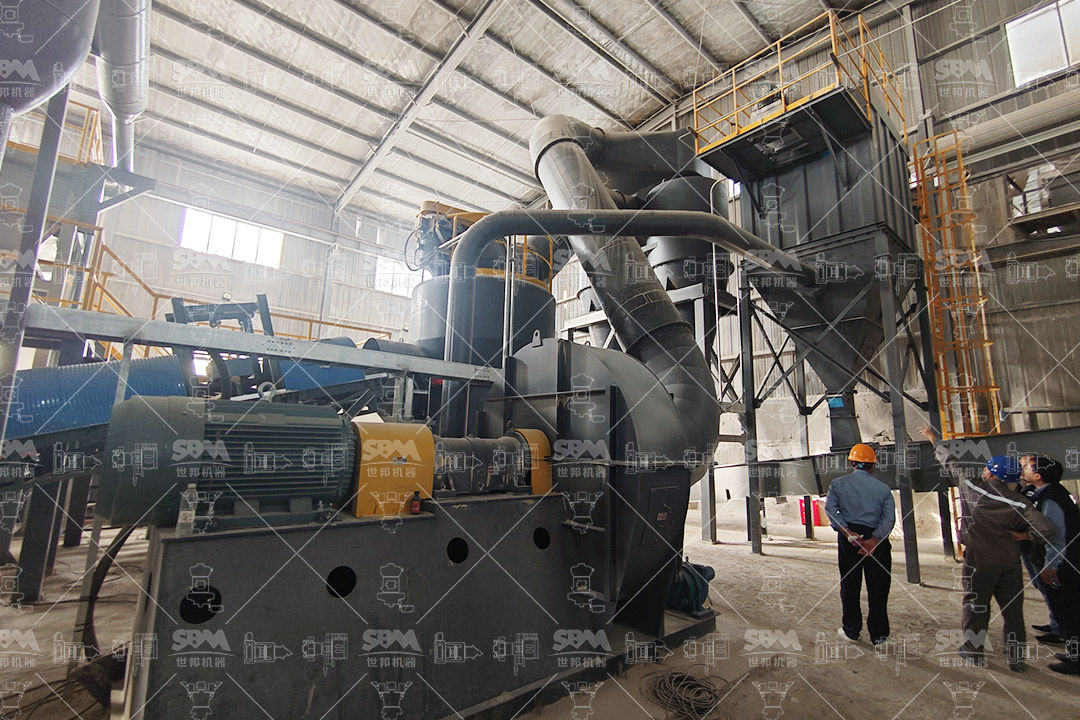
The crushed talc enters the grinding mill where it is ground between rollers and rings or tables and rollers. Centrifugal force and airflow transport the ground material to the classifier, where precise particle size separation occurs. Coarse particles are returned to the grinding zone for further reduction, while fine particles proceed to the collection stage. The SCM Series Ultrafine Mill’s vertical turbine classifier is particularly effective at this stage, ensuring that only particles within the target size range exit the mill.
Stage 3: Powder Collection
Ground talc powder is collected using cyclone collectors and pulse dust removal systems. The pulse dust collector captures fine particles that would otherwise be lost, achieving collection efficiency exceeding 99.9%. This not only maximizes product yield but also ensures environmental compliance.
Stage 4: Product Storage and Packaging
Finished talc powder is stored in silos before being packaged into bags, bulk containers, or specialized packaging for cosmetic and pharmaceutical applications. Quality control testing verifies particle size distribution, whiteness, moisture content, and chemical purity before shipment.
Key Considerations for Equipment Selection
When selecting equipment for ultra-fine talc powder production, several factors must be carefully evaluated:
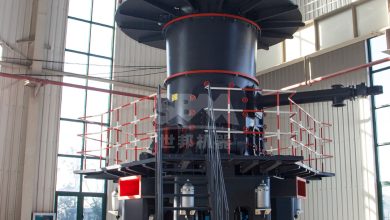
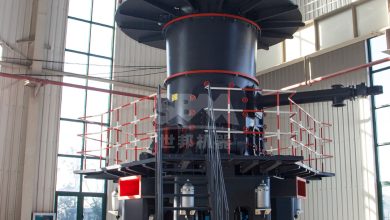
Target Fineness: For products finer than 800 mesh, ultrafine mills such as the SCM Series or LUM Ultrafine Vertical Roller Mill are recommended. For coarser grades, the MTW Series or MTM Series provides excellent cost-performance balance.
Production Capacity: Matching mill capacity to market demand avoids over-investment while ensuring the ability to scale. The SCM Series offers models from 0.5 t/h to 25 t/h, covering virtually every production scale.
Energy Efficiency: Grinding accounts for the majority of production costs in talc processing. Mills with high energy efficiency, such as the SCM Series (30% lower energy consumption than jet mills) and the LM Series Vertical Roller Mill (30-40% lower than ball mill systems), deliver significant long-term savings.
Product Quality: For cosmetic and pharmaceutical talc, preventing contamination and ensuring uniform particle size are paramount. Equipment with high-precision classification and dust-free operation is essential.
Maintenance and Downtime: Equipment designed for easy maintenance—such as the MTW Series with its combined shovel blades and the LM Series with its modular grinding roller assembly quick-change system—reduces downtime and lowers total cost of ownership.
Environmental and Safety Considerations
Modern talc processing facilities must comply with stringent environmental regulations. Dust emission must be controlled through efficient pulse dust collection systems, and noise levels should be minimized through soundproofing and equipment design. The SCM Series exemplifies these requirements with its pulse dust collection efficiency exceeding international standards and soundproof room design.
Additionally, talc processing requires attention to worker safety. While talc itself is not classified as a hazardous material, respirable crystalline silica may be present in some ore deposits. Enclosed systems with negative pressure operation, such as those employed in the LM Series Vertical Roller Mill, prevent dust leakage and protect worker health.
Conclusion
Producing ultra-fine talc powder efficiently requires a comprehensive understanding of raw material characteristics, grinding equipment capabilities, and process optimization. The SCM Series Ultrafine Mill and MTW Series European Trapezium Mill represent two of the most effective solutions available, covering the full range of fineness requirements from 30 mesh to 2500 mesh. By selecting the appropriate equipment and designing a well-integrated process flow, manufacturers can achieve high product quality, low operating costs, and environmental compliance.
As industries continue to demand finer, purer, and more consistent talc powder, investing in advanced grinding technology will remain a key competitive advantage. Whether you are establishing a new production line or upgrading existing equipment, partnering with a reputable mill manufacturer ensures that your investment delivers maximum returns for years to come.