
Bentonite Grinding Production Line Manual: Setup, Operation & Maintenance Guide
Introduction to Bentonite Processing
Bentonite, a naturally occurring clay mineral predominantly composed of montmorillonite, has become an indispensable industrial material across a wide spectrum of applications. Its unique properties—including high swelling capacity, excellent adsorption, thixotropic behavior, and cation exchange capability—make it essential in drilling muds, foundry sands, cat litter, cosmetics, pharmaceuticals, construction, and environmental remediation. As global demand for processed bentonite continues to rise, the efficient setup, operation, and maintenance of a bentonite grinding production line have become critical concerns for manufacturers and investors alike.
This manual provides a comprehensive guide to establishing and managing a bentonite grinding production line. Whether you are setting up a new facility or optimizing an existing one, the principles outlined here will help you achieve consistent product quality, maximize throughput, and minimize operational costs.
Understanding Bentonite and Its Grinding Requirements
Bentonite is typically classified into sodium bentonite (swelling) and calcium bentonite (non-swelling). Sodium bentonite can absorb several times its weight in water and is widely used in drilling and civil engineering. Calcium bentonite is often activated with soda ash to enhance its properties and is commonly used in foundry and absorbent applications.
Before grinding, raw bentonite is usually crushed to a manageable feed size. The required finished fineness depends on the end-use application. For drilling mud, fineness typically ranges from 200 to 325 mesh. For cat litter and foundry applications, coarser grades (30–100 mesh) may suffice. For specialized uses such as nano-composites or pharmaceutical excipients, ultrafine grinding down to 1000–2500 mesh may be necessary.
Production Line Setup and Equipment Selection
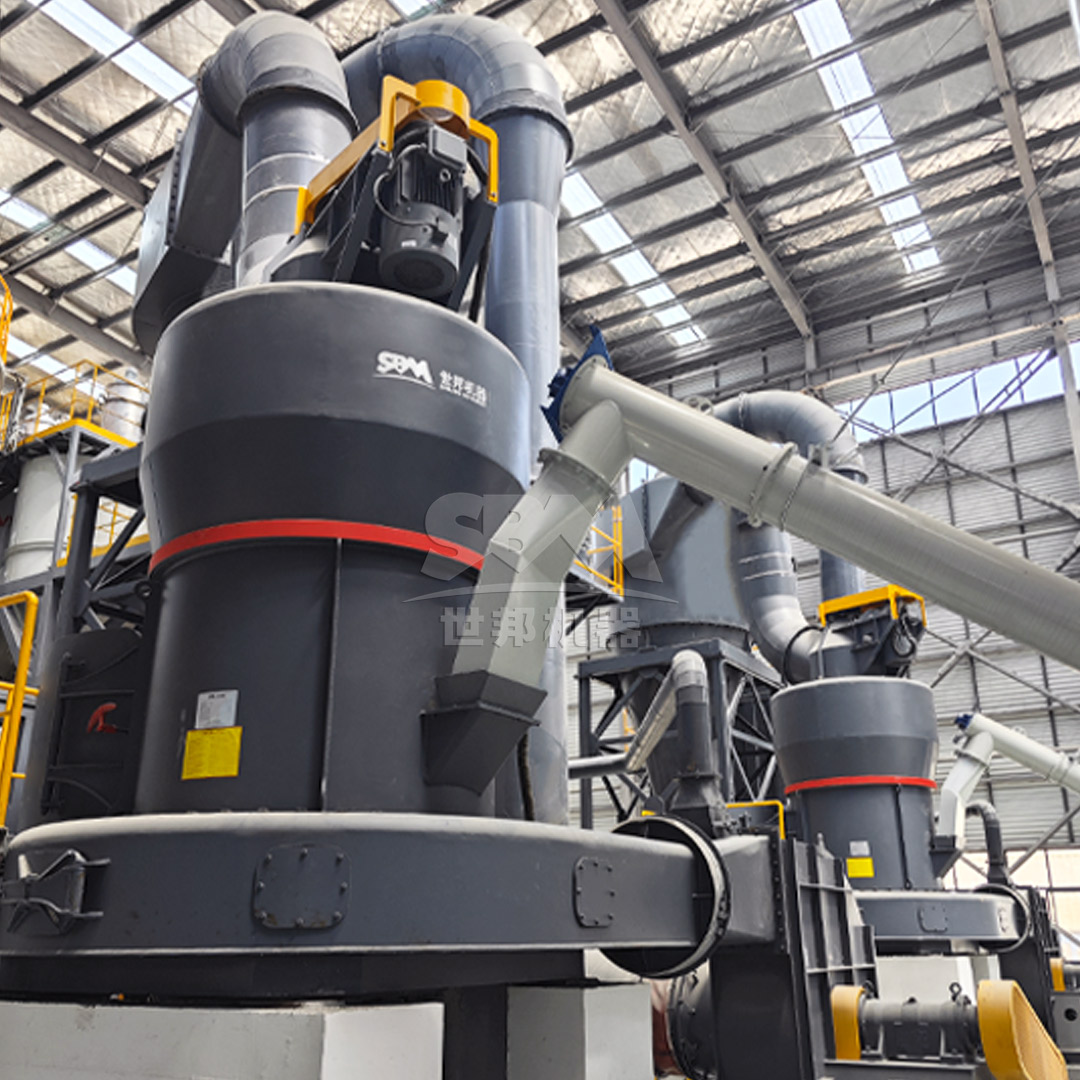
A typical bentonite grinding production line consists of several stages: raw material storage, crushing, grinding, classification, powder collection, and packaging. The selection of grinding equipment is the most critical decision, as it directly affects capacity, fineness, energy consumption, and product quality.
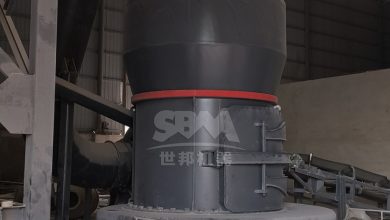
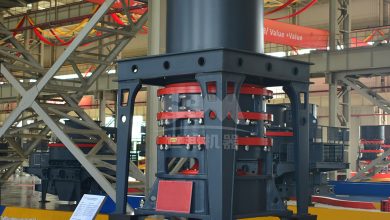
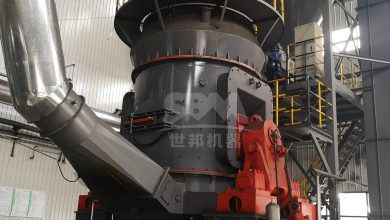
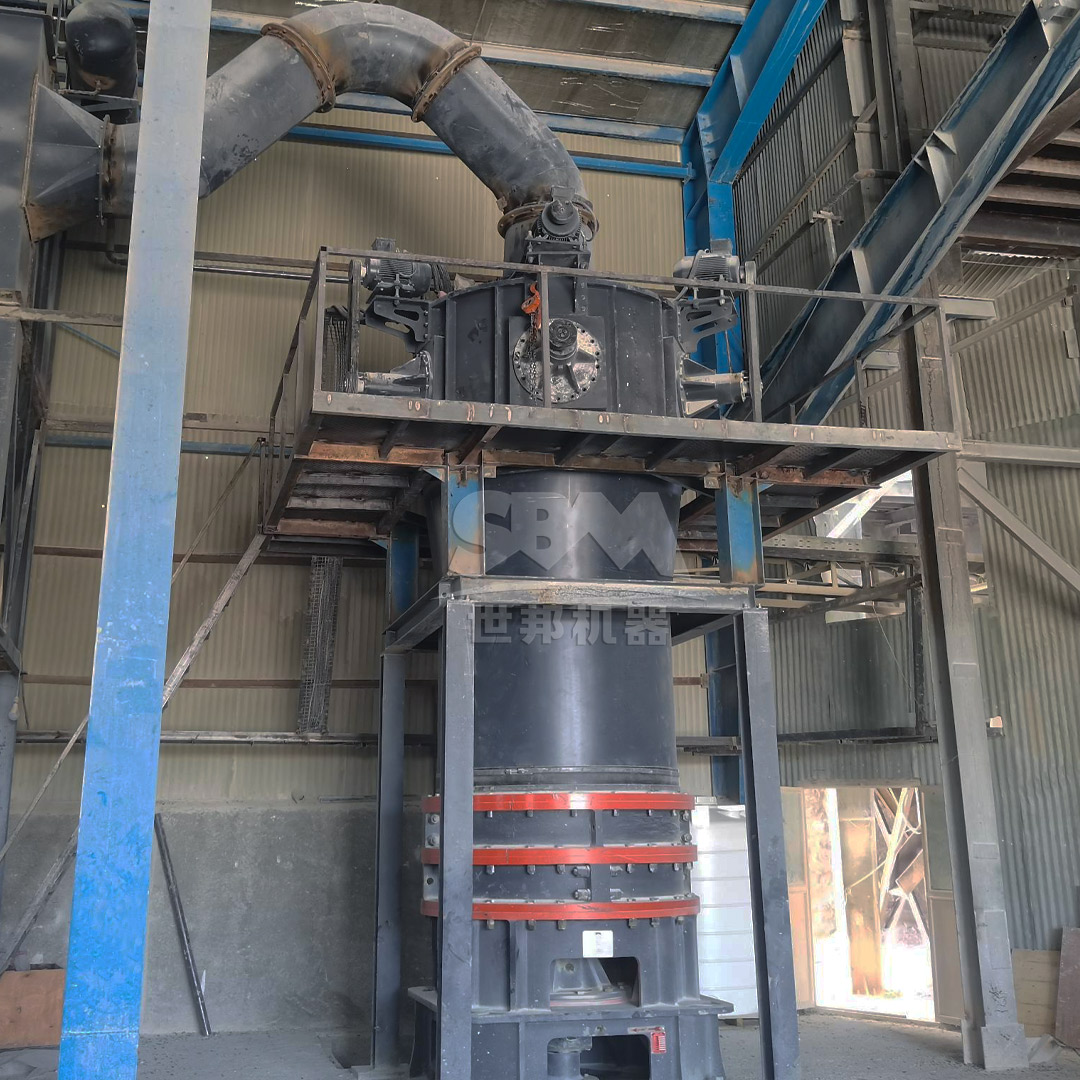
For ultrafine bentonite grinding (325–2500 mesh), the SCM Series Ultrafine Mill is an excellent choice. With its vertical turbine classifier, it achieves precise particle size cutting and ensures uniform finished products without coarse powder mixing. The SCM series offers capacities from 0.5 to 25 tons per hour, making it suitable for both small and large-scale operations. Its intelligent control system provides automatic finished product granularity feedback, while the pulse dust collection system exceeds international environmental standards. The durable rollers and rings extend service life significantly, reducing maintenance costs.
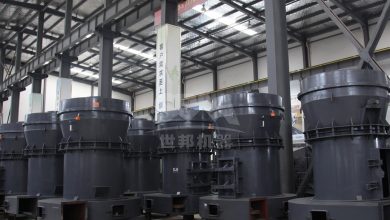
For medium to coarse grinding (30–325 mesh) with higher capacities, the MTW Series European Trapezium Mill is highly recommended. Its anti-wear shovel design and optimized arc air duct reduce energy loss and maintenance costs. The integral bevel gear drive achieves transmission efficiency up to 98%, and the wear-resistant volute structure improves air selection efficiency. With models ranging from 3 to 45 tons per hour, the MTW series is ideal for processing bentonite for foundry, cat litter, and drilling mud applications.
Installation and Commissioning
Proper installation is the foundation of reliable operation. Begin by preparing a level foundation that can withstand the dynamic loads of the mill. Ensure adequate space for maintenance access and material handling. For the SCM Series Ultrafine Mill, the foundation must accommodate the main unit, classifier, cyclone collector, pulse dust collector, and fan. Electrical wiring should follow local codes and be protected from dust and moisture.
During commissioning, start auxiliary equipment first (lubrication system, classifiers, fans) before the main mill. Gradually feed material and monitor parameters such as motor current, bearing temperature, and product fineness. Adjust the classifier speed and airflow to achieve the desired particle size distribution. For the MTW Series European Trapezium Mill, check the bevel gear drive alignment and ensure proper lubrication of the roller assembly.
Operating Procedures for Optimal Performance
Consistent operation is key to product quality and equipment longevity. Feed material should be dry and free of foreign objects. For bentonite, moisture content should typically be below 6–8% to prevent clogging and ensure efficient grinding. In the SCM Series Ultrafine Mill, the shaftless screw grinding chamber ensures stable operation even with varying feed characteristics. The intelligent control system automatically adjusts grinding pressure and classifier speed to maintain target fineness.
In the MTW Series European Trapezium Mill, the shovel blades throw material between the ring and rollers to form a material layer. The grinding pressure is generated by centrifugal force, and the classification system precisely controls the finished product size. Operators should monitor the current draw of the main motor; a sudden increase may indicate overfeeding or a foreign object in the grinding chamber.
Maintenance Schedule and Best Practices
Regular maintenance prevents unexpected downtime and extends equipment life. Develop a schedule that includes daily, weekly, monthly, and annual tasks.
- Daily: Check lubrication oil levels, listen for unusual noises, inspect for dust leaks, and record operating parameters.
- Weekly: Inspect grinding rollers and rings for wear, check classifier blades for damage, and clean pulse dust collector filters.
- Monthly: Replace or top up lubrication oil, check belt tension, inspect electrical connections, and calibrate sensors.
- Annually: Perform a comprehensive overhaul, replace worn wear parts (rollers, rings, shovel blades), and re-calibrate the control system.
For the SCM Series Ultrafine Mill, special attention should be paid to the vertical turbine classifier and the pulse dust collection system. The special material rollers and rings are designed to last several times longer than standard components, but they should still be inspected regularly. For the MTW Series, the combined shovel blades and curved grinding rollers require periodic replacement. The internal suction oil lubrication system in the MTW series ensures reliable operation, but oil quality should be checked monthly.
Troubleshooting Common Issues
Even with proper operation and maintenance, issues may arise. Below are common problems and their solutions:
- Low capacity: Check feed size, moisture content, and classifier settings. Worn grinding rollers or rings may also reduce capacity.
- Product fineness out of spec: Adjust classifier speed or airflow. Inspect classifier blades for wear. In the SCM Series, verify the automatic feedback system is functioning.
- Excessive vibration: Check for unbalanced grinding rollers, loose foundation bolts, or foreign objects in the grinding chamber.
- Dust emission: Inspect pulse dust collector bags for tears or blockages. Ensure negative pressure is maintained.
- High energy consumption: Optimize grinding pressure and airflow. Consider upgrading to a more efficient mill, such as the SCM Series, which consumes 30% less energy than jet mills.
Safety and Environmental Compliance
Bentonite dust can be irritating to the respiratory system. Ensure proper ventilation and use personal protective equipment (dust masks, goggles, gloves). The production line should be equipped with effective dust collection systems. Both the SCM Series and MTW Series mills feature advanced pulse dust removal technology that exceeds international standards. Noise levels should be monitored, and soundproof rooms or enclosures may be required. Regular safety training for operators is essential.
Conclusion
Setting up and operating a bentonite grinding production line requires careful planning, correct equipment selection, and disciplined operation and maintenance. By choosing the right mill—such as the SCM Series Ultrafine Mill for ultrafine applications or the MTW Series European Trapezium Mill for medium to coarse grinding—you can achieve high efficiency, product consistency, and low operating costs. Follow the guidelines in this manual to ensure a successful and profitable bentonite processing operation.