Sepiolite Grinding Mill Production Line: Market Applications and Industry Uses
Introduction to Sepiolite and Its Industrial Significance
Sepiolite is a naturally occurring hydrated magnesium silicate clay mineral with a unique fibrous morphology and a high specific surface area. Its distinctive channel-like crystal structure, composed of alternating blocks and tunnels, gives sepiolite exceptional adsorption capacity, thermal stability, and rheological properties. These characteristics make sepiolite a highly versatile industrial mineral with applications spanning agriculture, construction, environmental protection, pharmaceuticals, and advanced materials.
As global demand for high-performance mineral fillers and adsorbents continues to rise, the efficient processing of sepiolite has become a critical concern for producers. The key to unlocking sepiolite’s full commercial potential lies in advanced grinding and classification technology that can deliver consistent particle size distributions, preserve the mineral’s fibrous structure, and meet the stringent specifications of diverse end-use markets. This article explores the market applications of sepiolite, the role of modern grinding mill production lines, and how selecting the right equipment can significantly impact product quality and operational profitability.
Key Market Applications of Processed Sepiolite
Agriculture and Animal Husbandry
One of the largest and most established markets for processed sepiolite is in agriculture and animal husbandry. Due to its excellent absorption properties, sepiolite powder is widely used as an animal litter additive, a feed binder, and a soil conditioner. In poultry and livestock operations, sepiolite-based litter helps control moisture and ammonia odors, improving animal health and reducing environmental impact. As a soil amendment, finely ground sepiolite improves water retention, aeration, and nutrient exchange in sandy or degraded soils. For these applications, a grinding mill capable of producing consistent 100–325 mesh powders with high throughput is essential.
Construction and Building Materials
The construction industry represents another major consumer of processed sepiolite. It is used as an additive in specialty mortars, plasters, and coatings to improve workability, water retention, and crack resistance. Sepiolite’s thixotropic behavior makes it valuable in drilling muds and as a rheology modifier in cementitious systems. In lightweight construction products, calcined sepiolite serves as a filler that reduces density while maintaining mechanical strength. Grinding to 200–400 mesh is typically required for these applications, with precise control over particle size distribution to ensure consistent performance.
Environmental Protection and Adsorbents
Sepiolite’s high surface area and cation exchange capacity make it an outstanding natural adsorbent. It is extensively used for wastewater treatment, oil spill remediation, and air purification. Modified sepiolite products are employed to remove heavy metals, dyes, and organic pollutants from industrial effluents. In the petrochemical sector, sepiolite-based adsorbents purify oils and gases. These high-value applications demand ultrafine grinding in the range of 325–1250 mesh to maximize surface area and adsorption kinetics, making the choice of grinding equipment particularly important.
Pharmaceuticals, Cosmetics, and Personal Care
In the pharmaceutical and cosmetic industries, sepiolite is valued for its inertness, high absorption capacity, and smooth texture. It is used as a carrier for active ingredients, a tablet excipient, and a thickener in creams and lotions. Cosmetic-grade sepiolite requires strict control over particle size, purity, and microbial content, often necessitating ultrafine grinding to 800–2500 mesh with contamination-free processing. The ability to achieve these fine sizes without introducing metallic wear debris is a key differentiator among grinding mill technologies.
Advanced Materials and Specialty Chemicals
Emerging applications for sepiolite include its use as a nanofiller in polymer composites, a support for catalysts, and a precursor for advanced ceramic materials. In polymer nanocomposites, sepiolite fibers improve mechanical strength, thermal stability, and flame retardancy at low loading levels. For catalyst support, controlled porosity and surface chemistry are critical, requiring precise particle engineering through advanced grinding and classification systems. These high-tech applications often specify ultrafine grades below 5 microns, pushing the limits of conventional milling equipment.
The Role of Grinding Mill Production Lines in Sepiolite Processing
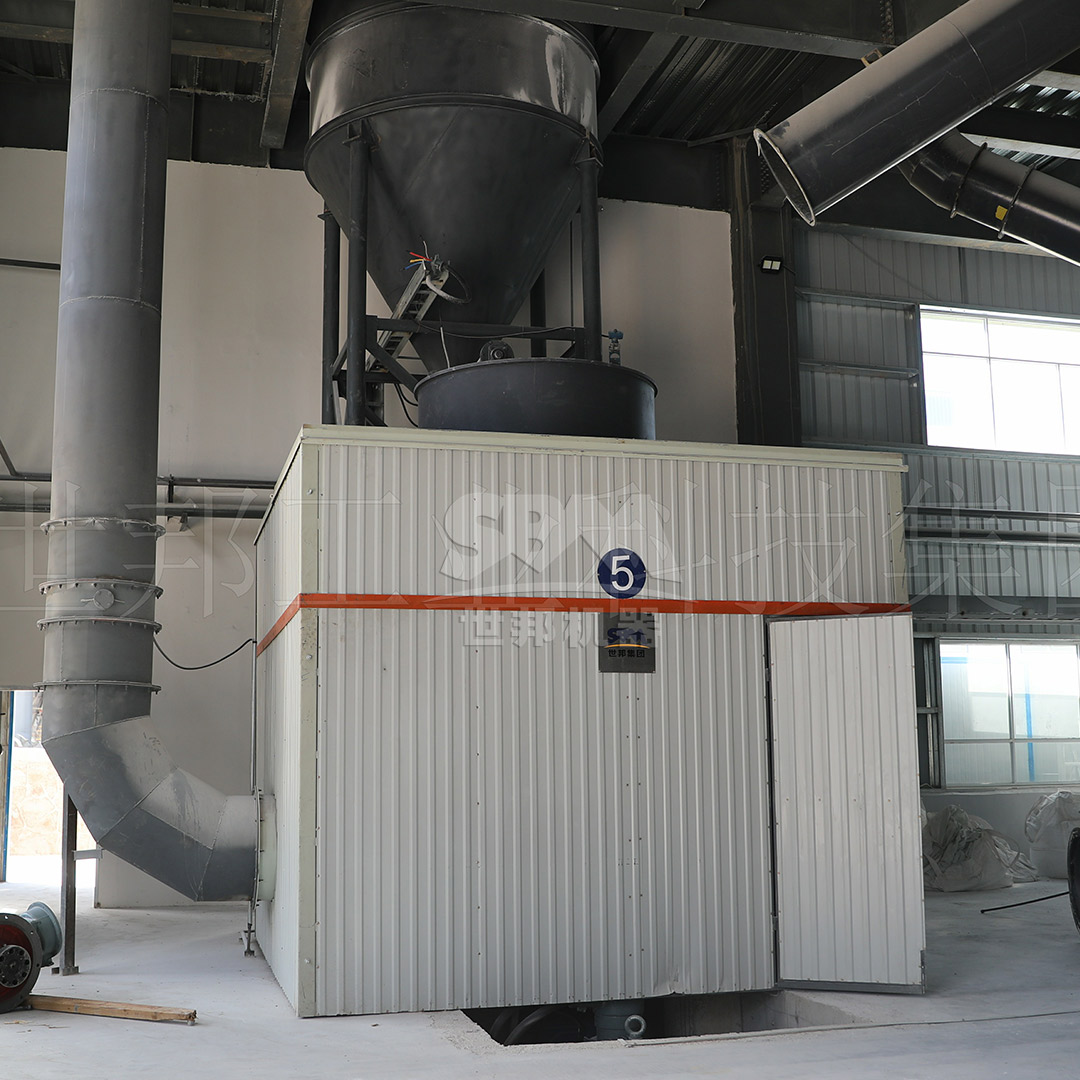
A complete sepiolite grinding mill production line typically consists of crushing equipment, feeding systems, the main grinding mill, classification systems, dust collection units, and finished product conveying and storage systems. The configuration of this production line directly determines the final product’s fineness, particle size distribution, morphology, and overall quality. Sepiolite’s fibrous and relatively soft nature (Mohs hardness 2–2.5) means that gentle grinding methods are preferred to avoid damaging the fiber structure, which is essential for maintaining the material’s high aspect ratio and adsorption properties.
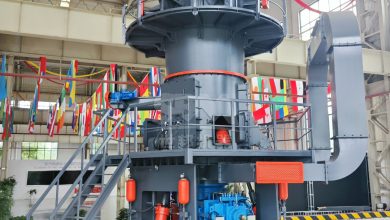
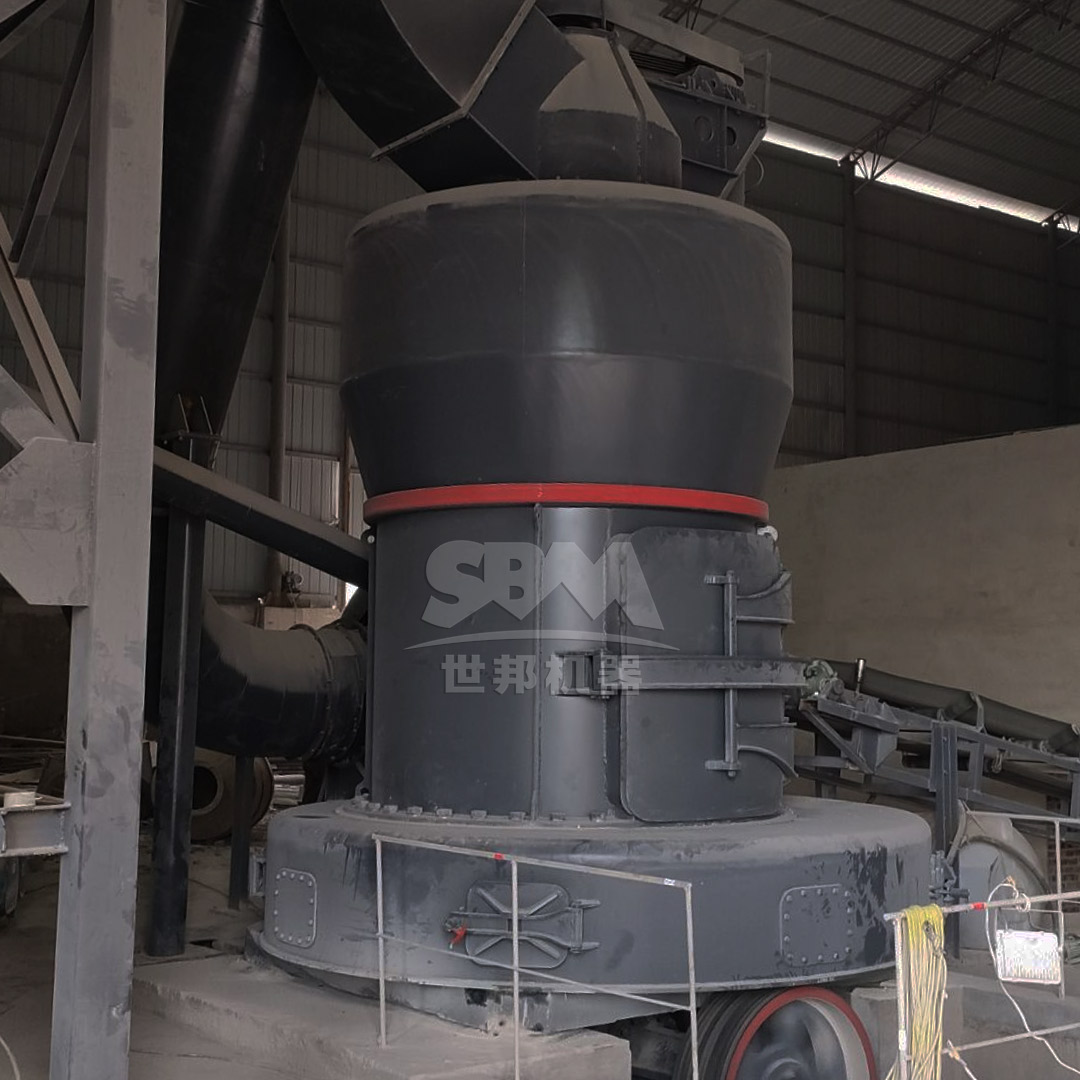
For coarse to medium-fine applications (30–325 mesh), European trapezium mills and medium-speed trapezium mills offer an excellent balance of capacity, efficiency, and product quality. For ultrafine applications (325–2500 mesh), ultrafine mills and vertical roller mills are the preferred solutions. The choice depends on the target market, required capacity, energy costs, and capital investment considerations.
Recommended Equipment: SCM Series Ultrafine Mill for High-Value Sepiolite Products
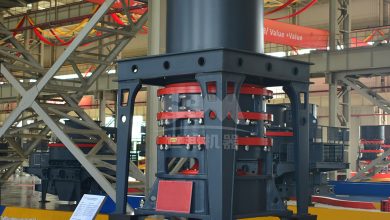
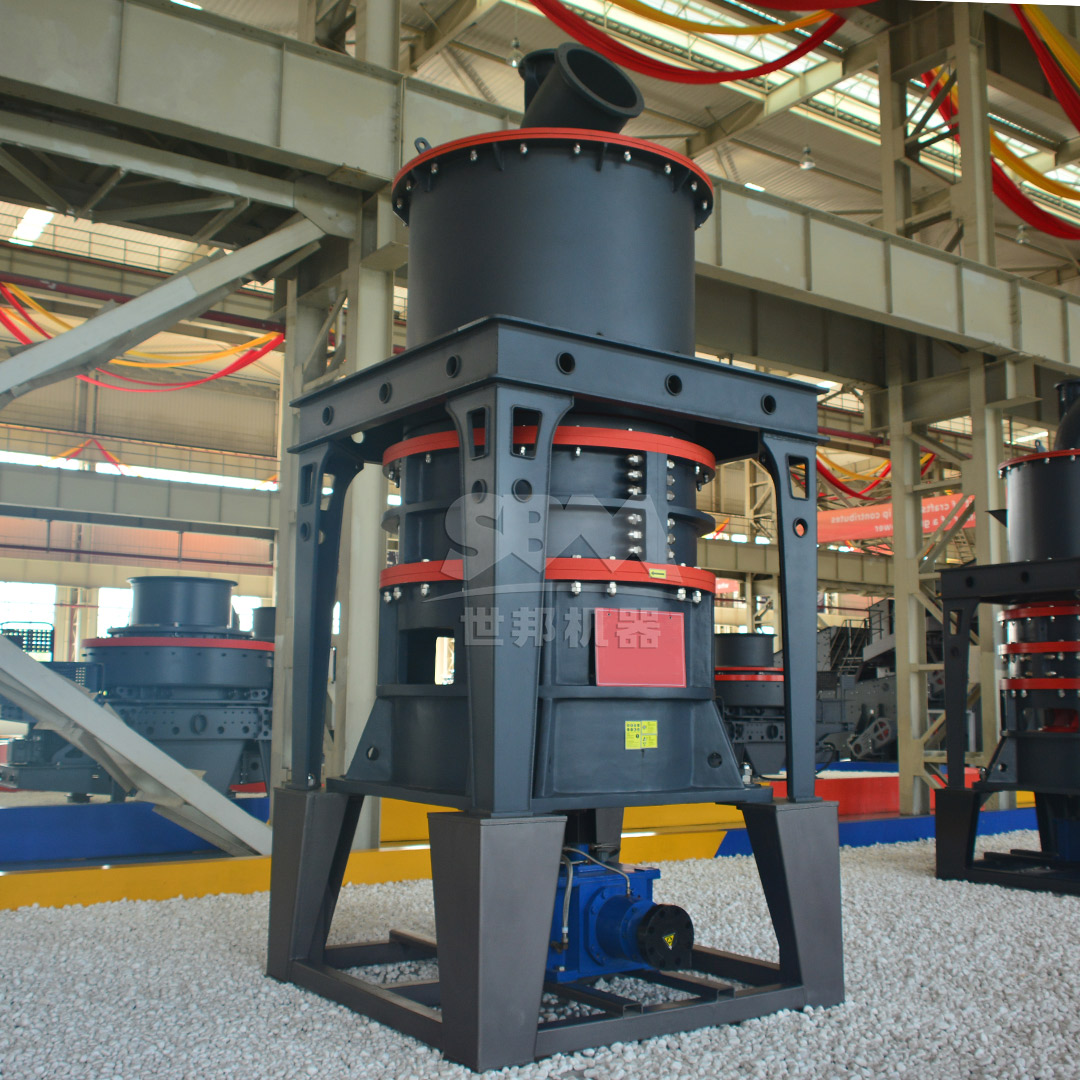
For producers targeting the high-value ultrafine sepiolite market—such as pharmaceuticals, cosmetics, advanced adsorbents, and polymer nanocomposites—the SCM Series Ultrafine Mill represents an ideal solution. This equipment is specifically engineered to deliver the precision and consistency that these demanding applications require.
The SCM Series Ultrafine Mill accepts input sizes up to 20mm and produces finished products in the range of 325–2500 mesh, covering the full spectrum of ultrafine sepiolite grades. With capacities ranging from 0.5 to 25 tons per hour depending on the model, it can be scaled to meet the needs of both specialized producers and large-scale industrial operations.
Key technical advantages that make the SCM Series particularly well-suited for sepiolite processing include:
- High Efficiency and Energy Saving: The SCM Series achieves twice the capacity of conventional jet mills while consuming 30% less energy. Intelligent control with automatic finished product granularity feedback ensures consistent output quality with minimal operator intervention.
- High-Precision Classification: The vertical turbine classifier provides precise particle size cutting, eliminating coarse powder contamination and ensuring a uniform finished product. This is particularly important for sepiolite applications where a narrow particle size distribution is critical.
- Durable Design: Special material rollers and rings extend service life several times over compared to standard components. The shaftless screw grinding chamber ensures stable operation and reduces maintenance downtime.
- Eco-friendly and Low Noise: The pulse dust collection system exceeds international standards, and the soundproof room design keeps noise levels well within regulatory limits—an important consideration for facilities located near residential or commercial areas.
Available models include the SCM800 (0.5–4.5 t/h), SCM900 (0.8–6.5 t/h), SCM1000 (1.0–8.5 t/h), SCM1250 (2.5–14 t/h), and SCM1680 (5.0–25 t/h), providing flexibility to match production requirements at any scale.
Recommended Equipment: MTW Series European Trapezium Mill for Medium-Fine Sepiolite Production
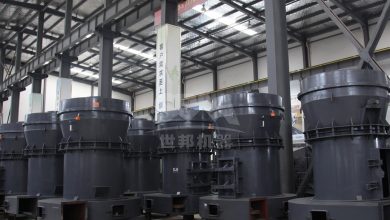
For producers focused on medium-fine sepiolite products in the 30–325 mesh range—serving agriculture, construction, and general industrial adsorbent markets—the MTW Series European Trapezium Mill offers outstanding performance and cost efficiency.
The MTW Series accepts feed sizes up to 50mm and delivers finished products from 30 to 325 mesh (down to 0.038mm). With capacities from 3 to 45 tons per hour, it is well-suited to large-scale continuous production. Its optimized design incorporates several features that enhance both productivity and product quality:
- Anti-wear Shovel Design: Combined shovel blades and curved grinding roller profiles reduce maintenance costs and extend wear part life, lowering total cost of ownership.
- Optimized Arc Air Duct: The redesigned air duct reduces airflow energy loss and improves transmission efficiency, while high-strength guard plates protect the working surface from abrasive wear.
- Integral Bevel Gear Drive: Transmission efficiency reaches 98%, saving space and reducing installation costs compared to conventional drive systems.
- Wear-resistant Volute Structure: The non-resistance flow design improves air selection efficiency and reduces maintenance costs by 30%.
Models range from the MTW110 (3–9 t/h) to the MTW215G (15–45 t/h), with the MRN158, MRN198, and MRN218 models also available for specialized requirements. This range ensures that producers can select the optimal model for their specific capacity and fineness targets.
Selecting the Right Production Line Configuration
When designing a sepiolite grinding production line, several factors must be carefully considered to ensure optimal performance and return on investment:
Raw Material Characteristics
Sepiolite deposits vary significantly in purity, moisture content, fiber length, and associated minerals. A thorough mineralogical analysis should precede equipment selection. For high-purity, fibrous sepiolite destined for ultrafine applications, the SCM Series Ultrafine Mill offers the gentle, precise grinding action required. For bulkier, lower-grade material intended for agricultural or construction use, the MTW Series European Trapezium Mill provides higher throughput at lower cost per ton.
Target Product Specifications
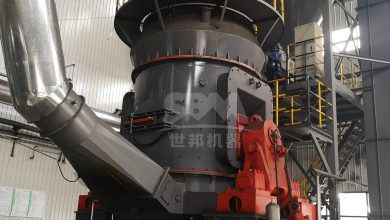
The required fineness and particle size distribution are the primary drivers of equipment selection. Products in the 30–325 mesh range are efficiently produced by the MTW Series and similar trapezium mills. Ultrafine grades from 325 to 2500 mesh require the SCM Series or vertical roller mills such as the LUM Ultrafine Vertical Roller Mill. In some cases, a two-stage grinding circuit—coarse grinding followed by ultrafine grinding—may be the most economical solution.
Capacity and Scalability
Production capacity requirements should be matched to equipment capabilities, with allowance for future expansion. The modular design of modern grinding mills allows for capacity upgrades with minimal disruption. For sepiolite producers planning to enter multiple markets simultaneously, a production line configured with both MTW and SCM mills can provide the flexibility to serve agricultural, construction, and high-value ultrafine customers from a single facility.
Environmental and Regulatory Compliance
Dust emissions, noise levels, and energy consumption are increasingly regulated in mineral processing operations worldwide. Both the SCM Series and MTW Series incorporate advanced dust collection and noise reduction features that help operators meet or exceed environmental standards. The pulse dust collection systems on these mills are designed to capture fine particulate matter efficiently, protecting both worker health and the surrounding environment.
Energy Efficiency and Operating Costs
Energy consumption is a major operating cost in sepiolite processing. The SCM Series Ultrafine Mill’s 30% lower energy consumption compared to jet mills, and the MTW Series’ optimized airflow design, can translate into substantial savings over the life of the equipment. Additionally, the extended wear part life and reduced maintenance requirements of these mills contribute to lower total cost of ownership.
Conclusion
The sepiolite market offers diverse and growing opportunities across agriculture, construction, environmental protection, pharmaceuticals, and advanced materials. Capturing value in these markets requires a thorough understanding of end-use requirements and the selection of grinding equipment that can consistently deliver the right particle size, morphology, and purity.
Whether targeting the high-value ultrafine segment with the SCM Series Ultrafine Mill or serving bulk markets with the MTW Series European Trapezium Mill, investing in the right grinding mill production line is fundamental to commercial success in sepiolite processing. As global demand for sepiolite continues to expand—driven by trends in sustainable agriculture, green construction, and advanced materials—producers who equip themselves with efficient, reliable, and environmentally compliant grinding technology will be best positioned to capture premium markets and build long-term competitive advantage.
For more information on how our grinding mill solutions can be tailored to your specific sepiolite processing requirements, please consult our technical team for a customized production line design and equipment recommendation.