Utilization of Yellow Phosphorus Furnace Slag and Introduction to Grinding Equipment
Yellow phosphorus furnace slag is a by-product generated during the production of yellow phosphorus by electric furnace method. For every ton of yellow phosphorus produced, approximately 8 to 10 tons of slag are discharged. Traditionally, this slag was considered industrial waste and disposed of in landfills or stockpiles, causing significant environmental pollution and land occupation. However, with the advancement of solid waste resource utilization technology, yellow phosphorus furnace slag has been recognized as a valuable secondary resource. Its main chemical components include calcium oxide (CaO), silicon dioxide (SiO2), and a small amount of alumina (Al2O3), which give it excellent potential for use in building materials, cement additives, road construction, and agricultural fertilizer.
The key to effectively utilizing yellow phosphorus furnace slag lies in crushing and grinding it into fine powder of specific particle sizes. The grinding process enables the slag to exhibit pozzolanic activity, making it suitable as a high-quality admixture for cement and concrete, thereby replacing part of the clinker and reducing carbon emissions. Furthermore, finely ground slag powder can be used as a raw material for producing slag cement, aerated concrete blocks, and mineral wool.
\n\n
The Importance of Grinding Yellow Phosphorus Slag
\n
The grinding of yellow phosphorus furnace slag requires efficient and energy-saving equipment to achieve the desired fineness and production capacity. The hardness and abrasiveness of the slag demand durable grinding components to ensure long service life and low maintenance costs. Moreover, environmental considerations such as dust control and noise reduction are critical factors in the selection of grinding equipment. Modern grinding mills must integrate crushing, grinding, classifying, and powder collection in a single system to optimize process flow and reduce operational complexity.
\n\n
Recommended Grinding Equipment for Yellow Phosphorus Slag
\n
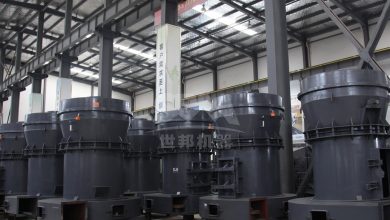
Based on the specific characteristics of yellow phosphorus furnace slag, several types of grinding mills can be employed, each with distinct advantages depending on the required fineness and capacity. For large-scale production with moderate fineness (30-325 mesh), the MTW Series European Trapezium Mill and LM Series Vertical Roller Mill are excellent choices. These mills offer high capacity, low energy consumption, and intelligent control systems. For applications requiring ultra-fine powder (325-2500 mesh), the SCM Series Ultrafine Mill and LUM Ultrafine Vertical Roller Mill are the most suitable solutions.
\n\n
In particular, our company offers two highly recommended products for processing yellow phosphorus furnace slag:
\n\n
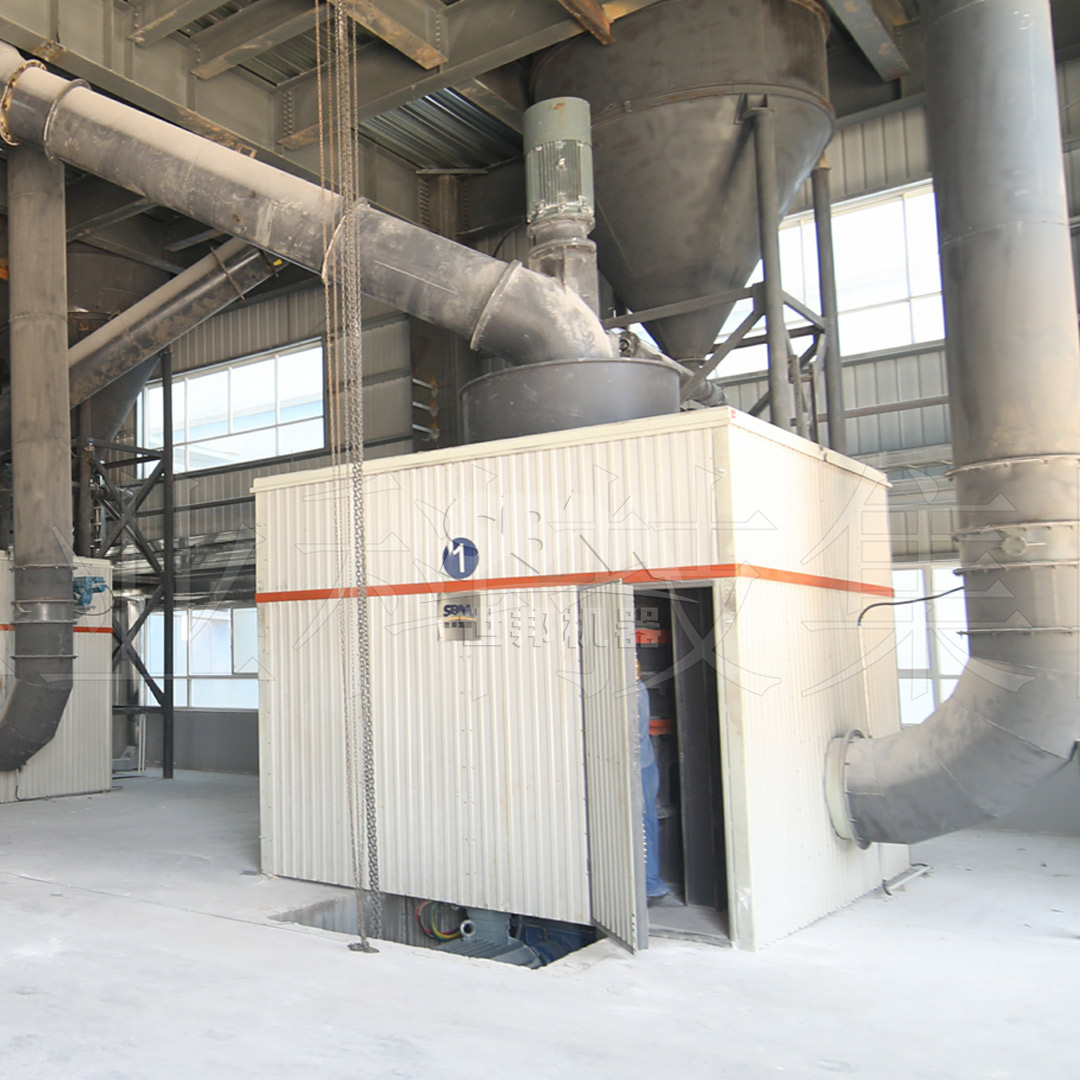
1. SCM Series Ultrafine Mill (45-5μm)
\n
This mill is specifically designed for ultra-fine grinding applications. With an input size of up to 20mm and an output fineness ranging from 325 to 2500 mesh (45-5μm), the SCM series is ideal for producing high-value slag powder. Its capacity ranges from 0.5 to 25 tons per hour, depending on the model. Key technical advantages include high efficiency and energy saving (capacity is 2 times that of jet mills with 30% lower energy consumption), high-precision classification via vertical turbine classifier, durable design with special material rollers and rings, and eco-friendly operation with pulse dust collection efficiency exceeding international standards.
\n\n
\n\n
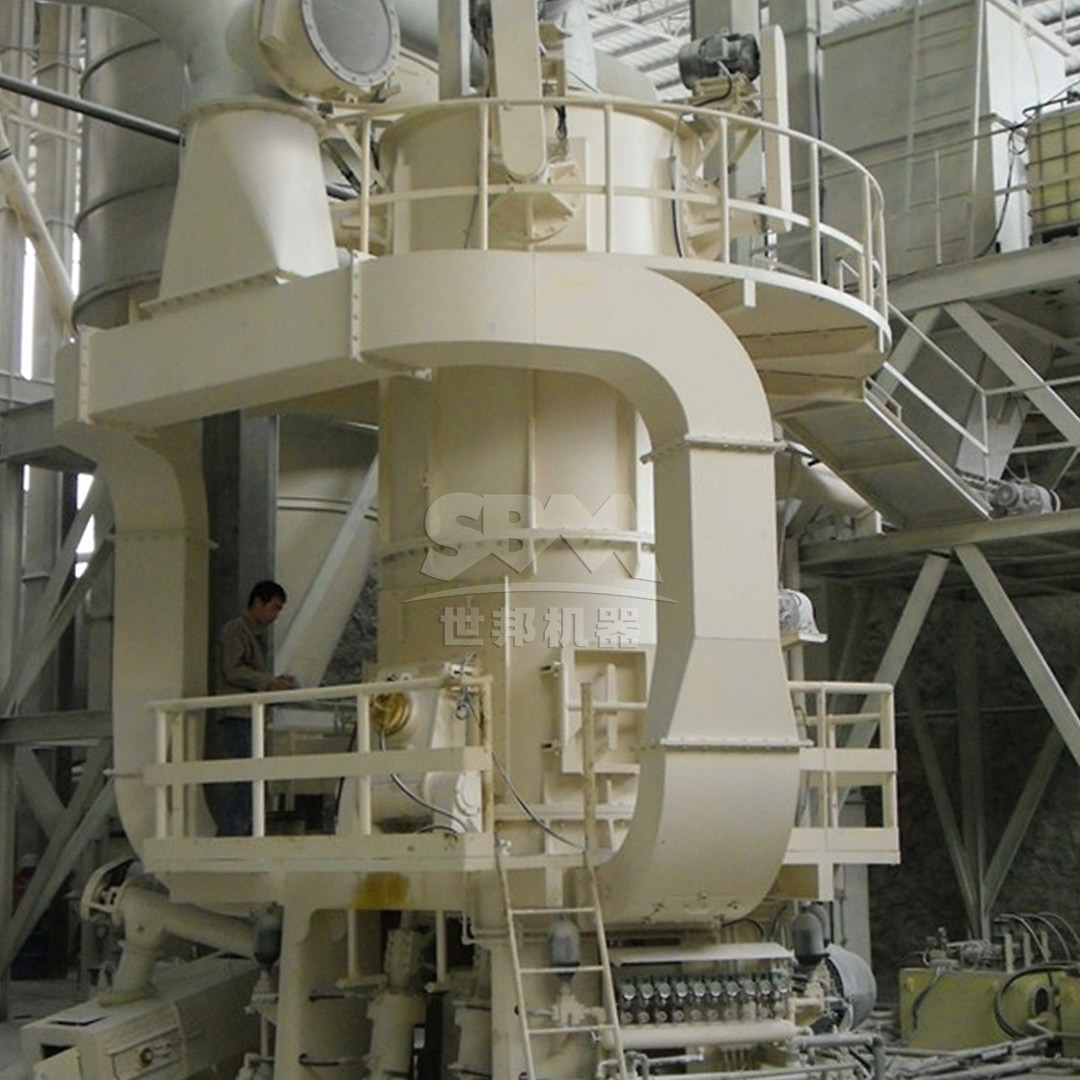
2. LM Series Vertical Roller Mill (600-45μm)
\n
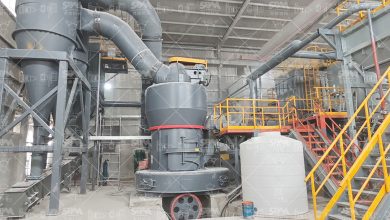
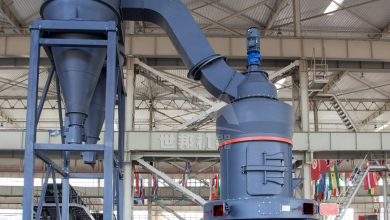
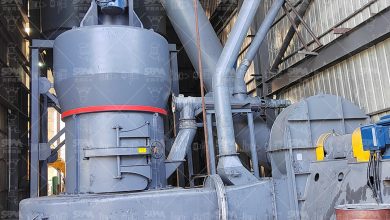
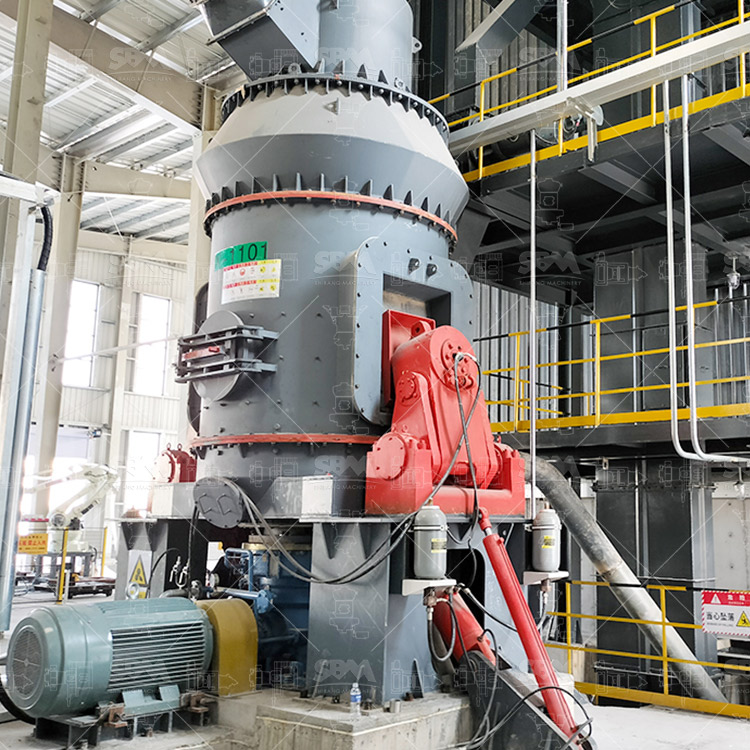
For larger capacity requirements with a fineness of 30-325 mesh (600-45μm), the LM series vertical roller mill is the top choice. It integrates crushing, grinding, drying, and classification into one unit, reducing floor space by 50% and infrastructure costs by 40%. The non-contact design between rollers and grinding table increases wear part life by 3 times, while energy consumption is 30-40% lower than ball mill systems. The intelligent control system supports remote monitoring and real-time parameter adjustment. With capacities ranging from 3 to 250 tons per hour, the LM series is perfectly suited for large-scale slag grinding plants.
\n\n
\n\n
Working Principle of Grinding Mills for Slag
\n
The working principle of these mills ensures efficient material reduction. In the SCM ultrafine mill, the main motor drives three layers of grinding rings to rotate. Materials are dispersed into the grinding path by centrifugal force, crushed by roller pressure, and ground layer by layer. The fine powder is then collected by a cyclone collector and a pulse dust removal system. In the LM vertical roller mill, the main motor drives the grinding table via a reducer. Materials enter through the central feed port and spread evenly by centrifugal force. Grinding rollers apply pressure to crush the material layer, and the classifier precisely controls the particle size. Qualified fines are carried by hot air to the classifier, while coarse powder returns for re-grinding.
\n\n
Process Flow for Yellow Phosphorus Slag Grinding
\n
A typical process flow for utilizing yellow phosphorus furnace slag includes the following steps: first, the slag is crushed by a jaw crusher or hammer mill to a size suitable for feeding into the grinding mill. Then, the crushed slag is conveyed to a hopper and fed into the mill via a vibrating feeder. After grinding, the powder is classified by an integrated classifier. Coarse particles are returned to the grinding chamber for further grinding, while fine particles are collected by a bag filter or cyclone collector. Finally, the finished slag powder is stored in a silo or directly packed for shipment.
\n\n
Environmental and Economic Benefits
\n
Utilizing yellow phosphorus furnace slag through grinding technology offers significant environmental and economic benefits. It reduces the accumulation of industrial solid waste, decreases land occupation, and prevents water and soil pollution. Economically, slag powder can be sold as a value-added product for the construction industry, generating substantial revenue. Additionally, the use of slag powder as a cement replacement reduces CO2 emissions from cement production, contributing to global carbon reduction targets. With our advanced grinding equipment, companies can achieve high-efficiency, low-energy, and environmentally friendly slag processing.
\n\n
\n\n
Conclusion
\n
The transformation of yellow phosphorus furnace slag from waste to valuable resource is an important trend in the circular economy. Selecting the right grinding equipment is crucial for maximizing the economic value and minimizing environmental impact. Our company’s SCM Series Ultrafine Mill and LM Series Vertical Roller Mill provide reliable, efficient, and durable solutions for grinding yellow phosphorus slag to various fineness levels. With advanced technology, intelligent control, and eco-friendly design, these mills can help customers achieve outstanding results in slag utilization projects.