Ways to Utilize Mine Waste Rock: Comprehensive Guide for Stone Powder Production
Introduction: Transforming a Liability into an Asset
The global mining industry generates billions of tons of waste rock annually, material extracted to access ore but with little to no economic value in its raw form. Traditionally, this waste rock has been relegated to stockpiles or tailings dams, representing a significant environmental liability, a source of acid mine drainage, and a substantial land-use footprint. However, a paradigm shift is underway. Through advanced processing technologies, this inert material can be transformed into valuable stone powder, unlocking new revenue streams, reducing environmental impact, and promoting a circular economy within the mining sector. This guide explores the comprehensive pathways for utilizing mine waste rock in stone powder production.
Understanding Mine Waste Rock for Powder Production
Not all waste rock is created equal. Its suitability for powder production depends on several key factors:
- Mineralogical Composition: Silicate-rich rocks (e.g., granite, basalt, some sandstones) are prime candidates. Carbonates like limestone are highly valuable. The presence of sulfides or heavy metals requires careful assessment and potential pre-treatment.
- Physical Properties: Hardness (Mohs scale), abrasiveness, and moisture content directly influence the selection of crushing and grinding equipment and operational costs.
- Chemical Stability: The material must be non-reactive or have controlled reactivity for its intended application.
A thorough geological and chemical analysis is the critical first step in any waste-to-value project.
Key Applications for Stone Powder from Waste Rock
The produced stone powder finds diverse markets, often replacing virgin-mined materials.
1. Construction and Building Materials
- Concrete and Mortar Additive: Fine powder can act as a supplementary cementitious material (SCM) or filler, improving workability and density.
- Artificial Sand and Aggregates: Processed and graded powder can be reconstituted into manufactured sand for concrete.
- Brick and Tile Manufacturing: Powder is used as a raw material in ceramic bodies.
- Asphalt Filler: Enhances the stability and durability of asphalt mixes.
2. Industrial Fillers and Extenders
- Plastics, Paints, and Coatings: High-purity, fine powders (like calcium carbonate from limestone waste) are used as fillers to reduce cost and modify properties.
- Paper Industry: Acts as a coating and filling pigment.
- Rubber and Polymer Composites: Improves mechanical properties and reduces material costs.
3. Agricultural and Environmental Applications
- Soil Amendment: Calcium-rich powders (e.g., from limestone waste) can neutralize acidic soils.
- Mine Site Rehabilitation: Used in capping tailings or as a growth medium component in land reclamation.
The Core Process: From Waste Rock to Marketable Powder
The transformation involves a multi-stage size reduction and classification process.
- Primary Crushing: Large waste rock is reduced to a manageable size (typically <50mm) using jaw crushers or gyratory crushers.
- Secondary Crushing & Screening: Further reduction and initial sizing, often using cone crushers or impact crushers, to prepare feed for grinding mills.
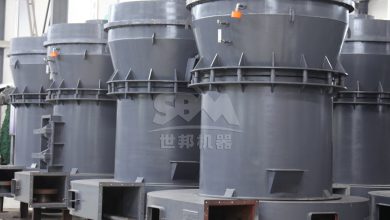
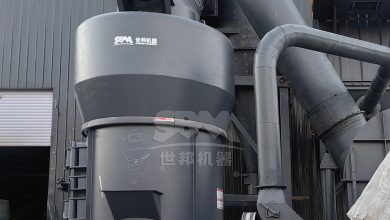
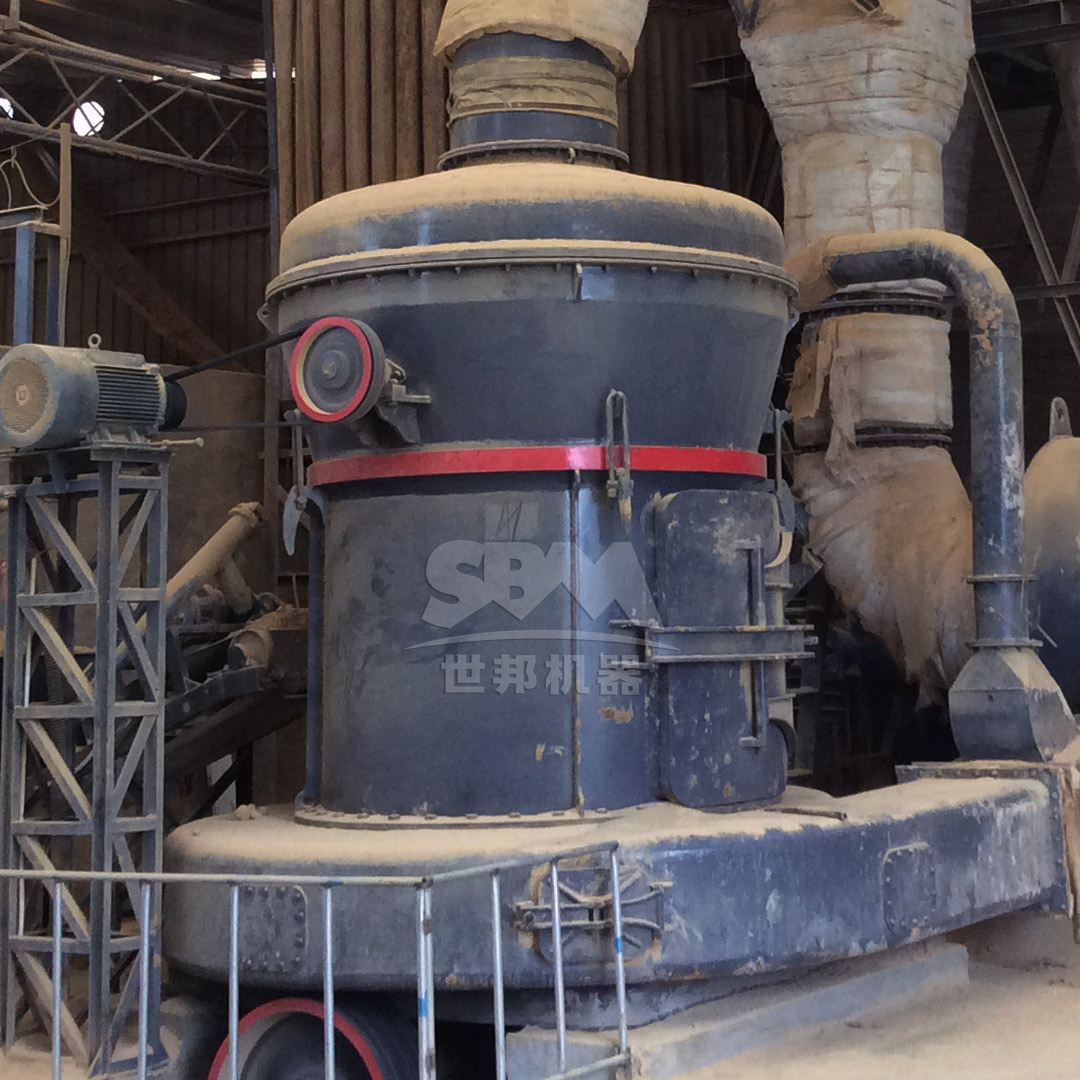
- Grinding (The Most Critical Stage): This is where the material is pulverized to the target fineness. The choice of grinding mill is paramount and depends on the desired final product size, capacity, and rock properties.
- Classification: Integrated or separate classifiers (e.g., air classifiers) separate the ground product into precise particle size fractions.
- Collection and Packaging: Powder is collected via efficient dust collection systems (cyclones, baghouses) and prepared for transport.
Selecting the Right Grinding Technology
The heart of any stone powder production line is the grinding mill. Different applications demand different fineness ranges, from coarse fillers to ultra-fine specialty powders.
For Coarse to Medium-Fine Powder (30-325 Mesh / 600-45μm)
This range is ideal for construction fillers, agricultural lime, and base material for further processing. High-capacity, robust mills are required.
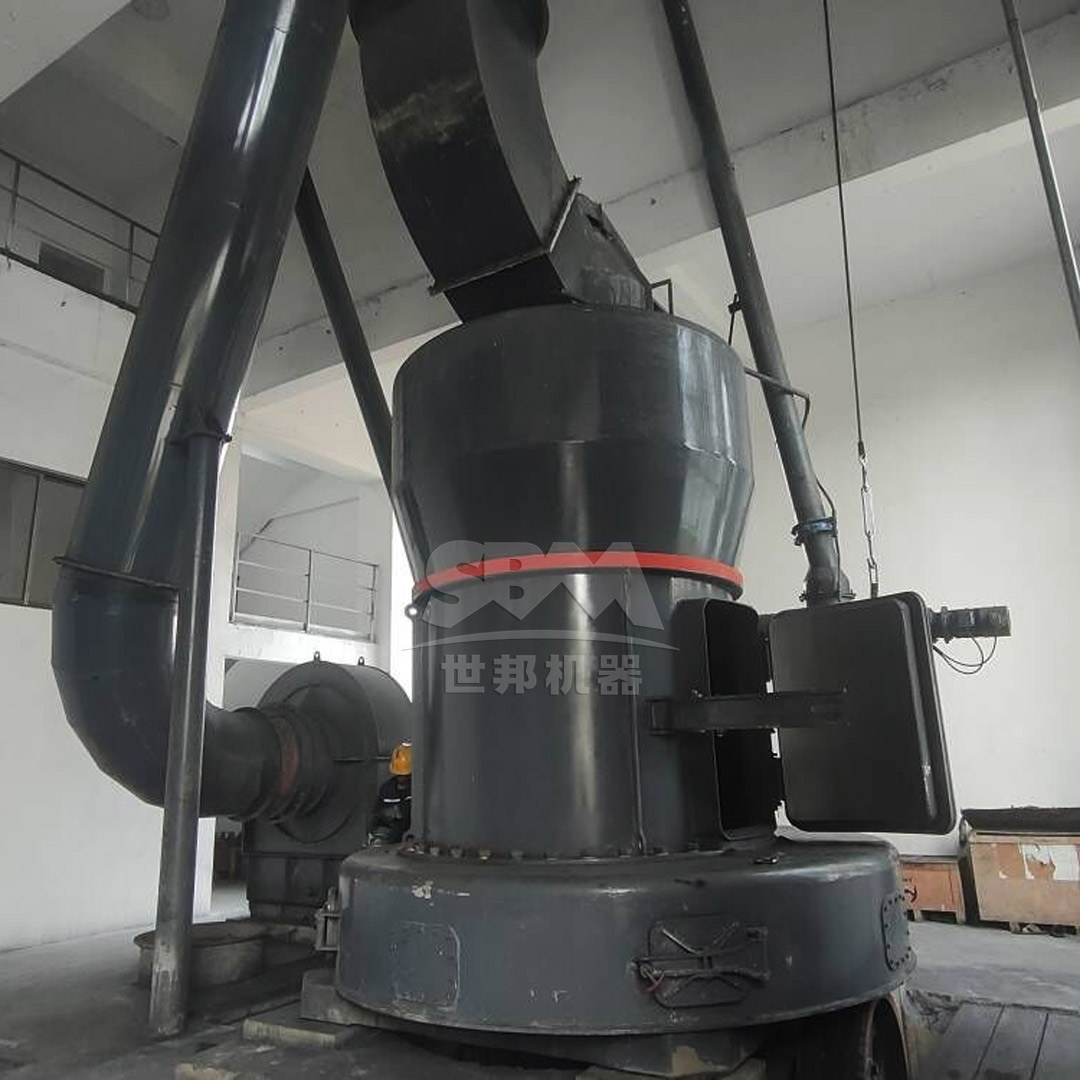
Recommended Technology: MTW Series European Trapezium Mill
For processing waste rock into powders in the 30-325 mesh range, the MTW Series European Trapezium Mill is an industry-leading solution. Its advantages are perfectly suited for this task:
- High Capacity & Robustness: With capacities from 3 to 45 tons per hour and accepting feed sizes up to 50mm, it can handle large volumes of waste rock efficiently.
- Durability & Low Wear: The patented anti-wear shovel design and wear-resistant volute structure are crucial for processing often abrasive waste rock, significantly reducing maintenance costs and downtime.
- Energy Efficiency: The integral bevel gear drive boasts 98% transmission efficiency, and the optimized arc air duct reduces energy loss, making it a cost-effective choice for large-scale operations.
- Precise Classification: It ensures a consistent product size, which is essential for meeting specifications in filler and construction markets.
For Ultra-Fine and High-Value Powder (325-2500 Mesh / 45-5μm)
Producing ultra-fine powder for plastics, paints, coatings, and advanced materials requires specialized technology that achieves precise particle size control and high whiteness retention.
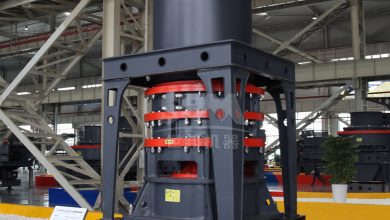
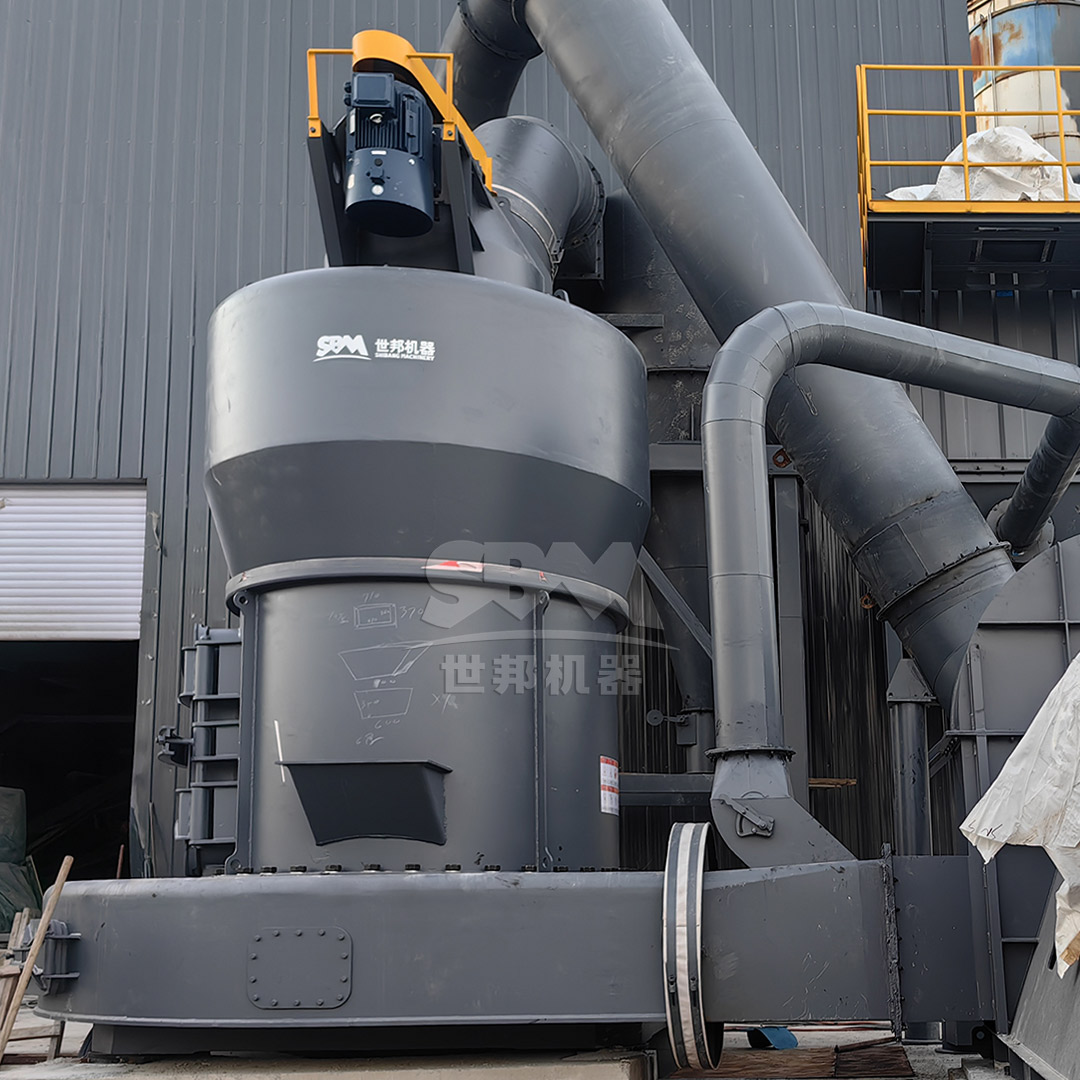
Recommended Technology: SCM Series Ultrafine Mill
When the project goal is to produce high-value, ultra-fine stone powder from waste rock, the SCM Series Ultrafine Mill is the optimal choice. It excels in the following areas:
- Exceptional Fineness & Uniformity: It reliably produces powder from 325 to 2500 mesh (45-5μm). Its high-precision vertical turbine classifier ensures no coarse powder mixing, resulting in a perfectly uniform product critical for premium applications.
- Superior Efficiency: Offering twice the capacity of traditional jet mills with 30% lower energy consumption, it provides an outstanding return on investment for high-value powder production.
- Eco-Friendly Operation: Its pulse dust collection system exceeds international emission standards, and the soundproof design minimizes noise pollution, ensuring the plant meets stringent environmental regulations.
- Durable Construction: Special material rollers and rings and a shaftless screw grinding chamber design guarantee stable, long-term operation with minimal wear part replacement, even with hard mineral feed.
Project Considerations and Best Practices
- Feedstock Homogeneity: Blending waste rock from different sources can ensure consistent feed for the mill, leading to a stable product quality.
- Moisture Control: High moisture can hinder grinding efficiency. Drying systems may need to be integrated before the grinding stage.
- Complete System Integration: The mill is the core, but success depends on a well-designed system including feeders, conveyors, classifiers, dust collectors, and packaging.
- Market Analysis: Identify target markets and required specifications (fineness, brightness, chemical composition) before finalizing the plant design.
- Economic and Environmental Benefits: A detailed feasibility study should quantify the reduction in waste disposal costs, potential revenue from powder sales, and the positive environmental impact through reduced landfilling.
Conclusion: Building a Sustainable Future
Utilizing mine waste rock for stone powder production is no longer just a theoretical concept but a practical and profitable strategy for forward-thinking mining companies. By leveraging advanced grinding technologies like the MTW Series Mill for high-volume medium-fine products and the SCM Series Ultrafine Mill for high-value specialty powders, operators can effectively turn an environmental burden into a significant economic opportunity. This approach not only generates new revenue but also aligns with global sustainability goals, reduces mine closure liabilities, and contributes to a more circular resource economy. The transformation from waste dump to valuable product line is within reach with the right technology and planning.