What is the Difference Between Light and Heavy Calcium Carbonate? Can Ultrafine Vertical Mill Heavy Calcium Replace Light Calcium?
Introduction: The Two Faces of Calcium Carbonate
Calcium carbonate (CaCO₃) is one of the most versatile and widely used industrial minerals globally, finding applications in plastics, paints, paper, adhesives, sealants, pharmaceuticals, and food. However, not all calcium carbonate is created equal. The industry primarily distinguishes between two fundamental types: Light Calcium Carbonate (Precipitated Calcium Carbonate, PCC) and Heavy Calcium Carbonate (Ground Calcium Carbonate, GCC). Understanding their distinct origins, properties, and applications is crucial for selecting the right material. Furthermore, with advancements in grinding technology, particularly ultrafine vertical roller mills, the performance gap between high-quality GCC and PCC is narrowing, opening new possibilities for material substitution and cost optimization.
Fundamental Differences: Origin and Production Process
The most fundamental distinction lies in their production methods.
Heavy Calcium Carbonate (GCC)
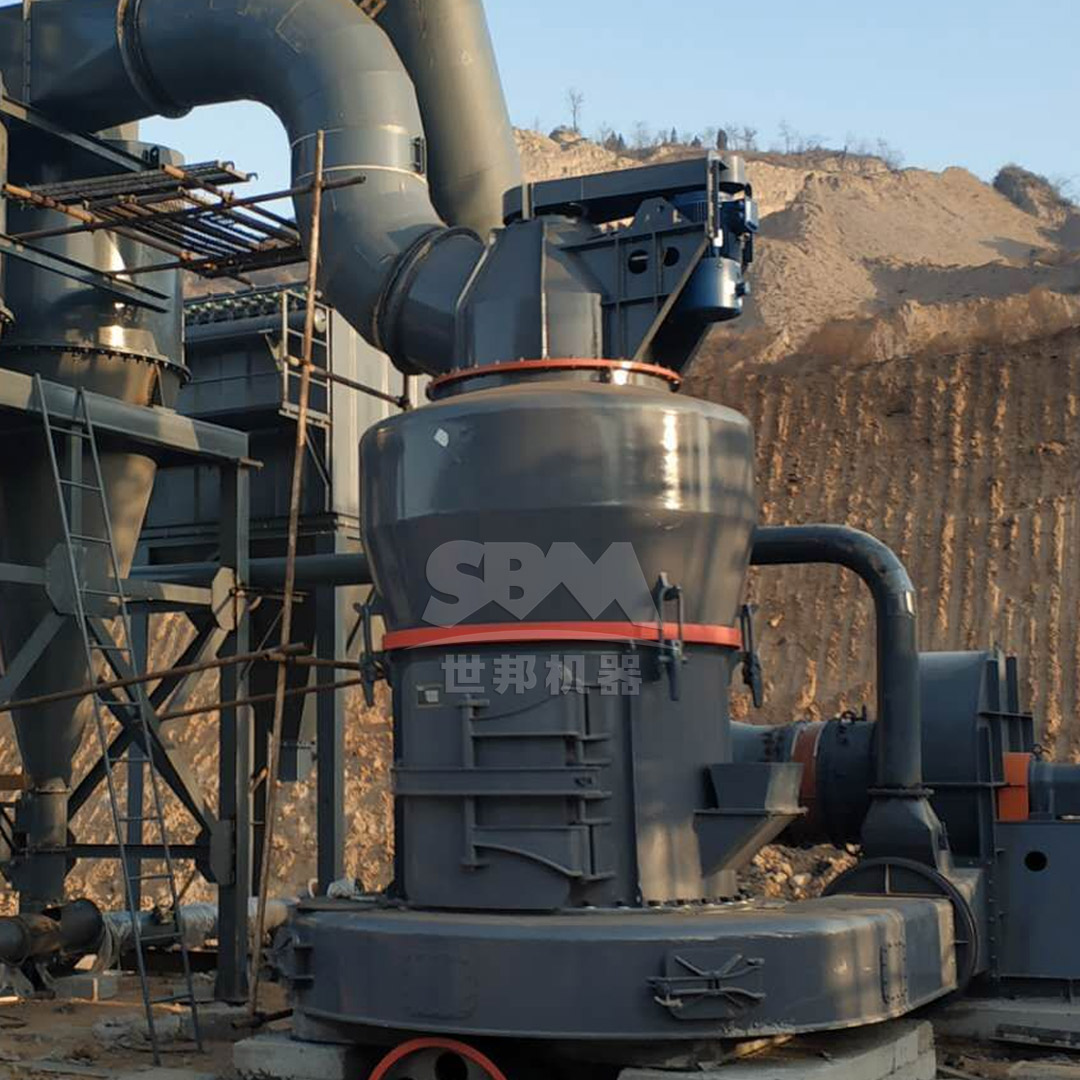
GCC is produced through the mechanical grinding of naturally occurring limestone, marble, or chalk. The process involves crushing, washing, and then fine grinding the raw mineral to the desired particle size distribution. The final product’s properties are intrinsically linked to the purity and crystalline structure of the source mineral. The grinding process is purely physical, preserving the original crystal morphology of the calcite.
Light Calcium Carbonate (PCC)
PCC, in contrast, is a synthetic product manufactured through a chemical precipitation process. Typically, high-calcium limestone is calcined to produce quicklime (CaO), which is then slaked with water to form calcium hydroxide (Ca(OH)₂, milk of lime). This slurry is then carbonated by introducing carbon dioxide (CO₂) gas. The reaction precipitates fine CaCO₃ crystals. This method allows for precise control over the crystal shape (e.g., scalenohedral, rhombohedral, prismatic), size, and surface chemistry during synthesis.
Comparative Analysis: Key Properties
| Property | Heavy Calcium Carbonate (GCC) | Light Calcium Carbonate (PCC) |
|---|---|---|
| Production Method | Mechanical grinding of natural minerals. | Chemical synthesis via precipitation. |
| Crystal Form | Irregular, depends on the ore source. Typically anhedral. | Uniform and controlled (e.g., rhombohedral, scalenohedral). |
| Particle Shape | Irregular, angular, broader distribution. | More regular, defined geometry. |
| Specific Surface Area | Lower (for equivalent top size). | Generally higher due to porous aggregates. |
| Oil Absorption | Lower (typically 15-30 g/100g). | Higher (typically 25-60+ g/100g). |
| Brightness/Whiteness | Depends on ore purity (85-96%). | Consistently high (92-98%). |
| Bulk Density | Higher (≈ 0.8-1.3 g/cm³). | Lower (≈ 0.5-0.7 g/cm³). |
| Purity | Variable (94-99% CaCO₃). | Very high (often >98% CaCO₃). |
| Cost Structure | Lower capital and operational cost, energy-dependent. | Higher due to chemical processing and energy for calcination. |
Traditional Application Domains
Historically, these property differences dictated their applications:
- PCC (Light Calcium) is favored where high brightness, high opacity, and reinforcement are critical. Its higher surface area and oil absorption make it an excellent functional filler in plastics (improving impact strength), high-quality paper coatings (for gloss and opacity), and premium paints. Its controlled shape can influence rheology and mechanical properties.
- GCC (Heavy Calcium) has been the workhorse for high-loading, cost-effective filling. Its lower oil absorption allows for higher filler loadings in plastics (like PVC pipes and profiles) and rubber without drastically increasing compound viscosity or cost. It is dominant in architectural paints, adhesives, and as a filler in papermaking.
The Game Changer: Ultrafine Grinding Technology
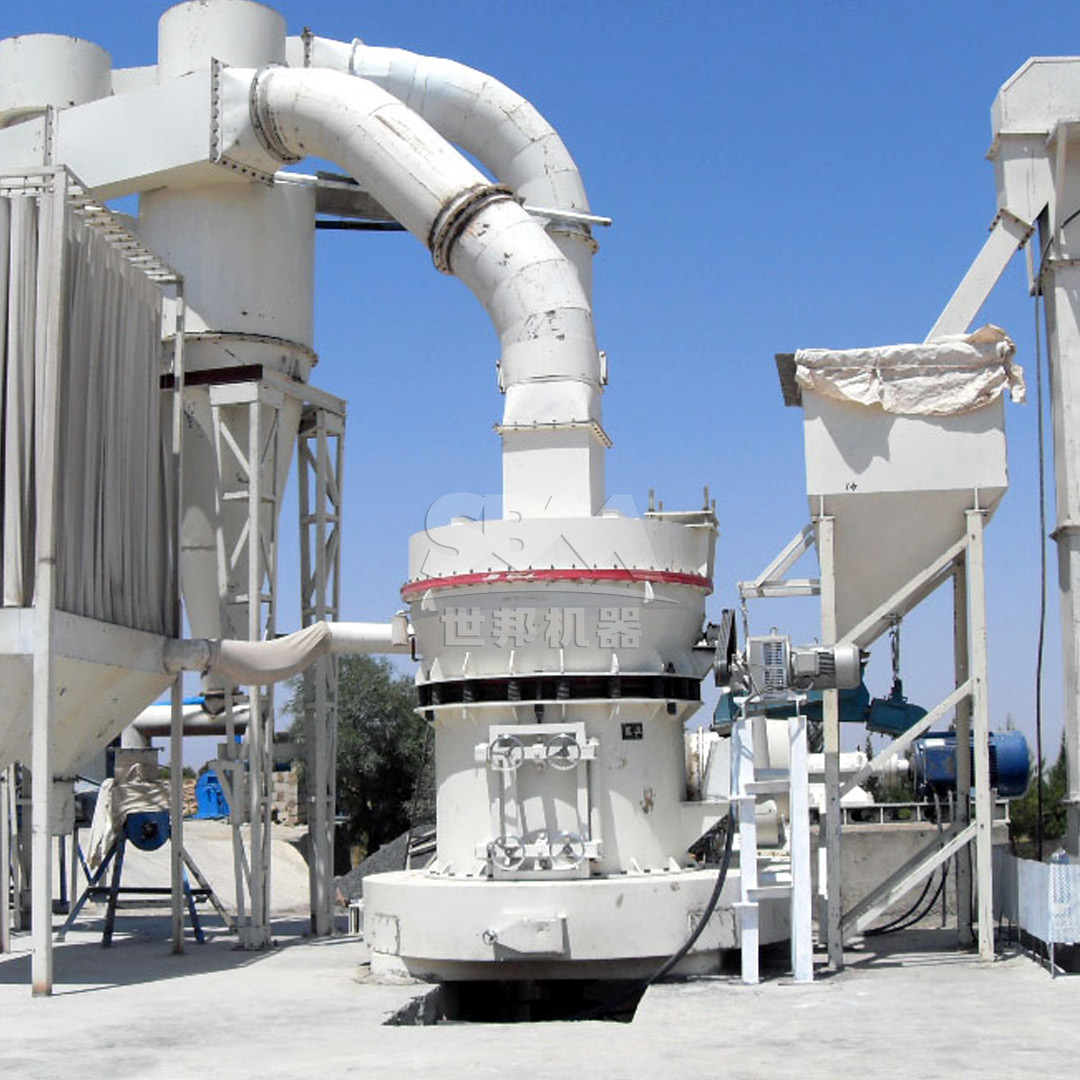
The question of whether ultrafine GCC can replace PCC hinges on the ability to push GCC’s properties—particularly particle size distribution, top cut, and surface area—into the domain traditionally held by PCC. This is where modern ultrafine vertical roller mills become pivotal.
Traditional ball mills or Raymond mills struggle to produce GCC with a consistent top size below 10µm (approximately 1250 mesh) without severe efficiency losses or classification issues. Ultrafine vertical mills, however, are engineered specifically for this task. They integrate high-efficiency grinding with precision air classification in a single, energy-optimized system.
How Advanced Mills Bridge the Gap
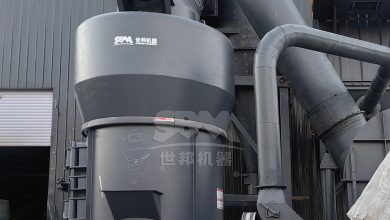
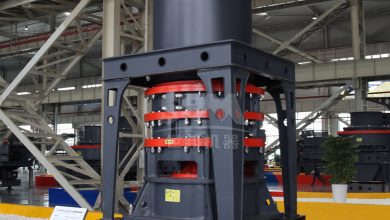
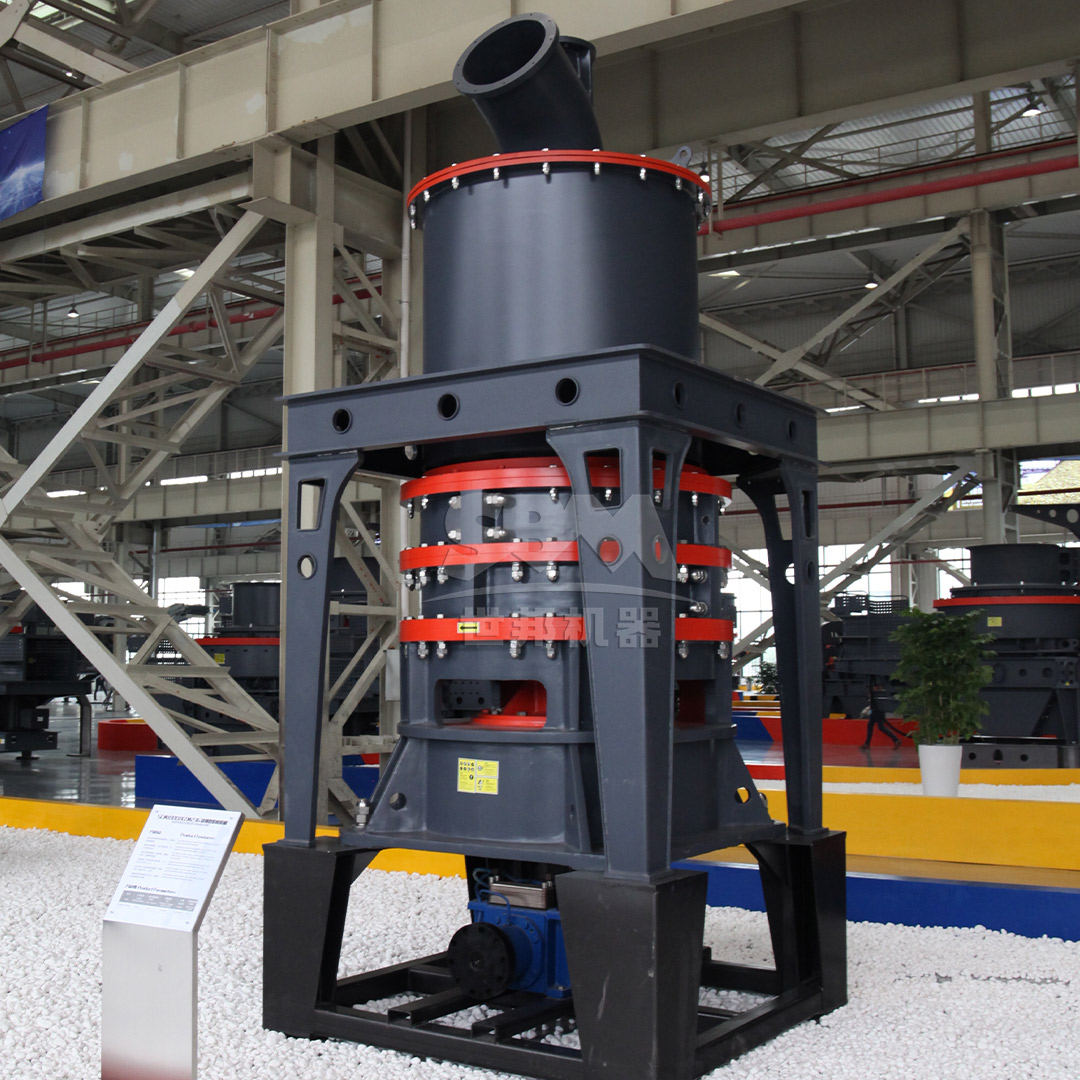
Our flagship SCM Series Ultrafine Mill exemplifies this technological leap. Designed to produce powders from 325 to 2500 mesh (45 down to 5µm), it directly targets the fineness range of many PCC products.
- High-Precision Classification: Its vertical turbine classifier enables precise particle size cutting, ensuring a narrow distribution and the absence of coarse particles—a critical requirement for replacing PCC in sensitive applications like paper coating or high-impact plastics.
- High Efficiency & Energy Saving: Operating with capacity double that of jet mills and 30% lower energy consumption, it makes the production of ultrafine GCC economically competitive with PCC. The intelligent control system with automatic granularity feedback ensures consistent product quality.
- Superior Product Characteristics: By grinding high-purity calcite to a D97 of 5-10µm with excellent uniformity, the resulting GCC achieves brightness levels matching PCC, significantly increased surface area, and modified packing behavior. This enhances its dry hiding power in paints and its reinforcement potential in polymers.
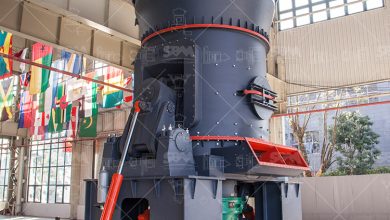
For projects requiring coarser grinds or larger initial feed sizes, our MTW Series European Trapezium Mill offers an excellent solution. Capable of processing ≤50mm feed to a fineness of 30-325 mesh (600-45µm), it is ideal for producing base GCC powders with high capacity (up to 45 TPH) and remarkable efficiency, thanks to its integral bevel gear drive (98% transmission efficiency) and wear-resistant design. It serves as a perfect primary or standalone mill for many GCC applications.
Can Ultrafine GCC Replace PCC? A Strategic Evaluation
The answer is not a simple “yes” or “no,” but rather “increasingly, and depending on the application.” Here’s a strategic framework for evaluation:
Where Replacement is Highly Feasible:
- Plastics and Polymers: For many rigid PVC applications (pipes, window profiles) and polyolefin compounds, ultrafine GCC with a tight particle size distribution can provide similar or better mechanical properties (stiffness, impact modification) and surface finish compared to standard PCC, often at a lower cost-in-use.
- Paints and Coatings: In architectural and industrial coatings, ultrafine GCC offers excellent dry hiding, improved durability, and reduced binder demand. It can effectively replace PCC, especially where cost-performance optimization is key.
- Adhesives and Sealants: The consistent fineness and low grit content achievable with mills like the SCM series make GCC a reliable, high-loading filler, replacing PCC for viscosity control and reinforcement.
Where PCC May Still Hold an Edge:
- Very High-Performance Paper Coatings: Specialty PCC with specific acicular or prismatic crystal shapes is engineered for exceptional light scattering and gloss. While ultrafine GCC is widely used in paper filling and coating, matching these engineered optical properties can be challenging.
- Applications Requiring Specific Crystal Morphology: If the function relies on the unique shape of a synthesized PCC crystal (e.g., certain rheological effects), GCC cannot replicate this.
- Ultra-High Purity & Consistency: PCC processes can guarantee extreme chemical purity, which may be critical in pharmaceuticals or food-grade applications, though high-purity GCC sources also exist.
Conclusion: A Convergence Driven by Technology
The distinction between light and heavy calcium carbonate remains rooted in their core production processes and inherent properties. However, the advent of advanced grinding technology, particularly high-efficiency, precision ultrafine vertical roller mills, is fundamentally altering the competitive landscape.
By enabling the production of GCC with PCC-like fineness, narrow particle size distribution, and high functional performance, these mills empower manufacturers to reconsider their filler and extender strategies. The SCM Series Ultrafine Mill stands at the forefront of this shift, offering a technologically advanced and economically sound path to producing premium-grade GCC capable of replacing PCC in a growing number of industrial applications. For any operation looking to optimize their calcium carbonate supply chain—balancing performance, consistency, and cost—evaluating the potential of modern ultrafine grinding for GCC is no longer an option but a strategic necessity.