Utilization of Smelting Slag in Building Materials: Production and Applications
1. Introduction: From Industrial By-product to Valuable Resource
The global metallurgical industry generates vast quantities of smelting slag as a by-product of metal extraction and refining processes. Historically viewed as a waste material requiring disposal, smelting slag is now recognized as a valuable secondary resource with significant potential in the construction sector. Its utilization aligns perfectly with the principles of a circular economy, reducing landfill burdens, conserving natural raw materials, and lowering the carbon footprint of building materials. This article explores the production pathways, technical considerations, and diverse applications of smelting slag in modern construction, highlighting the critical role of advanced processing equipment in unlocking its full value.
2. Characteristics and Types of Smelting Slag
Smelting slag is a non-metallic by-product composed primarily of silicates, aluminosilicates, and calcium-aluminosilicates. Its chemical and mineralogical composition varies depending on the ore source, fluxing agents, and the specific metal being produced (e.g., ferrous vs. non-ferrous). Key types include:
- Blast Furnace Slag (BFS): Generated from iron production. When rapidly cooled (granulated), it forms glassy granules with latent hydraulic properties, making it an excellent supplementary cementitious material (SCM). Air-cooled slag is more crystalline and is commonly used as an aggregate.
- Steel Slag: Produced in steelmaking converters, electric arc furnaces, and ladle refining. It contains higher free lime and magnesia, requiring aging or stabilization before use but offering excellent mechanical properties as an aggregate.
- Non-Ferrous Slag: From copper, nickel, lead, and zinc production. These slags often have more complex chemistries and may contain residual metals, necess careful processing and environmental assessment before use in construction.
The successful conversion of these raw slag materials into consistent, high-performance building components hinges on efficient and precise size reduction and classification.
3. Processing Pathways for Building Material Production
Transforming raw slag into usable building materials involves a series of mechanical processing steps, the core of which is comminution—the reduction of particle size.
3.1. Primary Crushing and Screening
Large chunks of air-cooled slag are first reduced to a manageable size (typically below 50mm) using jaw crushers, cone crushers, or impact crushers. Screening separates material into different size fractions for aggregate use or further grinding.
3.2. The Critical Step: Fine and Ultrafine Grinding
For applications like SCMs in cement or concrete, slag must be ground to a very fine powder to increase its specific surface area and reactivity. This is the most energy-intensive stage and requires specialized milling equipment. The choice of mill depends on the desired fineness, capacity, and slag characteristics.
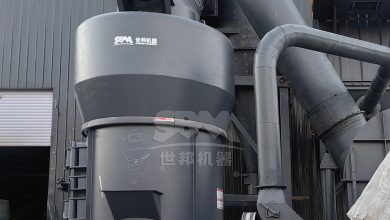
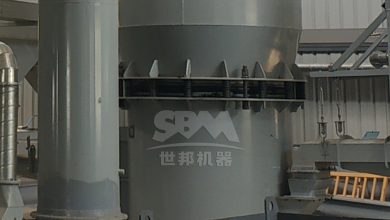
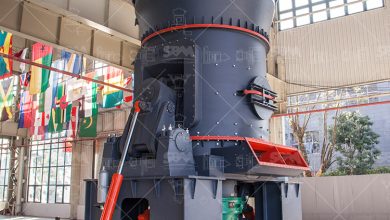
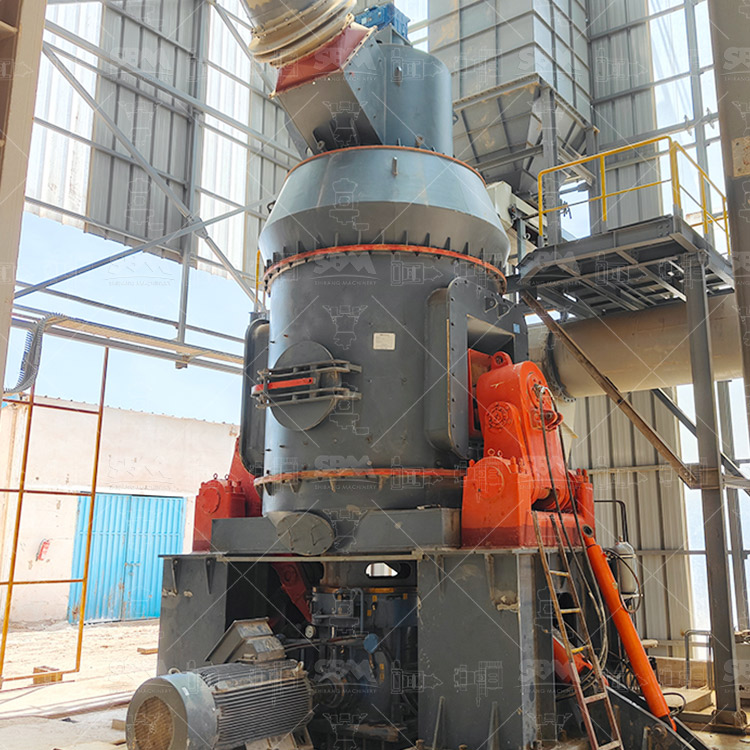
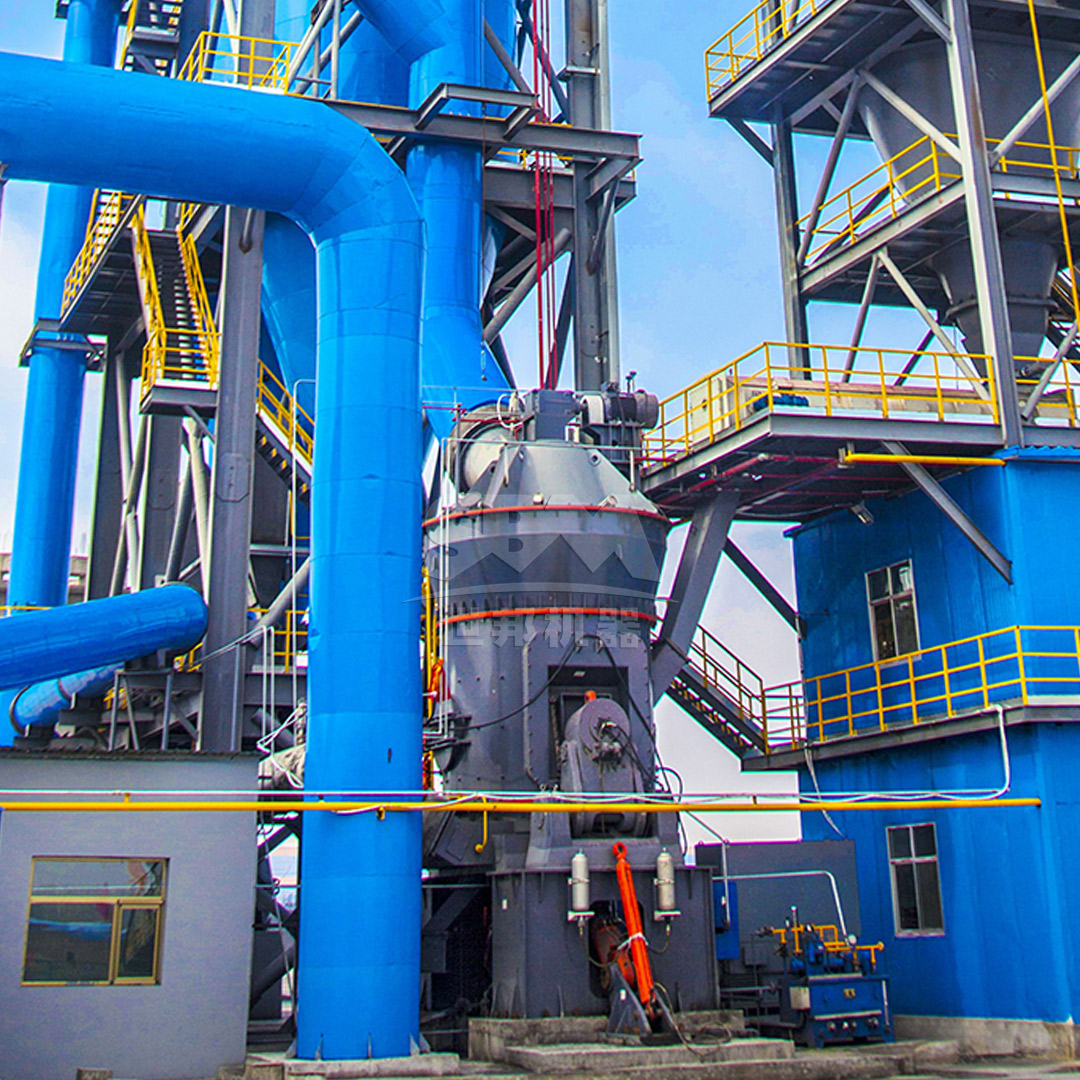
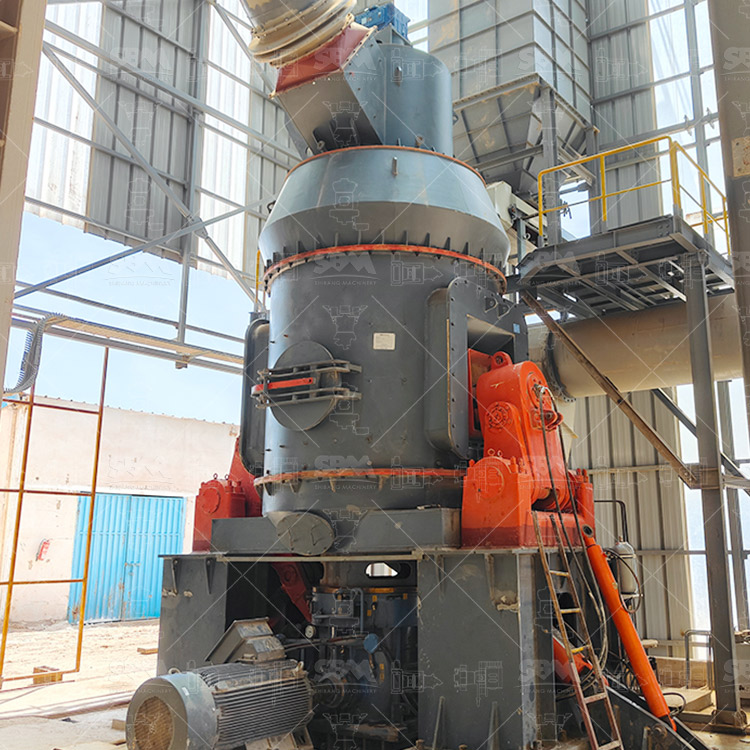
For high-volume production of ground granulated blast furnace slag (GGBFS) with fineness between 400-600 m²/kg (approximately 325-500 mesh), vertical roller mills are the industry standard. For instance, our LM Series Vertical Roller Mill is exceptionally suited for this task. Its integrated design combines drying, grinding, and classification in a single unit, reducing footprint and energy consumption by 30-40% compared to traditional ball mill systems. The non-contact design between rollers and the grinding table minimizes wear, while the intelligent control system ensures stable operation and consistent product quality, making it an ideal, cost-effective solution for large-scale slag grinding plants.
3.3. Drying and Classification
Many grinding systems incorporate dryers to reduce slag moisture. Following grinding, precise air classification is essential to ensure the final product meets strict particle size distribution specifications, directly influencing performance in concrete.
4. Applications in Building Materials
Processed slag finds versatile applications, enhancing both the sustainability and performance of construction materials.
4.1. Cement and Concrete
- GGBFS as an SCM: Finely ground GGBFS partially replaces Portland cement (typically 20-70%). It improves long-term strength, reduces heat of hydration, and significantly enhances durability against sulfate attack and alkali-silica reaction. It also lowers the embodied CO₂ of concrete.
- Slag Cement: Interground or blended combinations of clinker, gypsum, and GGBFS.
- Slag Aggregate: Crushed and screened air-cooled slag provides a high-strength, skid-resistant aggregate for asphalt concrete, road bases, and structural concrete.
4.2. Geotechnical Applications
Slag aggregates are widely used in embankments, backfill, and road sub-bases due to their excellent drainage properties, bearing capacity, and resistance to frost.
4.3. Other Value-Added Products
- Slag Wool: A mineral wool insulation material produced by fiberizing molten slag.
- Pre-cast Concrete Elements: Utilizing slag aggregates and binders.
- Bricks and Pavers: Incorporating slag fines as a raw material.
5. Technical and Environmental Benefits
The use of slag in construction offers multifaceted advantages:
- Resource Efficiency: Conserves limestone and natural aggregates.
- Reduced Carbon Footprint: Every ton of GGBFS used saves approximately one ton of CO₂ emissions associated with clinker production.
- Enhanced Durability: Produces denser, less permeable concrete with superior long-term performance.
- Waste Minimization: Diverts millions of tons of material from landfills annually.
6. The Role of Advanced Milling Technology
The economic and technical viability of slag utilization is intrinsically linked to efficient processing technology. Achieving the optimal particle fineness and distribution with minimal energy input is paramount. While vertical roller mills excel in high-capacity fine grinding, some advanced applications demand even finer or more specialized powders.
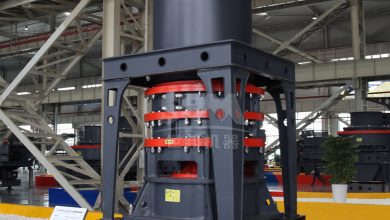
For producing ultra-fine slag powders (2500 mesh and beyond) for high-performance concrete or specialty composites, our SCM Series Ultrafine Mill provides an outstanding solution. This mill is engineered for high-efficiency, precision grinding. Its vertical turbine classifier ensures sharp particle size cuts with no coarse powder mixing, resulting in a uniform, high-quality product. With a grinding capacity up to 2x that of jet mills and 30% lower energy consumption, the SCM Series represents the cutting edge in ultrafine processing technology, enabling the development of next-generation, slag-based building materials with enhanced properties.
7. Challenges and Future Outlook
Despite its benefits, challenges remain, including variability in slag composition, potential leaching of trace elements, and the need for consistent quality standards. The future lies in:
- Advanced sorting and beneficiation techniques for non-ferrous slags.
- Development of activation technologies to enhance the reactivity of certain slags.
- Integration of digitalization and AI for real-time process optimization in grinding plants.
- Continued innovation in milling equipment for even greater efficiency and product control.
8. Conclusion
The utilization of smelting slag in building materials is a cornerstone of sustainable industrial practice. By converting a legacy waste stream into high-value cementitious binders and aggregates, the construction industry can significantly reduce its environmental impact while improving material performance. The success of this transformation relies heavily on sophisticated processing chains, with advanced grinding mills—such as the energy-efficient LM Series for large-scale production and the high-precision SCM Series for ultrafine applications—playing a pivotal role. As technology advances and circular economy principles become further embedded, the partnership between metallurgy and construction through slag valorization is set to grow stronger and more innovative.