Aluminum Dross to Calcium Aluminate Powder: Complete Processing Plant and Equipment Guide
Introduction: Transforming Waste into a Valuable Resource
The aluminum industry generates significant quantities of aluminum dross as a by-product of primary and secondary smelting operations. Traditionally considered a waste material requiring costly disposal, aluminum dross is now recognized as a valuable secondary resource rich in aluminum oxides and other metallic compounds. One of the most promising and value-added applications is its processing into Calcium Aluminate (CA), a critical material used in refractories, cement accelerators, and metallurgical fluxes. This guide provides a comprehensive overview of establishing a complete processing plant for converting aluminum dross into high-purity Calcium Aluminate powder, with a focus on the core equipment required for efficient and profitable operation.
1. Understanding the Raw Material: Aluminum Dross
Aluminum dross is a complex mixture of metallic aluminum, aluminum oxide (Al2O3), salts (from fluxing agents), and other oxides. Its composition varies based on the smelting process but typically contains 20-80% recoverable alumina. The primary goal of dross processing is to recover the metallic aluminum and convert the remaining oxide fraction into a usable product like Calcium Aluminate. The chemical reaction at the heart of this process involves reacting the alumina (Al2O3) in the dross with a calcium source (typically lime, CaO or calcium carbonate, CaCO3) at high temperatures to form various calcium aluminate phases (e.g., CA, CA2, CA6).
2. Complete Processing Plant Flowchart
A typical plant for producing Calcium Aluminate powder from aluminum dross involves several key stages:
- Dross Receiving & Primary Crushing: Incoming dross is sorted, and large lumps are reduced in size using a primary crusher or hammer mill for initial size reduction.
- Milling & Grinding (Primary): The crushed dross is ground to a finer, more uniform particle size to increase reactivity and prepare it for the subsequent thermal treatment.
- Batching & Mixing: The ground dross is precisely mixed with a calculated amount of calcium source (lime/limestone) to achieve the desired Calcium Aluminate stoichiometry.
- Thermal Processing (Calcination/Sintering): The mixed batch is fed into a high-temperature rotary kiln or sintering furnace. Here, at temperatures between 1300°C and 1500°C, the solid-state reaction forms Calcium Aluminate clinker.
- Clinker Cooling: The hot clinker is rapidly cooled (often in a cooler) to preserve the desired mineral phases and improve grindability.
- Final Grinding & Classification: This is the most critical stage for product quality. The cooled clinker is ground into a fine, consistent powder. Precise particle size control is essential for the performance of Calcium Aluminate in its end-use applications.
- Product Collection, Storage & Packaging: The finished powder is collected via efficient dust collection systems, stored in silos, and packaged for shipment.
3. Core Equipment Selection Guide
The efficiency and profitability of the plant hinge on selecting the right equipment for grinding, thermal processing, and classification.
3.1 Primary and Secondary Grinding Equipment
For the initial size reduction of dross and the final grinding of clinker, robust and efficient mills are required.
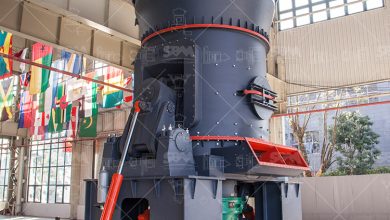
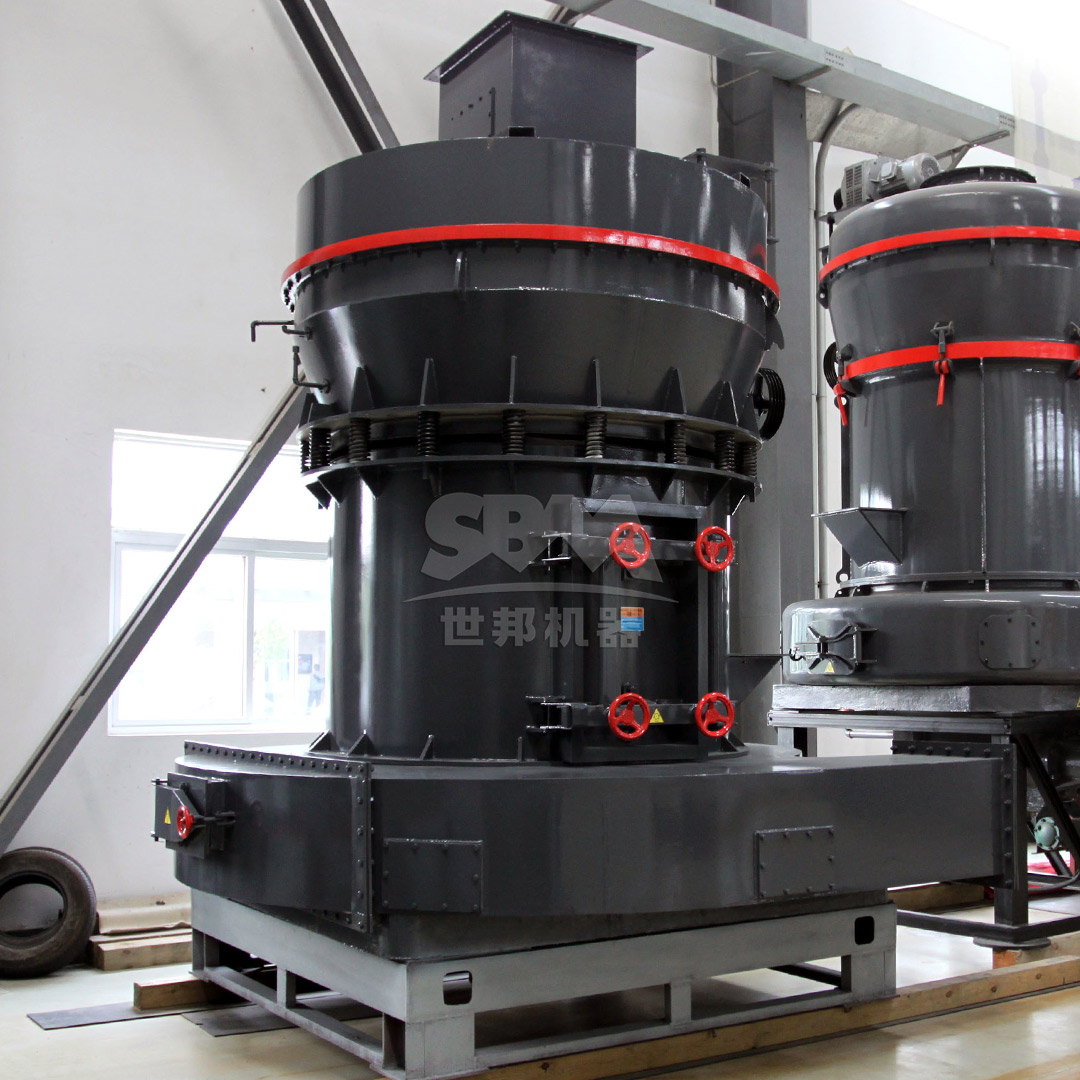
- For Coarse Grinding (Input ≤50mm to 30-325 mesh): The MTW Series European Trapezium Mill is an excellent choice. Its anti-wear shovel design and optimized arc air duct are perfectly suited for handling abrasive materials like processed dross and clinker. With a capacity range of 3-45 ton/h and fineness adjustable from 30-325 mesh, it can serve as a primary grinder for mixed feed or a secondary grinder for smaller-scale final product preparation. The integral bevel gear drive offers high transmission efficiency (up to 98%) and reliability, crucial for continuous plant operation.
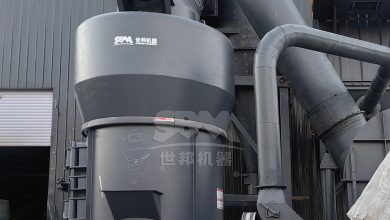
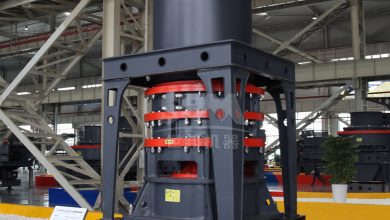
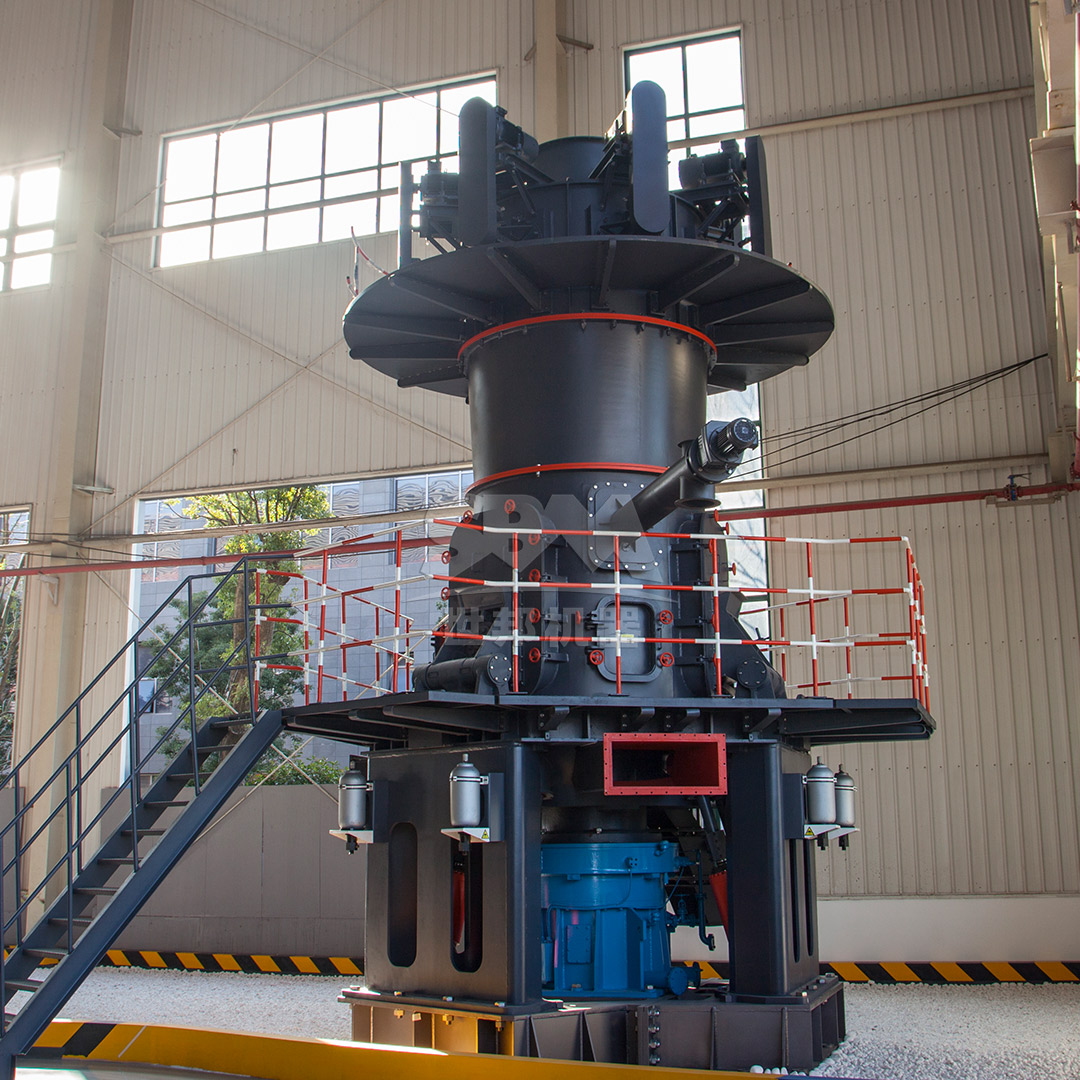
- For Fine & Ultrafine Grinding (Final Product, 325-2500 mesh): To achieve the high-purity, superfine powder specifications often demanded for premium Calcium Aluminate, the SCM Series Ultrafine Mill is the industry benchmark. Its vertical turbine classifier ensures precise particle size cutting with no coarse powder mixing, guaranteeing a uniform and high-quality final product. With an output fineness range of 325-2500 mesh (45-5μm) and capacities from 0.5 to 25 ton/h, it can be tailored to any plant’s output requirements. Its high efficiency and energy-saving design (30% lower energy consumption than jet mills) directly reduce operational costs.
3.2 Thermal Processing: Rotary Kilns & Sintering Furnaces
The heart of the chemical conversion is the high-temperature reactor. Rotary kilns are most common due to their continuous operation, excellent heat transfer, and ability to handle varying feed consistencies. Key kiln parameters include temperature profile control, residence time, and fuel efficiency. Refractory lining selection is critical to withstand the corrosive nature of the molten aluminate phases.
3.3 Auxiliary Systems
- Material Handling: Belt conveyors, bucket elevators, and screw feeders for seamless transfer between stages.
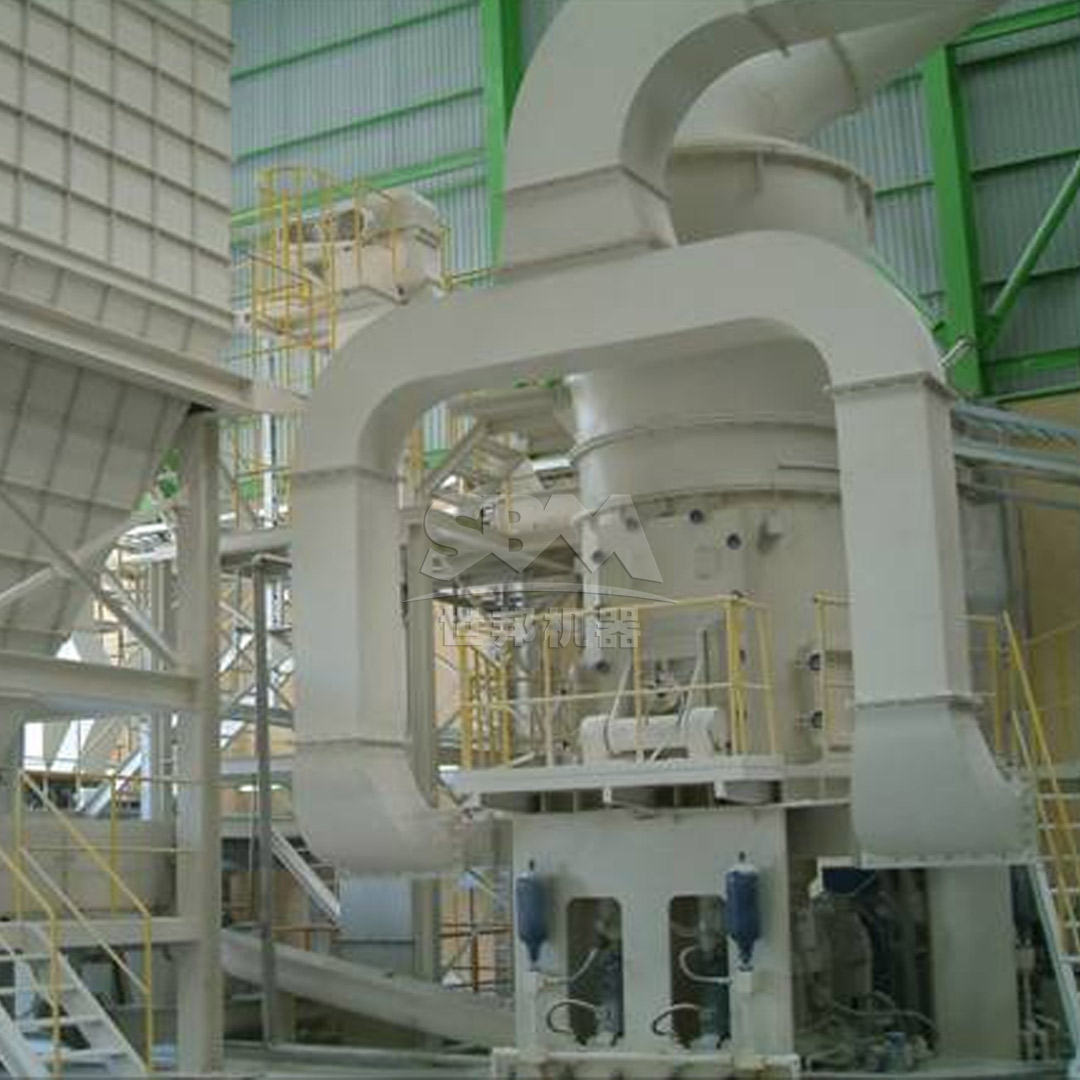
- Dust Collection: Pulse-jet baghouse filters are essential at every transfer point, mill outlet, and packaging station to meet environmental standards and recover product. The integrated systems in mills like the SCM and MTW series, with collection efficiency exceeding 99%, are vital.
- Classification & Screening: Dynamic classifiers integrated within mills (like in the SCM series) or standalone air classifiers are used for final particle size control.
- Control & Automation: A centralized PLC/SCADA system monitors and controls feed rates, temperatures, mill loads, and fan speeds, ensuring consistent product quality and operational safety.
4. Key Technical Considerations & Best Practices
Feedstock Preparation: Consistent dross composition is ideal. Pre-treatment steps like salt removal (for salt cake dross) may be necessary.
Stoichiometry Control: Precise batching of the Al2O3 and CaO sources is critical to produce the targeted Calcium Aluminate phase (e.g., CA for refractories, CA2 for cement).
Energy Optimization: Heat recovery from clinker coolers to preheat combustion air for the kiln significantly reduces fuel consumption.
Environmental Compliance: Beyond dust, consider emissions from the kiln (NOx, SOx) and manage any residual salts or metals from the dross. A fully sealed, negative-pressure plant design is recommended.
5. Economic and Market Outlook
Establishing a dross-to-Calcium Aluminate plant represents a circular economy solution with strong economics. It turns a liability (dross disposal costs) into a revenue stream. The market for Calcium Aluminate is stable and growing, driven by the steel, construction, and refractory industries. The profitability depends on the scale of operation, cost of dross acquisition, energy efficiency of the equipment, and the ability to produce a consistent, high-value powder. Investing in high-efficiency, low-maintenance core equipment, such as the SCM Ultrafine Mill for final grinding, directly impacts the bottom line through lower power consumption, higher product uniformity, and reduced downtime.
Conclusion
The transformation of aluminum dross into Calcium Aluminate powder is a technically feasible and economically attractive venture. Success hinges on a well-designed process flow and, most importantly, the selection of robust, efficient, and precise processing equipment. From the primary grinding with reliable workhorses like the MTW Series Mill to the final ultrafine grinding stage demanding the precision of the SCM Series Ultrafine Mill, each equipment choice must be made with durability, energy efficiency, and product quality in mind. By leveraging advanced technologies, operators can build a sustainable plant that not only addresses an environmental challenge but also capitalizes on a significant market opportunity.