Comparison of Dry and Wet Process for Ground Calcium Carbonate Production
Introduction
The production of Ground Calcium Carbonate (GCC) is a cornerstone of numerous industries, including paper, plastics, paints, coatings, and construction. The selection of the appropriate production process—dry or wet—is a critical decision that impacts the final product’s characteristics, production efficiency, and overall economic viability. This article provides a comprehensive comparison of these two dominant methods, analyzing their principles, advantages, limitations, and ideal applications. Furthermore, it will highlight how modern milling technology from leading manufacturers can optimize both processes.
1. The Dry Grinding Process
The dry process is the most common method for producing GCC, especially for products with fineness requirements above 400 mesh (approximately 38 μm). This method involves the direct grinding of dried limestone or marble without the addition of water.
1.1 Process Flow
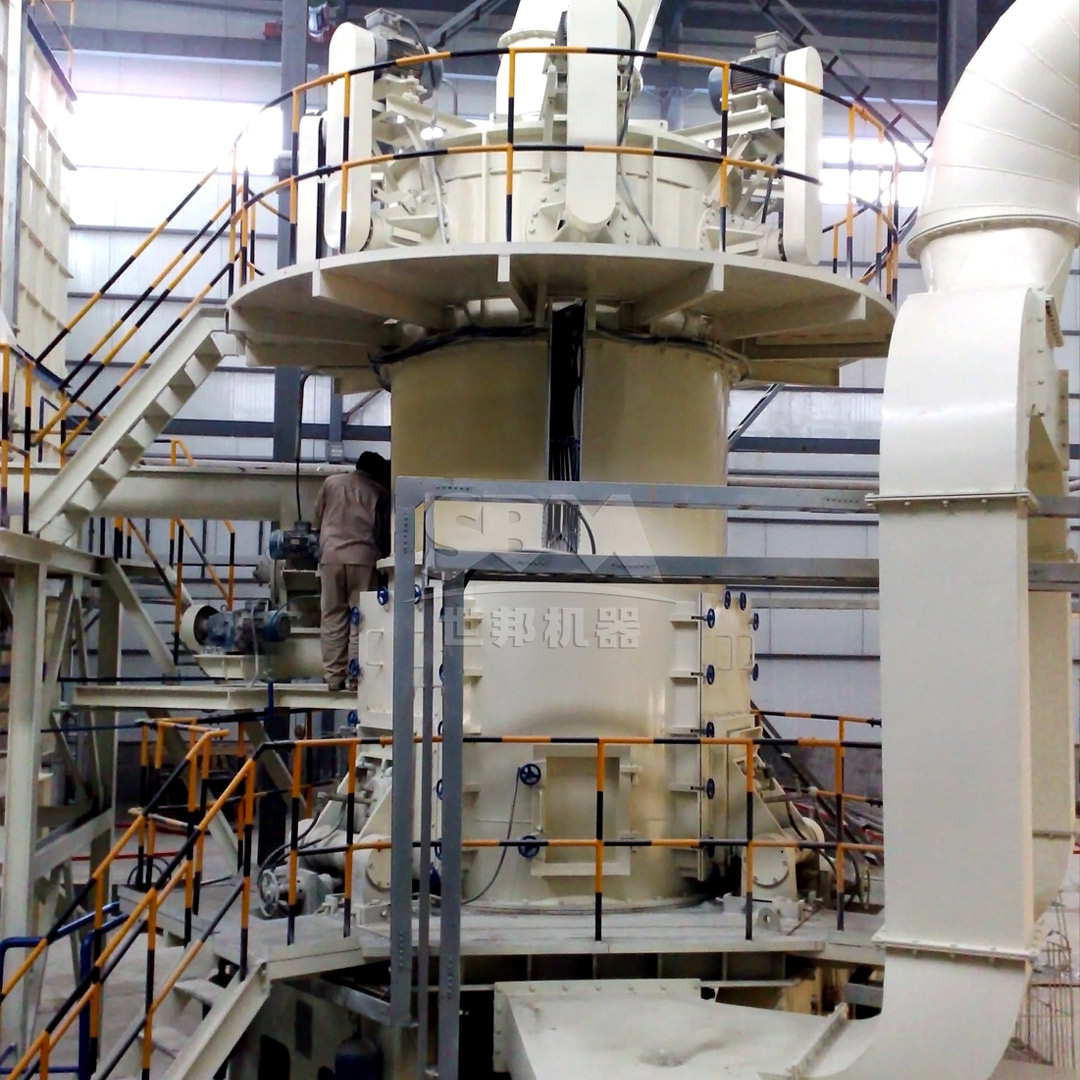
The typical dry grinding line consists of several key stages:
- Primary Crushing: Large limestone rocks are reduced to a feed size suitable for the grinding mill (typically ≤50mm) using crushers like jaw crushers or hammer mills.
- Drying: If the raw material contains surface moisture, it is dried in a rotary or flash dryer to a moisture content below 1%.
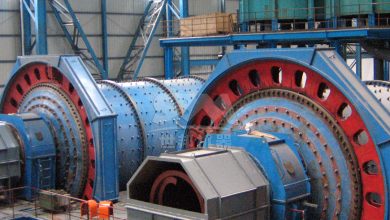
- Grinding & Classification: This is the core stage. The dried material is fed into a grinding mill, such as a ball mill, vertical roller mill, or Raymond mill. An integrated or external classifier (e.g., a dynamic air classifier) continuously separates the fine product from coarse particles, which are recirculated for further grinding.
- Collection & Packaging: The classified fine powder is collected using cyclones and bag filters, then conveyed to silos for packaging.
1.2 Advantages of Dry Process
- Lower Capital Investment: Generally requires less equipment and no water handling systems (e.g., thickeners, filters).
- Higher Production Capacity: Suitable for high-tonnage, continuous production.
- Product Flexibility: Easier to switch between different product fineness grades.
- No Drying of Final Product: Eliminates the energy-intensive step of drying a slurry.
- Wide Fineness Range: Capable of producing products from coarse fillers (100 mesh) to ultrafine powders (2500 mesh and above).
1.3 Limitations of Dry Process
- Product Shape: Tends to produce particles with more edges and a higher aspect ratio due to impact and attrition forces.
- Dust Control: Requires sophisticated dust collection systems to meet environmental and workplace safety standards.
- Heat Generation: Grinding can generate significant heat, potentially affecting heat-sensitive materials or causing moisture re-absorption issues.
- Upper Particle Size Limit: Achieving a top cut (e.g., D98 < 2μm) is more challenging and energy-intensive compared to wet processing.
2. The Wet Grinding Process
The wet process involves grinding limestone in a water-based slurry. It is the preferred method for producing ultra-fine GCC (often with a top cut of 2μm or less) and for applications requiring exceptional brightness, high purity, and specific particle morphology.
2.1 Process Flow
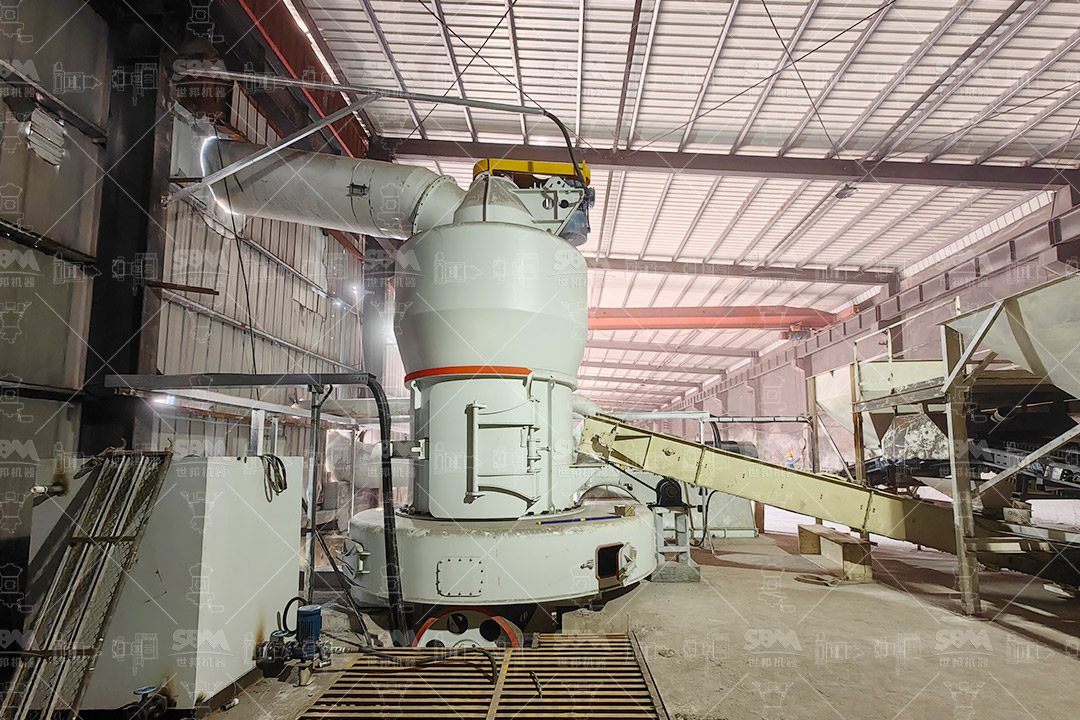
A standard wet grinding circuit includes:
- Washing & Beneficiation: Raw material may be washed to remove impurities like clay and silica.
- Wet Grinding: The slurry (typically 60-75% solids) is ground in specialized mills, most commonly stirred media mills (attritors) or ball mills.
- Classification: Wet classifiers, such as hydrocyclones or centrifuges, separate the product stream, sending oversized particles back to the mill.
- Dewatering & Drying: The final slurry is dewatered using filters (e.g., filter press, vacuum belt filter) and then dried in spray dryers or flash dryers to produce a powder, or it can be shipped as a slurry.
2.2 Advantages of Wet Process
- Superior Particle Characteristics: Produces particles with a narrower size distribution, smoother surfaces, and more cubic/rounded shapes due to the cushioning effect of water.
- Ultra-fine Capability: More efficient and economical for producing products with a D97 below 2μm.
- Lower Energy for Fine Grinding: Energy consumption per ton for sub-micron grinding is often lower than in dry systems.
- Dust-Free Environment: The process is inherently dust-free.
- In-situ Beneficiation: Impurities can be removed during the process via washing and classification.
2.3 Limitations of Wet Process
- High Capital & Operating Costs: Requires extensive equipment for slurry handling, classification, dewatering, and drying.
- High Energy for Drying: Removing water from the final product is extremely energy-intensive.
- Product Form Limitation: If a dry powder is required, the drying step can lead to agglomeration, which may require subsequent de-agglomeration (jet milling).
- Process Complexity: More complex to control and maintain due to slurry viscosity, pH, and solids content variables.
3. Comparative Summary and Application Guidance
| Parameter | Dry Process | Wet Process |
|---|---|---|
| Typical Fineness | 325 mesh (45μm) to 2500+ mesh (~5μm) | Primarily for < 2μm (ultra-fine) products |
| Particle Shape | Irregular, higher aspect ratio | Rounded, cubic, smooth surfaces |
| Capital Cost | Moderate | High |
| Operating Cost | Moderate (energy for grinding) | High (energy for grinding + drying) |
| Key Application | Plastics, rubber, construction, paints (filler) | Paper coating, high-end paints, pharmaceuticals, sealants |
| Environmental | Requires dust control | Requires water treatment/management |
The choice fundamentally depends on the target market. For general-purpose fillers in plastics or dry-mix construction materials, the dry process is overwhelmingly more economical. For premium applications where particle size distribution and morphology directly impact performance, such as in paper coating or high-gloss paints, the wet process is indispensable.
4. The Role of Advanced Milling Technology
The efficiency and quality of both processes are heavily dependent on the grinding equipment. Modern mills offer significant advantages in energy efficiency, product control, and operational stability.
4.1 Optimizing the Dry Process: The SCM Series Ultrafine Mill
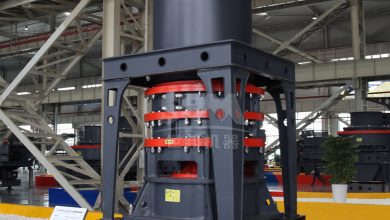
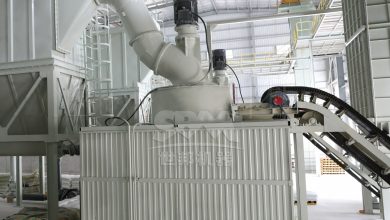
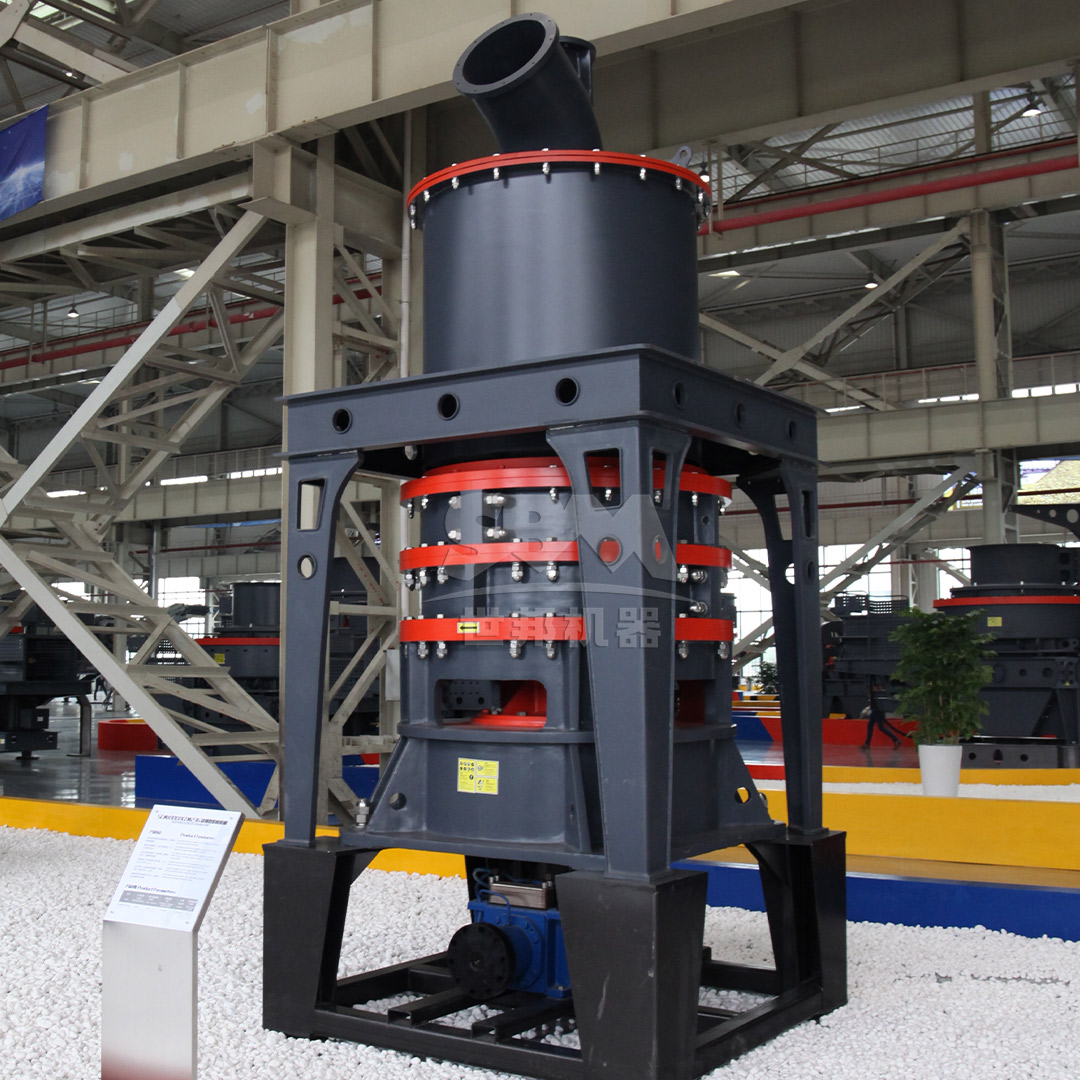
For dry production of high-value, ultra-fine GCC (from 325 to 2500 mesh), traditional ball mills are inefficient. A superior solution is the SCM Series Ultrafine Mill. This mill integrates grinding and high-precision classification into one system. Its vertical turbine classifier ensures precise particle size cutting with no coarse powder mixing, guaranteeing a uniform product critical for applications like masterbatch and high-end PVC. With a capacity 2x that of jet mills and 30% lower energy consumption, it represents a leap in dry ultrafine processing. The special material rollers and rings, combined with a shaftless screw grinding chamber design, ensure durability and stable operation, making it an ideal choice for producers targeting the 5-45μm fineness range with superior product characteristics and lower operational expenditure.
4.2 The Foundation of Large-Scale Dry Production: The MTW Series European Trapezium Mill
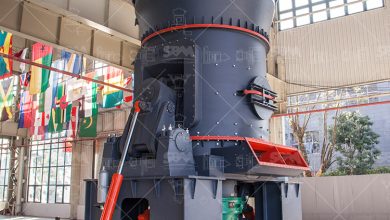
For large-scale production of GCC in the coarse to medium-fine range (30-325 mesh), such as fillers for putties, adhesives, or animal feed, reliability and cost-per-ton are paramount. The MTW Series European Trapezium Mill excels in this domain. Its innovative design features, such as anti-wear shovel blades and an optimized arc air duct, significantly reduce maintenance costs and improve transmission efficiency. The integral bevel gear drive achieves up to 98% transmission efficiency, saving energy and space. With capacities ranging from 3 to 45 tons per hour and robust construction, the MTW series provides a reliable, high-capacity backbone for cost-effective dry GCC production, ensuring consistent quality for high-volume applications.
5. Conclusion
Both dry and wet processes for GCC production have distinct and non-overlapping domains of superiority. The dry process is the workhorse for economical, high-volume filler production, while the wet process is the specialist for ultra-fine, high-performance products. The evolution of milling technology continues to blur the lines, with dry mills like the SCM Series pushing further into the ultrafine territory traditionally held by wet processing. Ultimately, the optimal choice is a strategic decision based on product specifications, target market value, and capital readiness. Partnering with an equipment supplier that offers advanced, efficient solutions for both pathways is key to building a competitive and sustainable GCC production operation.