How Ceramic Grinding Mills Transform Waste Ceramics into Reusable Powder
Introduction: The Challenge of Ceramic Waste and the Promise of Recycling
The global ceramics industry, spanning from sanitaryware and tiles to advanced technical ceramics, generates millions of tons of waste annually. This waste originates from production rejects, construction demolition, and end-of-life products. Traditionally, this material has been destined for landfills, representing a significant environmental burden and a loss of valuable raw materials. However, modern material science and grinding technology have unlocked a powerful solution: transforming this inert waste into high-quality, reusable powder. This process not only addresses critical waste management issues but also creates a circular economy model, reducing the need for virgin raw material extraction and lowering the carbon footprint of new ceramic products.
The key to this transformation lies in advanced grinding mills capable of processing hard, abrasive ceramic materials into precisely controlled particle sizes. The resulting powder can be reintegrated into various manufacturing streams, such as tile bodies, refractory materials, construction aggregates, or even as fillers in composites. This article explores the technical journey of waste ceramics through size reduction, highlights the critical role of specialized milling equipment, and examines the superior performance of specific industrial solutions.
The Grinding Process: From Bulky Waste to Fine Powder
The recycling of ceramic waste is a multi-stage process, with grinding at its core. It begins with the collection and primary crushing of bulky items. Jaw crushers or hammer mills typically perform this first break, reducing large fragments to a manageable size of less than 50mm. This pre-crushed material then enters the heart of the recycling plant: the grinding mill.
Here, the material undergoes comminution—the progressive reduction of particle size through mechanical forces like compression, impact, and attrition. For ceramics, this is particularly demanding due to their high hardness and abrasiveness. The mill must therefore be robust, wear-resistant, and energy-efficient. The goal is not merely to create fine powder but to achieve a specific particle size distribution (PSD) that dictates the final product’s properties. A narrow, consistent PSD ensures predictable behavior in subsequent manufacturing processes, such as improved sintering kinetics and better final product density.
The ground powder is then classified. Air classifiers within or attached to the mill system separate particles based on size and weight. Oversize particles are recirculated for further grinding, while the in-spec powder is collected by efficient cyclone and baghouse filter systems. This closed-loop system ensures maximum yield and minimal dust emission, making the process environmentally sound.
Critical Equipment: Selecting the Right Mill for Ceramic Recycling
Not all grinding mills are created equal, especially for the tough task of ceramic recycling. The ideal machine must balance high capacity, precise particle size control, low wear part consumption, and operational economy. Two primary grinding philosophies are often employed: vertical roller milling and ultra-fine pendulum grinding, each excelling in different segments of the fineness spectrum.
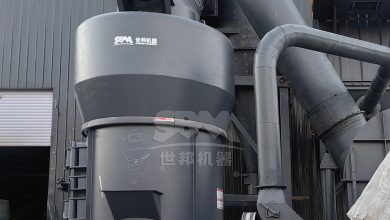
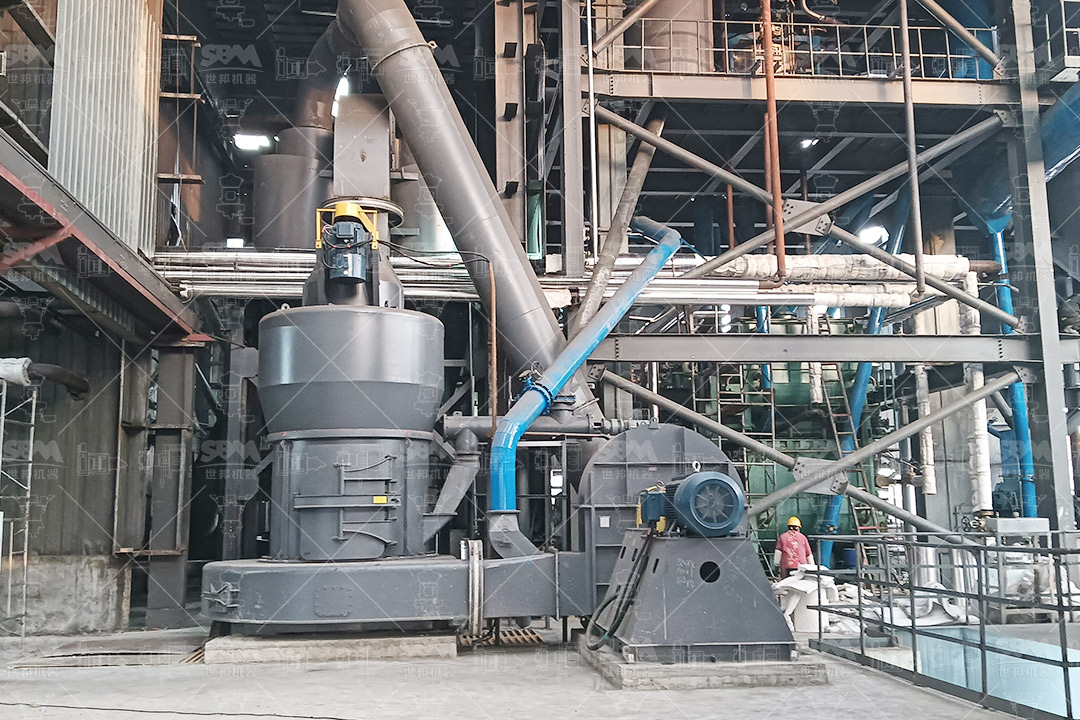
For high-volume processing where the target fineness is in the range of 30 to 325 mesh (600 to 45 microns), robust and efficient vertical roller mills are the industry standard. Their integrated design combines grinding, drying (if needed), and classification in a single footprint, offering remarkable energy savings—often 30-40% lower than traditional ball mill systems. Their operating principle involves material being fed onto a rotating table and crushed under rollers using a bed-compaction mechanism, which is highly effective for brittle materials like ceramics.
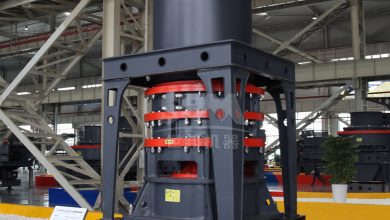
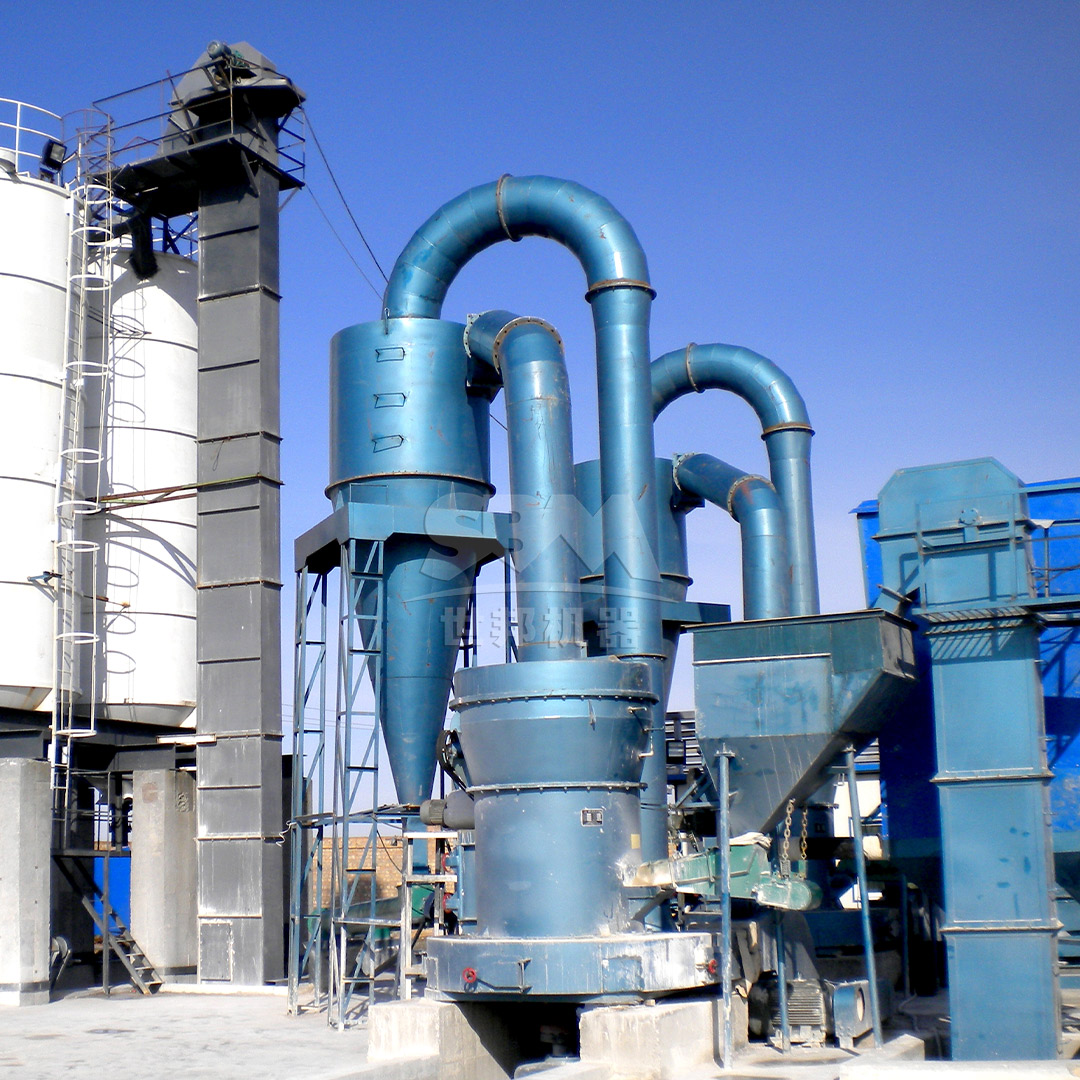
For applications requiring ultra-fine powders from 325 to over 2500 mesh (45 to 5 microns), such as high-value fillers or advanced ceramic precursors, a different technology is required. Here, advanced pendulum mills with high-precision turbo classifiers come into play. These mills use multiple grinding rollers that revolve around a central axis, applying centrifugal force to press against a stationary ring. The key to their success in ultra-fine grinding is an integrated, highly efficient classification system that ensures no oversized particles contaminate the final product.
Spotlight on Optimal Solutions: SCM and MTW Series Mills
Based on extensive industry application data, two mill series stand out for their exceptional performance in ceramic waste recycling: the SCM Series Ultrafine Mill for superfine powders and the MTW Series European Trapezium Mill for high-capacity fine grinding.
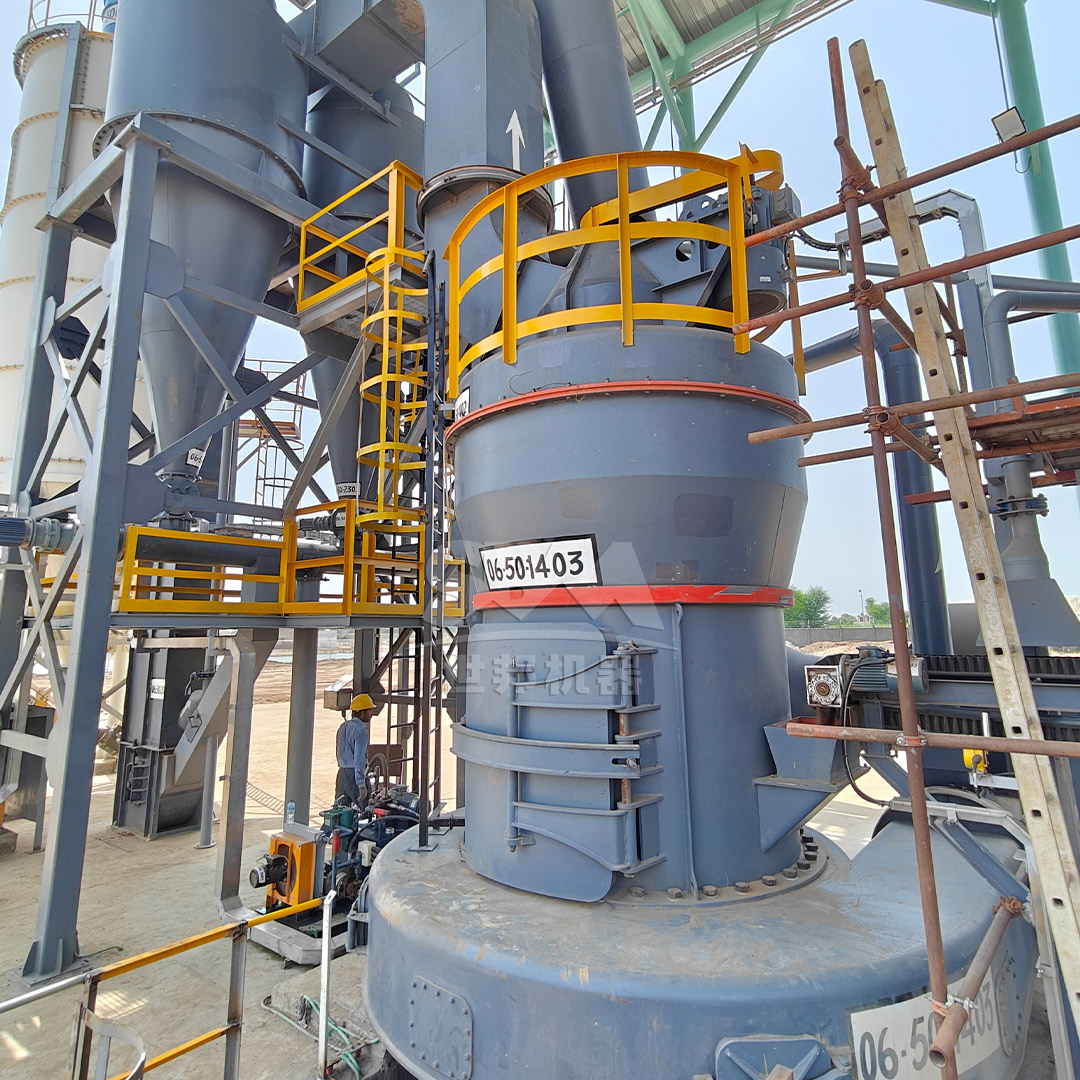
For producers aiming to create the highest value-added powders, the SCM Series Ultrafine Mill is the definitive choice. Engineered to produce powders between 325 and 2500 mesh (45-5μm), it transforms ceramic waste into a commodity suitable for premium applications. Its core advantages directly address the challenges of ceramic grinding:
- High Efficiency & Energy Saving: Its design delivers a capacity twice that of jet mills while consuming 30% less energy, thanks to an intelligent control system with automatic granularity feedback.
- High-Precision Classification: The vertical turbine classifier provides exact particle size cuts, guaranteeing a uniform product without coarse powder mixing—a critical factor for downstream ceramic processing.
- Durable Design: Specially hardened material for rollers and rings extends service life dramatically, while the shaftless screw grinding chamber ensures stable, long-term operation with hard, abrasive feeds.
- Eco-friendly Operation: With a pulse dust collection efficiency exceeding 99.9% and a soundproof room design, the SCM series operates cleanly and quietly, meeting stringent environmental standards.
Models like the SCM1000 (1.0-8.5 t/h, 132kW) or the large-scale SCM1680 (5.0-25 t/h, 315kW) offer scalable solutions for recycling operations of any size.
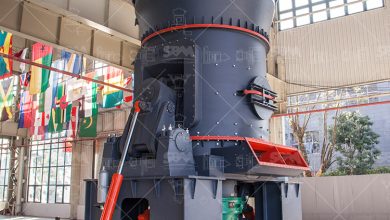
For large-scale recycling projects where the target is to produce fine powder for construction materials or tile body recipes, the MTW Series European Trapezium Mill is the workhorse. Capable of handling feed sizes up to 50mm and producing 3 to 45 tons per hour of 30-325 mesh powder, it is built for durability and low operating cost.
- Advanced Wear Protection: Its anti-wear shovel design and curved grinding rollers are engineered to withstand abrasive ceramics, significantly reducing maintenance frequency and cost.
- Superior Drive Efficiency: An integral bevel gear drive achieves up to 98% transmission efficiency, saving energy and space.
- Optimized Airflow: The patented arc air duct and wear-resistant volute structure minimize energy loss and improve classification efficiency, ensuring a consistent product.
The MTW215G model, with a capacity of 15-45 t/h and a 280kW main motor, exemplifies the power and efficiency this series brings to high-tonnage ceramic recycling plants.
Applications of Recycled Ceramic Powder
The finely ground ceramic powder opens a wide array of commercial and industrial doors:
- Ceramic Tile Manufacturing: The primary application. Recycled powder can constitute a significant percentage of the tile body, reducing clay and feldspar consumption.
- Refractory Materials: Ground high-alumina ceramics are excellent raw materials for producing new refractory bricks and castables.
- Construction Aggregates & Concrete: Powdered ceramic can be used as a pozzolanic additive or fine aggregate, enhancing the properties of concrete and mortar.
- Composite Fillers: Ultra-fine ceramic powder improves the mechanical and thermal properties of polymers and other composite materials.
- Abrasive Products: Controlled particle sizes are ideal for manufacturing sandpapers and blasting media.
Conclusion: Building a Sustainable Future with Advanced Grinding Technology
The transformation of waste ceramics into reusable powder is no longer a niche concept but a viable, economically attractive pillar of the circular economy. The success of this transformation hinges entirely on the capability, reliability, and efficiency of the grinding technology employed. By investing in advanced milling solutions like the SCM Series Ultrafine Mill for high-value ultra-fine products or the MTW Series European Trapezium Mill for large-scale fine powder production, recyclers and ceramic manufacturers can turn an environmental liability into a profitable resource. This technology not only ensures regulatory compliance and reduces landfill costs but also secures a sustainable supply of raw materials, fostering innovation and resilience in the global ceramics industry. The future of ceramics is not just about making new products, but about intelligently remaking the old.