Carbon Silicon Carbide Powder Grinding Process: Technology and Equipment Guide
Introduction
Carbon Silicon Carbide (SiC), also known as carborundum, is a high-performance ceramic material renowned for its exceptional hardness, thermal conductivity, chemical inertness, and wear resistance. These properties make it indispensable in applications ranging from abrasives, refractories, and cutting tools to advanced semiconductors and body armor. The performance of SiC in these applications is critically dependent on its particle size distribution, purity, and morphology, which are directly influenced by the grinding process. This guide delves into the technological considerations and equipment selection for the efficient and precise grinding of SiC powder.
Challenges in SiC Powder Grinding
Grinding Silicon Carbide presents unique challenges due to its inherent properties:
- Extreme Hardness: With a Mohs hardness of 9-9.5, SiC is one of the hardest materials available, second only to diamond and boron carbide. This leads to rapid wear of grinding media and mill components.
- High Brittleness: While hard, SiC is also brittle. The grinding process must be controlled to achieve the desired fine particle size without generating excessive sub-micron or nano-sized fines, which can be undesirable for certain applications and pose health risks.
- Chemical Stability: SiC is chemically inert and does not react with most acids or alkalis. This stability is an asset in application but means grinding cannot rely on chemical aids to weaken the material structure.
- Contamination Control: For high-purity applications (e.g., semiconductors), contamination from grinding media (iron, alumina, etc.) must be minimized or eliminated.
Grinding Technology Overview
The grinding of SiC typically follows a multi-stage process: primary crushing, intermediate milling, and final fine/ultrafine grinding. The choice of technology at each stage is paramount.
1. Primary and Intermediate Size Reduction
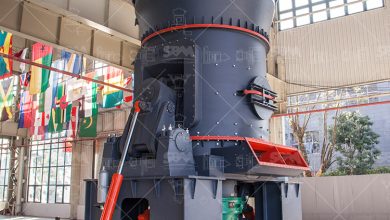
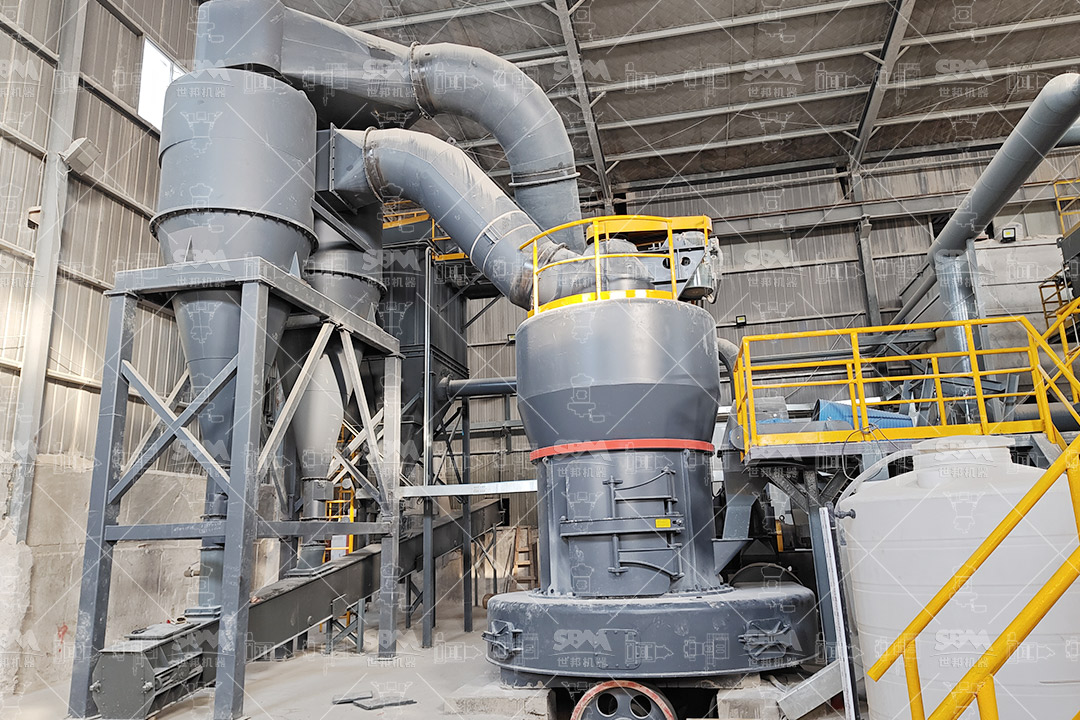
For raw SiC blocks or large granules, jaw crushers or hammer mills are used for initial size reduction to below 20-50mm. For intermediate grinding to a coarse powder (e.g., 30-100 mesh), equipment like MTW Series Trapezium Mills or Ball Mills are effective. The MTW mill, with its curved air duct and efficient transmission system, offers a balance of high capacity and relatively low energy consumption for this stage, preparing feed material for subsequent fine grinding.
2. Fine and Ultrafine Grinding
This is the most critical stage for producing commercial-grade SiC powders. The goal is to achieve a narrow particle size distribution within a specific micron or mesh range.
- Jet Milling (Fluid Energy Milling): Uses high-pressure gas (air or steam) to create particle-on-particle impact. It is excellent for achieving very fine powders (down to 1-5µm) with minimal contamination, as there is no mechanical contact. However, it can be energy-intensive and may produce a broad size distribution if not coupled with an efficient classifier.
- Attrition Milling/Stirred Media Milling: Uses a rotating shaft with agitators to stir grinding media (e.g., ceramic beads). It is highly efficient for sub-micron grinding and offers good control over particle size. Media wear and potential contamination are key concerns.
- High-Pressure Grinding Roll (HPGR): Applies extreme pressure to a bed of material, causing inter-particle crushing. It is more energy-efficient than ball milling for certain size ranges but may not be suitable for the finest grades of SiC.
The Role of Classification
An integral part of any modern fine grinding circuit is a high-efficiency classifier. After milling, the powder contains a mix of sizes. Dynamic classifiers (e.g., turbine or cyclone classifiers) separate the fine product from oversize material, which is then recirculated back to the mill. This closed-circuit system ensures a consistent final product size (D97, D50) and improves overall mill efficiency by preventing over-grinding of already fine particles.
Equipment Recommendation: SCM Ultrafine Mill
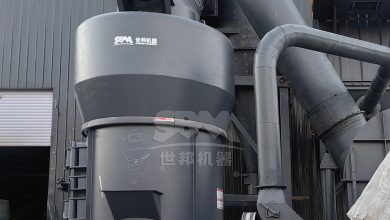
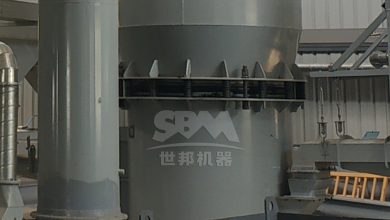
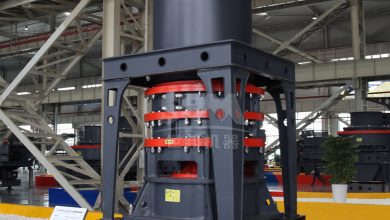
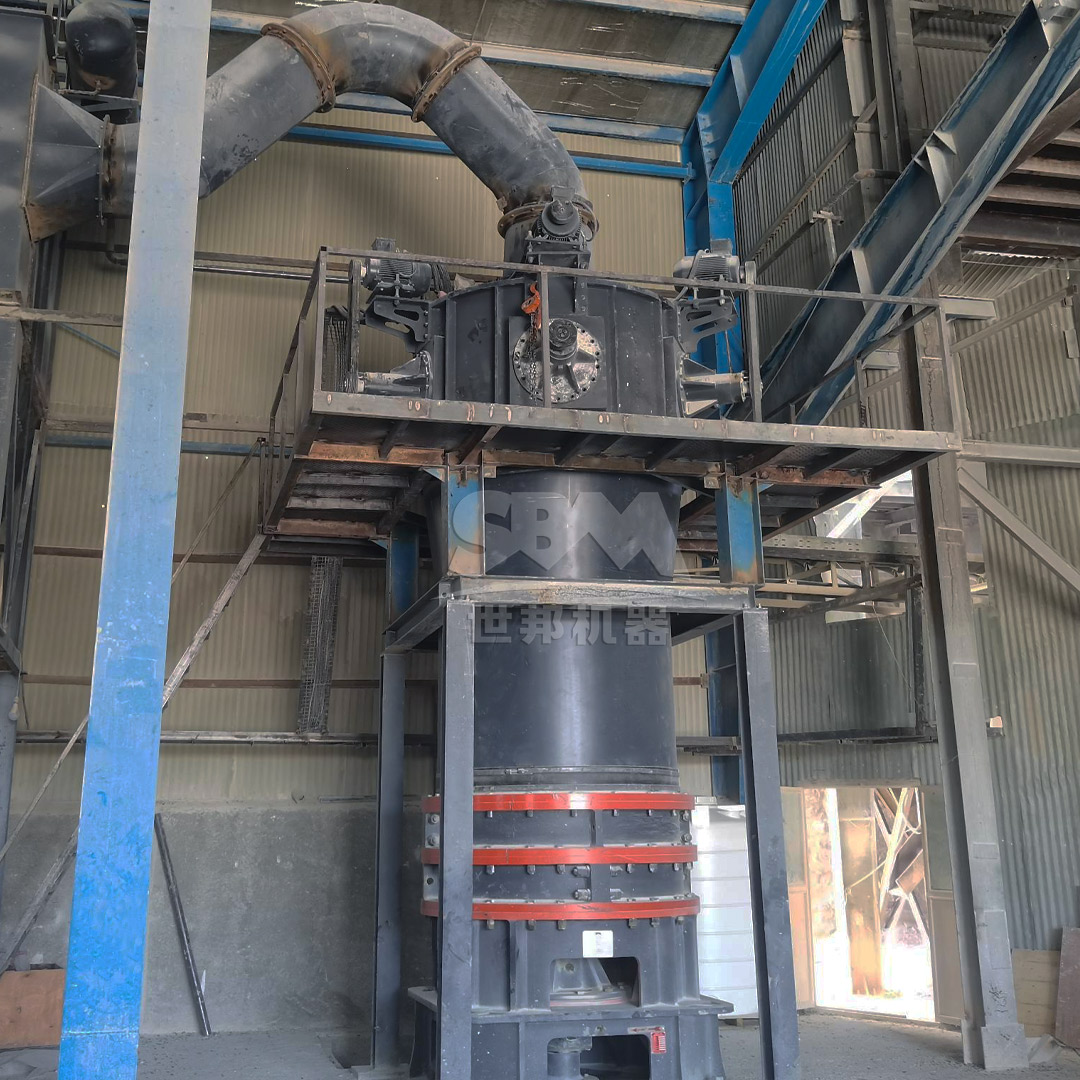
For the production of high-quality, fine to ultrafine Silicon Carbide powder (325-2500 mesh / 45-5µm), the SCM Series Ultrafine Mill represents an optimal technological solution. This mill integrates grinding and classification into a single, efficient system specifically designed for hard, brittle materials.
Its vertical roller mill structure, with multiple grinding rings and rollers, subjects SiC particles to layered grinding and extrusion forces. The integrated vertical turbine classifier provides precise particle size切割, ensuring a uniform final product without coarse particle contamination. For SiC processing, its advantages are particularly relevant:
- High Efficiency & Energy Saving: Compared to traditional jet mills, the SCM mill can achieve double the capacity with 30% lower energy consumption for the same fineness, significantly reducing operational costs.
- Superior Product Quality: The精准粒度切割 capability of the classifier guarantees a tight particle size distribution (D97 ≤5µm achievable), which is crucial for consistent performance in abrasive and refractory applications.
- Durability for Abrasive Materials: The磨辊 and磨环 are made from special wear-resistant materials, offering a service life several times longer than standard components when processing extremely hard SiC.
- Clean and Quiet Operation: The fully enclosed negative pressure system, coupled with a high-efficiency pulse dust collector, ensures dust emissions are kept well below international standards. The noise level is controlled below 75dB, promoting a better working environment.
For a typical SiC powder production line aiming for 1250 mesh (D97≈10µm) product, the SCM1000 model (Main Motor Power: 132kW, Capacity: 1.0-8.5 ton/h) offers an excellent balance of output and energy usage. For larger scale production, the SCM1680 model (315kW, 5.0-25 ton/h) provides the necessary throughput.
Process Considerations and Best Practices
- Feed Preparation: Ensure the incoming SiC material is pre-crushed to the mill’s specified feed size (e.g., ≤20mm for the SCM mill) to optimize grinding efficiency and prevent blockages.
- Moisture Control: SiC feed should be dry. Excessive moisture can lead to clogging, reduced classification efficiency, and increased energy consumption.
- System Integration: A complete grinding line includes not just the mill, but also a feeder, classifier, cyclone collector, pulse dust collector, and control system. Proper integration and piping design are essential for stable operation.
- Wear Monitoring: Implement a regular maintenance schedule to inspect and replace wear parts like grinding rollers and rings. Monitoring power consumption and product fineness can help predict wear.
- Safety: SiC dust can be an irritant. Ensure all dust collection systems are fully operational. For fine powders, consider explosion venting or suppression systems as a safety measure.
Conclusion
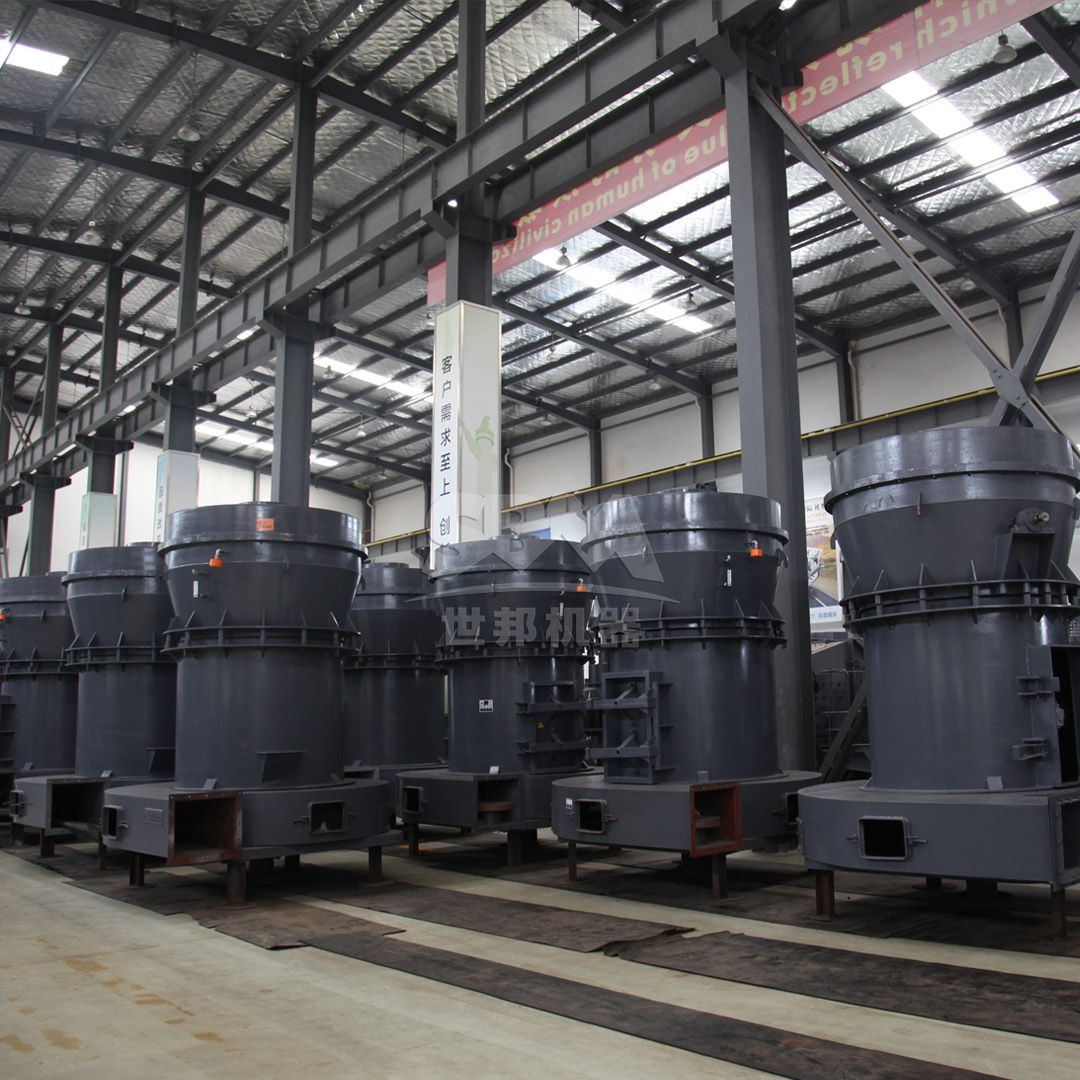
The grinding of Carbon Silicon Carbide powder is a demanding process that requires careful selection of technology and equipment. Moving beyond traditional, inefficient methods to advanced, integrated milling-classification systems is key to achieving high product quality, operational efficiency, and cost-effectiveness. Equipment like the SCM Ultrafine Mill, with its robust design tailored for hard materials, precise classification, and energy-saving profile, provides a reliable and advanced solution for producers aiming to meet the stringent specifications of modern SiC markets. By understanding the material’s challenges and leveraging the right grinding technology, manufacturers can unlock the full potential of this versatile super-abrasive material.