How to Grind Basalt into Powder and What Are the Uses of Basalt Powder?
Introduction
Basalt, a fine-grained, dark-colored volcanic rock, is one of the most abundant materials in the Earth’s crust. Its inherent properties—high hardness (Mohs 5-7), wear resistance, chemical inertness, and excellent thermal stability—make it a valuable raw material across numerous industries. However, unlocking its full potential requires transforming solid basalt rock into fine or ultrafine powders of specific particle sizes. This article provides a comprehensive guide to the grinding process of basalt and explores the diverse applications of basalt powder, highlighting the critical role of advanced milling technology.
Understanding Basalt: The Raw Material
Before delving into the grinding process, it’s essential to understand the material’s characteristics. Basalt primarily consists of plagioclase and pyroxene minerals. Its high silica content and dense structure contribute to its abrasiveness and toughness. These very properties that make basalt desirable for end-use applications also present significant challenges during size reduction, demanding robust and efficient grinding equipment to achieve target fineness while maintaining economic viability.
The Grinding Process: From Rock to Powder
The transformation of basalt into powder is a multi-stage process, typically involving primary crushing, secondary crushing, and final grinding/milling. The choice of technology at each stage depends on the feed size, required final fineness, and desired production capacity.
1. Primary and Secondary Crushing
Large basalt blocks extracted from quarries are first reduced to smaller, manageable pieces (typically <50mm) using jaw crushers or gyratory crushers. For further size reduction to a few millimeters, cone crushers or impact crushers are employed. This pre-crushing stage is crucial for optimizing the feed to the final grinding mill, ensuring efficiency and protecting the mill from excessive wear.
2. Fine and Ultrafine Grinding – The Core Stage
This is the most critical phase where the crushed basalt is pulverized into fine (tens to hundreds of microns) or ultrafine (micron to sub-micron) powders. Several grinding mill technologies are applicable, each with its own advantages for different output specifications.
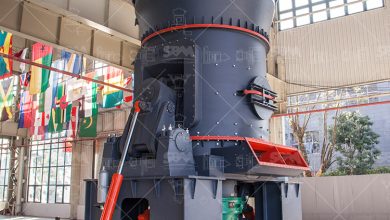
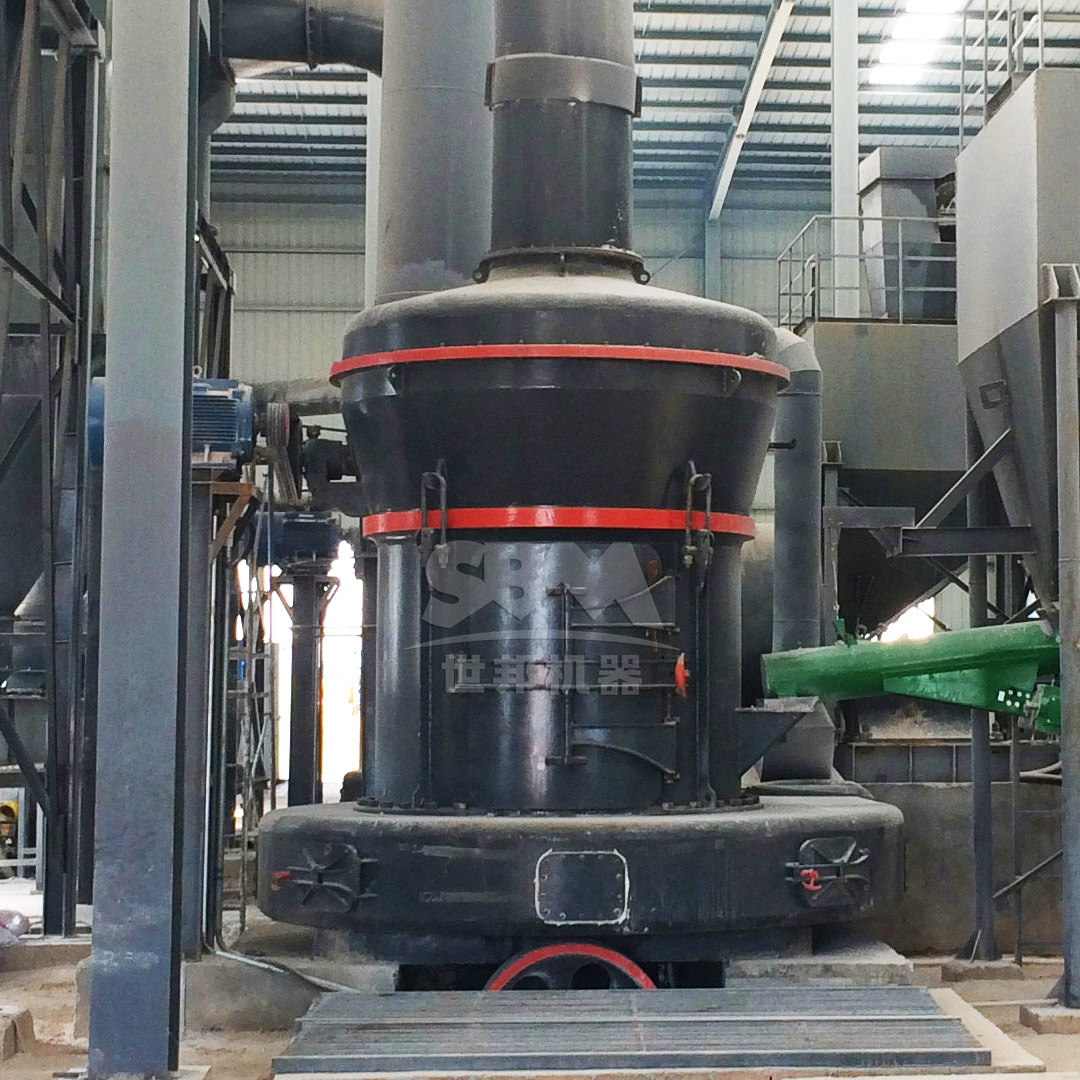
- For Coarse to Medium Fine Powder (30-325 mesh / 600-45μm): Applications like asphalt aggregates or concrete additives often require powders in this range. MTW Series Trapezium Mills are exceptionally well-suited for this duty. Their robust construction, featuring curved air duct and锥齿轮整体传动, ensures high transmission efficiency (up to 98%) and stable operation when processing hard materials like basalt. The MTW series offers capacities from 3 to 45 tons per hour, making it ideal for large-scale production of construction-grade basalt powder.
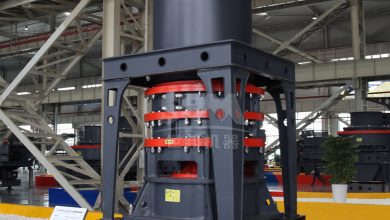
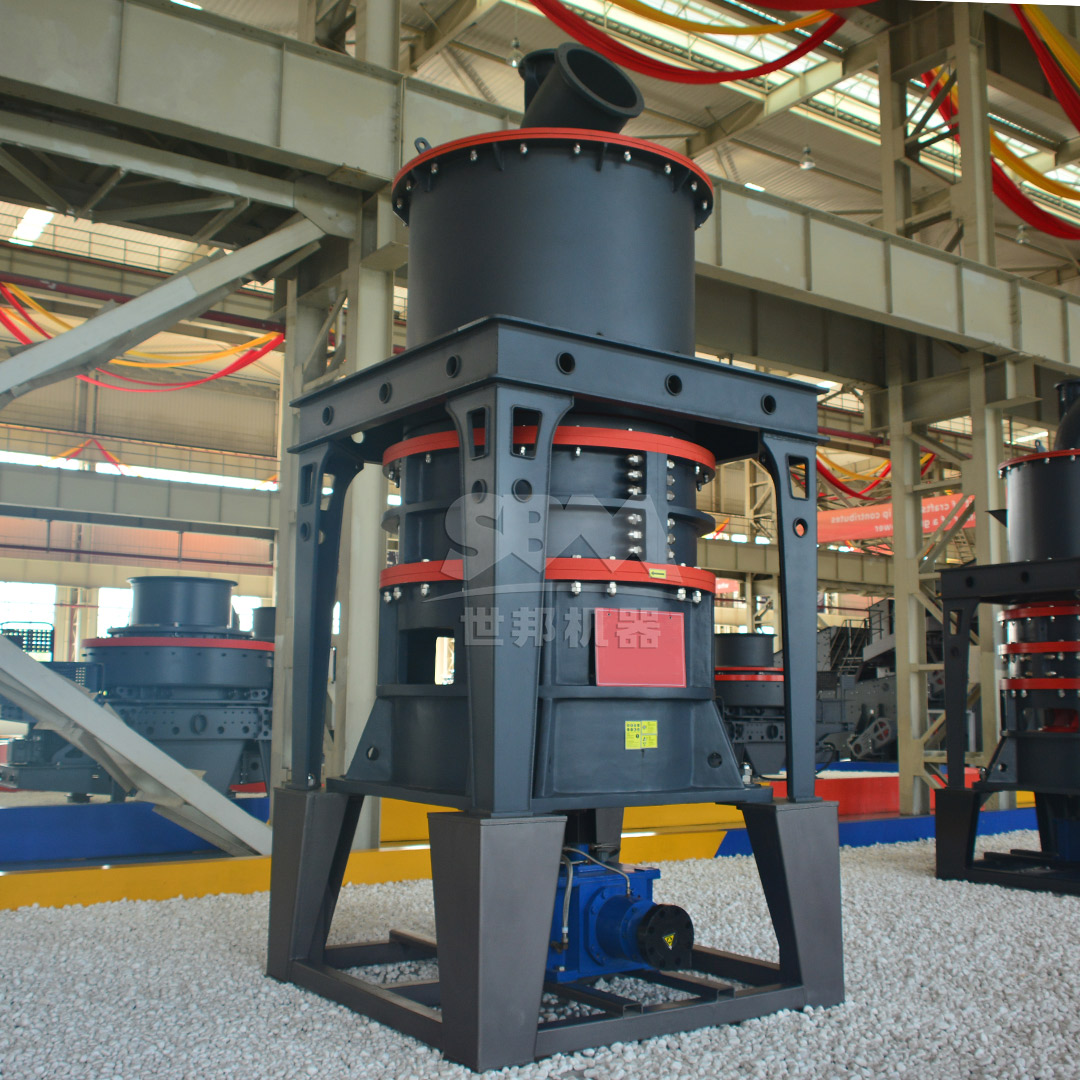
- For Ultrafine Powder (325-2500 mesh / 45-5μm and finer): High-value applications in polymer composites, coatings, and advanced ceramics demand ultrafine powders with tight particle size distribution. Achieving this from abrasive basalt requires specialized technology. The SCM Series Ultrafine Mill is engineered precisely for this challenge. It utilizes a unique three-layer ring design and vertical turbine classifier to achieve precise particle size cuts down to D97 ≤ 5μm. Its special material rollers and grinding rings offer extended service life when processing abrasive materials, while its energy-efficient design consumes 30% less power compared to traditional jet mills. For projects requiring the finest quality basalt powder, the SCM series, with models like the SCM1250 (2.5-14 t/h) or SCM1680 (5-25 t/h), provides an optimal balance of fineness control, capacity, and operational economy.
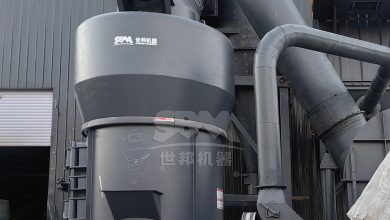
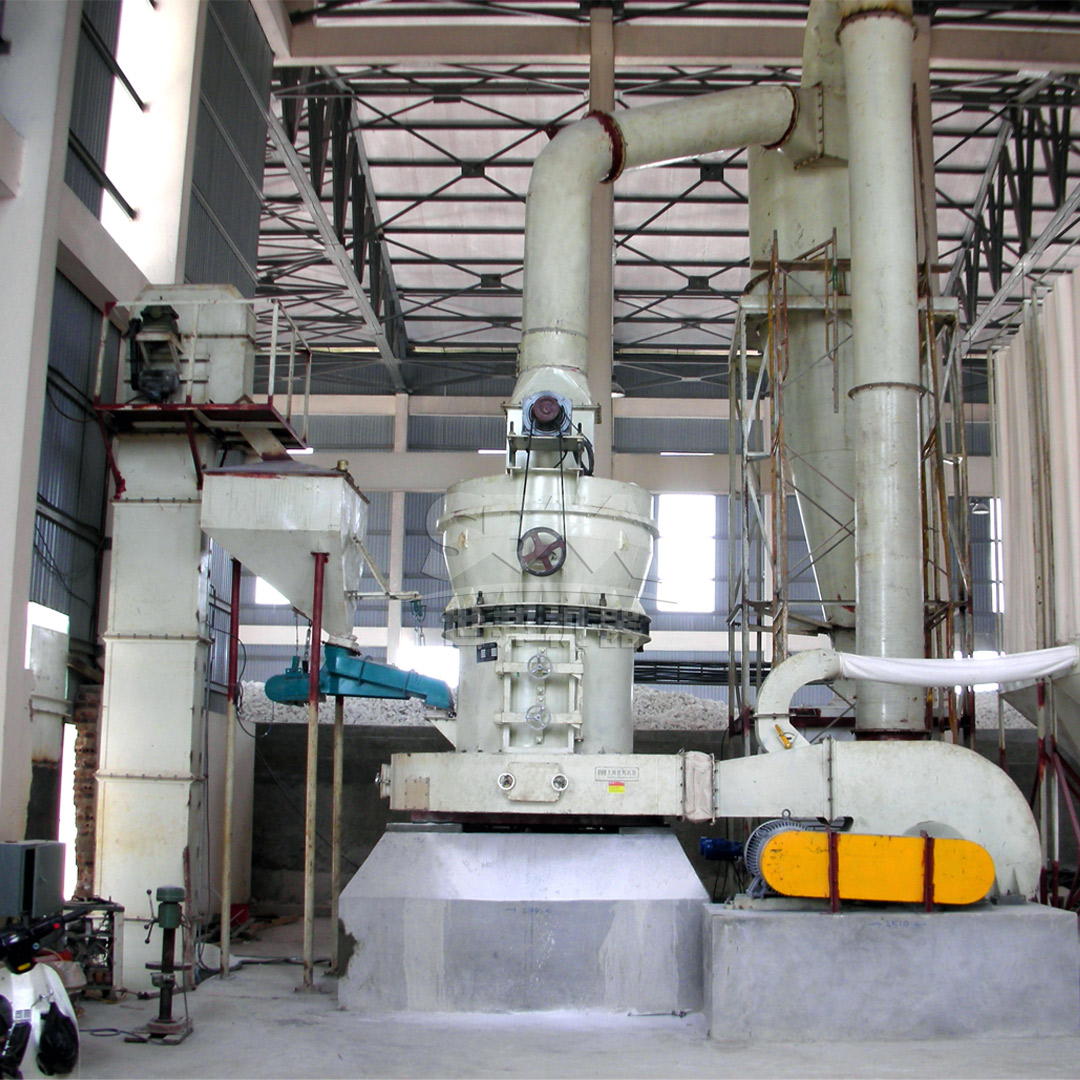
- Other Technologies: Large-scale production of medium-fine powder can also be handled by LM Series Vertical Roller Mills, which offer exceptional energy efficiency and integrated drying capabilities if the basalt feedstock has moisture. Ball Mills are a traditional, versatile option for a wide range of fineness but are generally less energy-efficient for fine grinding than vertical mills or trapezium mills.
3. Classification and Collection
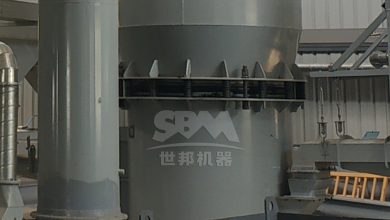
Post-grinding, an integrated air classifier separates fine particles from coarse ones, ensuring the final product meets the target specification. The coarse fraction is returned to the mill for further grinding (closed-circuit system). The fine powder is then collected efficiently by cyclone separators and high-efficiency pulse bag filter systems, which are standard in modern mills like the MTW and SCM series, ensuring dust emissions are well below international environmental standards.
Key Applications of Basalt Powder
The functionality of basalt powder scales with its fineness. Coarser powders find use in traditional sectors, while ultrafine powders enable high-tech applications.
1. Construction and Building Materials
- Concrete and Asphalt Additive: Fine basalt powder acts as a mineral filler, improving the density, mechanical strength, and durability of concrete and asphalt mixes.
- Production of Basalt Fiber: A premier application. Carefully sized basalt powder is melted at high temperatures (around 1500°C) and extruded to form continuous filaments or staple fibers. These fibers offer superior strength, thermal resistance, and corrosion resistance compared to fiberglass, used in automotive, aerospace, and construction composites.
- Geopolymer Cement: Basalt powder, rich in silica and alumina, can be an excellent precursor for creating geopolymer binders, a low-carbon alternative to Portland cement.
2. Polymer Composites and Coatings
Ultrafine basalt powder serves as a high-performance functional filler.
- Reinforcement: It enhances the tensile strength, modulus, and thermal stability of plastics, rubbers, and resins.
- Flame Retardancy: Its mineral composition contributes to improving the flame-retardant properties of polymers.
- Anti-corrosion Coatings: Incorporated into paints and coatings, it improves abrasion resistance, UV stability, and provides a barrier against corrosion.
3. Advanced Ceramics and Refractories
The thermal and chemical stability of basalt makes its powder valuable in producing ceramic bodies and refractory linings for high-temperature industrial furnaces.
4. Environmental and Agricultural Applications
- Water Filtration: Porous basalt granules or powders can be used as filter media for removing impurities from water.
- Soil Amendment: Fine basalt powder, rich in minerals like iron, calcium, and magnesium, can be used as a slow-release soil conditioner to improve fertility (a process known as enhanced rock weathering, which also sequesters CO2).
Selecting the Right Grinding Equipment
The choice of mill is paramount to the success of a basalt powder production line. Key selection criteria include:
- Required Final Fineness (Mesh/Microns): This is the primary determinant. For ultrafine requirements, an SCM Ultrafine Mill is necessary. For coarse to fine powder, an MTW Trapezium Mill or LM Vertical Mill is more appropriate.
- Production Capacity (Tons per Hour): Match the mill model to your output goals. Both SCM and MTW series offer a wide range of models to scale from pilot plants to massive industrial production.
- Energy Efficiency: Modern mills like the MTW and SCM series are designed for low specific energy consumption, a major factor in operational costs.
- Wear Resistance and Maintenance: Given basalt’s abrasiveness, mills with specially hardened grinding components (rollers, rings, liners) and accessible maintenance designs are crucial for minimizing downtime and lifetime cost.
- System Integration and Environmental Compliance: Choose a supplier that provides a complete system (mill, classifier, collector, feeder, silo) with integrated dust control to ensure a clean, automated operation.
Conclusion
Processing basalt into a functional powder opens a gateway to a multitude of high-value applications, from strengthening infrastructure to enabling advanced composite materials. The journey from dense rock to precise powder hinges on employing the correct, robust grinding technology. For producers aiming to supply the construction industry with high volumes of quality basalt powder, the MTW Series Trapezium Mill stands out for its reliability, efficiency, and large capacity. For those targeting the premium market of ultrafine powders for composites, coatings, and high-tech ceramics, investing in an SCM Series Ultrafine Mill is essential to achieve the necessary particle size control and product uniformity. By understanding both the grinding process and the end-use landscape, producers can strategically select equipment to transform this abundant volcanic rock into a versatile and profitable material for the modern industry.