What Type of Grinding Mill is Used for Dry Process Cement Production from Calcium Carbide Slag?
Introduction: The Challenge of Calcium Carbide Slag in Cement Production
The utilization of industrial by-products like calcium carbide slag (CCS) in cement production represents a significant stride towards sustainable and cost-effective manufacturing. CCS, a solid waste generated from acetylene production, is rich in calcium hydroxide (Ca(OH)₂). In the dry process cement production line, it can serve as a partial or complete substitute for traditional limestone, provided it is properly dried and ground to a suitable fineness. The core challenge lies in selecting a grinding mill that can efficiently handle the specific physical and chemical characteristics of dried CCS—often abrasive, with variable moisture content after drying—while meeting the stringent fineness, capacity, and energy consumption requirements of modern cement plants.
Key Considerations for Mill Selection
Choosing the right grinding equipment for CCS is critical. The primary factors include:
- Feed Size & Moisture: Dried CCS typically has a particle size of 0-50mm with minimal residual moisture. The mill must accept this feed range reliably.
- Required Product Fineness: For use as a cement raw meal component, the ground CCS usually needs to achieve a fineness of 80-90% passing 200 mesh (74μm) or even finer for optimal reactivity in the kiln.
- Abrasion Resistance: CCS can be abrasive. Mill components in contact with the material must exhibit exceptional wear resistance to minimize downtime and maintenance costs.
- Energy Efficiency: Grinding is energy-intensive. A mill with a high grinding efficiency and low specific power consumption is paramount for operational economy.
- System Integration & Environmental Control: The mill should integrate seamlessly with drying and classification systems, operating under negative pressure to ensure a dust-free environment.
Mill Technology Options for CCS Grinding
Several grinding technologies are applicable, each with distinct advantages for processing calcium carbide slag.
1. Vertical Roller Mill (VRM)
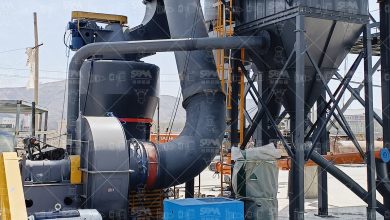
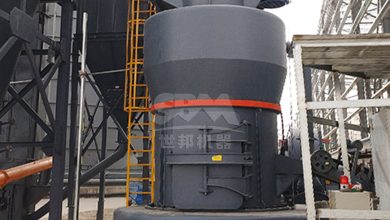
The Vertical Roller Mill has become the industry standard for raw material grinding in dry process cement plants, and for good reason. It is exceptionally well-suited for CCS. The material is fed onto a rotating grinding table and crushed under hydraulic pressure from grinding rollers. The integrated classifier immediately separates fine product, while coarse material falls back for regrinding. This mechanism offers high grinding efficiency and excellent drying capability when integrated with a hot gas source.
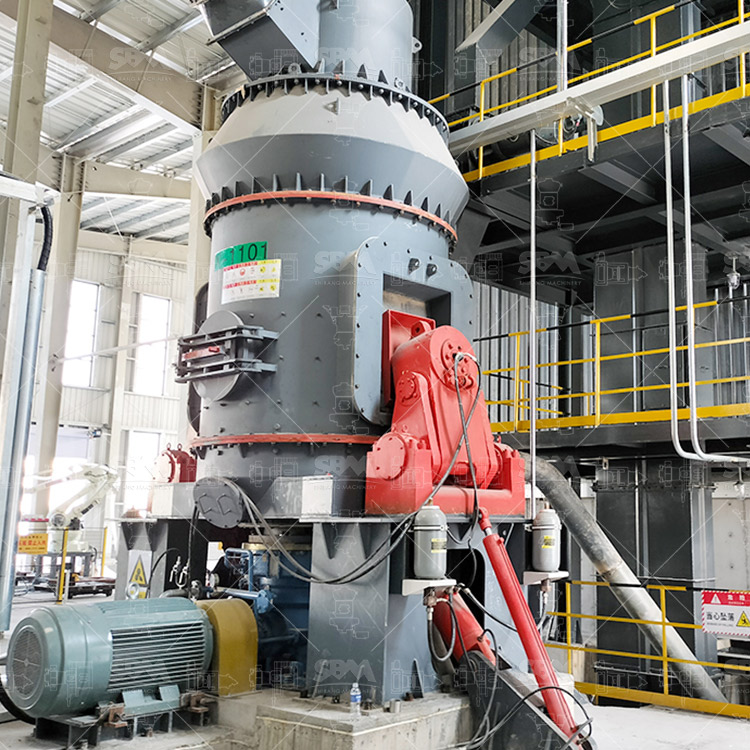
For cement producers looking to integrate CCS grinding into their raw meal preparation, our LM Series Vertical Roller Mill is an outstanding solution. Its integrated design combines crushing, grinding, drying, and classification in a single unit, reducing footprint by 50%. Crucially for handling abrasive CCS, its non-contact design between rollers and table, along with specially hardened wear parts, extends service life significantly. With energy consumption 30-40% lower than traditional ball mill systems and fully sealed negative pressure operation ensuring environmental compliance, the LM series, such as the LM190K (capacity 23-68 t/h, fineness 170-45μm), provides a reliable and economical backbone for large-scale CCS processing.
2. European Trapezium Mill
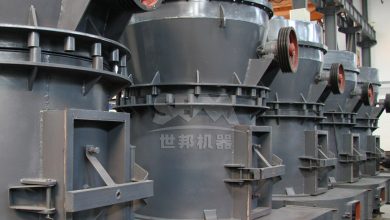
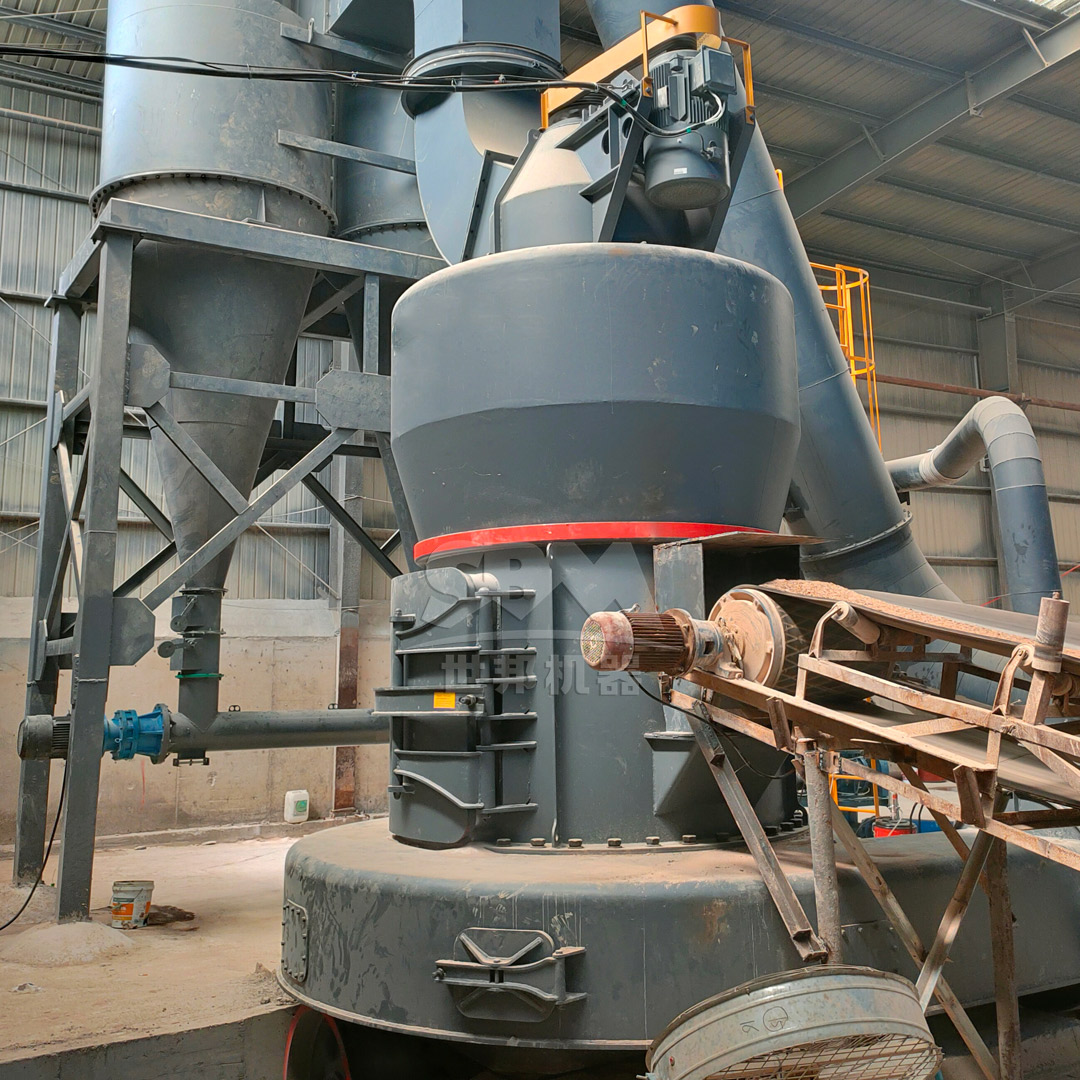
This advanced version of the traditional Raymond mill offers robust performance for medium to fine grinding. It features a curved grinding roller and ring design that improves grinding efficiency and component life. Its forced lubrication system and sturdy construction make it a durable choice for abrasive materials.
Our MTW Series European Trapezium Mill incorporates several patented innovations ideal for consistent CCS grinding. Its anti-wear combined shovel blades and wear-resistant volute structure directly address the abrasiveness of slag, reducing maintenance costs by an estimated 30%. The integral bevel gear drive achieves up to 98% transmission efficiency, saving energy. For plants with moderate capacity needs, a model like the MTW175G, offering 9.5-25 t/h capacity down to 325 mesh, provides a perfect balance of precision, durability, and cost-effectiveness for producing finely ground CCS powder.
3. Ball Mill
The traditional ball mill, a workhorse of the industry, remains a viable option. It is highly reliable and can produce a very consistent product. However, for dry grinding applications like CCS, its energy efficiency is generally lower compared to VRMs and advanced trapezium mills. It is often considered where initial investment cost is a primary driver or for specific product fineness requirements.
4. Ultrafine Mills (For Specialized Applications)
If the application requires CCS to be ground to ultra-fine levels (e.g., above 325 mesh) for use as a high-performance mineral admixture, specialized equipment like our SCM Series Ultrafine Mill becomes relevant. While not typical for standard raw meal, its ability to produce powders from 325 to 2500 mesh with high classification precision and lower energy consumption than jet mills opens possibilities for value-added CCS products.
Recommended Solution: A Systems Approach
The optimal setup for dry CCS processing in cement production often involves a multi-stage system. A preliminary crushing stage (using a hammer mill or crusher) ensures a consistent feed size (≤50mm) for the main grinding mill. The core of the system is the grinding mill itself, paired with a high-efficiency classifier and a robust dust collection system.
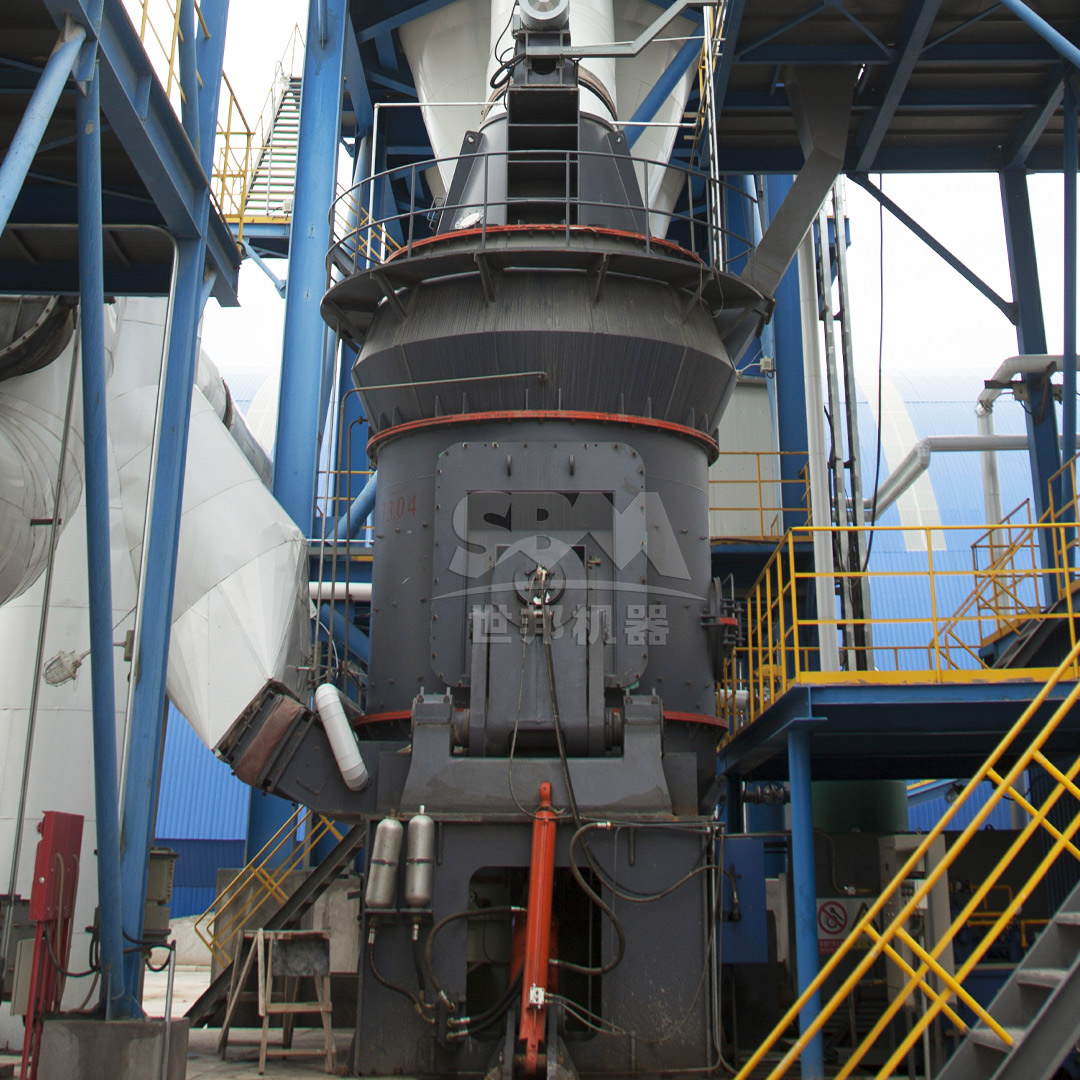
For most modern, large-capacity cement plants aiming for maximum efficiency and lowest operating cost, the Vertical Roller Mill (LM Series) is the unequivocal recommendation. Its ability to handle the abrasive nature of CCS, its superior energy efficiency, and its integrated drying and classifying functions make it the most future-proof and economical choice.
For smaller operations or dedicated grinding stations where flexibility and a lower initial investment are key, the MTW Series European Trapezium Mill offers a compelling, high-performance alternative with exceptional wear protection.
Conclusion
The successful integration of calcium carbide slag into dry process cement production hinges on selecting the right grinding technology. The choice must balance material characteristics, desired product quality, production scale, and total cost of ownership. While several mill types can perform the task, advanced vertical roller mills and European trapezium mills stand out for their efficiency, durability, and environmental performance. By investing in the appropriate grinding system, cement producers can not only reduce their environmental footprint by utilizing an industrial by-product but also significantly lower their raw material and energy costs, enhancing both sustainability and profitability.