Types and Models of Calcite Raymond Mill for Grinding
Introduction to Calcite Grinding
Calcite, a naturally occurring calcium carbonate mineral, is one of the most versatile and widely used industrial minerals. Its applications span from construction materials like paints, plastics, and sealants to more specialized uses in pharmaceuticals, food additives, and paper coating. The key to unlocking calcite’s value in these diverse industries lies in the efficiency and precision of its size reduction process. Grinding calcite to specific fineness ranges transforms it from a raw mineral into a high-value functional powder. For decades, Raymond mill technology, characterized by its pendulum roller grinding mechanism, has been the cornerstone of calcite processing. However, modern demands for higher throughput, finer particle sizes, and greater energy efficiency have driven significant evolution in mill design. Today, processors can choose from a sophisticated array of mill types, each engineered to optimize specific stages of calcite size reduction, from coarse crushing to ultrafine micronization.
Evolution and Core Principles of Raymond Mill Technology
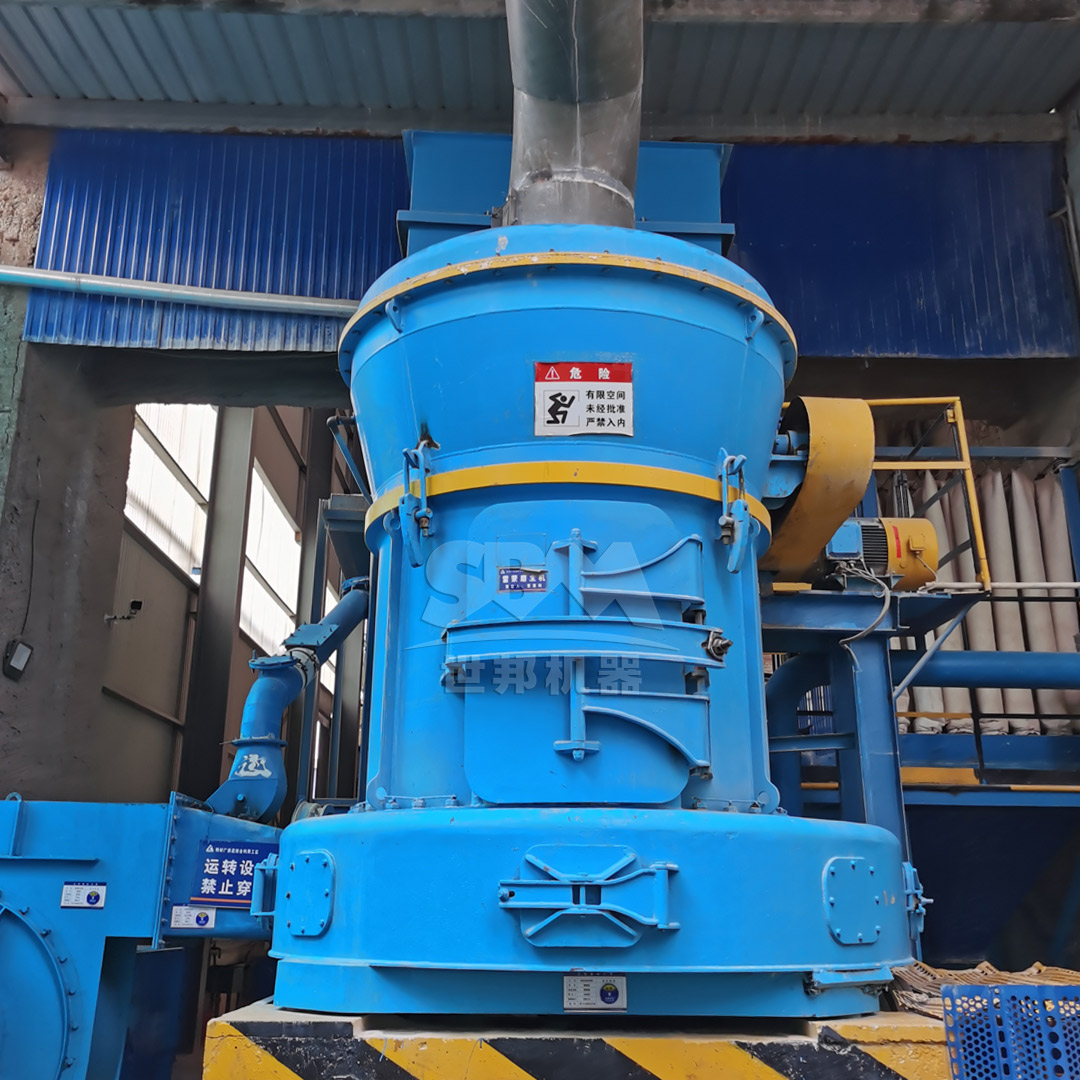
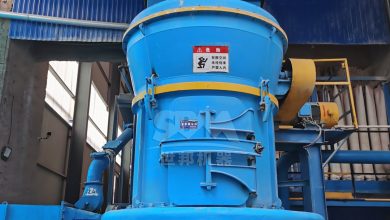
The traditional Raymond mill, or pendulum roller mill, operates on a time-tested principle. A central vertical shaft rotates, causing grinding rollers suspended from a yoke (the “pendulum”) to swing outward due to centrifugal force, pressing against a stationary grinding ring. Material fed into the grinding zone is crushed and ground between the rollers and the ring. A built-in classifier (often a whizzer or static separator) allows only particles meeting the target fineness to escape with the air stream to the collection system, while coarser particles fall back for regrinding.
While this fundamental principle remains effective, modern iterations have addressed its limitations. Key advancements include:
- Enhanced Classification: Moving from simple static separators to high-efficiency dynamic turbine classifiers, enabling precise cuts from 45μm down to 5μm.
- Improved Mechanical Drives: Adoption of integral bevel gear drives and planetary gearboxes for higher transmission efficiency (up to 98%) and smoother operation.
- Material Science: Use of advanced alloy steels and ceramic materials for grinding rollers and rings, dramatically extending wear life.
- Automation & Control: Integration of PLC systems for automatic control of feed rate, grinding pressure, and classifier speed, ensuring consistent product quality.
These innovations have given rise to distinct families of mills, each suited for a particular fineness range and production scale in the calcite processing chain.
Types and Models for Different Calcite Grinding Stages
Selecting the right mill is critical for operational efficiency and product quality. The choice is primarily dictated by the target output fineness and required capacity.
1. Coarse to Medium-Fine Grinding (600 – 45μm / 30 – 325 mesh)
This range is typical for fillers in plastics, rubber, and construction materials. High-capacity, robust mills are essential.
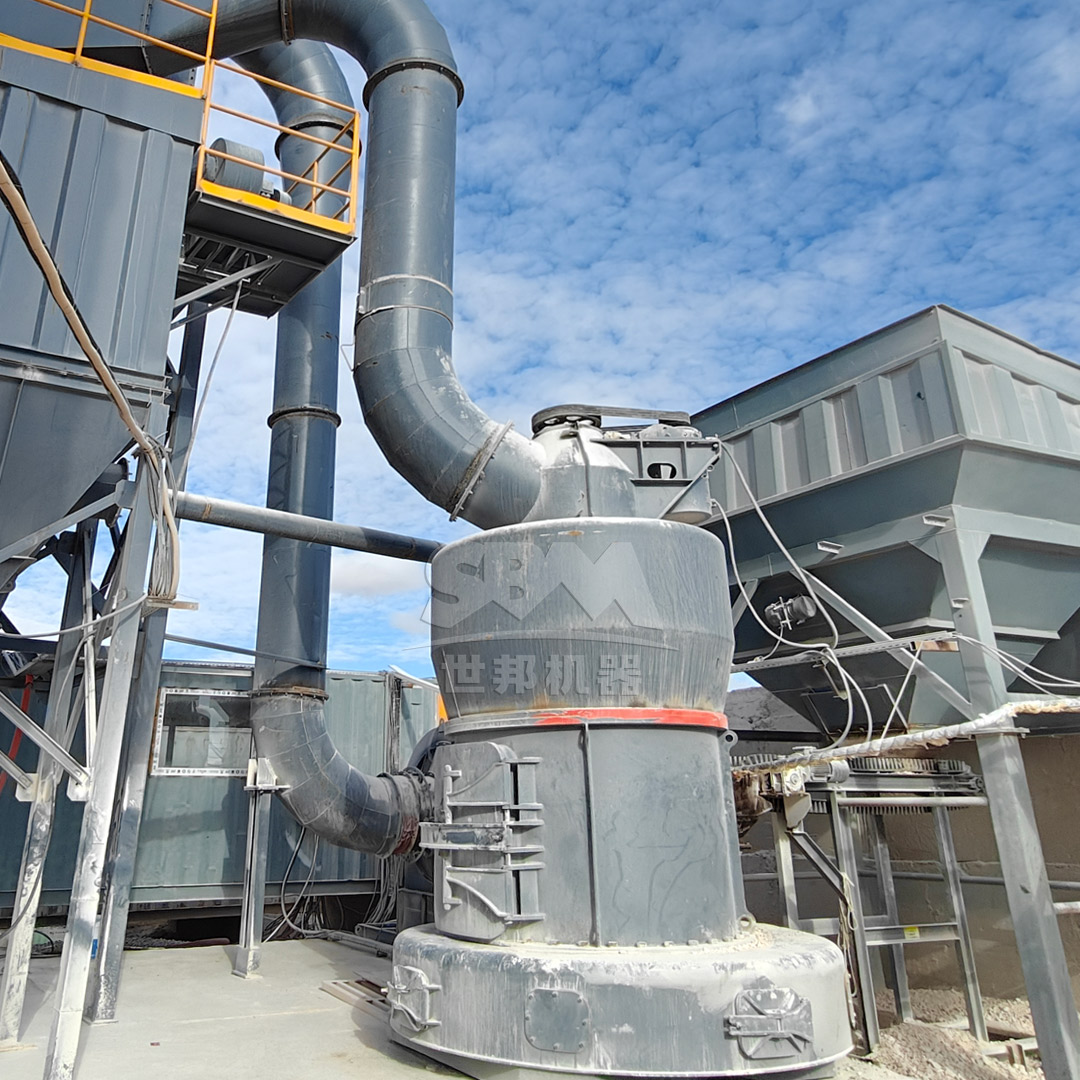
- MTW Series European Trapezium Mill: This represents a major evolution from the traditional Raymond mill. It features a curved shovel blade design that increases feeding efficiency and reduces wear. Its optimized arc air duct minimizes flow resistance, and the integral bevel gear central drive offers compact, high-efficiency power transmission. Models like the MTW215G can handle feed sizes up to 50mm and deliver capacities from 15 to 45 tons per hour, making it ideal for large-scale production of ground calcium carbonate (GCC).
- Ball Mill: For applications where ultra-fine is not required but very high capacity and wet grinding are needed (e.g., slurry for papermaking), ball mills remain a workhorse. They offer simple operation and a wide fineness adjustment range, though with higher energy consumption per ton compared to advanced roller mills.
2. Fine to Ultrafine Grinding (45 – 5μm / 325 – 2500 mesh)
This is the high-value domain for specialty papers, high-end plastics, paints, and coatings, where particle size distribution and top-cut control are paramount.
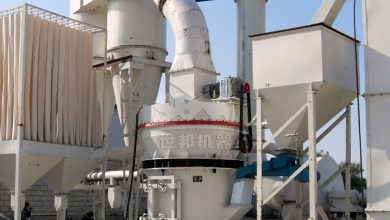
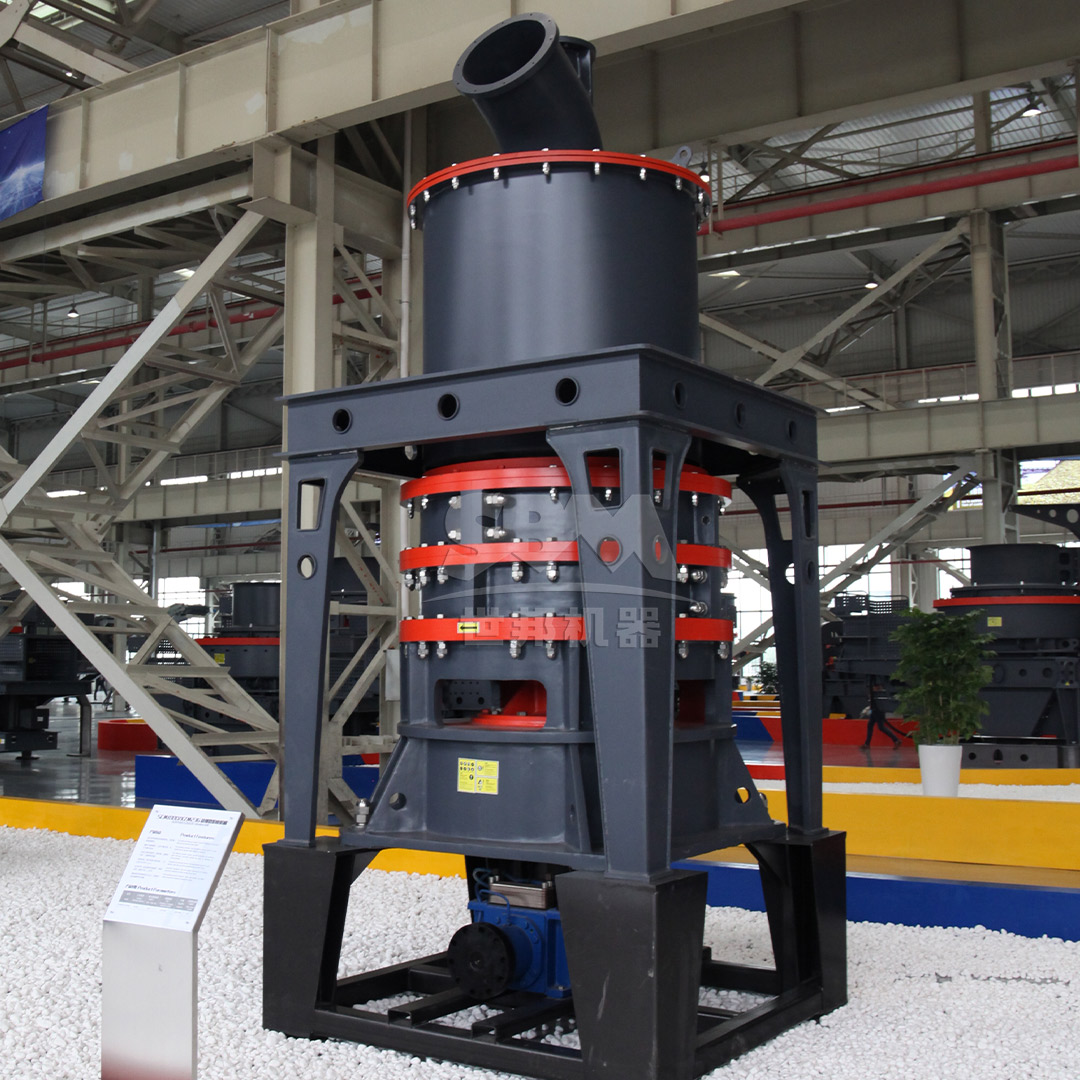
- SCM Series Ultrafine Mill: This mill is engineered specifically for the challenges of ultrafine grinding. It employs a three-layer grinding ring and roller system for progressive size reduction. Its most critical component is the high-precision vertical turbine classifier, which ensures sharp particle size cuts and eliminates coarse particle contamination. The mill operates with high efficiency, offering capacity twice that of some jet mills while consuming 30% less energy. For calcite processors targeting the lucrative 2500 mesh market, the SCM Series is a superior technological solution.
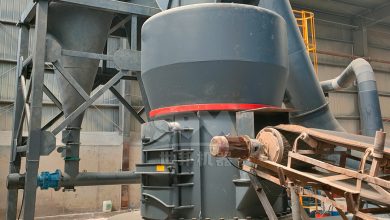
- LUM Ultrafine Vertical Roller Mill: Combining the high-capacity drying and grinding ability of a vertical mill with advanced classification technology, the LUM series is suitable for producing fine calcite powders. Its integrated design saves significant floor space.
3. Large-Scale & Integrated Grinding Systems
For mega-projects, such as producing GCC for paper mills or large-volume industrial fillers, vertical roller mills offer unmatched scale and efficiency.
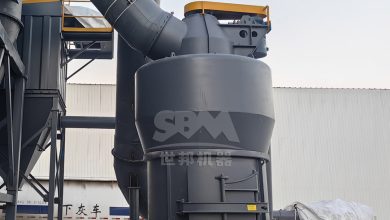
- LM Series Vertical Roller Mill: This mill type represents the pinnacle of large-scale grinding technology. It integrates crushing, grinding, drying, and classification in a single compact unit. Material is ground between large-diameter rollers and a rotating table. Its energy consumption is 30-40% lower than traditional ball mill systems, and its ability to handle high moisture feed (with hot air) is a significant advantage. Models like the LM220K can process up to 105 tons per hour, making it the ideal centerpiece for greenfield calcite processing plants aiming for the highest production volumes with minimal energy use.
Key Selection Criteria for Calcite Raymond Mills
Beyond fineness and capacity, several factors must guide the investment decision:
- Wear Part Life & Maintenance: Calcite’s moderate abrasiveness still causes wear. Look for mills with special alloy grinding elements, easy-access maintenance designs, and features like hydraulic roller systems for quick replacement.
- Energy Efficiency: Grinding is energy-intensive. Compare specific power consumption (kWh/ton) across mill types. Vertical roller mills and advanced trapezium mills typically lead in efficiency for their respective fineness ranges.
- System Integration & Footprint: Consider the entire system from feed to product collection. Integrated vertical mills require less auxiliary equipment and floor space than traditional Raymond mill circuits with separate classifiers and large cyclones.
- Environmental Compliance: Modern mills must feature fully sealed negative pressure operation and high-efficiency pulse jet baghouse dust collectors to ensure dust emissions and noise levels meet stringent international standards.
- Automation Level: An expert control system that automates feed, grinding pressure, and classifier speed is crucial for product consistency, operational safety, and reduced labor costs.
Conclusion and Product Recommendation
The landscape of calcite grinding technology has moved far beyond the one-size-fits-all approach. Today’s processor must match the mill technology to the specific product specification and production economics. For high-volume production of coarse to medium-fine calcite (30-325 mesh), the MTW Series European Trapezium Mill offers an excellent balance of reliability, efficiency, and low operating costs with its advanced drive and wear-resistant design.
For producers targeting the high-value, ultrafine calcite market (325-2500 mesh), where precision and consistency are non-negotiable, the SCM Series Ultrafine Mill stands out. Its multi-layer grinding principle combined with a high-precision turbine classifier ensures unparalleled product uniformity and system energy efficiency, making it the technology of choice for producing premium-grade calcium carbonate powders.
Investing in the right grinding technology is not merely an equipment purchase; it is a strategic decision that determines product quality, operational cost structure, and ultimately, market competitiveness in the dynamic calcite industry.