Quartz Sand Silica Micro Powder Grinding Mill Equipment: Complete Guide & Selection
Introduction to Quartz Sand Silica Micro Powder
Quartz sand, also known as silica sand, is a crucial industrial mineral with extensive applications across glass manufacturing, ceramics, refractories, electronics, construction, and chemical industries. With the rising demand for high-purity ultrafine silica powder, selecting the right grinding mill equipment has become a critical decision for manufacturers seeking to optimize productivity, product quality, and operational costs.
Quartz is a hard and abrasive material with a Mohs hardness of 7, which places significant demands on grinding equipment. Traditional ball mills, while capable of processing quartz, suffer from high energy consumption, low efficiency, and excessive wear. Modern advanced mills—such as ultrafine mills, vertical roller mills, and trapezium mills—offer superior performance for producing silica micro powder in the range of 45μm to 5μm. This comprehensive guide explores the key considerations for selecting quartz sand grinding equipment and recommends specific solutions tailored to various production requirements.
Key Factors in Selecting a Quartz Grinding Mill
1. Product Fineness Requirements
The target particle size is the primary determinant of mill selection. Quartz sand silica micro powder applications typically require fineness ranging from 325 mesh (45μm) down to 2500 mesh (5μm). For coarse to medium-fine powders (30-325 mesh), trapezium mills and vertical roller mills are highly effective. For ultrafine powder (325-2500 mesh), specialized ultrafine mills or vertical ultrafine mills are necessary.
2. Production Capacity
Capacity requirements vary dramatically—from small-scale operations producing 0.5 tons per hour to large industrial plants requiring over 100 tons per hour. Matching mill capacity to production targets ensures operational efficiency without over-investment in equipment.
3. Energy Efficiency
Quartz grinding is energy-intensive. The selected mill should minimize power consumption per ton of finished product. Technologies such as vertical roller mills and advanced ultrafine mills can reduce energy consumption by 30-50% compared to traditional ball mills.
4. Wear Resistance and Maintenance
Due to quartz’s high abrasiveness, wear parts must be manufactured from high-chrome alloys or ceramic materials. Mills featuring easily replaceable rollers and liners reduce downtime and maintenance costs significantly.
5. Environmental Compliance
Dust emission and noise levels must comply with increasingly stringent environmental regulations. Equipment with pulse dust collection systems and soundproof designs is essential for sustainable operations.
Recommended Equipment for Quartz Sand Silica Micro Powder
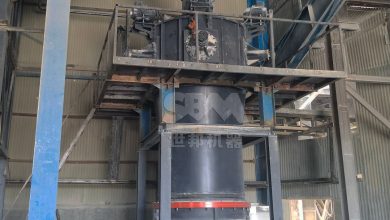
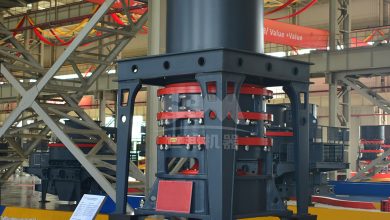
SCM Series Ultrafine Mill: Ideal for Ultrafine Silica Powder
For manufacturers targeting ultrafine silica powder in the 325-2500 mesh range, the SCM Series Ultrafine Mill stands out as a premier choice. This equipment delivers outstanding performance with the following specifications:
- Input Size: ≤20mm
- Output Fineness: 325-2500 mesh (45-5μm)
- Capacity: 0.5-25 ton/h depending on model
Key Advantages:
- High Efficiency & Energy Saving: The SCM mill achieves twice the capacity of jet mills while consuming 30% less energy. Its intelligent control system provides automatic finished product granularity feedback, ensuring consistent quality.
- High-Precision Classification: A vertical turbine classifier enables precise particle size cutting with no coarse powder mixing, guaranteeing uniform finished products—critical for high-value silica applications.
- Durable Design: Special material rollers and rings extend service life several times over. The shaftless screw grinding chamber ensures stable operation even under the demanding conditions of quartz grinding.
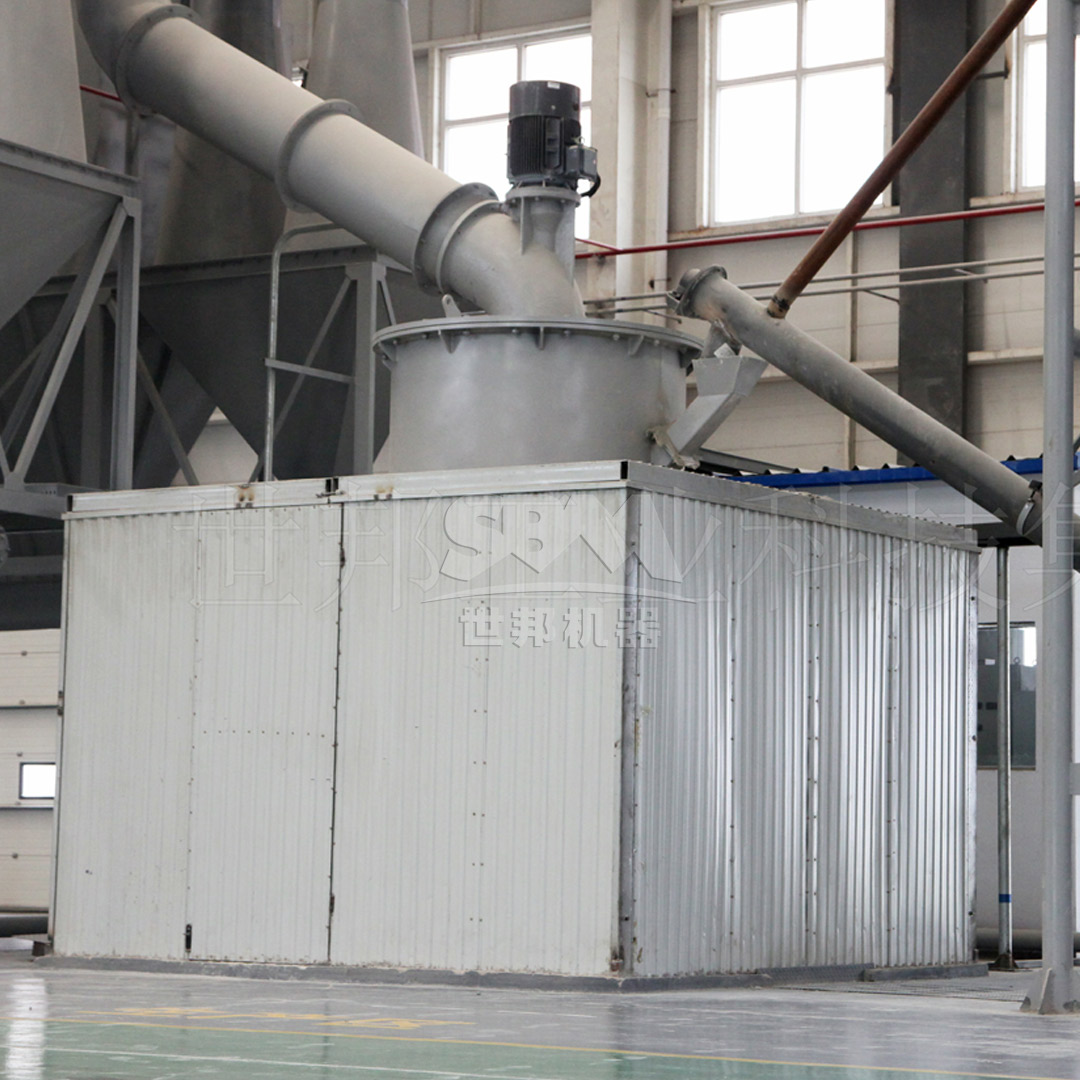
- Eco-friendly & Low Noise: Pulse dust collection efficiency exceeds international standards, and the soundproof room design ensures noise levels remain well within regulatory limits.
Working Principle: The main motor drives three layers of grinding rings to rotate. Materials are dispersed into the grinding path by centrifugal force, crushed by roller pressure, and ground layer by layer. Finally, powder collection is completed by a cyclone collector and a pulse dust removal system.
Available Models:
- SCM800: Capacity 0.5-4.5t/h | Main Power 75kW
- SCM900: Capacity 0.8-6.5t/h | Main Power 90kW
- SCM1000: Capacity 1.0-8.5t/h | Main Power 132kW
- SCM1250: Capacity 2.5-14t/h | Main Power 185kW
- SCM1680: Capacity 5.0-25t/h | Main Power 315kW
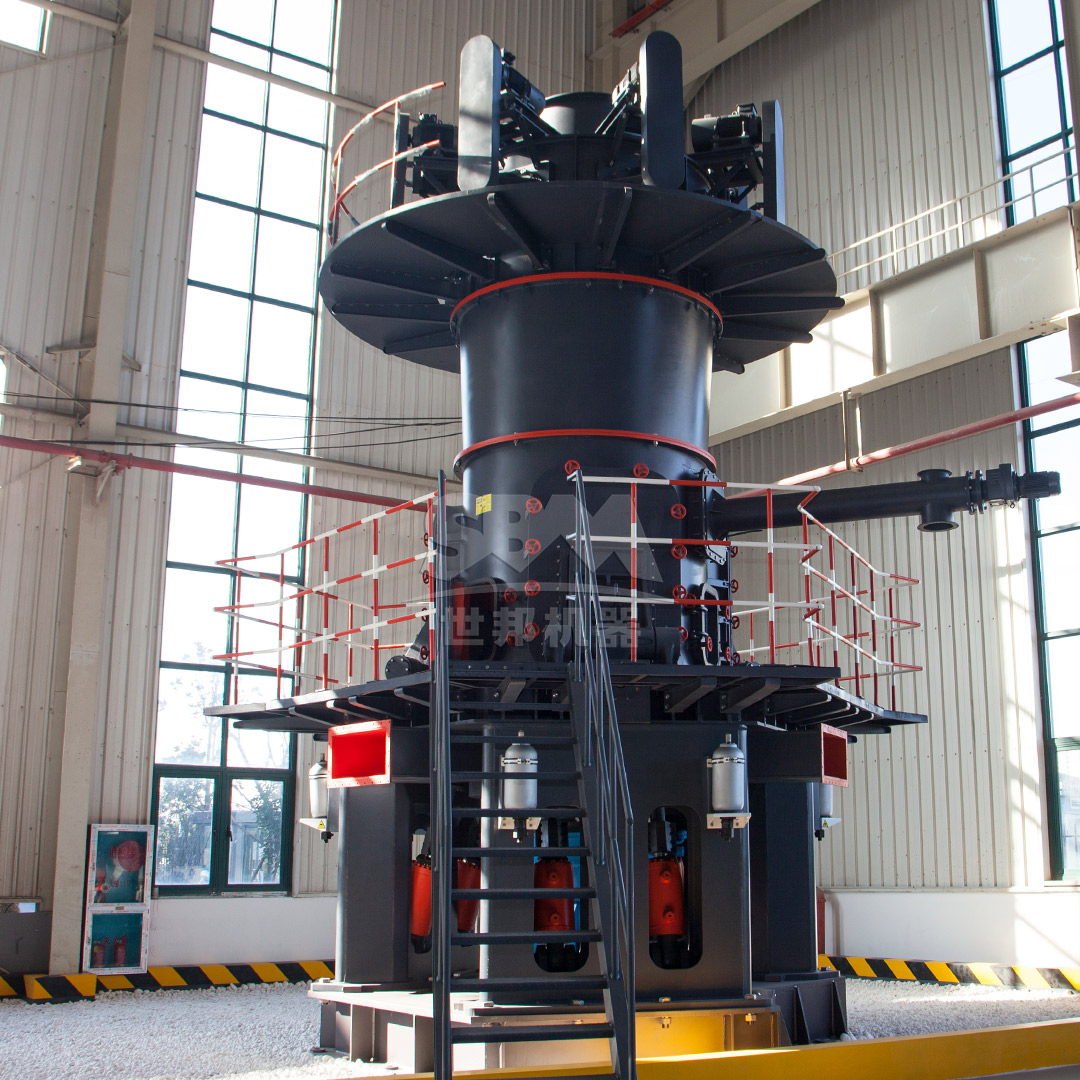
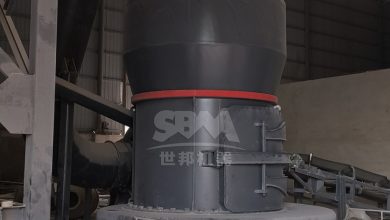
LUM Ultrafine Vertical Roller Mill: Advanced Technology for Demanding Applications
For large-scale ultrafine silica production, the LUM Ultrafine Vertical Roller Mill offers exceptional performance. With a feed size of 0-20mm and output fineness of 325-2500 mesh, this mill combines efficient grinding with precise classifying.
Key Advantages:
- Efficient Grinding: Unique roller and liner curves improve grinding efficiency, making it highly suitable for abrasive quartz materials.
- Precise Classifying: Multi-rotor technology ensures no coarse particles escape into the finished product.
- Smart Control: PLC automation ensures stable running conditions with minimal operator intervention.
- Environmental Performance: Negative pressure operation prevents dust leakage, meeting the strictest environmental standards.
Available Models:
- LUM1525: 220-250kW | 1.6-11.5t/h | Fineness 5-30μm
- LUM1632: 280-315kW | 2-13.5t/h | Fineness 5-30μm
- LUM1836: 355-400kW | 2.3-15t/h | Fineness 5-30μm
Comparison with Other Mill Types for Quartz Processing
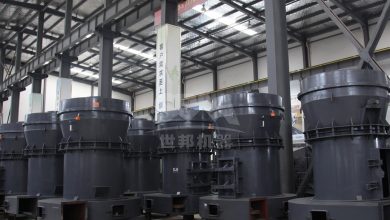
MTW Series European Trapezium Mill
For medium-fine silica powder production (30-325 mesh), the MTW Series European Trapezium Mill is an excellent option. With capacities ranging from 3-45 t/h, it features an anti-wear shovel design, optimized arc air duct, and integral bevel gear drive achieving 98% transmission efficiency. The wear-resistant volute structure reduces maintenance costs by 30%, making it cost-effective for continuous operations.
LM Series Vertical Roller Mill
The LM Series Vertical Roller Mill offers integrated crushing, grinding, and selection in a single unit, reducing floor space by 50%. With capacities from 3-250 t/h, it is ideal for large-scale operations. The non-contact design between rollers and table increases wear part life by 3x, and energy consumption is 30-40% lower than ball mill systems.
Ball Mill
While ball mills remain widely used for quartz grinding, their application is generally limited to coarser products (0.074-0.8mm). They offer high crushing ratios up to 300:1 and large capacity but consume significantly more energy than modern alternatives. For micro powder production below 45μm, ball mills are increasingly being replaced by ultrafine mills and vertical roller mills.
Selection Guidelines by Application
Glass and Ceramics Industry
For glass manufacturing, silica powder with fineness of 200-400 mesh is typically required. The MTW Series European Trapezium Mill or LM Series Vertical Roller Mill provides excellent throughput and consistent product quality for these applications.
Electronics and High-Purity Applications
Electronic-grade silica powder demands the highest purity and finest particle sizes (typically 1250-2500 mesh). The SCM Series Ultrafine Mill and LUM Ultrafine Vertical Roller Mill are specifically engineered for these demanding requirements, with contamination-free grinding chambers and precise classification systems.
Construction and Refractory Materials
For construction applications requiring 100-325 mesh silica powder, the MTM Medium-speed Trapezium Mill or MTW Series Mill offers an optimal balance of capacity, efficiency, and cost-effectiveness.
Conclusion
Selecting the appropriate quartz sand silica micro powder grinding mill requires careful evaluation of fineness requirements, production capacity, energy efficiency, wear resistance, and environmental compliance. The SCM Series Ultrafine Mill and LUM Ultrafine Vertical Roller Mill represent the most advanced solutions for ultrafine silica powder production, delivering superior efficiency, precise particle size control, and durable operation. For medium-fine applications, the MTW and LM Series mills provide reliable, high-capacity performance with reduced operating costs.
Investing in the right grinding equipment not only ensures product quality but also significantly reduces long-term operational expenses. Manufacturers should consider their specific product requirements and production scale when choosing between ultrafine mills, vertical roller mills, and trapezium mills to achieve optimal results in quartz processing.