Phosphogypsum Grinding Mill: Enhancing Comprehensive Utilization Process in Guizhou
Guizhou Province, a significant hub for phosphorus chemical industry in China, generates substantial quantities of phosphogypsum (PG) as a by-product. Historically considered an industrial solid waste, improper stockpiling of PG has posed environmental challenges. However, with the national push for a circular economy and solid waste resource utilization, transforming PG into a valuable resource has become a strategic imperative. The key to unlocking its potential in applications such as cement retarders, building gypsum, soil conditioners, and road base materials lies in efficient and precise grinding technology. This article explores the technical requirements for phosphogypsum grinding and highlights advanced milling solutions that can revolutionize its comprehensive utilization process in Guizhou.
The Imperative for Phosphogypsum Utilization in Guizhou
Phosphogypsum is primarily composed of calcium sulfate dihydrate (CaSO4·2H2O) but contains impurities like phosphates, fluorides, organic matter, and heavy metals. For high-value applications, grinding serves multiple critical functions: it increases the specific surface area to enhance reactivity, modifies particle size distribution for optimal product performance (e.g., workability in plaster, strength in cement), and can facilitate the removal or encapsulation of certain impurities through subsequent processes. The grinding system must, therefore, be versatile, energy-efficient, and capable of producing a consistent, fine powder with adjustable fineness.
Technical Challenges in Phosphogypsum Grinding
Processing phosphogypsum presents unique challenges. Its moisture content can vary, requiring mills to handle slightly damp feed. The abrasive nature of the material demands wear-resistant grinding components to ensure operational continuity and low maintenance costs. Furthermore, to meet the fineness requirements for different applications—from 30-100 mesh for soil stabilization to over 200 mesh for high-performance building gypsum—the mill must offer precise particle size classification and stable output quality. Environmental compliance is non-negotiable, necessitating dust-free operation and low noise levels, especially for plants near communities.
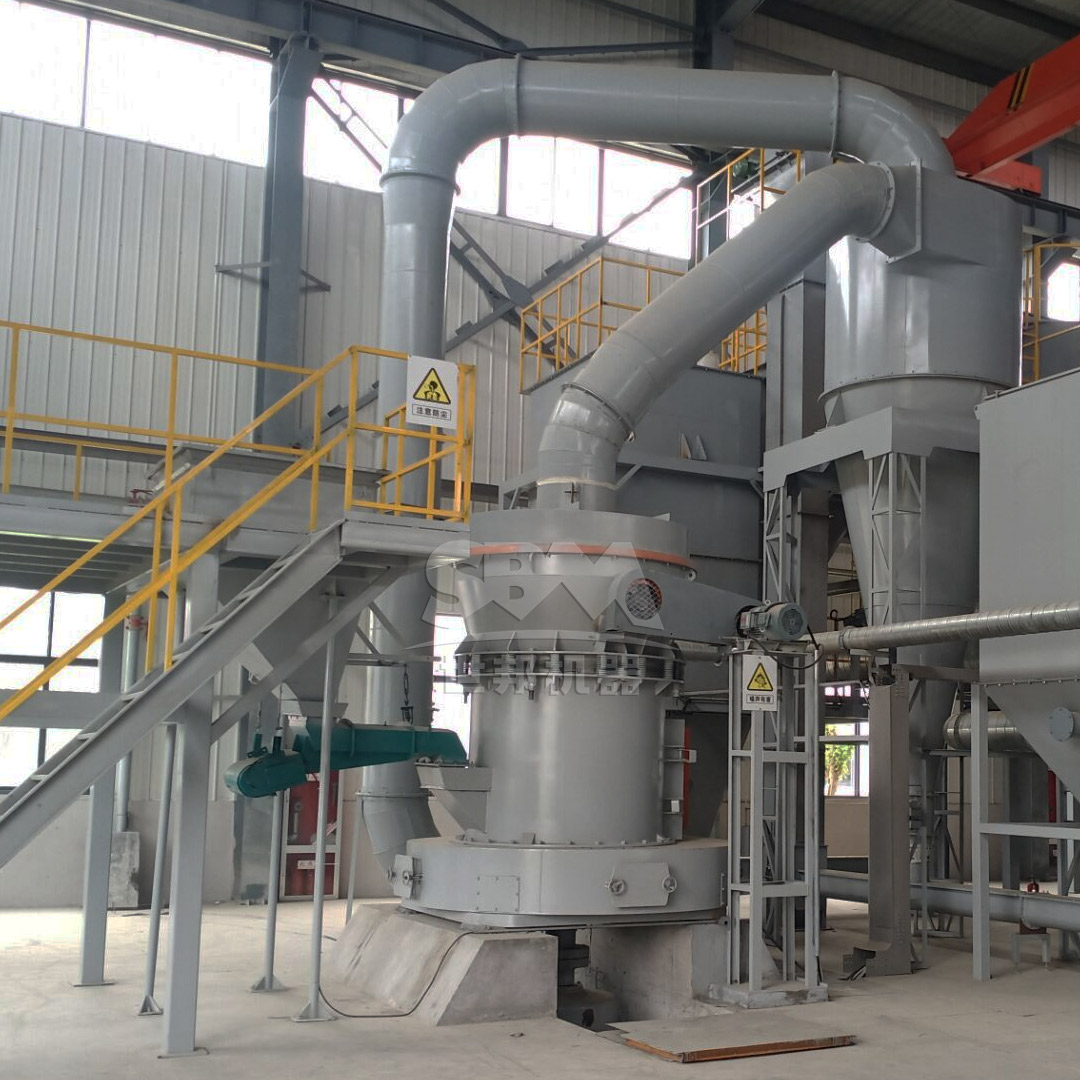
Advanced Milling Solutions for Value Addition
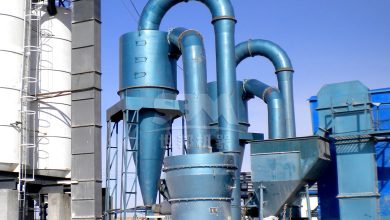
Traditional ball mills, while robust, often lack energy efficiency and precise size control for modern PG processing lines. Contemporary grinding technology focuses on integrated systems that combine crushing, drying (if needed), grinding, classifying, and conveying into a single, automated process. Two standout technologies are particularly well-suited for the phosphogypsum valorization chain in Guizhou, offering scalable solutions from pilot projects to large-scale industrial production.
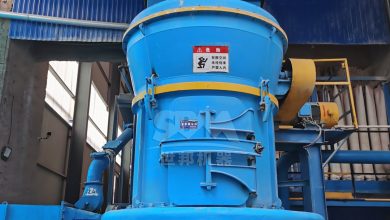
1. The MTW Series European Trapezium Mill: For High-Capacity, Coarse to Medium-Fine Grinding
For projects focusing on producing cement retarders or road base materials where fineness requirements typically range from 30 to 200 mesh, the MTW Series European Trapezium Mill is an optimal workhorse. Its design is tailored for high-volume processing with remarkable durability.
Key advantages for phosphogypsum include:
- Anti-wear Design: The combined shovel blade and curved roller design significantly reduce wear from abrasive materials, extending service life and lowering maintenance frequency—a critical factor for continuous PG processing plants.
- High Efficiency & Capacity: With models like the MTW215G offering capacities up to 45 tons per hour, it can handle the large throughput needed for major phosphogypsum recycling facilities in Guizhou. Its integral bevel gear drive achieves 98% transmission efficiency, translating to direct energy savings.
- Precise Classification: An efficient internal classifier ensures a consistent product size, which is vital for the quality of PG-based building materials.
- Eco-friendly Operation: The system integrates advanced pulse dust collection technology, ensuring emissions are well below national standards, aligning with Guizhou’s green development goals.
The MTW series is a proven solution for establishing a reliable, large-scale base for phosphogypsum consumption in construction and infrastructure projects.
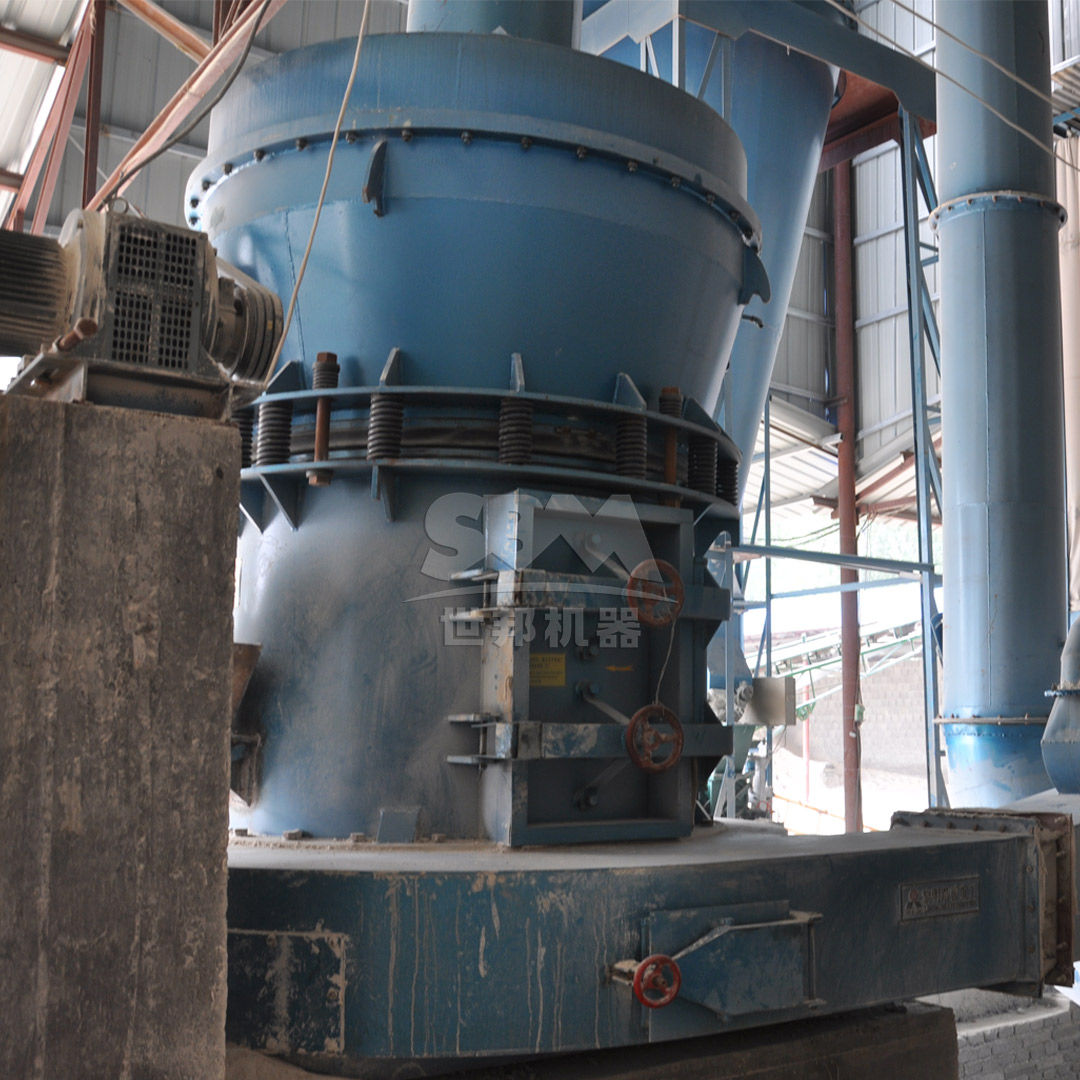
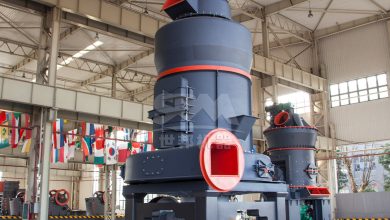
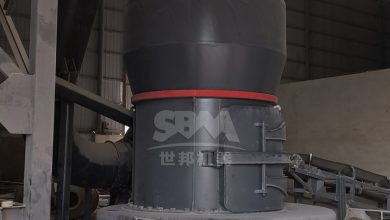
2. The SCM Series Ultrafine Mill: Unlocking High-Value Applications
To venture into the premium market of high-strength alpha gypsum, polymer composites, or specialty fillers, ultrafine grinding is essential. The SCM Series Ultrafine Mill is engineered to produce fine powders from 325 to an impressive 2500 mesh (5μm), opening doors to the highest value-added uses of phosphogypsum.
Its technological edge includes:
- Superfine Grinding Capability: It can process phosphogypsum into ultra-fine powder with high whiteness and activity, suitable for high-end building decoration materials and precision industrial fillers.
- High-Precision Turbine Classifier: This ensures sharp particle size cuts and a narrow distribution, eliminating coarse particles that could compromise product quality. The fineness can be adjusted steplessly in real-time via intelligent control systems.
- Energy Efficiency: Despite its ultrafine output, the SCM mill’s grinding principle consumes 30% less energy than traditional jet mills, making ultra-fine processing economically viable. Models like the SCM1250 balance capacity (2.5-14 t/h) with power efficiency perfectly for dedicated PG refining lines.
- Durable & Clean: Special material rollers and rings withstand prolonged grinding, while the fully sealed system with high-efficiency pulse dust collectors guarantees a clean workshop environment.
By integrating an SCM Ultrafine Mill, Guizhou’s enterprises can transform phosphogypsum from a bulk construction additive into a high-margin specialty chemical product.
Integrated Process Recommendation for Guizhou
A strategic approach involves a two-stage or selective milling process. Bulk, lower-value applications can be served by an MTW Series mill, processing raw or pre-dried PG. For high-value product lines, purified or processed PG can be fed into an SCM Series Ultrafine Mill. Both systems support automated control, allowing for remote monitoring and adjustment—a feature that enhances operational safety and consistency in modern industrial parks.
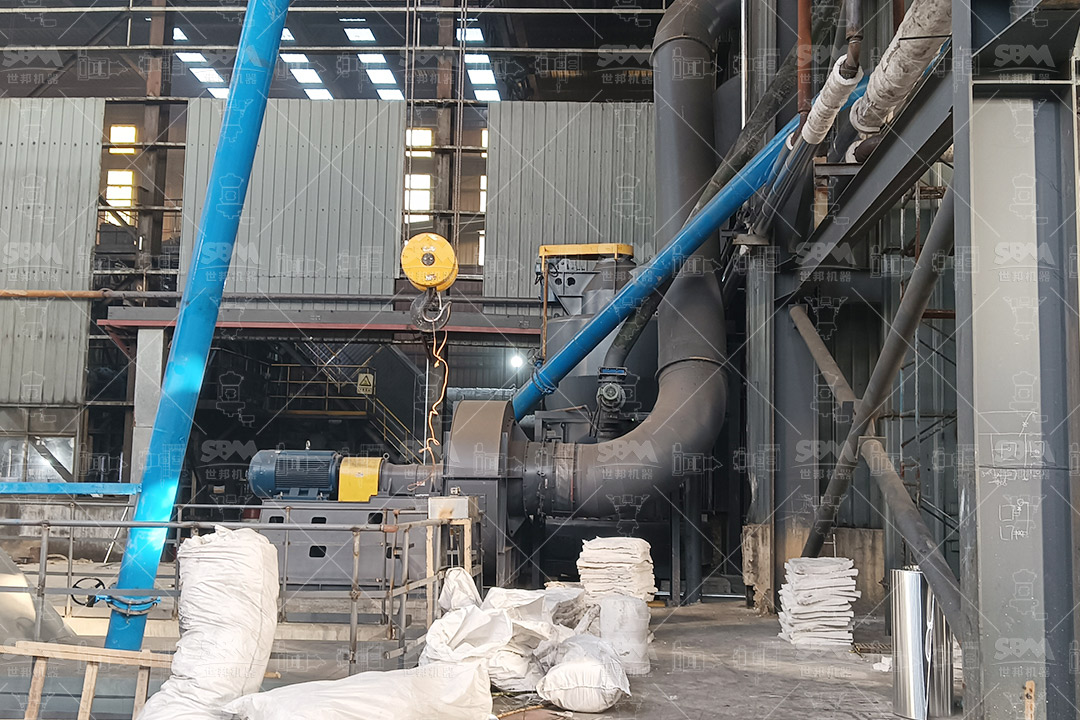
Conclusion
The comprehensive utilization of phosphogypsum in Guizhou is not just an environmental necessity but a significant economic opportunity. The success of this transformation hinges on adopting advanced, reliable, and efficient grinding technology. The MTW Series European Trapezium Mill and the SCM Series Ultrafine Mill represent two pillars of this technological solution, covering the full spectrum of fineness and capacity requirements. By investing in such tailored milling equipment, Guizhou’s phosphorus chemical industry can effectively close the loop, turning a legacy waste into a source of sustainable profit and contributing to the province’s ecological civilization construction.