
How to Make Clean Coal Powder: A Step-by-Step Production Guide
Introduction: The Imperative for Clean Coal Powder
The global energy landscape, while diversifying, continues to rely significantly on coal as a primary fuel source for power generation and industrial processes. However, the environmental impact of traditional coal combustion is a major concern. “Clean coal” technology aims to mitigate this impact, and a foundational step in this process is the production of high-quality, finely ground coal powder. Clean coal powder, characterized by its consistent particle size, high surface area, and low impurity content, is essential for efficient combustion, gasification, and advanced carbon capture applications. This guide provides a comprehensive, step-by-step overview of the professional production process for clean coal powder, from raw material selection to final packaging.
Step 1: Raw Coal Selection and Pre-Treatment
The journey to clean coal powder begins with the selection of suitable raw coal. Not all coal is created equal; factors such as ash content, sulfur content, moisture, and calorific value are critical. For clean coal production, coal with lower inherent ash and sulfur is preferred to minimize downstream cleaning burdens.
Key Actions:
- Sampling & Analysis: Conduct rigorous sampling to determine the coal’s chemical and physical properties.
- Pre-Cleaning: Employ methods like dense medium separation or jigging to remove coarse mineral matter and rock.
- Crushing: The raw coal is initially crushed to a manageable size, typically below 50mm, to prepare it for further processing. A robust crusher, such as a hammer mill, is often used at this stage to achieve a uniform feed size for the grinding circuit.
Step 2: Drying (If Necessary)
High moisture content in coal can hinder grinding efficiency, cause clogging in mills, and reduce the overall energy content of the final powder. If the raw coal’s moisture exceeds optimal levels (usually above 10-15%), a drying stage is incorporated.
Key Actions:
- Pass the crushed coal through a rotary dryer or fluidized bed dryer.
- Use hot gases (often waste heat from the plant) to evaporate surface moisture without initiating pyrolysis.
- Control the temperature carefully to prevent dust explosions or degradation of the coal.
Step 3: The Core Process: Fine and Ultrafine Grinding
This is the most critical step in determining the quality of the clean coal powder. The goal is to achieve a specific, narrow particle size distribution (PSD) that maximizes reactivity. The choice of grinding equipment is paramount and depends on the target fineness and required capacity.
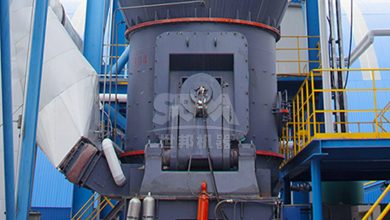
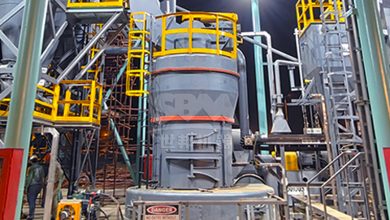
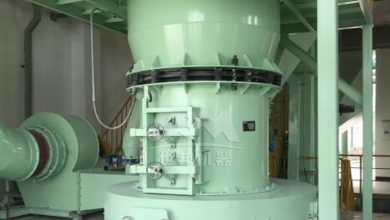
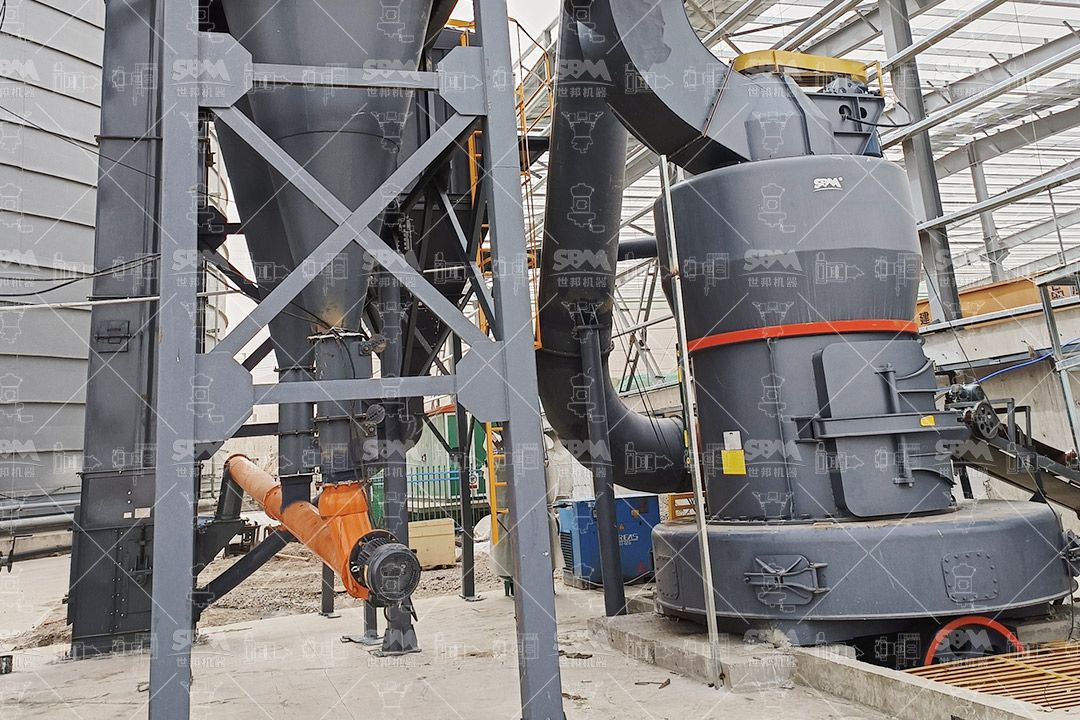
For Coarse to Medium Fineness (30-325 mesh / 600-45μm): The MTW Series European Trapezium Mill is an exceptional choice. Its advanced design features, such as the anti-wear shovel and optimized arc air duct, make it highly efficient for this range. With an input size of up to 50mm and capacities from 3 to 45 tons per hour, it handles large volumes reliably. The integral bevel gear drive ensures high transmission efficiency (up to 98%) and stable operation, while its wear-resistant volute structure significantly reduces maintenance costs. This mill is ideal for producing coal powder for industrial boilers or as a feed for further processing.
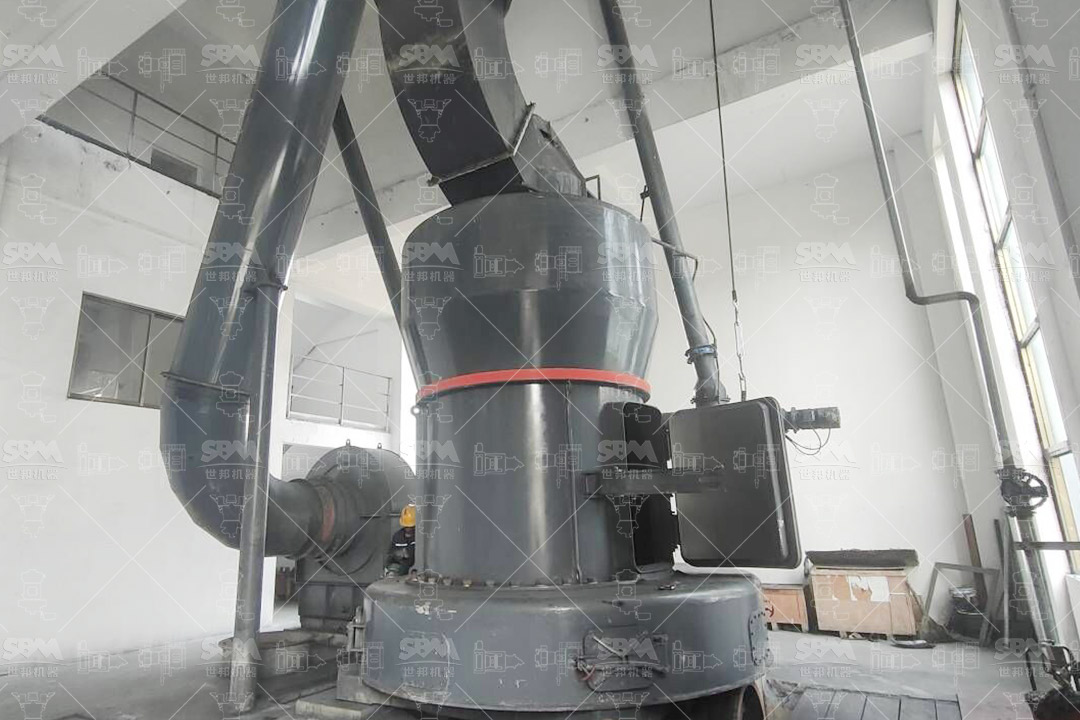
For Ultrafine Fineness (325-2500 mesh / 45-5μm): When the application demands superfine coal powder—for advanced combustion systems, carbon slurry, or specialty chemicals—the SCM Series Ultrafine Mill is the industry-leading solution. Engineered for high efficiency, it offers capacity twice that of traditional jet mills while consuming 30% less energy. Its high-precision vertical turbine classifier guarantees a uniform product with no coarse powder mixing. The mill’s durable design, featuring special material rollers and rings, extends service life dramatically. Furthermore, its eco-friendly design with a high-efficiency pulse dust collector ensures the production process itself remains clean.
Step 4: Classification and Particle Size Control
Grinding alone does not ensure a consistent product. A classification system is integrated with or placed after the mill to separate particles according to size.
Key Actions:
- Integrated Classification: Modern mills like the SCM and MTW series have built-in high-efficiency classifiers (e.g., vertical turbine or dynamic classifiers) that continuously separate fine powder from coarse material during grinding.
- Closed-Circuit Grinding: Oversize particles are recirculated back to the grinding chamber for further size reduction, ensuring optimal efficiency and precise PSD control.
Step 5: Cleaning and Beneficiation of the Powder
To produce truly “clean” coal powder, the fine coal often undergoes further beneficiation to reduce ash and mineral matter. This is especially important after grinding, as it liberates more impurities.
Key Methods:
- Froth Flotation: Exploits the difference in surface properties between coal and mineral matter. Air bubbles carry hydrophobic coal particles to the surface, while hydrophilic ash sinks.
- Magnetic Separation: Removes magnetic minerals (like pyrite) from the coal powder.
- Advanced Cycloning: Uses centrifugal forces in hydrocyclones to separate particles by density.
Step 6: Dedusting, Collection, and Packaging
The final steps ensure product integrity and a safe working environment.
Key Actions:
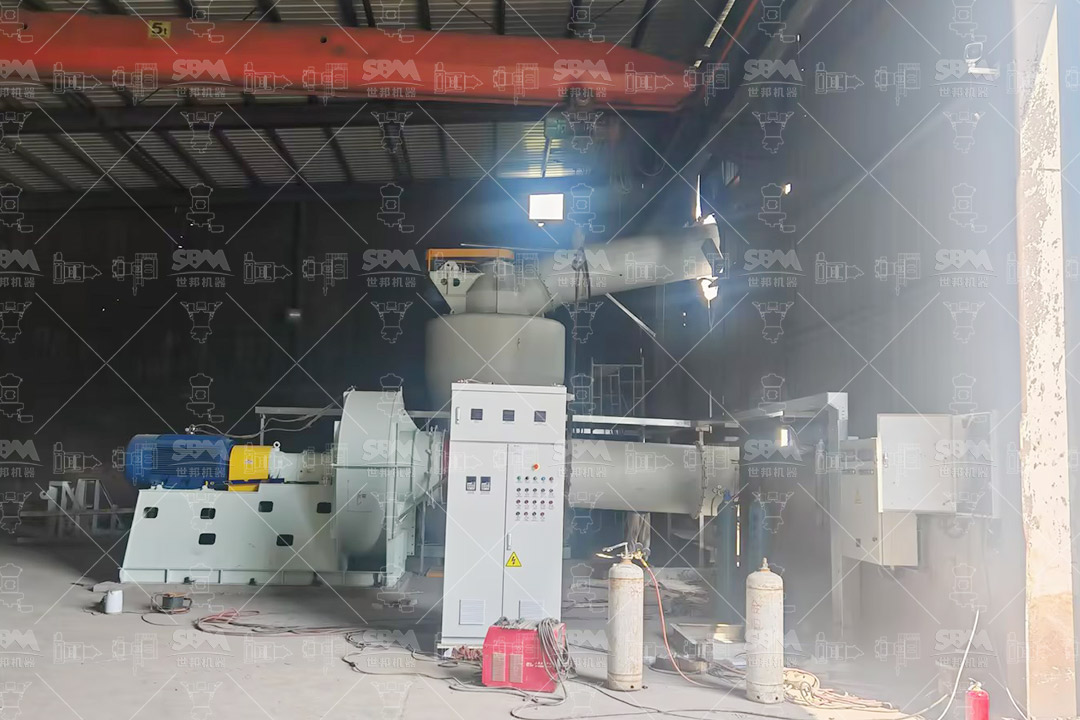
- Dust Collection: The entire grinding and conveying system operates under negative pressure. High-efficiency pulse jet baghouse collectors, like those featured in our SCM and MTW mills, capture over 99.9% of airborne particles, meeting stringent international emission standards.
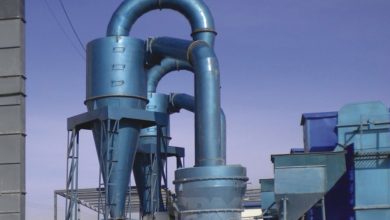
- Powder Collection: The finished coal powder is conveyed via screw conveyors or pneumatic systems to storage silos. Cyclone collectors are often used as primary separators.
- Packaging & Storage: The powder is packaged in sealed bulk bags or stored in inert-gas-blanketed silos to prevent oxidation, moisture absorption, and self-heating. All equipment in this zone must be explosion-proof.
Conclusion: Integrating Technology for a Sustainable Output
Producing clean coal powder is a sophisticated engineering process that goes beyond simple pulverization. It requires a holistic approach combining precise size reduction, efficient classification, and thorough cleaning. The selection of grinding technology sits at the heart of this process. For operations targeting high-volume production of consistent medium-fine coal powder, the MTW Series European Trapezium Mill offers unparalleled reliability and cost-effectiveness. For pioneers in advanced coal utilization requiring ultrafine, high-purity powder, the SCM Series Ultrafine Mill provides the technological edge necessary for efficiency and product quality. By following this step-by-step guide and leveraging advanced milling solutions, producers can transform raw coal into a valuable, cleaner-burning, and more efficient energy resource, contributing to a more sustainable energy future.