Difference Between Light Calcium Carbonate and Heavy Calcium Carbonate
Introduction
Calcium carbonate (CaCO3) is one of the most abundant and versatile industrial minerals, finding applications across a vast spectrum of industries, from plastics and paints to pharmaceuticals and food. Within this broad category, two distinct forms exist: Light Calcium Carbonate (Precipitated Calcium Carbonate, PCC) and Heavy Calcium Carbonate (Ground Calcium Carbonate, GCC). While chemically identical, their divergent production methods lead to profound differences in physical properties, performance characteristics, and end-use suitability. This article provides a comprehensive, professional analysis of these differences, offering guidance for material selection and highlighting advanced processing solutions.
1. Fundamental Definitions and Production Methods
1.1 Heavy Calcium Carbonate (GCC)
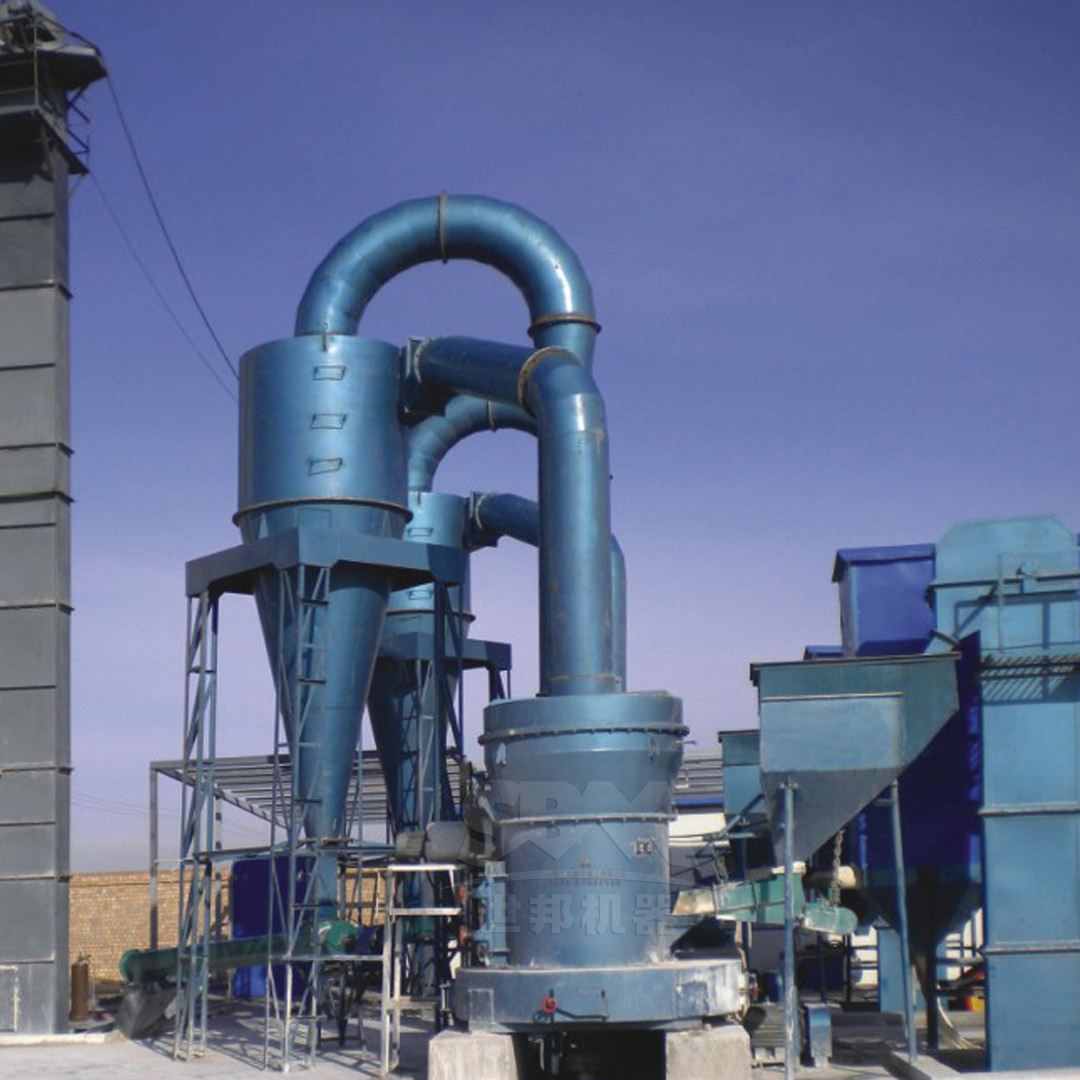
Heavy Calcium Carbonate is produced through the mechanical grinding and classification of naturally occurring calcium carbonate sources, primarily high-purity limestone, marble, or chalk. The process involves crushing, washing, and then fine grinding the raw mineral to achieve the desired particle size distribution. No chemical transformation occurs; the final product is essentially purified and micronized natural calcite or aragonite.
1.2 Light Calcium Carbonate (PCC)
Light Calcium Carbonate is a synthetic product manufactured through a chemical reaction process, typically carbonation. The common method involves calcining limestone to produce quicklime (CaO), which is then slaked with water to form a milk-of-lime slurry (Ca(OH)2). This slurry is then carbonated by introducing carbon dioxide (CO2) gas under controlled conditions (temperature, concentration, agitation), precipitating fine CaCO3 crystals. The morphology, size, and surface characteristics of the PCC crystals can be precisely engineered by altering reaction parameters.
2. Comparative Analysis of Key Properties
| Property | Heavy Calcium Carbonate (GCC) | Light Calcium Carbonate (PCC) |
|---|---|---|
| Production Process | Physical (Mechanical Grinding) | Chemical (Precipitation) |
| Raw Material | Natural Limestone/Marble | Limestone (via Calcination) |
| Crystal Morphology | Irregular, Rhombohedral (Calcite) | Engineered (Scalenohedral, Rhombohedral, Cubic, etc.) |
| Particle Size | Broader Distribution, >0.5 μm typical | Narrower Distribution, 0.05 – 2 μm typical |
| Specific Surface Area | Lower (1-5 m²/g) | Higher (5-40 m²/g) |
| Oil Absorption | Lower (~20-30 g/100g) | Higher (~50-90 g/100g) |
| Brightness / Whiteness | Good (85-95%) | Excellent (92-98%) |
| Bulk Density | Higher (0.8-1.3 g/cm³) | Lower (0.5-0.7 g/cm³) – Hence “Light” |
| Purity | High (94-99% CaCO3) | Very High (98-99.5% CaCO3) |
| Surface Chemistry | Less active, often requires surface treatment | More active, can be precipitated with modifiers |
3. Performance and Application Differences
3.1 In Plastics and Polymers
- GCC: Primarily used as a low-cost extender and volume filler to reduce raw material costs. It improves stiffness, dimensional stability, and heat deflection temperature. Its lower oil absorption allows for higher loading levels without excessively increasing compound viscosity. Best suited for rigid PVC profiles, pipes, and polyolefin films.
- PCC: Functions as a multi-functional modifier. Its engineered particle shape (e.g., scalenohedral) provides excellent impact resistance enhancement in plastics. The higher surface area improves bonding with polymer matrices, leading to better tensile and flexural properties. It is the preferred choice for high-performance applications like automotive parts, impact-modified PVC, and engineering plastics.
3.2 In Paper and Coatings
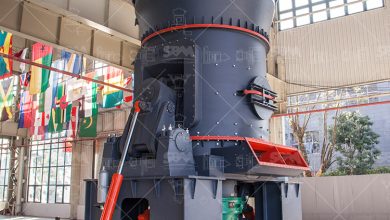
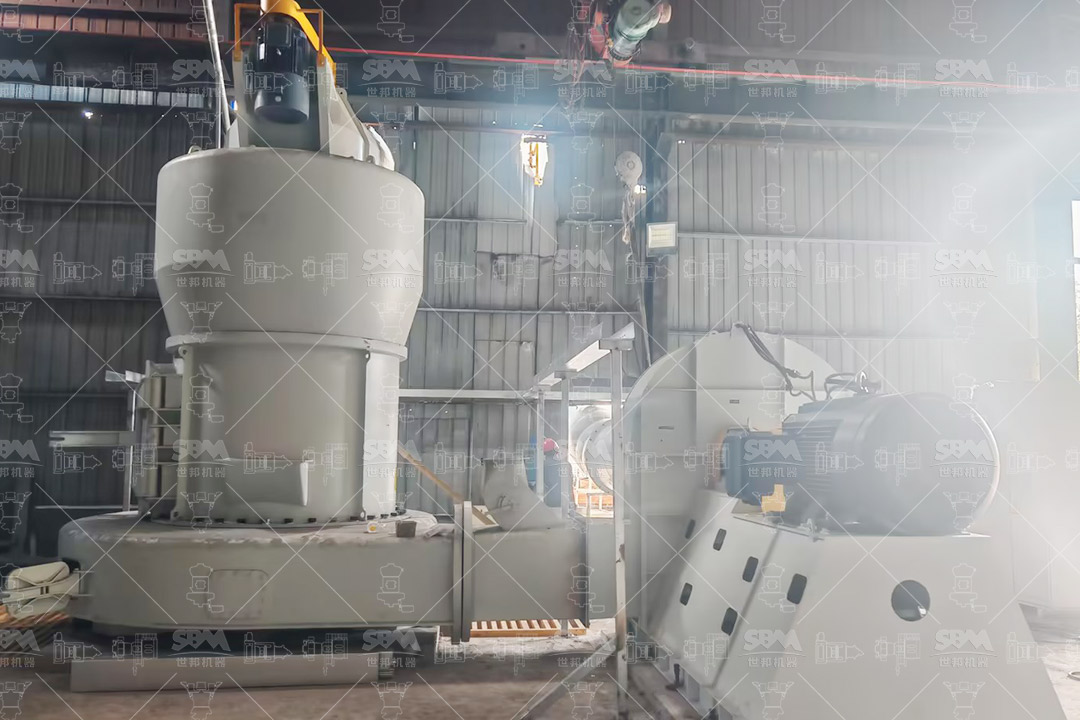
- GCC: Widely used as a filler in alkaline papermaking and in coating pigments. It offers good brightness and opacity at a competitive cost. For producing high-quality GCC fillers and coatings with precise particle size control, advanced grinding systems are essential. Our MTW Series European Trapezium Mill is ideally suited for this task. With an output fineness range of 30-325 mesh (down to 0.038mm) and capacities from 3 to 45 tons per hour, its optimized arc air duct and integral bevel gear drive ensure high-efficiency, low-wear production of consistent GCC powder, directly impacting paper smoothness and printability.
- PCC: Dominates as a filler and coating pigment in high-quality paper due to its superior brightness, opacity, and light-scattering ability. Its finer particles fill sheet voids more effectively, leading to smoother surfaces and enhanced print gloss. In paints, PCC offers better dispersion, suspension, and sheen control.
3.3 In Other Industries
- Adhesives & Sealants: PCC’s high oil absorption and reactivity make it useful for controlling rheology and viscosity. GCC is used for general filling.
- Pharmaceuticals & Food: Only PCC of specific, ultra-pure grades is used as a calcium supplement, antacid, or excipient due to its high purity and controlled heavy metal content.
- Rubber: Both are used. GCC provides reinforcement at high loadings, while PCC offers higher tensile strength and tear resistance.
4. Processing Equipment: The Key to GCC Quality
The value and performance of Heavy Calcium Carbonate are intrinsically linked to the efficiency and precision of the grinding and classification process. Achieving the desired particle size distribution, maximizing throughput, and minimizing energy consumption are critical challenges.
For producing ultrafine GCC products (325-2500 mesh or 45-5μm), which command premium prices in markets like high-end plastics, sealants, and advanced coatings, traditional ball mills are often inefficient. The industry demands technology that combines high capacity with precise particle size cutting and low operating costs.
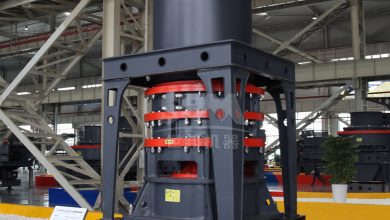
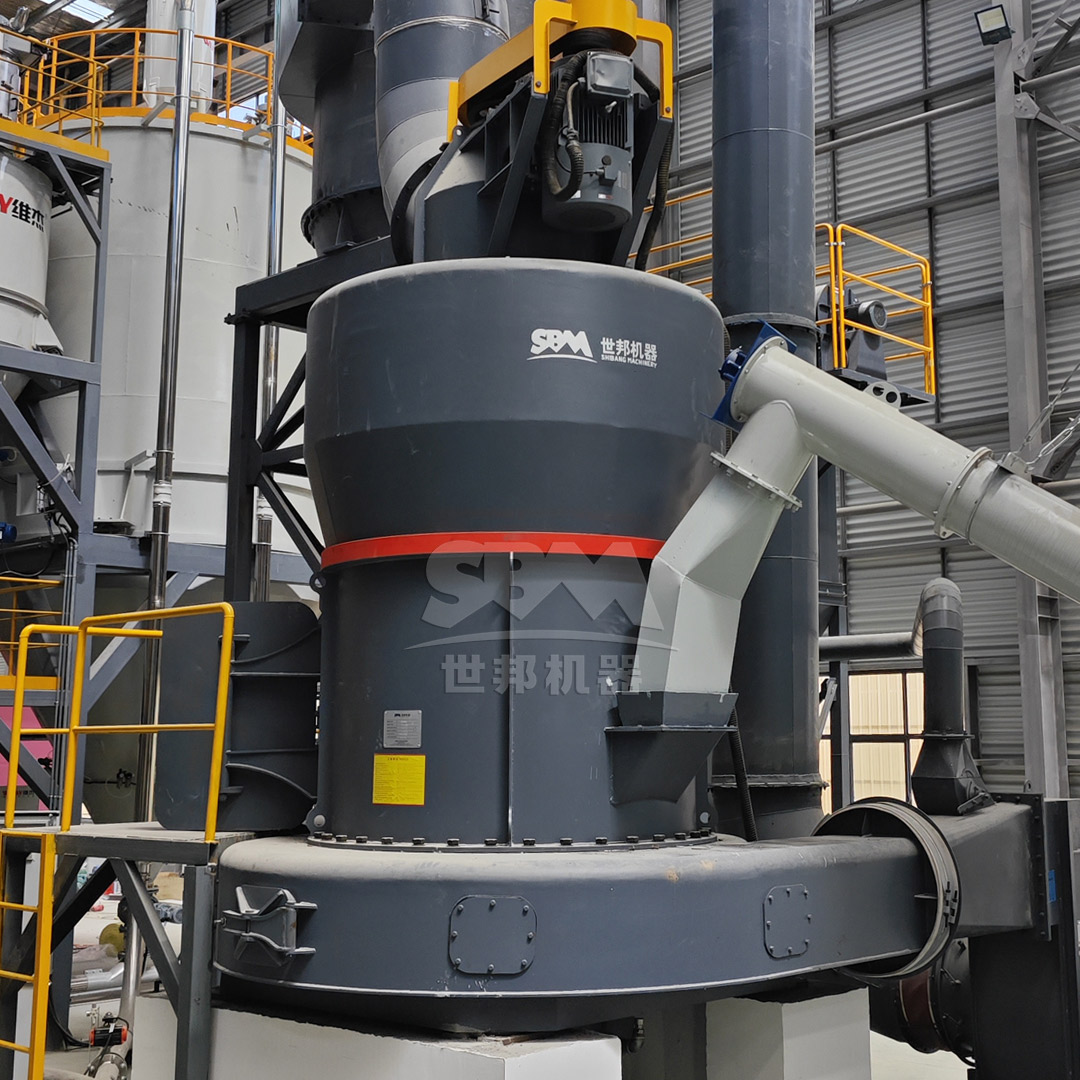
This is where our flagship SCM Series Ultrafine Mill excels. Designed specifically for superfine powder production, it represents a technological leap forward:
- High Efficiency & Energy Saving: It delivers twice the capacity of jet mills while consuming 30% less energy, thanks to its intelligent control system with automatic granularity feedback.
- High-Precision Classification: A vertical turbine classifier ensures sharp particle size cuts, eliminating coarse powder mixing and guaranteeing a uniform, high-quality finished product essential for consistent application performance.
- Superior Fineness Range: Capable of producing powder from 325 to 2500 mesh, it meets the most stringent requirements for ultrafine GCC.
Whether you are processing limestone for coarse fillers or marble for ultrafine specialty products, selecting the right grinding mill—from our MTW Series for general GCC to the SCM Series for ultrafine grades—is paramount to optimizing your product portfolio and competitiveness.
5. Conclusion and Selection Guidance
Choosing between Light and Heavy Calcium Carbonate is not a matter of one being superior to the other, but of selecting the right tool for the specific job.
Choose Heavy Calcium Carbonate (GCC) when:
• Cost-effectiveness and high loading capacity are primary drivers.
• The application requires good general reinforcement and stiffness improvement (e.g., PVC profiles, floor tiles).
• You have access to high-purity, white natural limestone deposits.
• The process utilizes robust and efficient grinding technology like our MTW or SCM series mills.
Choose Light Calcium Carbonate (PCC) when:
• High performance (impact strength, brightness, opacity) is critical and justifies a higher cost.
• Specific particle morphology and surface chemistry are needed for functional modification.
• The application is in high-value sectors like pharmaceuticals, food, or premium paper coatings.
• Consistent, ultra-high purity is a non-negotiable requirement.
Ultimately, understanding these fundamental differences empowers formulators and producers to make informed decisions, unlocking the full potential of calcium carbonate in their products. For producers of GCC, investing in advanced grinding technology is the key to accessing higher-value market segments and ensuring consistent, top-tier product quality.