How to Choose the Main Equipment for a Construction Gypsum Powder Production Line
Introduction
Establishing an efficient and profitable construction gypsum powder production line is a significant investment that requires meticulous planning. The selection of core processing equipment is arguably the most critical decision, as it directly impacts product quality, production capacity, operational costs, and long-term profitability. This guide provides a comprehensive framework for choosing the main grinding equipment, focusing on key technical parameters, process requirements, and economic considerations specific to gypsum processing.
Understanding Gypsum Processing Requirements
Before selecting equipment, it is essential to define the project’s fundamental parameters. Construction gypsum (calcined gypsum or plaster of Paris) typically requires a fineness ranging from 80 to 200 mesh for general plaster applications, while high-quality joint compounds and finishing plasters may demand fineness up to 325 mesh or finer. The required production capacity (e.g., 5 t/h, 20 t/h, 50 t/h) will determine the scale of the equipment. Furthermore, the physical characteristics of the raw gypsum rock—such as feed size (usually ≤30mm after primary crushing), moisture content, and hardness—must be considered. Finally, modern production must adhere to strict environmental standards regarding dust emission and noise levels.
Key Equipment in the Grinding Stage
The heart of any gypsum powder line is the grinding mill, which reduces calcined gypsum (stucco) or sometimes raw gypsum to the desired fineness. Several mill types are applicable, each with distinct advantages.
1. Raymond Mill (MTW Series European Trapezium Mill)
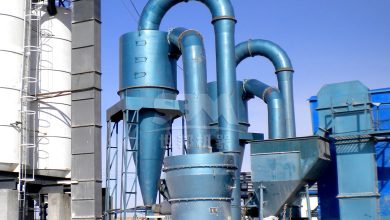
This is a traditional and widely used technology for medium-fine grinding. Modern iterations like the MTW Series European Trapezium Mill offer significant improvements. They are ideal for producing gypsum powder in the range of 30-325 mesh. Their advantages include stable operation, relatively simple maintenance, and lower initial investment for medium-capacity lines. The MTW series features an integral bevel gear drive for high transmission efficiency (up to 98%) and an optimized arc air duct that reduces energy loss. For projects targeting standard construction plaster with capacities between 3-45 tons per hour, this is a robust and cost-effective choice.
2. Vertical Roller Mill (LM Series)
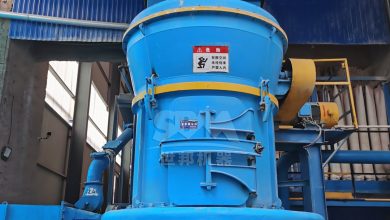
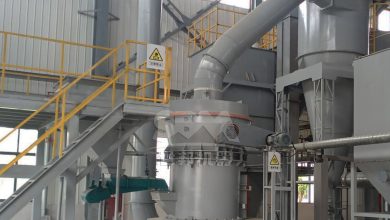
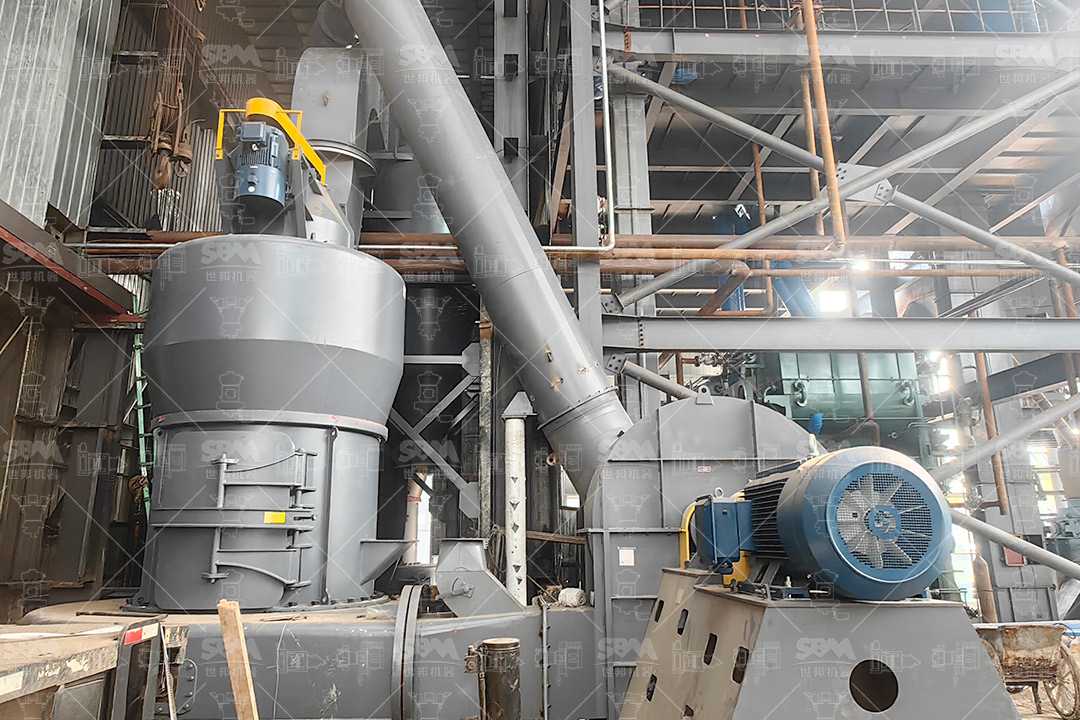
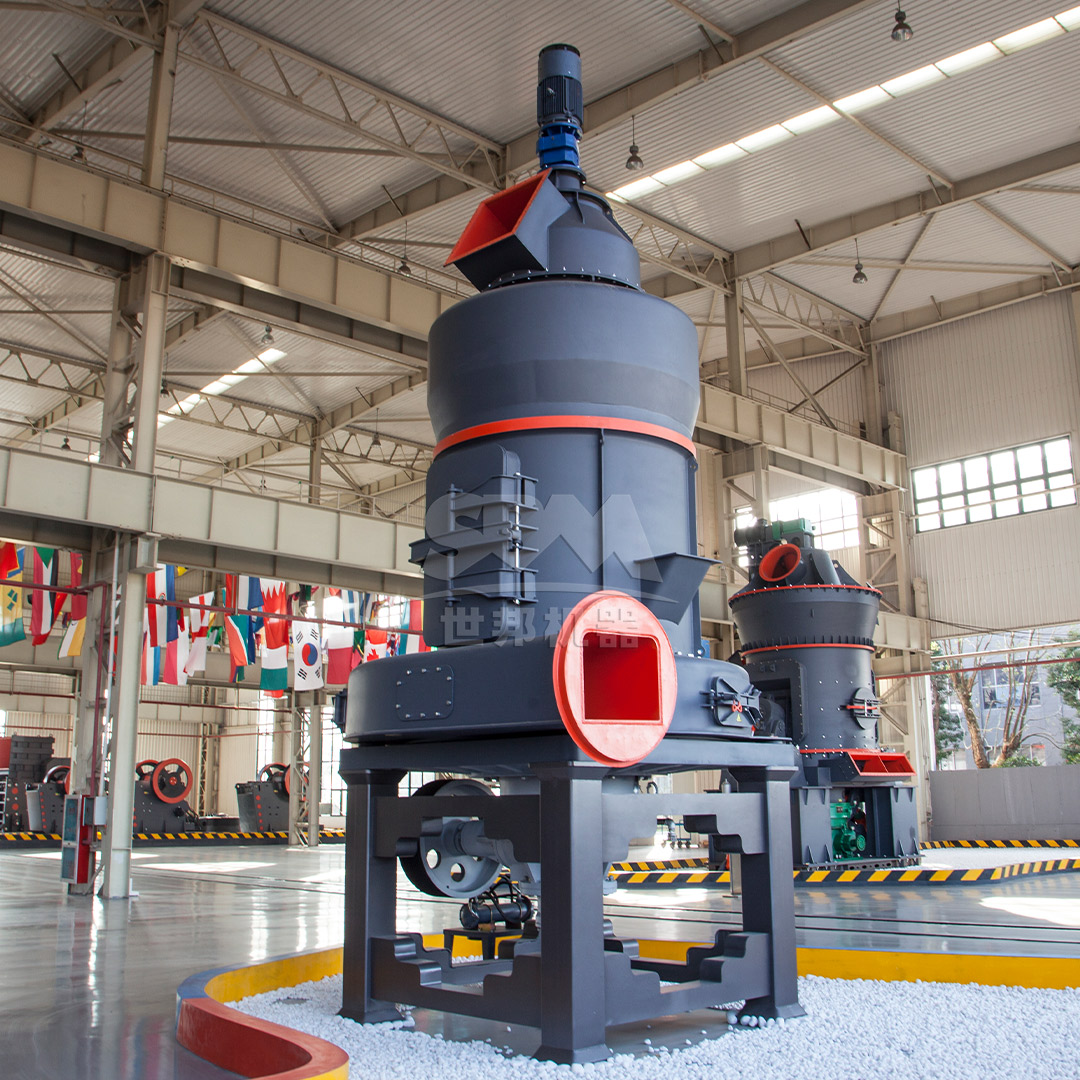
Vertical Roller Mills (VRMs) have become the industry standard for large-scale gypsum grinding due to their exceptional energy efficiency. They integrate crushing, grinding, drying, and classifying in a single unit. The LM Series Vertical Roller Mill is particularly suited for gypsum, offering 30-40% lower energy consumption compared to traditional ball mill systems. Its integrated design reduces floor space by 50% and allows for outdoor installation, slashing infrastructure costs. With capacities ranging from 3 to over 250 tons per hour and the ability to produce powder from 30 to 325 mesh (and finer for special models), the LM series is perfect for high-output plants prioritizing low operating costs and a small footprint.
3. Ultrafine Mill (SCM Series)
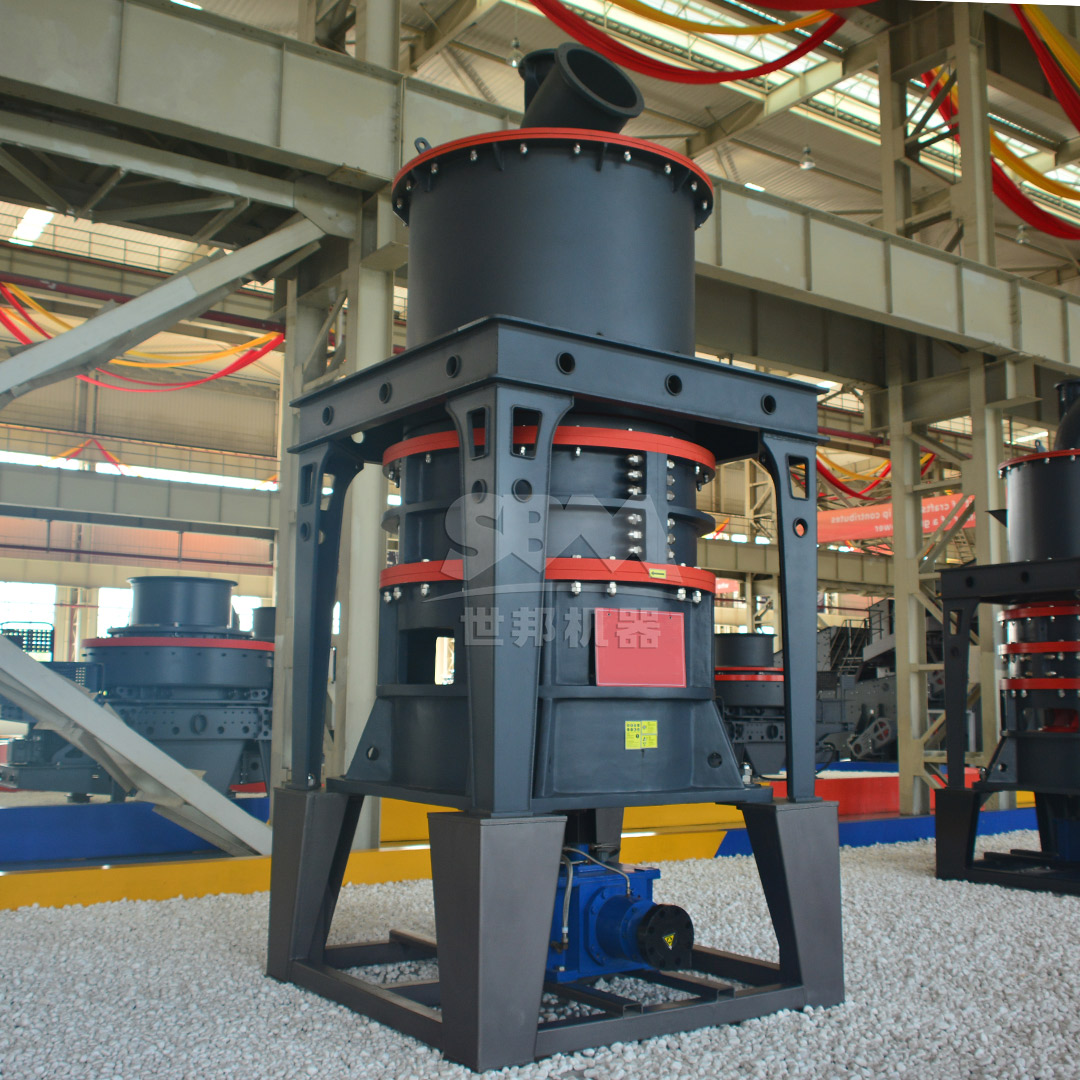
For producers aiming at the high-value-added market of ultra-fine gypsum powder (e.g., for special moldings, advanced composites, or as a functional filler), an ultrafine mill is essential. The SCM Series Ultrafine Mill is engineered precisely for this demanding application. It can produce gypsum powder with a fineness ranging from 325 to an impressive 2500 mesh (5μm). Despite its capability for extreme fineness, it is designed for efficiency. The mill’s capacity is twice that of jet mills while consuming 30% less energy. Its high-precision vertical turbine classifier ensures a uniform product without coarse powder mixing. For a production line that requires flexibility to produce both standard and premium ultra-fine gypsum powders, the SCM series, with models like the SCM1250 (2.5-14 t/h) or SCM1680 (5-25 t/h), represents a technologically advanced and economical solution.
Comprehensive Selection Criteria
Choosing between these technologies requires a weighted analysis of several factors:
- Product Fineness & Quality: Match the mill’s capability to your target market. For 80-200 mesh, MTW and LM mills are excellent. For 325+ mesh, the SCM series is superior.
- Production Capacity: Align the mill model’s throughput with your plant’s design capacity and future expansion plans.
- Energy Efficiency: Consider the total power consumption per ton of product. VRMs (LM Series) and advanced ultrafine mills (SCM Series) typically lead in this category.
- Total Cost of Ownership (TCO): Evaluate not just the purchase price, but also installation costs, wear part consumption, maintenance complexity, and energy bills over the equipment’s lifetime.
- System Integration & Automation: Modern mills like the LM and SCM series often come with intelligent control systems for stable operation and reduced manual intervention, which is crucial for consistent quality.
- Environmental Compliance: Ensure the mill system includes or is compatible with efficient pulse dust collectors (with efficiency >99.9%) and noise reduction features to meet regulatory standards.
Ancillary Equipment Considerations
The grinding mill does not operate in isolation. A complete line requires:
- Crushing Equipment: A jaw crusher or hammer mill to reduce raw gypsum rock to the required feed size (e.g., ≤30mm) for the grinding mill.
- Calcining System: A kettle, rotary calciner, or flash calciner to dehydrate the gypsum (CaSO4·2H2O) into stucco (CaSO4·0.5H2O) before fine grinding.
- Dust Collection System: A high-efficiency baghouse or pulse dust collector is mandatory to capture product and ensure clean emissions.
- Storage & Packing: Silos for product storage and automated packing machines for bagging.
Conclusion and Recommendation
Selecting the main equipment for a construction gypsum powder production line is a strategic decision that balances technical requirements with economic realities. For high-volume production of standard-grade plaster where energy efficiency and footprint are paramount, the LM Series Vertical Roller Mill is an outstanding choice. For producers targeting niche markets with ultra-fine products or requiring exceptional flexibility in fineness control, the SCM Series Ultrafine Mill offers unparalleled performance and energy savings. A thorough analysis of your specific product goals, capacity needs, and investment framework against the advanced features of these mill systems—such as the LM series’ integrated design and the SCM series’ precision classification—will lead to the optimal selection for a competitive and sustainable gypsum production operation.