How Much Does a White Ash Grinding Mill Machine Cost? – Price Guide & Factors
White ash, a versatile industrial mineral, requires precise grinding to unlock its full potential in applications ranging from construction materials to fillers and chemical products. Selecting the right grinding mill is a critical investment decision, and its cost is influenced by a complex interplay of factors. This comprehensive guide will explore the key determinants of grinding mill pricing and provide insights to help you make an informed purchase.
1. Understanding the Core Cost Drivers
The price of a white ash grinding mill is not a single figure but a spectrum determined by several technical and operational factors.
1.1. Required Fineness and Capacity
These are the primary technical specifications that dictate the machine’s scale and complexity.
- Output Fineness: Grinding white ash to a coarse powder (e.g., 30-100 mesh) requires less energy and a simpler classification system. Achieving ultra-fine powders (e.g., 800-2500 mesh) demands advanced mills with high-precision classifiers and more grinding stages, significantly increasing the cost. For instance, a mill capable of producing 2500 mesh powder can be several times more expensive than one designed for 100 mesh output.
- Production Capacity: Hourly throughput (e.g., 5 TPH vs. 50 TPH) directly impacts the size of the mill’s components, motor power, structural robustness, and ancillary systems like feeders and collectors. Higher capacity models command a higher price due to increased material and engineering costs.
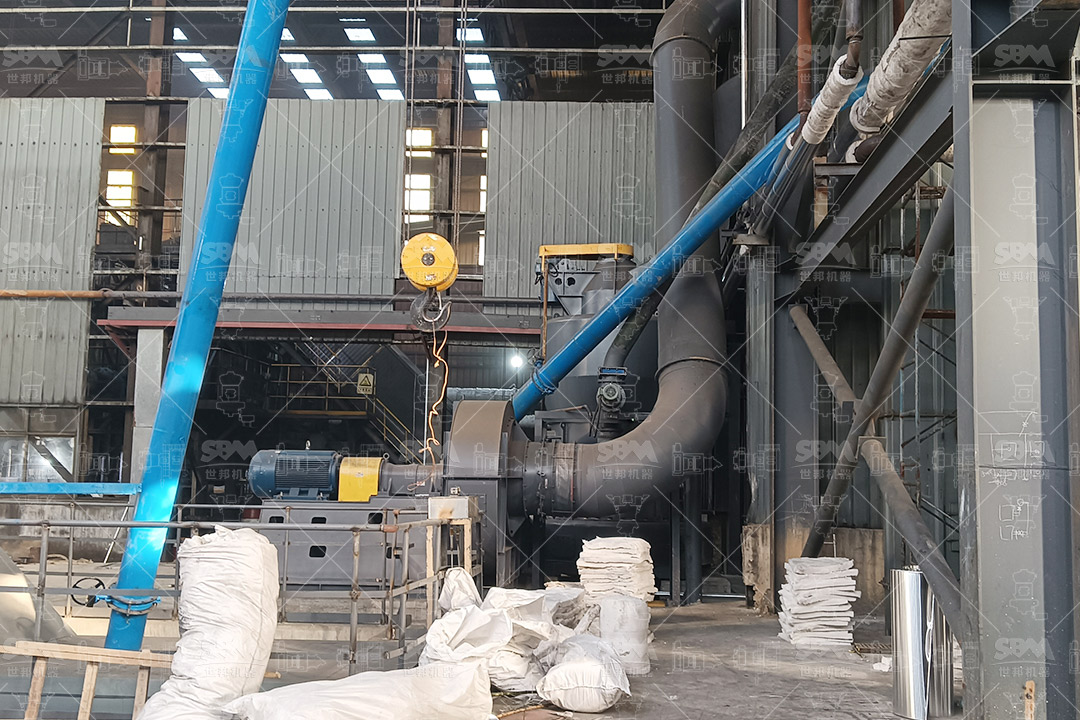
1.2. Mill Technology and Type
The choice of grinding principle is a major cost factor. Common technologies for white ash include:
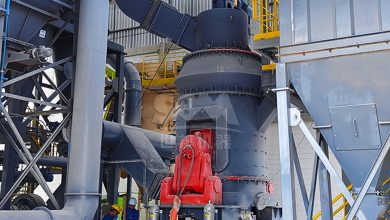
- Raymond Mill (MTW Series): An economical choice for medium-fine grinding (30-325 mesh). Ideal for large-scale production of white ash for construction materials. Its cost is relatively moderate.
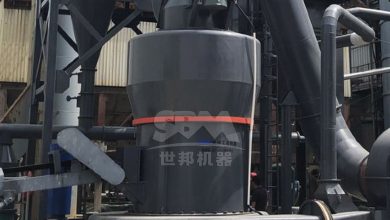
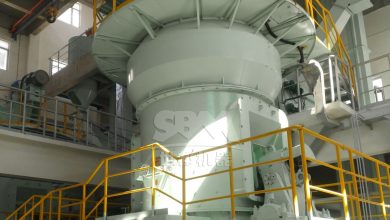
- Vertical Roller Mill (LM Series): Offers excellent energy efficiency for medium to large capacities. It integrates drying, grinding, and classifying, often resulting in a higher initial investment but lower operating costs.
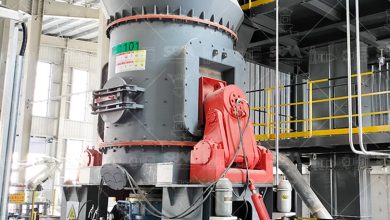
- Ultrafine Mill (SCM Series): Designed for producing fine and ultra-fine powders (325-2500 mesh). It incorporates sophisticated classifier technology and precision grinding mechanisms, placing it at the higher end of the price spectrum.
- Ball Mill: A traditional, versatile option suitable for both dry and wet grinding. Costs vary widely based on size and lining materials. Operating costs (energy, media wear) can be higher compared to newer technologies.
1.3. Configuration and Customization
A base mill is just the start. The total system cost includes:
- Ancillary Equipment: Jaw crusher (for pre-crushing), vibrating feeder, screw conveyor, pulse dust collector, silo, packing machine, and electrical control cabinet.
- Material of Wear Parts: Grinding rollers, rings, and liners made from high-chrome alloy or ceramic composites last longer but increase the initial cost.
- Automation Level: A basic PLC control system is standard. Advanced systems with touchscreen HMIs, remote monitoring, and automatic product fineness feedback add to the cost but improve consistency and reduce labor.
- Customization: Modifications for specific feed characteristics, special safety requirements, or integration with existing plant infrastructure incur additional engineering charges.
2. Price Range Estimation
While exact quotes require detailed consultation, here is a general price framework based on mill type and scale:
- Small-scale Raymond/MTW Mill: For capacities 3-10 TPH and fineness up to 325 mesh, prices typically range from $50,000 to $150,000 for the core mill unit.
- Medium-scale Vertical Roller Mill (LM Series): For capacities 10-50 TPH, the core unit investment can be between $200,000 and $500,000.
- Large-scale or Ultrafine Grinding System (SCM Series): For high-capacity (20+ TPH) or ultra-fine production (2500 mesh), complete system prices often start from $300,000 and can exceed $1,000,000, depending on automation and ancillary equipment.
Note: These are indicative ranges for the grinding mill unit. A complete production line with all auxiliary equipment can double or triple the total project cost.
3. Beyond Purchase Price: Total Cost of Ownership (TCO)
The smartest investment considers long-term operational expenses.
- Energy Consumption: This is the largest ongoing cost. Modern mills like the LM Vertical Roller Mill or SCM Ultrafine Mill can be 30-50% more energy-efficient than traditional ball mills, leading to substantial savings over years of operation.
- Wear Part Maintenance: The frequency and cost of replacing rollers, rings, and liners directly affect downtime and spare parts inventory cost.
- Durability & Reliability: A robustly built mill with premium components may have a higher upfront cost but minimizes unplanned downtime and maintenance, protecting your production revenue.
- Environmental Compliance: Efficient dust collection systems (e.g., pulse jet bag filters) are essential. Investing in a mill with an integrated, high-efficiency dust collector avoids future retrofit costs and potential regulatory fines.
4. Recommended Solutions for White Ash Grinding
Based on common white ash processing requirements, we highlight two of our flagship technologies that offer excellent performance and value.
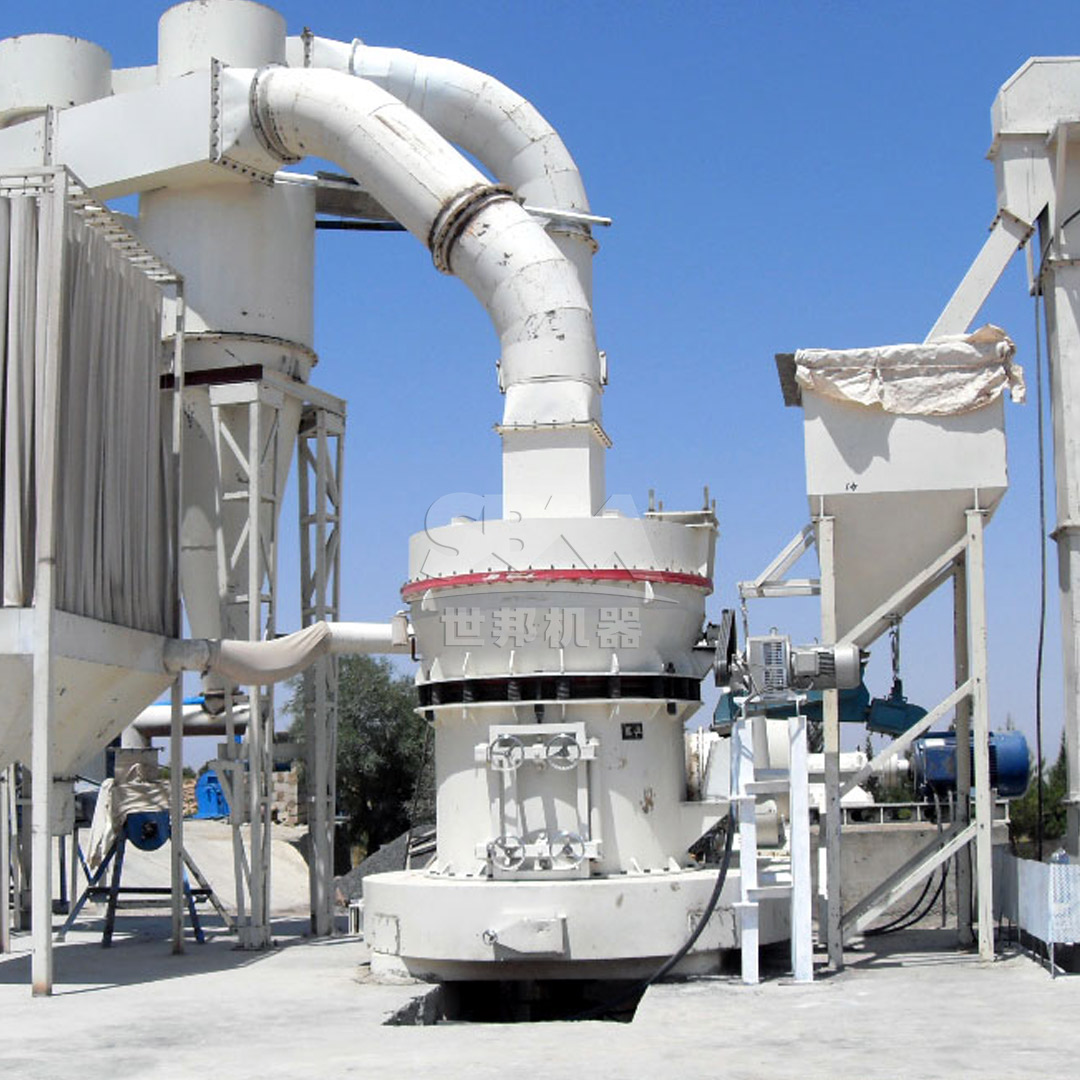
4.1. For High-Capacity, Fine to Medium-Fine Grinding: MTW Series European Trapezium Mill
If your target is to produce white ash powder in the range of 30-325 mesh (600-45μm) with capacities from 3 to 45 tons per hour, the MTW Series European Trapezium Mill is an outstanding choice. It is engineered for efficiency and durability.
- Core Advantage: Its integral bevel gear drive achieves a remarkable 98% transmission efficiency, directly translating to lower energy consumption per ton of product. The anti-wear shovel and curved roller design significantly extend the service life of wear parts, reducing your long-term maintenance costs by up to 30%.
- Ideal For: Large-scale production of white ash for use in concrete, asphalt, or as a general filler where ultra-fine powder is not required.
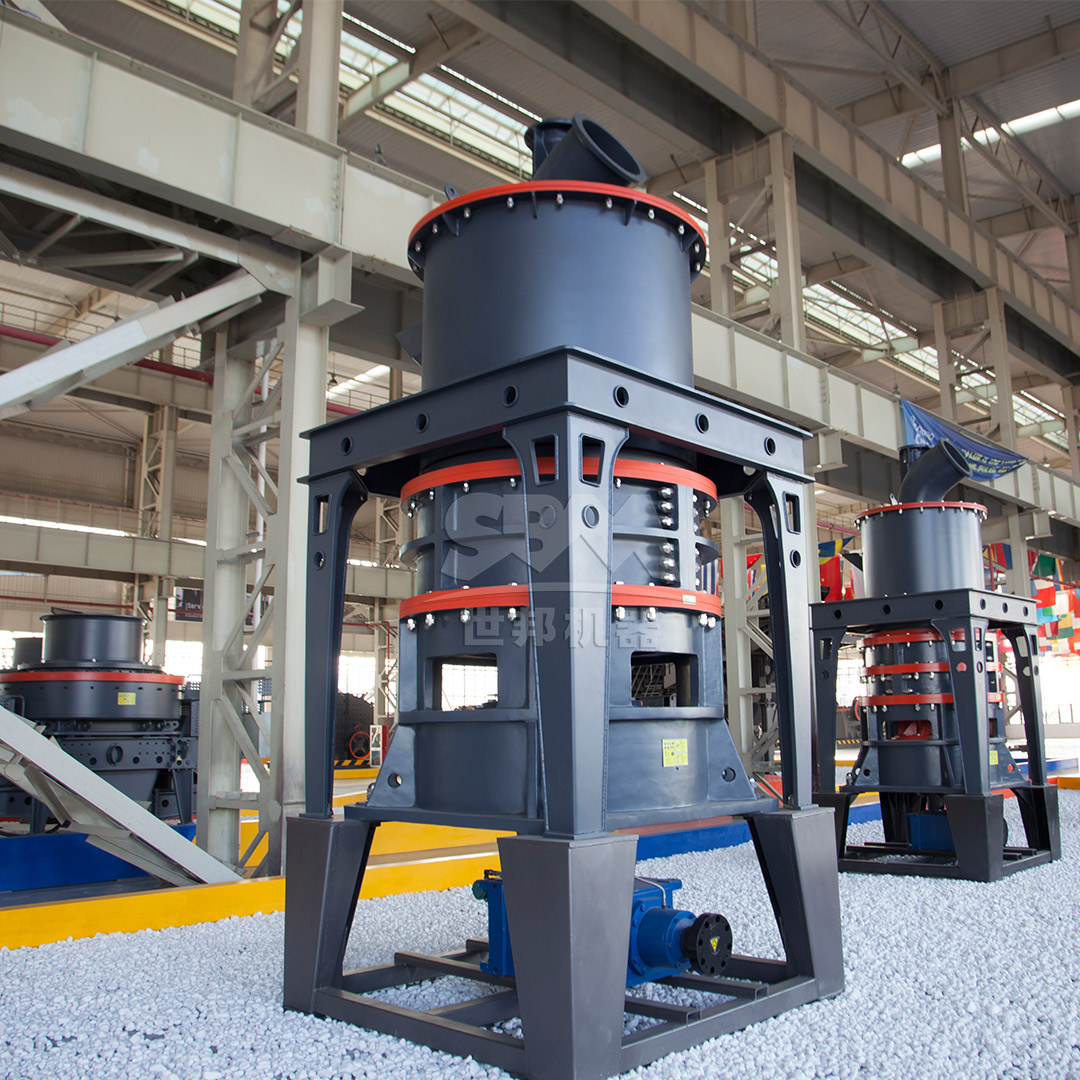
4.2. For Premium Ultra-Fine Powder Production: SCM Series Ultrafine Mill
For applications demanding high-value, ultra-fine white ash powder (325-2500 mesh / 45-5μm), the SCM Series Ultrafine Mill is the industry benchmark. It excels in producing powders with exceptional uniformity and purity.
- Core Advantage: The mill features a high-precision vertical turbine classifier that ensures precise particle size cutting with no coarse powder mixing. Combined with its special material rollers and rings that offer several times the service life of conventional parts, it delivers consistent product quality with remarkable reliability. Furthermore, its design is highly energy-efficient, offering capacity double that of jet mills with 30% lower energy consumption.
- Ideal For: Producing high-surface-area white ash for advanced applications in plastics, paints, coatings, rubber, and high-performance construction materials where particle size distribution is critical.
5. How to Get an Accurate Quote
To move from estimation to a firm proposal, prepare the following information for potential suppliers:
- Raw Material Sample: Provide a sample for test grinding to determine grindability and optimal machine settings.
- Detailed Specifications: Target fineness (d97 or mesh), required hourly/annual capacity, and moisture content of feed material.
- Site Conditions: Available space, power supply voltage, and specific environmental regulations.
- Desired Final System: Clarify if you need a standalone mill or a complete turnkey production line including packaging.
Request a detailed quotation that breaks down the cost of the main mill, all auxiliary equipment, installation services, warranty, and after-sales support terms.
Conclusion
The cost of a white ash grinding mill is a strategic investment shaped by your product specifications, desired capacity, and the technology that best balances initial outlay with long-term operational efficiency. While Raymond mills offer an entry point for coarse grinding, technologies like our MTW European Trapezium Mill provide superior efficiency for fine grinding at scale. For the most demanding ultra-fine applications, the SCM Ultrafine Mill stands out for its precision and reliability. By carefully evaluating both the purchase price and the Total Cost of Ownership, you can select a milling solution that maximizes your return on investment and ensures the consistent quality of your white ash powder for years to come.