Desulfurization Phosphogypsum Comprehensive Utilization: Processing Technology and Production Equipment Overview
1. Introduction: The Challenge and Opportunity of Phosphogypsum
Phosphogypsum (PG), a by-product generated during the wet-process phosphoric acid production, represents one of the most significant industrial solid waste streams globally. With an estimated annual worldwide production exceeding 200 million tons, its stockpiling poses severe environmental challenges, including land occupation, potential radiation risks, and contamination of water and soil due to acidic leachates containing heavy metals and fluorides. However, within this challenge lies a substantial opportunity. The primary component of PG is calcium sulfate dihydrate (CaSO4·2H2O), making it a potential substitute for natural gypsum in numerous applications. Comprehensive utilization not only mitigates environmental hazards but also contributes to a circular economy by transforming waste into valuable resources for the construction, agriculture, and chemical industries. This article provides an in-depth overview of the processing technologies and critical production equipment required for the efficient and high-value utilization of desulfurized phosphogypsum.
2. Pre-Treatment and Purification Processes
Raw phosphogypsum often contains impurities such as residual phosphoric acid, fluorine compounds, organic matter, and soluble P2O5, which adversely affect the setting time, strength, and stability of final products. Therefore, effective pre-treatment is paramount.
2.1 Washing and Neutralization
The first step typically involves washing with water to remove soluble impurities. Subsequently, neutralization with lime (Ca(OH)2) or limestone (CaCO3) is employed to adjust pH and convert soluble phosphorus and fluorine into less harmful, insoluble precipitates like calcium phosphate and calcium fluoride.
2.2 Calcination: Transforming Dihydrate into Hemihydrate or Anhydrite
Calcination is the core thermal process that dehydrates PG, altering its physical and chemical properties for different applications. The process conditions determine the final phase:
- Beta-Hemihydrate (β-CaSO4·0.5H2O): Produced by calcining in an open system at atmospheric pressure at temperatures between 150-180°C. This is the primary raw material for plaster, gypsum boards, and blocks.
- Alpha-Hemihydrate (α-CaSO4·0.5H2O): Produced by calcining in a saturated steam atmosphere under pressure (e.g., autoclave). It yields crystals with higher density and strength, suitable for high-performance molding plasters and self-leveling floor compounds.
- Anhydrite (CaSO4): Formed at higher temperatures (>300°C). Soluble anhydrite (Type III) is reactive, while dead-burned anhydrite (Type II) is used as a set retarder in Portland cement.
3. Key Application Pathways and Product Manufacturing
3.1 Building and Construction Materials
This is the largest and most mature market for recycled PG.
- Gypsum Plaster and Powder: Calcined hemihydrate PG is finely ground and mixed with additives to produce building plaster, finishing plaster, and joint compounds.
- Gypsum Boards and Blocks: Hemihydrate plaster is mixed with water, foam agents, and reinforcing fibers, then formed into boards or blocks and dried. PG-based boards meet standard performance specifications for wall and ceiling systems.
- Cement Retarder: PG is used as a set time regulator in Portland cement production, directly replacing natural gypsum.
- Road Base Material: Treated PG can be stabilized with lime, fly ash, or cement and used as a sub-base material in road construction.
3.2 Agricultural Applications
PG is a source of calcium and sulfur, essential plant nutrients. It can be used as a soil amendment to improve sodic or acidic soils, enhance water infiltration, and provide a slow-release source of sulfur.
3.3 High-Value Chemical Production
More technologically intensive routes involve the chemical conversion of PG into valuable products like ammonium sulfate (fertilizer) via reaction with ammonia and CO2, or into potassium sulfate via a double decomposition reaction with potassium chloride.
4. Critical Production Equipment for Grinding and Processing
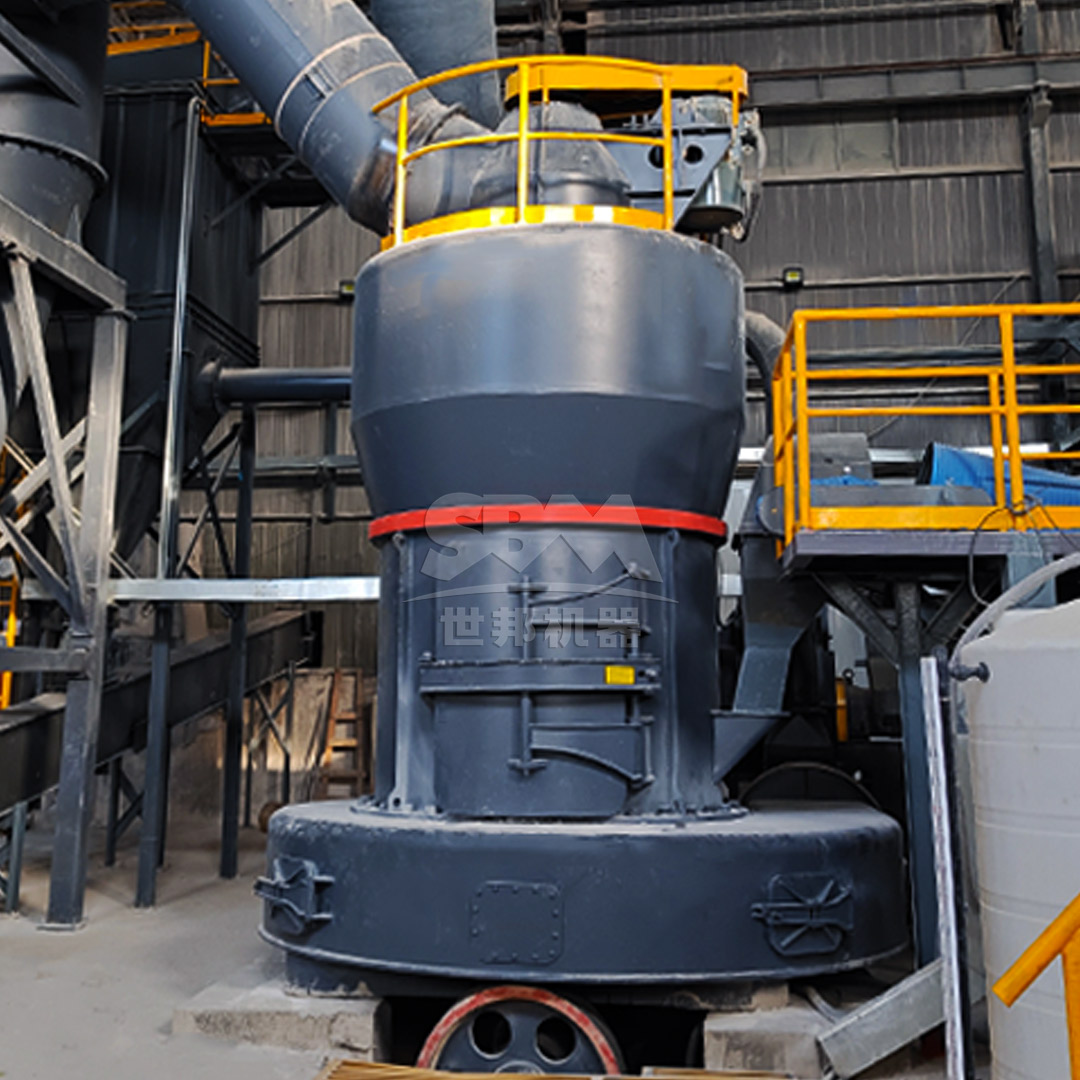
The efficiency of PG utilization heavily depends on the performance of grinding and classification equipment, which determines product fineness, uniformity, and overall system energy consumption. For the post-calcination grinding of hemihydrate or anhydrite phosphogypsum to various target finenesses, selecting the right mill is crucial.
4.1 For Coarse to Medium-Fine Grinding (30-325 mesh / 600-45μm)
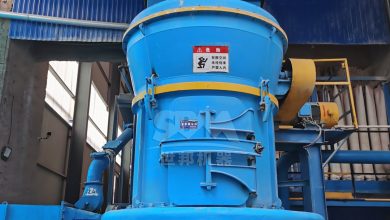
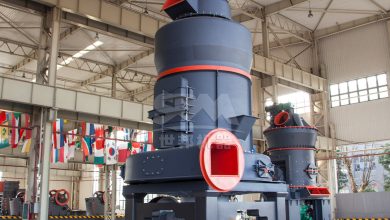
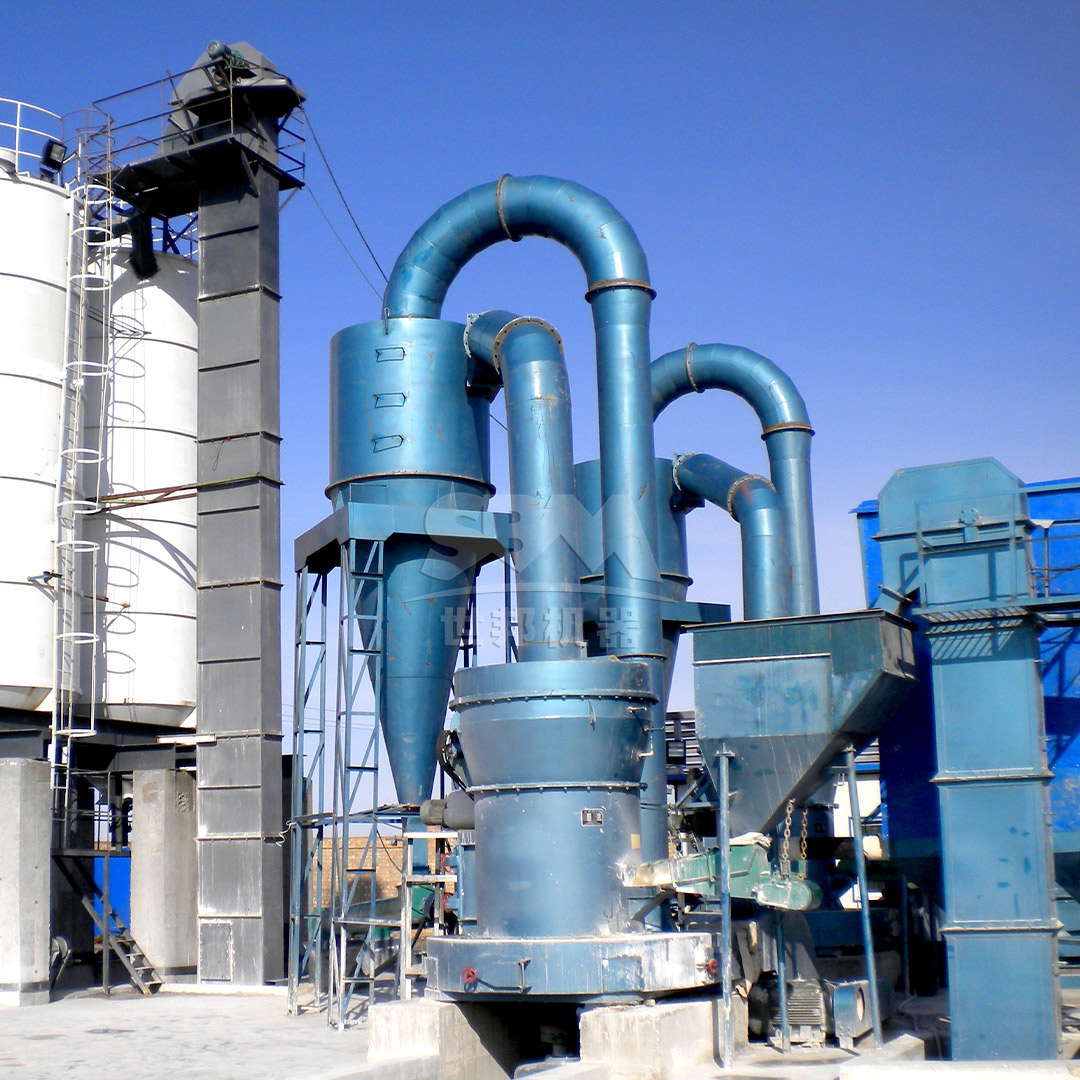
For producing plaster or cement retarder where fineness requirements are in the range of 30 to 325 mesh, robust and high-capacity grinding systems are ideal. The MTW Series European Trapezium Mill is exceptionally well-suited for this application. Its advantages directly address the needs of large-scale PG processing:
- High Capacity & Efficiency: With capacities ranging from 3 to 45 tons per hour, it can handle the throughput required for significant PG valorization projects. The integral bevel gear drive achieves up to 98% transmission efficiency, directly lowering operational costs.
- Durability for Abrasive Materials: The wear-resistant volute structure and anti-wear shovel design are critical for processing materials like PG, which can be abrasive. This design reduces maintenance frequency and costs by an estimated 30%.
- Precise Classification: The curved air duct and efficient classifier ensure a consistent product fineness, which is vital for the predictable setting time and strength of gypsum plasters.
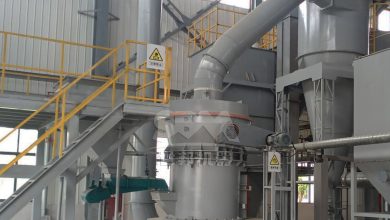
For operations requiring integrated crushing and grinding of larger feed material (≤50mm) with high efficiency and lower infrastructure footprint, the LM Series Vertical Roller Mill presents an excellent solution. Its integrated design reduces floor space by 50% and its low operating cost, with energy consumption 30-40% lower than traditional ball mill systems, makes it a sustainable choice for modern PG processing plants.
4.2 For Ultra-Fine Grinding (325-2500 mesh / 45-5μm)
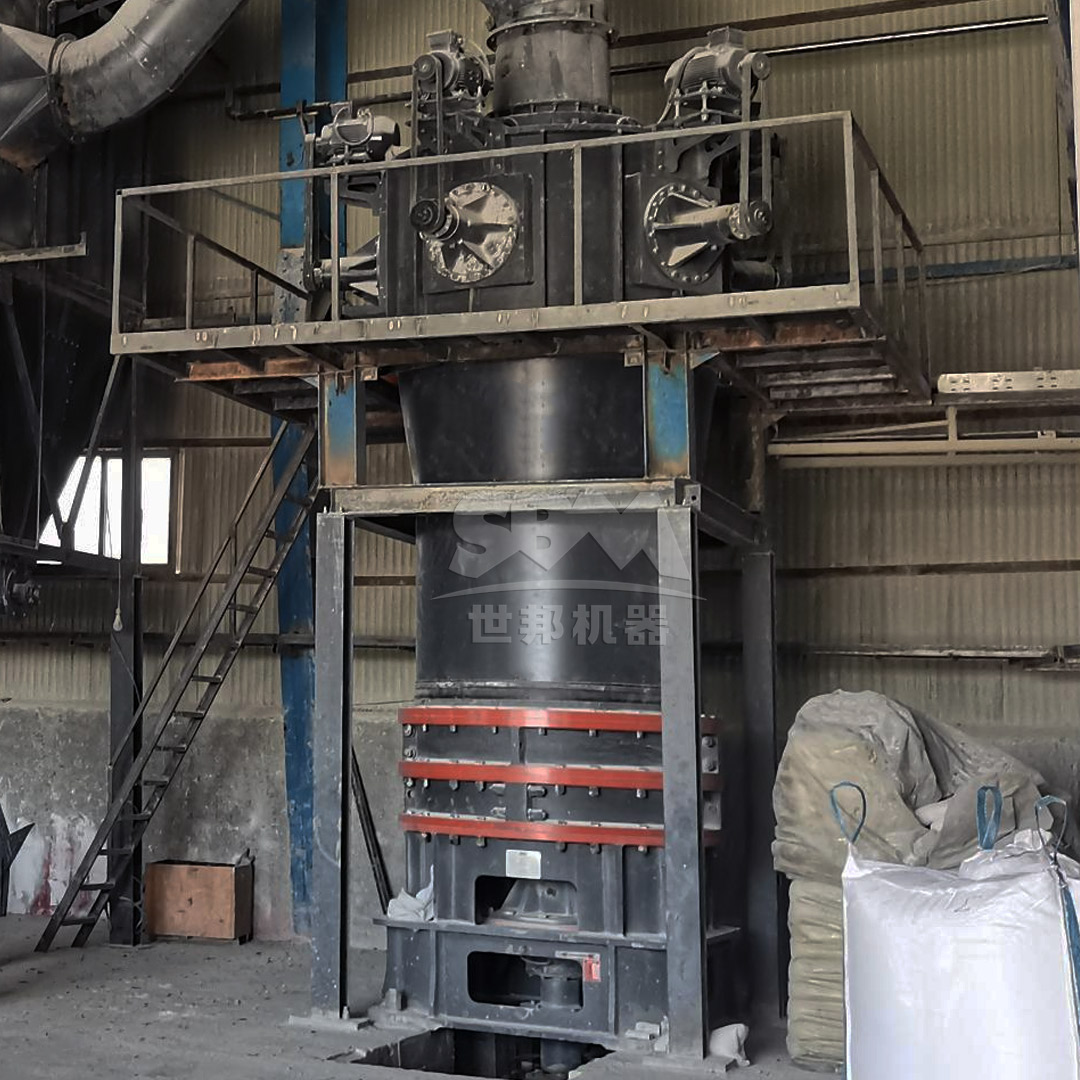
High-value applications, such as high-strength alpha plaster fillers or specialized chemical processes, may require ultra-fine phosphogypsum powder. For this demanding task, the SCM Series Ultrafine Mill is the technology of choice. Its design delivers unparalleled performance in the sub-45μm range:
- Superior Fineness and Uniformity: Capable of producing powder from 325 to 2500 mesh, it employs a high-precision vertical turbine classifier that ensures sharp particle size cuts and eliminates coarse powder mixing, resulting in a highly uniform product.
- Energy-Efficient Operation: The mill’s grinding principle offers capacity twice that of jet mills while consuming 30% less energy, a significant factor in the operating economics of fine grinding.
- Eco-Friendly Design: A fully sealed grinding chamber coupled with a pulse dust collection system exceeding international standards ensures a clean production environment, which is essential for meeting stringent industrial emission regulations.
5. Conclusion: Towards Sustainable Valorization
The comprehensive utilization of desulfurization phosphogypsum is no longer merely an environmental imperative but a technologically and economically viable industry. Success hinges on a tailored combination of effective purification, precise calcination, and efficient size reduction. Advances in grinding technology, exemplified by equipment like the high-capacity MTW Series Mill for standard applications and the precision-focused SCM Series Ultrafine Mill for high-value products, are key enablers. By adopting such optimized processing flows and robust equipment, industries can effectively close the loop on phosphogypsum, transforming a persistent waste problem into a stream of sustainable building and industrial materials, thereby contributing significantly to global resource conservation and circular economy goals.