Introduction to the Production Process of Lithium Slag Powder by Vertical Mill
1. Introduction: The Rise of Lithium Slag as a Valuable Resource
The rapid expansion of the global lithium-ion battery industry, driven by the electric vehicle and renewable energy storage revolutions, has led to a corresponding surge in lithium extraction and processing. A significant by-product of this process is lithium slag, a solid waste generated during the production of lithium carbonate or lithium hydroxide from spodumene ore. Traditionally considered a disposal challenge, lithium slag is now recognized as a potential supplementary cementitious material (SCM) due to its pozzolanic activity after proper treatment. The key to unlocking this value lies in efficient grinding technology to produce fine lithium slag powder with consistent quality. This article delves into the specialized production process using vertical roller mills, the industry-preferred solution for this application.
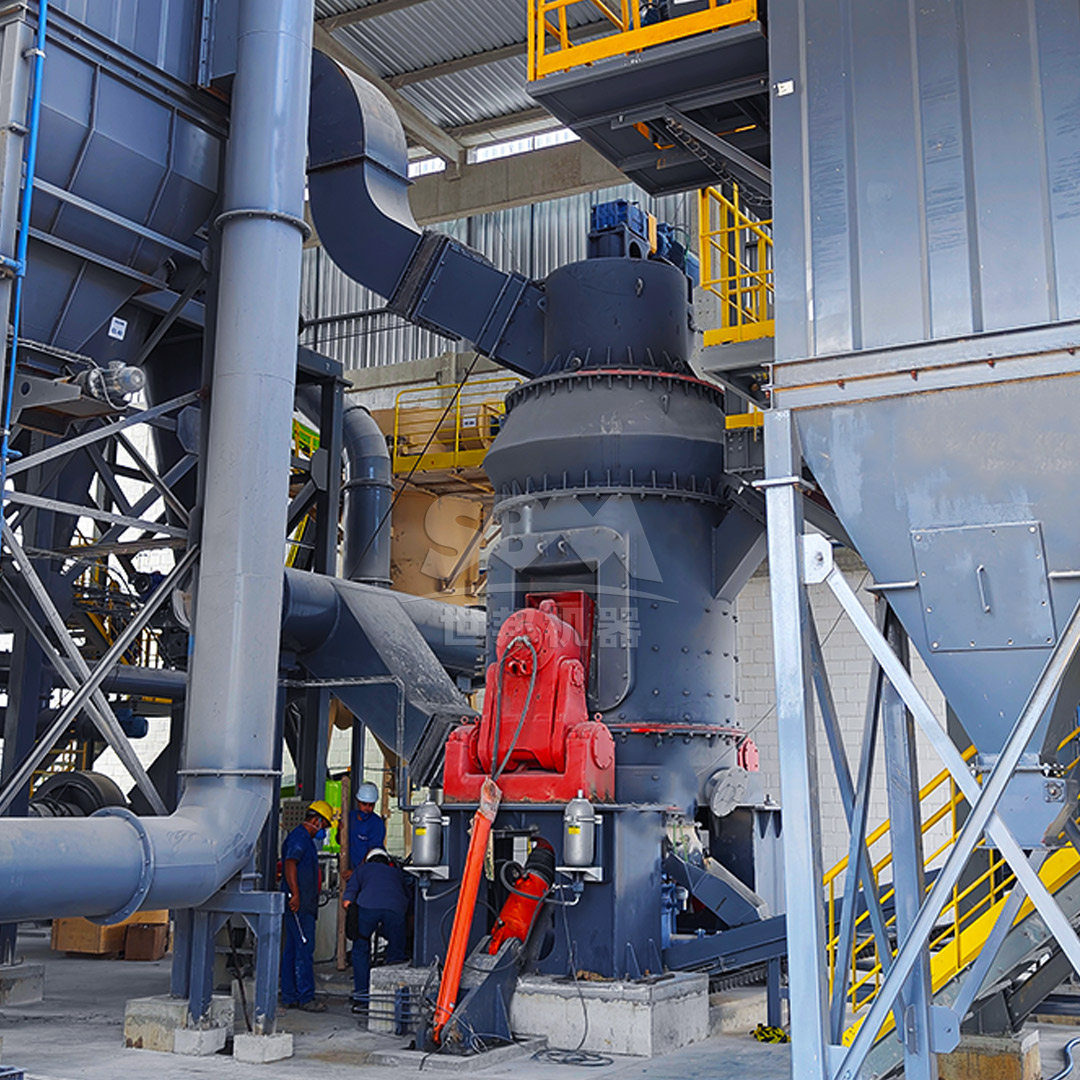
2. Characteristics and Challenges of Lithium Slag Grinding
Lithium slag possesses unique physical and chemical properties that present specific challenges for grinding. It typically has moderate to high hardness (Bond Work Index often ranging from 14-18 kWh/t) and may contain abrasive components. Its moisture content can vary, and achieving a high specific surface area (often targeting 400-600 m²/kg or finer) is crucial for activating its pozzolanic properties. The grinding process must not only achieve the desired fineness but also do so with high energy efficiency, low wear rates on equipment, and stable, continuous output to be economically viable for large-scale industrial applications.
3. The Vertical Roller Mill: Core of the Modern Grinding Process
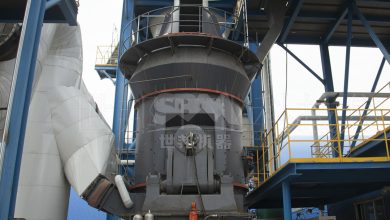
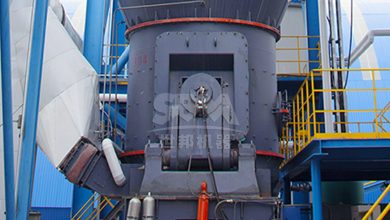
The vertical roller mill (VRM) has become the dominant technology for grinding lithium slag, as well as other industrial by-products like granulated blast furnace slag and fly ash. Its design is inherently suited for this task. The process within a VRM is a continuous, dry grinding operation comprising several integrated stages:
3.1. Feeding and Drying
Raw lithium slag, often pre-crushed to a size below 50mm, is fed into the mill via a weigh feeder or screw conveyor. A hot gas generator (using gas, oil, or waste heat) introduces hot air into the mill housing. This stream simultaneously dries the material (reducing moisture to typically below 1%) and acts as the transport medium for the ground powder. Precise temperature control is vital to prevent overheating, which can affect the slag’s reactivity.
3.2. Grinding and Classification
This is the heart of the process. The material falls onto a rotating grinding table. Hydraulically loaded grinding rollers, typically two to four in number, exert high pressure on the material bed, comminuting the particles through inter-particle compression and shear. The ground material is carried by the gas stream upwards to an integrated, high-efficiency classifier—usually a dynamic turbo classifier with adjustable rotor speed.
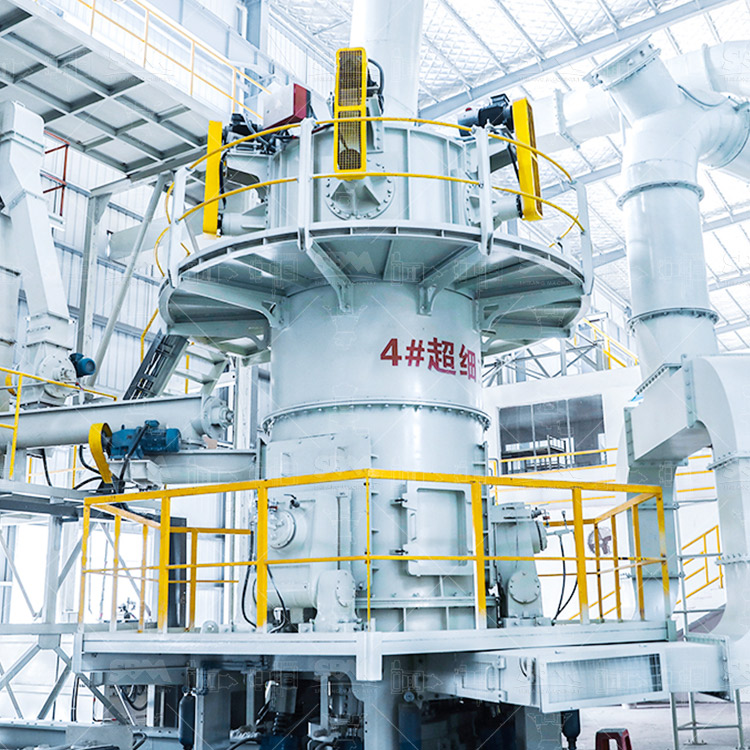
The classifier performs a critical function: it separates particles based on size and mass. Fine particles that meet the target fineness (e.g., <45μm or <30μm) pass through the classifier blades and proceed to product collection. Coarser particles are rejected by the centrifugal force of the classifier rotor and fall back onto the grinding table for further size reduction. This internal circulation creates a highly efficient closed-circuit grinding system within a single machine.
3.3. Product Collection and Dedusting
The fine powder-laden gas exits the mill top and enters a product collection system. This typically involves a main cyclone separator that recovers the majority of the product. The remaining fine dust in the exhaust gas is then captured by a high-efficiency bag filter or electrostatic precipitator, ensuring emissions are well below environmental standards. The collected lithium slag powder is then conveyed to storage silos, ready for blending or packaging.
4. Critical Advantages of Vertical Mills for Lithium Slag
The superiority of the VRM system for lithium slag grinding is rooted in several key advantages:
- High Energy Efficiency: The bed-compression grinding principle and internal classification require significantly less energy (typically 30-50% less) compared to traditional ball mill systems for the same product fineness.
- Excellent Drying Capacity: The direct contact between hot gases and material inside the large mill housing allows for efficient drying of feed materials with higher moisture content.
- Compact Footprint and Low Noise: The vertical, integrated design requires less floor space than a ball mill circuit. Fully enclosed operation also results in lower noise levels.
- Precise Product Control: The dynamic classifier allows for quick and easy adjustment of product fineness by changing the rotor speed, enabling production of different grades of lithium slag powder from the same mill.
- Low Wear and Easy Maintenance: While rollers and table liners are wear parts, their design and metallurgy allow for long operating intervals. Modern VRMs feature hydraulic systems that facilitate roller servicing without entering the mill.
5. Recommended Mill Solutions for Lithium Slag Powder Production
Selecting the right mill is paramount for project success. Based on the specific requirements of lithium slag—moderate hardness, need for high fineness, and demand for operational economy—two product lines from our portfolio stand out as optimal solutions.
5.1. For High-Capacity, Coarse to Medium-Fine Grinding: LM Series Vertical Roller Mill
Our LM Series Vertical Roller Mill is a robust and versatile workhorse ideal for large-scale lithium slag powder production where the target fineness is in the range of 30-325 mesh (600-45μm). Its integrated design crushes, dries, grinds, and classifies in one unit, reducing footprint by 50%. For lithium slag, the LM Vertical Slag Mill series (e.g., LM130N to LM370N) is particularly relevant. These models are engineered for materials with a Bond Work Index and specific iron content considerations. They offer capacities from 4 to over 110 tons per hour with energy consumption 30-40% lower than ball mill systems. The intelligent control system allows for expert-level automation and remote monitoring, ensuring stable product quality and reduced manual intervention.
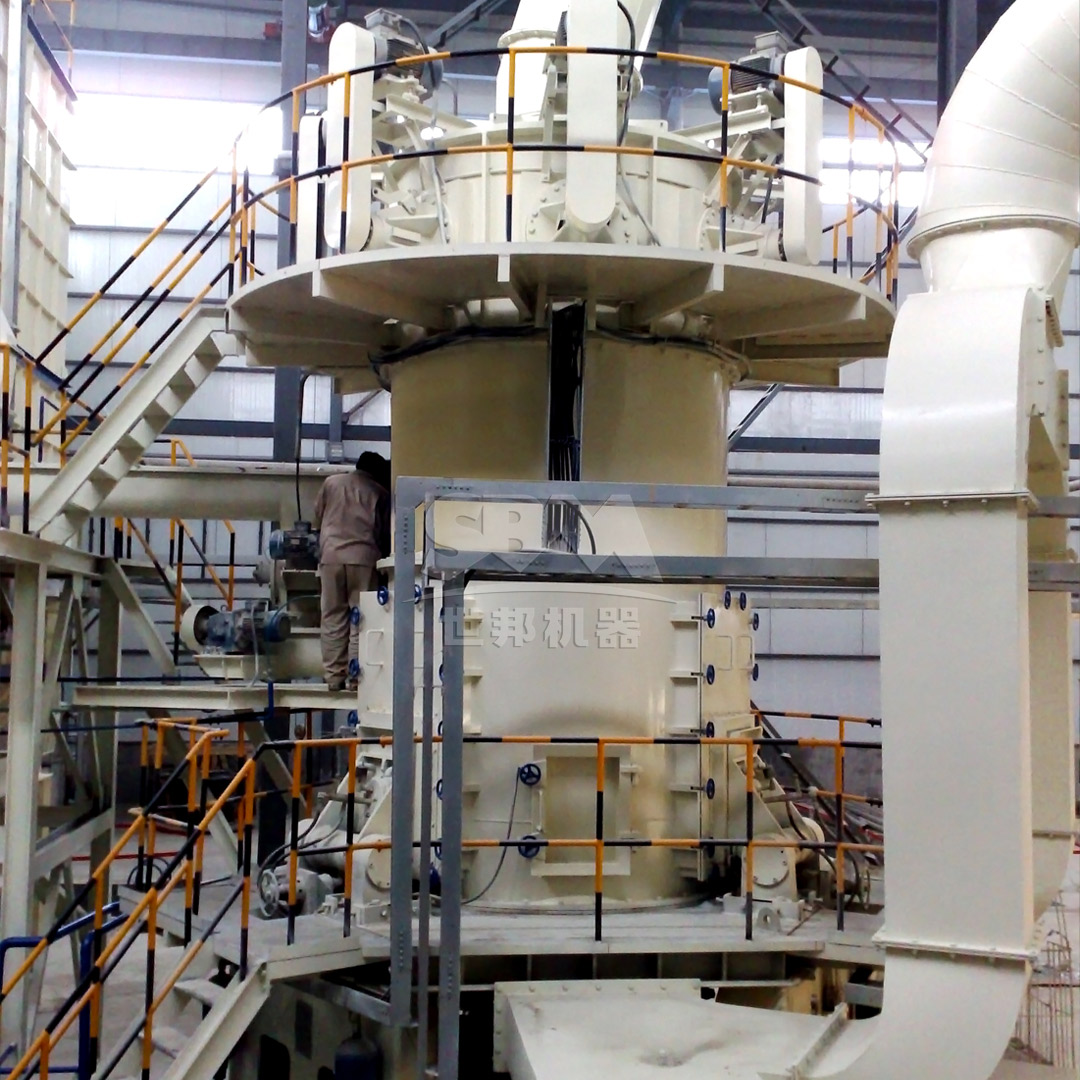
5.2. For Ultra-Fine and High-Value Powder Production: SCM Series Ultrafine Mill
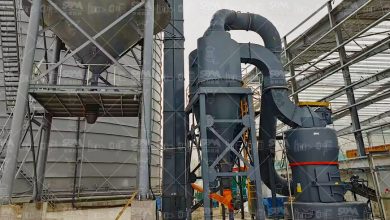
When the application demands exceptionally fine lithium slag powder to maximize its pozzolanic reactivity, reaching fineness levels of 325-2500 mesh (45-5μm), our SCM Series Ultrafine Mill is the superior choice. This mill excels in producing high-value, ultra-fine powders with unparalleled efficiency. Its capacity can be twice that of jet mills while consuming 30% less energy. The core of its performance is the high-precision vertical turbine classifier, which ensures precise particle size cuts and delivers a uniform finished product without coarse powder mixing. For lithium slag processors aiming for the premium additive market, models like the SCM1000 or SCM1250, offering 1.0-14 t/h capacity, provide the perfect balance of output and ultra-fine grinding capability. The durable design, featuring special material rollers and rings, guarantees long service life and stable operation in demanding continuous production environments.
6. Process Optimization and Quality Control
Successful production extends beyond equipment selection. Key process parameters must be optimized: grinding pressure, gas volume and temperature, classifier speed, and feed rate. A well-tuned VRM will operate with a stable grinding bed and optimal internal circulation. Quality control is continuous, with online particle size analyzers often used to provide real-time feedback to the mill’s control system, automatically adjusting parameters to maintain the target fineness (Blaine or particle size distribution). The chemical composition and amorphous content of the final powder are also regularly tested to ensure it meets specifications for use in concrete or cement blends.
7. Conclusion
The production of lithium slag powder via vertical roller mill technology represents a perfect synergy of industrial waste valorization and advanced mechanical engineering. The VRM process efficiently transforms a challenging by-product into a consistent, high-quality SCM, contributing to the circular economy and sustainable construction practices. The choice between a high-capacity LM series mill for standard applications and a high-precision SCM ultrafine mill for premium products allows producers to precisely match their technology to their market strategy. As the demand for sustainable building materials grows, the optimized vertical milling of lithium slag is poised to play an increasingly important role in the global materials landscape.