How to Determine the Grindability of Clinker and Lepidolite in Industrial Milling?
Introduction
In the mineral processing and cement industries, the efficient comminution of raw materials is a cornerstone of profitability and product quality. Two materials that present distinct challenges in this regard are cement clinker and lepidolite. Clinker, the nodular intermediate product from cement kilns, is notoriously hard and abrasive. Lepidolite, a lithium-bearing mica and a key source of lithium, is characterized by its sheet-like (lamellar) structure, which can lead to issues with delamination and achieving uniform fineness. Accurately determining the grindability of these materials is not an academic exercise; it is a critical industrial requirement for selecting appropriate milling equipment, optimizing process parameters, and predicting energy consumption and throughput. This article delves into the methodologies for assessing grindability and explores how modern milling technology, such as our advanced vertical and trapezium mills, provides robust solutions for these demanding applications.
Understanding Grindability: Key Concepts and Indices
Grindability refers to the relative ease with which a material can be pulverized. It is not an intrinsic property like hardness but a complex parameter influenced by mechanical properties (hardness, toughness, cleavage), feed size, and desired product fineness. Several standardized tests are employed in industry:
- Bond Work Index (Wi): The most widely used method. It measures the energy (in kWh/t) required to reduce a material from a theoretically infinite feed size to 80% passing 100 micrometers. A higher Wi indicates a less grindable (harder) material. Clinker typically has a high Bond Work Index.
- Hardgrove Grindability Index (HGI): Primarily used for coal, it’s a measure of relative ease of grinding. A higher HGI number indicates easier grindability. While not standard for clinker or lepidolite, the principle of comparative grinding under standardized conditions is insightful.
- Specific Grinding Energy: Measured directly in an industrial mill or a pilot-scale test mill, this is the actual energy consumed per ton of product produced to a specified fineness. This is the most practical and direct indicator for process design.
For lepidolite, traditional indices can be misleading due to its lamellar structure. Beyond energy consumption, grindability assessment must also consider the shape of the ground product—avoiding over-generation of fines or maintaining a specific particle size distribution for downstream lithium extraction processes.
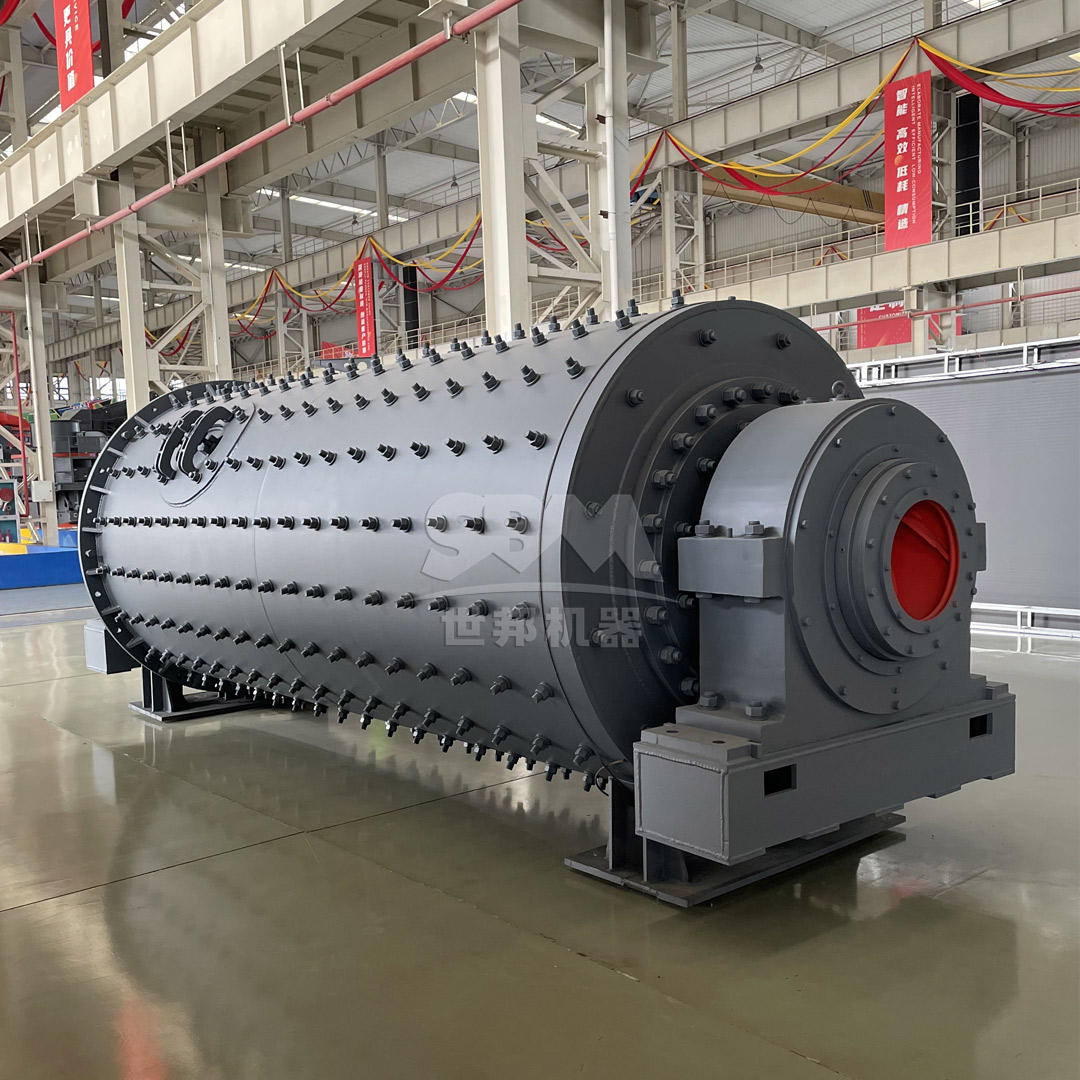
Grindability of Cement Clinker: Challenges and Solutions
Cement clinker is a composite material primarily consisting of alite, belite, and interstitial phases. Its high hardness and abrasiveness stem from the sintering process. Determining its grindability is essential for designing the finish grinding circuit in cement plants.
Assessment Approach:
- Laboratory Testing: Conducting a Bond Ball Mill Work Index test provides a baseline Wi value. Pilot grinding tests using a small vertical roller mill or ball mill are highly recommended to simulate industrial conditions and measure specific energy consumption.
- Particle Size Analysis: Monitoring the evolution of the particle size distribution (PSD) during grinding is crucial. Clinker requires high pressure and multiple passes to achieve the high Blaine fineness (e.g., 3500-4500 cm²/g) needed for cement.
- Abrasion Index: Separate testing for abrasiveness (e.g., using the Miller Number or a proprietary test) is vital for predicting wear rates on grinding rolls, tables, and liners.
Recommended Milling Technology:
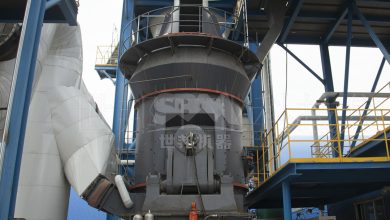
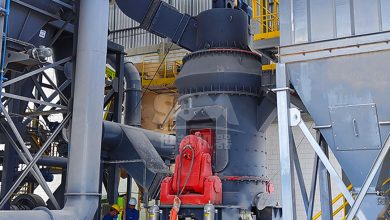
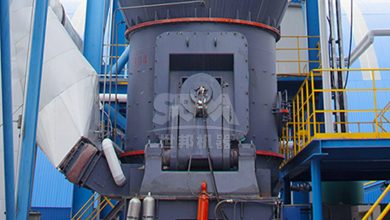
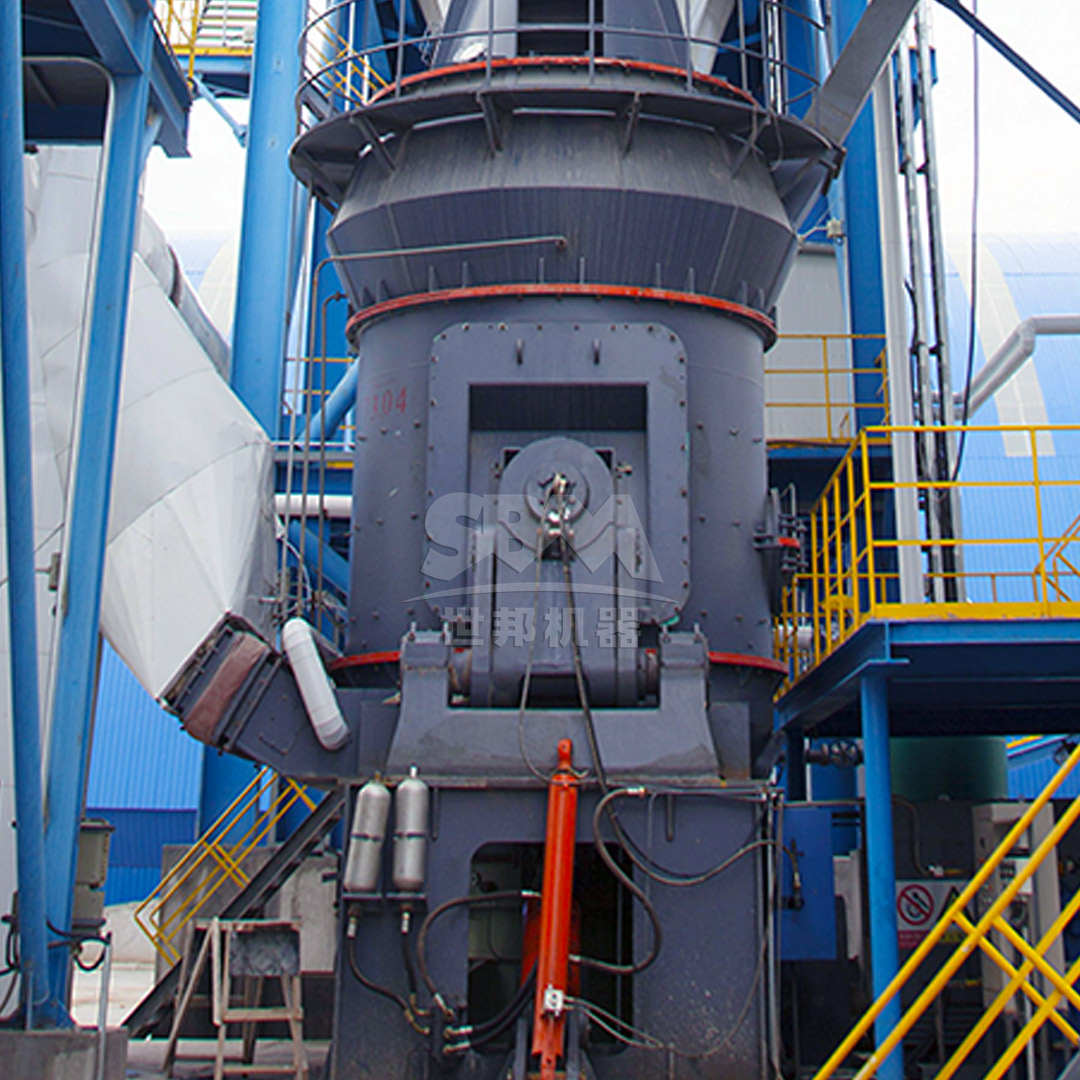
For clinker pre-grinding and finish grinding, high-pressure bed comminution is the most energy-efficient method. Our LM Series Vertical Roller Mill (VRM), particularly the LM-Y Vertical Pre-grinding Roller Mill series, is engineered to master this challenge.
- Integrated & Efficient Design: The system integrates crushing, grinding, drying, and classification in a single unit, reducing space and energy consumption by 30-40% compared to traditional ball mill systems. This is directly beneficial for handling high-Wi materials like clinker.
- Durable, Low-Wear Operation: Featuring a non-contact design between rollers and the grinding table and a patented modular grinding roller quick-change system, the LM VRM significantly extends wear part life—a critical factor given clinker’s abrasiveness. The anti-wear shovel and optimized arc air duct further protect the mill’s interior.
- Intelligent Control for Consistency: An expert-level auto-control system allows real-time monitoring and adjustment of grinding pressure, feed rate, and classifier speed. This ensures a stable, optimal grind and consistent product fineness despite variations in clinker grindability.
For instance, the LM340Y model for cement pre-grinding can handle feed sizes up to 20mm and achieve a circulation capacity of 80-100 t/h, making it an ideal choice for high-capacity clinker grinding circuits.
Grindability of Lepidolite: Challenges and Solutions
Lepidolite presents a different set of challenges. Its perfect basal cleavage means it tends to split into thin sheets under stress rather than fracturing isotropically. This can lead to a product with a high aspect ratio and an undesirable PSD.
Assessment Approach:
- Modified Grindability Tests: Standard Bond tests may need interpretation. More valuable is a pilot test that measures the energy required to reduce lepidolite to a target PSD where a high percentage (e.g., 90%) passes 75 or 45 microns, which is common for downstream leaching.
- Particle Shape Analysis: Using microscopy or dynamic image analysis to assess the particle shape (flakiness index) is as important as size analysis. The goal is to promote fracturing across the sheets.
- Moisture Consideration: Lepidolite can contain moisture, affecting flow and grindability. Testing should consider the potential need for integrated drying.
Recommended Milling Technology:
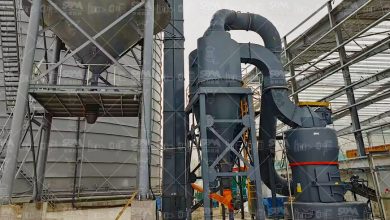
The key to efficiently grinding lepidolite lies in applying a combination of compression and shear forces to overcome its cleavage, coupled with precise classification to control top size and minimize overgrinding. Our MTW Series European Trapezium Mill excels in this application.
- Optimized Grinding Mechanism: The MTW mill’s curved shovel blade design and anti-wear materials efficiently feed and bed the material. The grinding rollers revolve around the central axis while self-rotating, creating a powerful combination of compression and shear ideal for breaking down lamellar minerals.
- High-Precision Classification: The integral bevel gear-driven classifier (with up to 98% transmission efficiency) allows for precise and stepless adjustment of product fineness from 30 to 325 mesh. This ensures the rejection of coarse flakes for re-grinding and delivers a uniform, controlled product essential for consistent lithium recovery rates.
- Robust and Eco-friendly Design: The wear-resistant volute structure and advanced pulse dust collection system ensure reliable, long-lasting operation with minimal environmental impact, containing the fine mica particles effectively.
For ultra-fine grinding requirements of lepidolite concentrates to increase surface area for chemical processing, our SCM Series Ultrafine Mill is the optimal choice. Capable of producing powders from 325 to 2500 mesh (5μm), its vertical turbine classifier ensures no coarse powder mixing, achieving the uniform, high-fineness product critical in advanced metallurgical operations.
Conclusion: From Assessment to Application
Determining the grindability of clinker and lepidolite requires a tailored approach that goes beyond a single index number. For clinker, focus on Bond Work Index, specific energy in a bed-compression mill, and abrasion testing. For lepidolite, prioritize pilot tests that measure energy to a target PSD and include particle shape analysis.
The selection of milling technology must align with these grindability characteristics. High-pressure, energy-efficient vertical roller mills like our LM Series are transformative for abrasive clinker. For lamellar minerals like lepidolite, the shear-enhanced grinding and precise classification of our MTW Series European Trapezium Mill or the ultra-fine capabilities of the SCM Series provide the necessary technological edge. By combining rigorous grindability assessment with the right milling equipment, operators can unlock significant gains in efficiency, product quality, and overall process economics.