High Purity Quartz Sand Production from Kaolin Tailings: A Sustainable Solution to Resource Shortage
1. Introduction: The Global Quartz Sand Challenge and Kaolin Tailings Opportunity
The global demand for high-purity quartz sand (HPQS), defined as silica (SiO2) content exceeding 99.95%, is experiencing unprecedented growth. This critical material is the backbone of high-tech industries, serving as the essential raw material for solar photovoltaic cells, semiconductor crucibles, fiber optics, and advanced lighting. However, the supply of natural, high-grade quartz crystals is geographically constrained and finite, leading to significant resource security concerns and price volatility.
Simultaneously, the kaolin mining industry generates vast quantities of silica-rich tailings, primarily composed of quartz and minor aluminosilicates. Historically considered waste, these tailings represent a substantial environmental liability, occupying land and posing risks of dust and water contamination. This article explores the innovative and sustainable pathway of transforming kaolin tailings into high-value HPQS, addressing both a critical resource shortage and a pressing waste management issue. The success of this transformation hinges on advanced, efficient, and precise mineral processing technologies.
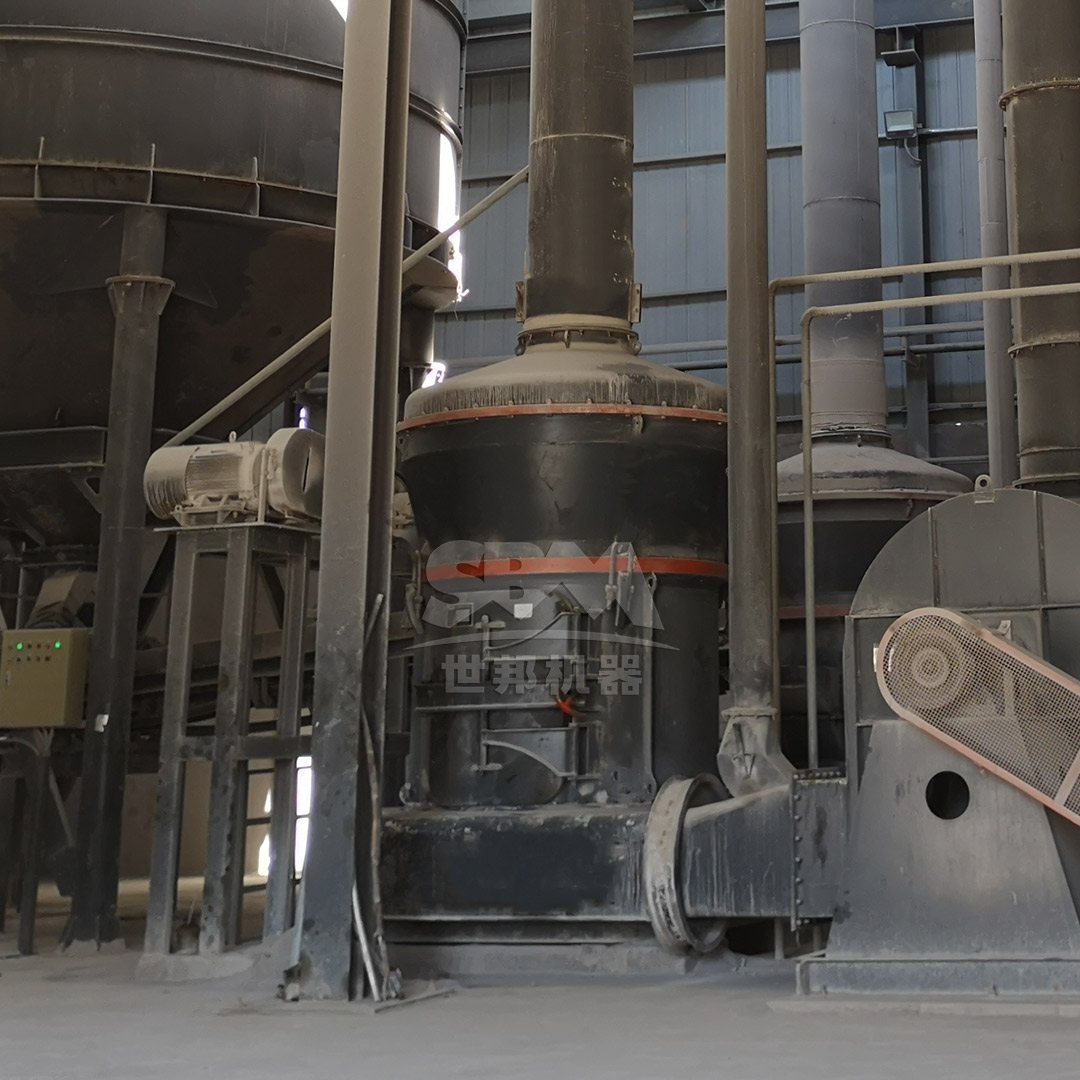
2. From Tailings to Treasure: The Production Process
The conversion of kaolin tailings into HPQS is a multi-stage, technically demanding process. It requires not only the removal of impurities but also precise control over particle size and morphology to meet the stringent specifications of end-users.
2.1 Pre-treatment and Beneficiation
The initial stage involves the physical separation of quartz from other gangue minerals. Processes such as attrition scrubbing, magnetic separation (for iron-bearing minerals), and flotation (to remove feldspar and mica) are employed. The goal is to produce a quartz concentrate with SiO2 content of 99% or higher, serving as the feed material for the critical downstream purification and sizing stages.
2.2 The Critical Role of Fine Grinding and Classification
Following beneficiation, the quartz concentrate must be reduced to a specific, often very fine, particle size distribution. This step is crucial for two reasons: first, to liberate any remaining impurities locked within quartz grains, and second, to achieve the target fineness required for high-tech applications, which can range from 200 mesh (74 µm) to ultra-fine levels exceeding 2500 mesh (5 µm).
Conventional grinding methods can be inefficient, energy-intensive, and may introduce contamination. Furthermore, achieving a narrow, consistent particle size cut is paramount. Broad distributions or the presence of coarse particles can severely degrade the performance of the final quartz product in applications like semiconductor wafer polishing or fused quartz crucibles.
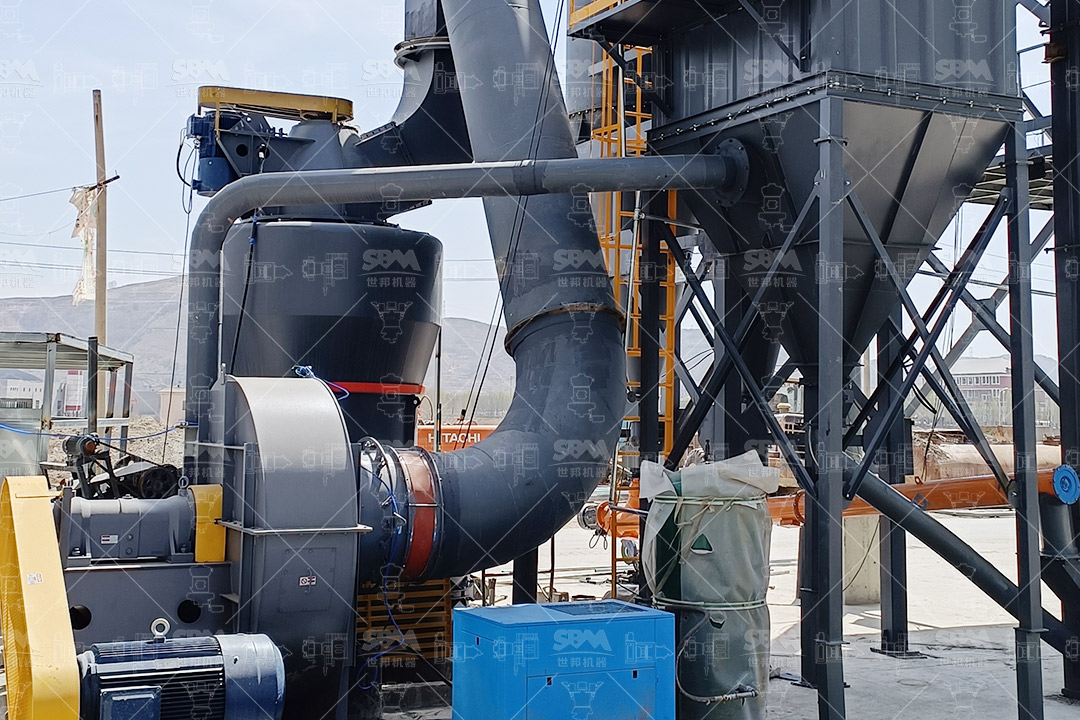
3. Technological Enablers: Precision Grinding for Purity and Performance
To overcome the challenges of fine grinding and classification, state-of-the-art milling technology is non-negotiable. The ideal equipment must offer high efficiency, precise particle size control, low contamination risk, and robust durability to handle abrasive quartz materials.
3.1 The SCM Series Ultrafine Mill: Engineered for Ultrafine Precision
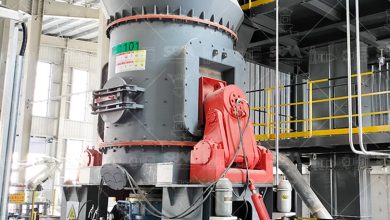
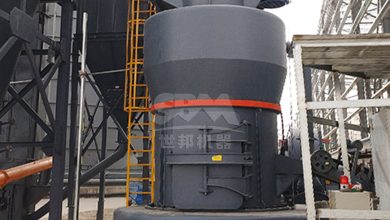
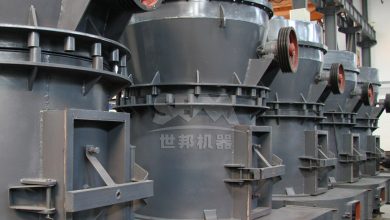
For applications demanding ultra-fine quartz powder (325-2500 mesh), the SCM Series Ultrafine Mill represents a technological leap. Its design directly addresses the core needs of HPQS production from tailings.
- High-Precision Classification: The integrated vertical turbine classifier provides exceptional particle size cutting accuracy. This ensures a uniform finished product without coarse powder mixing, a critical factor for downstream chemical purification and final application performance.
- Energy Efficiency & High Capacity: With a capacity twice that of traditional jet mills and 30% lower energy consumption, the SCM series makes the energy-intensive step of ultrafine grinding economically viable for tailings valorization projects.
- Abrasion Resistance: Quartz is highly abrasive. The SCM mill’s special material rollers and rings, along with its shaftless screw grinding chamber design, significantly extend service life, reduce maintenance downtime, and minimize metallic contamination—a key concern for purity.
- Model Flexibility: With models like the SCM800 (0.5-4.5 t/h) to the SCM1680 (5.0-25 t/h), the series can be scaled to match the output of tailings processing facilities of any size, from pilot plants to large-scale industrial operations.
3.2 The MTW Series European Trapezium Mill: The Workhorse for Fine Grinding
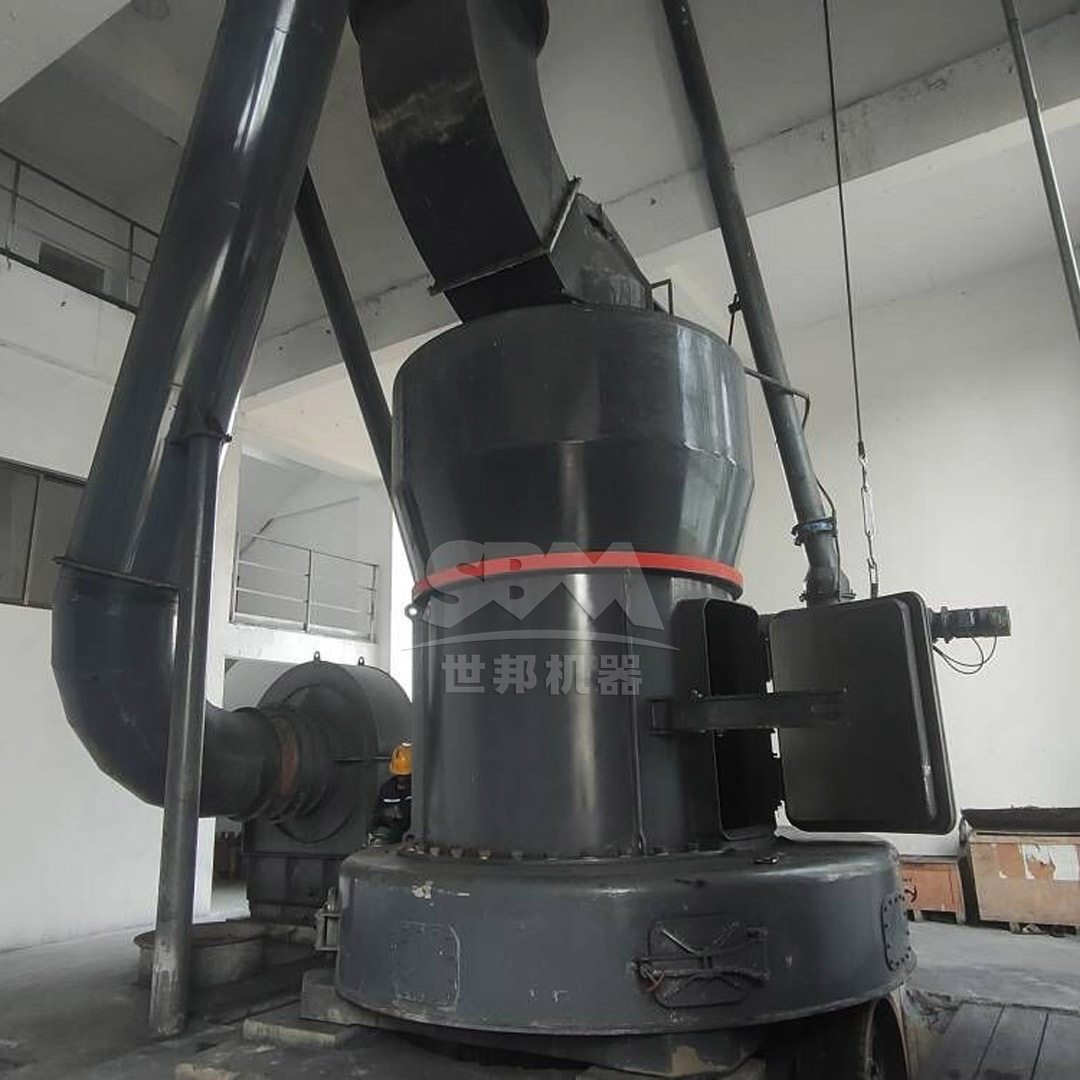
For the production of fine quartz sand in the 30-325 mesh range, often used in solar glass and foundry sands, the MTW Series European Trapezium Mill offers an optimal balance of reliability, efficiency, and cost-effectiveness.
- Durable, Anti-wear Design: The patented combined shovel blades and curved roller design are engineered to withstand the abrasiveness of quartz, dramatically reducing wear part consumption and maintenance costs over the long term.
- High Transmission Efficiency: The integral bevel gear drive achieves up to 98% transmission efficiency, translating to lower energy costs per ton of product—a vital consideration for sustainable operations.
- Optimized Airflow & Classification: The arc air duct and wear-resistant volute structure minimize energy loss and improve the efficiency of the air classification system, ensuring consistent product fineness from models like the MTW138Z (6-17 t/h) to the high-capacity MTW215G (15-45 t/h).
The adoption of such advanced milling technology is not merely an equipment choice; it is a strategic decision that determines the economic feasibility, product quality, and environmental footprint of the entire HPQS-from-tailings venture.
4. Sustainability and Economic Benefits
The synergy of using kaolin tailings as a resource and employing efficient processing technology creates a powerful circular economy model.
- Resource Conservation & Security: It alleviates pressure on primary quartz deposits, promotes domestic supply chains for critical minerals, and turns a liability into a strategic asset.
- Environmental Remediation: It reduces the footprint of tailings ponds, mitigates risks of dust and heavy metal leaching, and contributes to land rehabilitation.
- Economic Valorization: It unlocks significant economic value from waste streams, creates new revenue sources for mining companies, and fosters innovation in the minerals sector. The high efficiency of mills like the SCM and MTW series directly lowers operational costs, improving project ROI.
- Carbon Footprint Reduction: Compared to mining and processing virgin quartz ore, utilizing existing tailings and coupling it with energy-efficient grinding technology can lead to a substantially lower overall carbon footprint per ton of HPQS produced.
5. Conclusion
The production of high-purity quartz sand from kaolin tailings presents a compelling and sustainable solution to a global resource challenge. This pathway demonstrates how industrial ecology and advanced technology can converge to solve complex problems. The technical viability and economic success of this approach are intrinsically linked to the deployment of precision grinding and classification equipment. Technologies such as the SCM Series Ultrafine Mill and the MTW Series European Trapezium Mill are indispensable enablers, providing the necessary efficiency, product quality control, and operational reliability to transform an environmental burden into a high-value, critical material for the future. By embracing this innovative model, industries can move towards greater resource independence, environmental responsibility, and economic resilience.