Top Fluorite Mill Manufacturer: How to Choose the Best Supplier for Your Grinding Needs
Introduction: The Critical Role of Fluorite Grinding
Fluorite, also known as fluorspar, is a critical mineral used extensively in the metallurgical, chemical, and ceramic industries. Its primary applications include the production of hydrofluoric acid, as a flux in steelmaking, and in the manufacturing of glass and enamel. The value of fluorite is directly tied to its purity and particle size distribution. Therefore, selecting the right grinding mill and, more importantly, the right manufacturer, is a decision that impacts operational efficiency, product quality, and long-term profitability. This article serves as a comprehensive guide for industry professionals looking to choose the best supplier for their fluorite grinding needs, highlighting the technical considerations and key features to look for in a top-tier manufacturer.
Understanding Your Grinding Requirements: A Prerequisite
Before evaluating potential suppliers, you must have a clear understanding of your specific application. The optimal mill choice depends on several interdependent factors. The required output fineness is paramount. For instance, coarse grinding for metallurgical grade fluorite (typically 0-10mm) uses different equipment than fine grinding for ceramic grade (200-325 mesh) or ultra-fine grinding for high-grade chemical applications (1250-2500 mesh). Your required capacity, measured in tons per hour (t/h), will dictate the mill model and power configuration. Additionally, the characteristics of your feed material—such as moisture content, hardness (Mohs hardness of fluorite is 4), and feed size—will influence the mill’s design and wear protection. A reputable manufacturer will work with you to analyze these parameters before making a recommendation.
Evaluating Manufacturer Expertise and Product Range
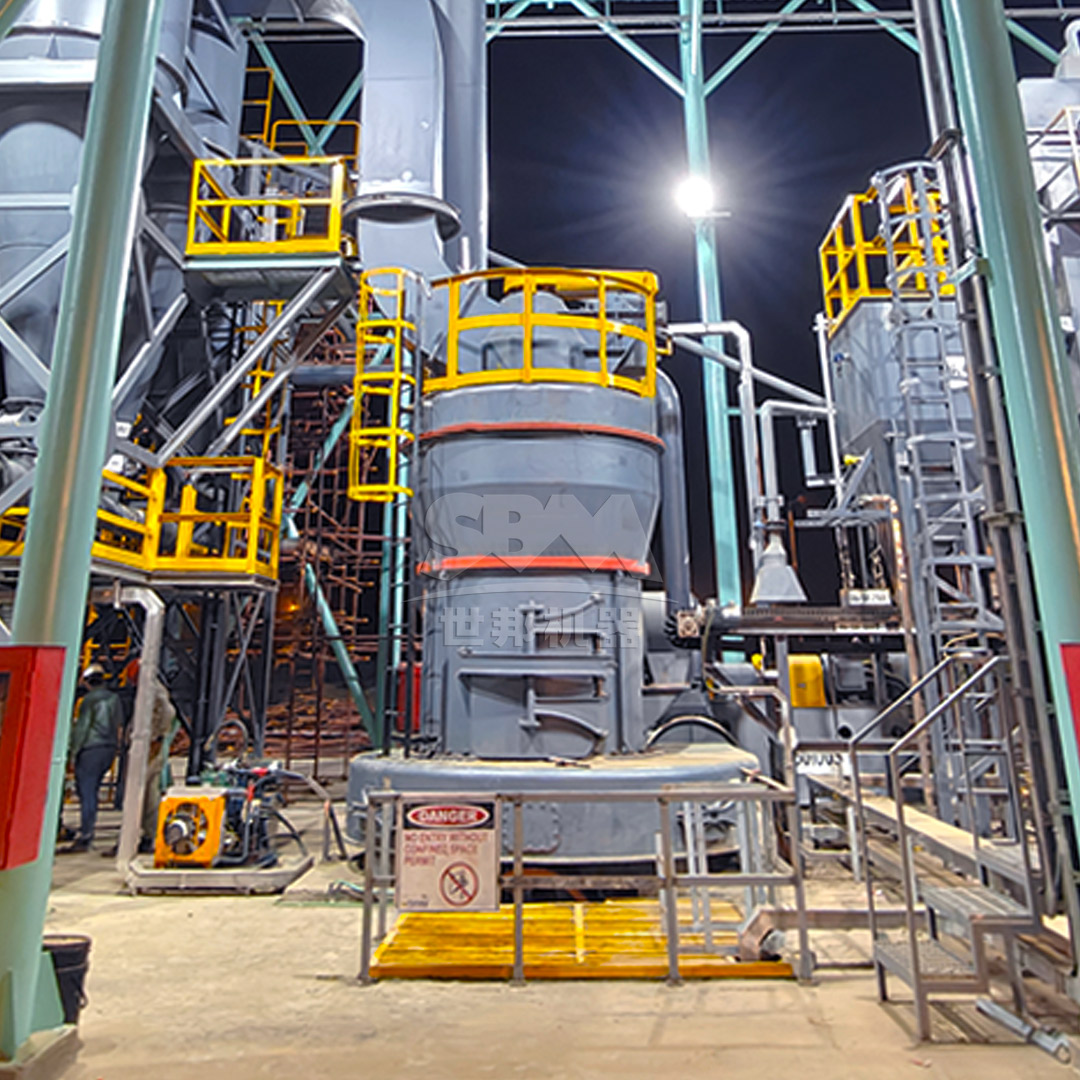
A top fluorite mill manufacturer distinguishes itself through deep domain expertise and a comprehensive product portfolio. Not all grinding mills are created equal. The best suppliers offer a range of technologies to match different fineness and capacity requirements. For large-scale operations requiring high throughput and low energy consumption, European trapezium mills and vertical roller mills (VRM) are often preferred. For ultra-fine grinding, specialized ultrafine mills are essential. A manufacturer with patented technologies, such as integral bevel gear drives with 98% transmission efficiency or intelligent pressure regulation systems, demonstrates a commitment to engineering excellence. Furthermore, look for a supplier with a proven track record of installations in the non-metallic mineral processing industry, specifically with fluorite.
Key Technical Specifications to Compare
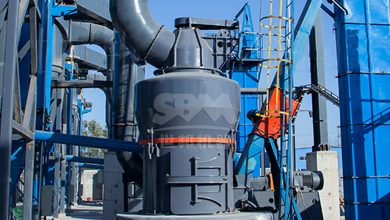
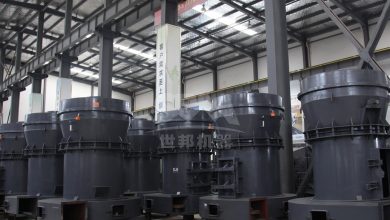
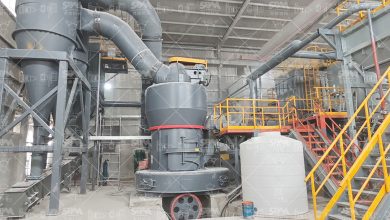
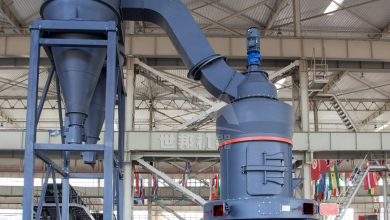
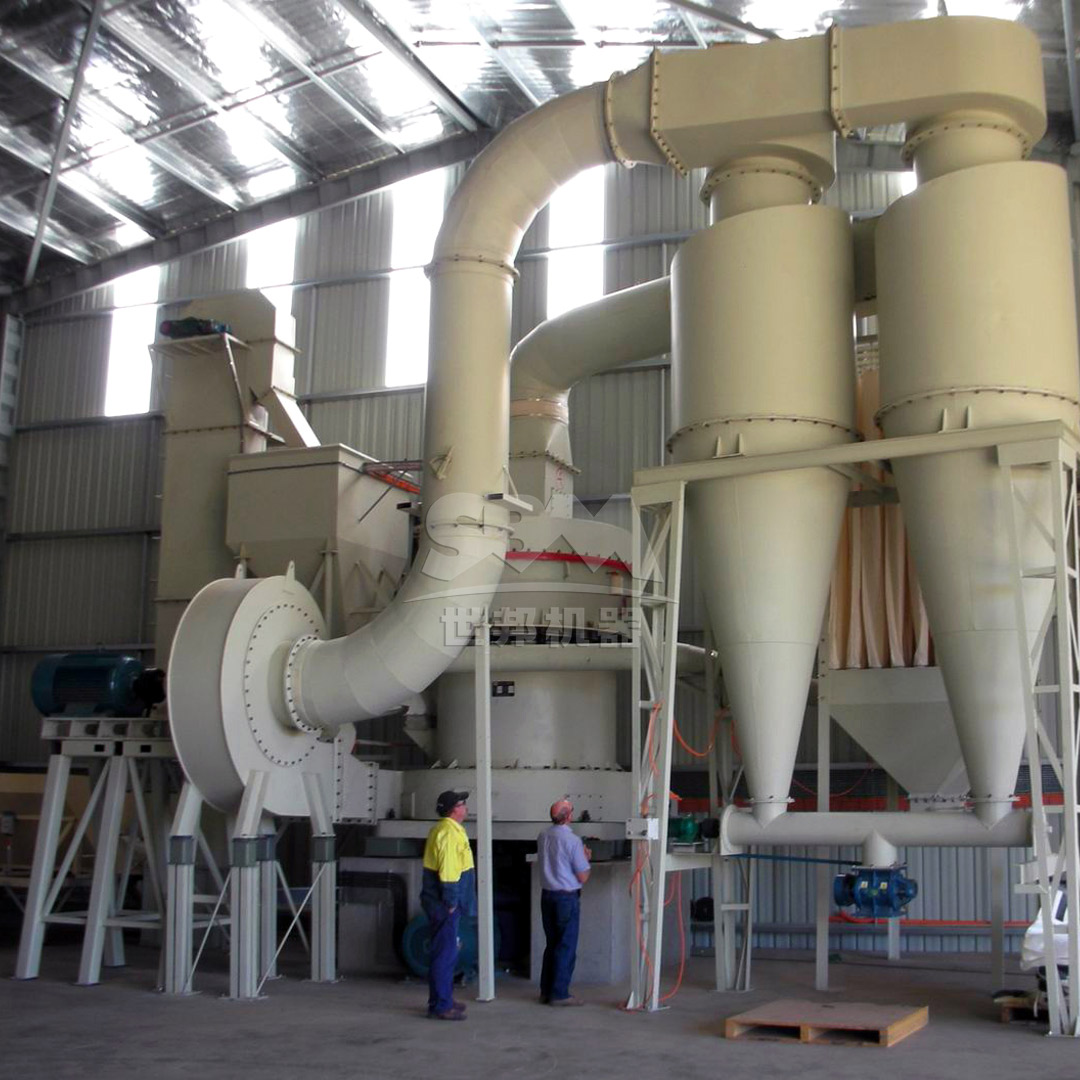
When comparing suppliers, scrutinize the core parameters of their milling equipment. For coarse to medium-fine grinding (30-325 mesh / 600-45μm), the MTW Series European Trapezium Mill is a market leader. Its anti-wear shovel design and curved air duct reduce operational costs significantly. Consider the MTW175G model, which offers a capacity of 9.5-25 t/h and a main power of 160kW, ideal for medium-scale fluorite processing. For higher capacity requirements, the MTW215G handles 15-45 t/h with a robust 280kW main motor. 
For applications demanding ultra-fine powders (325-2500 mesh / 45-5μm), the SCM Series Ultrafine Mill is the premier choice. Its unique design offers double the capacity of jet mills with 30% lower energy consumption. The vertical turbine classifier ensures precise particle size cutting without coarse powder mixing. The SCM1000 model, with a capacity of 1.0-8.5 t/h and a 132kW main power, is perfectly suited for producing high-value ultra-fine fluorite for the chemical and plastic filler industries.
Evaluating Energy Efficiency and Operating Costs
Energy consumption is a primary driver of operating costs in any grinding operation. A superior manufacturer prioritizes energy efficiency as a core design principle. Look for mills that utilize a bed of material grinding principle, like vertical roller mills, which can lower energy consumption by 30-40% compared to traditional ball mill systems. Features like variable frequency drives (VFDs) on classifiers and fans, intelligent control systems that optimize power draw based on load, and efficient transmission systems (like the integral bevel gear in MTW mills) all contribute to a lower cost per ton. For example, our SCM Ultrafine Mill uses a special material for rollers and rings that extends their service life, directly reducing replacement costs and downtime. When a supplier can demonstrate tangible ROI through reduced energy bills and longer wear life, they are a partner worth considering.
The Importance of Durability and After-Sales Support
Mining and mineral processing equipment operates in harsh conditions. The durability of critical components like grinding rollers, rings, and classifiers is non-negotiable. A top manufacturer uses high-quality, wear-resistant materials, such as special alloy steel for rollers and high-manganese steel for liners. Patented technologies, like the thin oil lubrication system found in pendulum mills or the modular roller assembly in vertical mills, simplify maintenance and enhance reliability. Beyond the hardware, the best suppliers provide exceptional after-sales support. This includes offering complete spare parts availability, technical documentation, and on-site installation and commissioning services. A supplier that offers a quick-change system for grinding rollers demonstrates a deep understanding of minimizing your downtime. They should also provide training for your operators to ensure the mill is run at peak efficiency.
Environmental Compliance and Intelligent Control
Modern grinding operations must meet stringent environmental regulations. A responsible manufacturer designs their equipment with eco-friendliness in mind. Key features to look for include pulse dust collection systems with efficiency exceeding international standards, fully sealed negative pressure operation to prevent dust leakage, and soundproof room designs to reduce noise pollution. Furthermore, the trend towards Industry 4.0 means that intelligent control systems are no longer a luxury. Expert-level auto-control systems with remote monitoring capabilities, real-time feedback on product fineness, and automated pressure regulation reduce manual intervention and ensure consistent quality. Our mills, for instance, feature a smart control system that automatically adjusts the classifier speed and grinding pressure to maintain the target product fineness, ensuring both quality and efficiency.
Conclusion: Partnering for Success
Choosing the best supplier for your fluorite grinding needs is a strategic partnership that extends far beyond a single transaction. It requires a thorough evaluation of your technical requirements, a comparison of mill technologies, and an assessment of the manufacturer’s expertise, product quality, energy efficiency, and support capabilities. By focusing on these critical factors, you can select a partner who will provide reliable, high-performance equipment that maximizes your return on investment. We invite you to consider our company as your partner. With a complete portfolio ranging from the robust MTW Series for standard grinding to the precision SCM Series Ultrafine Mill for demanding applications, we have the technology and experience to solve your specific challenges. Contact our team today to discuss your project and discover how our grinding solutions can help you achieve new levels of productivity and quality.