High-Quality Kaolin Fine Processing Technology: Key Methods and Applications for Superior Powder Production
1. Introduction
Kaolin, a naturally occurring clay mineral primarily composed of kaolinite, is a critical raw material in industries ranging from ceramics and paper coating to rubber, plastics, and cosmetics. The value of kaolin is directly proportional to its purity, whiteness, and, most importantly, its particle size distribution. High-quality kaolin fine processing technology is therefore essential for producing superior powders that meet the stringent specifications of modern industrial applications. This article explores the key methods and technologies for producing high-grade kaolin powder, focusing on grinding, classification, and the advanced machinery that drives this process.
2. The Importance of Particle Size in Kaolin Quality
The performance of kaolin in its end-use applications is heavily dependent on its fineness. For instance, in the paper industry, kaolin used as a coating pigment must have a particle size of less than 2 microns to ensure a smooth, glossy surface. In the ceramics industry, finer kaolin powders improve the plasticity and green strength of the body, leading to fewer defects during firing. Achieving such precise particle sizes requires a combination of efficient grinding mechanisms and high-precision classification systems.
3. Key Methods in Kaolin Fine Processing
3.1. Crushing and Pre-Grinding
The first stage of processing involves reducing large kaolin lumps to a manageable size. Typically, jaw crushers or hammer mills are used to break down the raw material to a feed size suitable for the main grinding unit. For example, a hammer mill can efficiently reduce kaolin from 40mm down to 0-3mm, preparing it for subsequent finer grinding stages.
3.2. Ultrafine Grinding Technology
Producing ultrafine kaolin powder (325-2500 mesh, or 45-5 microns) requires specialized milling equipment. Two dominant technologies in this field are the Ultrafine Vertical Roller Mill and the Ring Roller Mill. These machines operate on the principle of layer-by-layer crushing, utilizing centrifugal force to press materials between rotating rollers and a grinding ring or table.
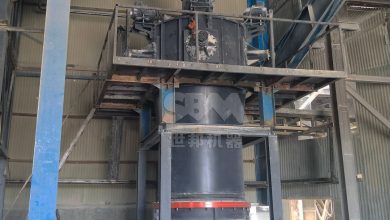
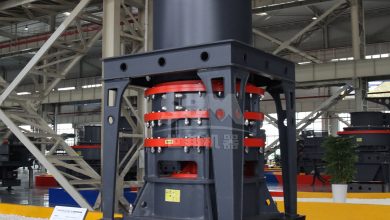
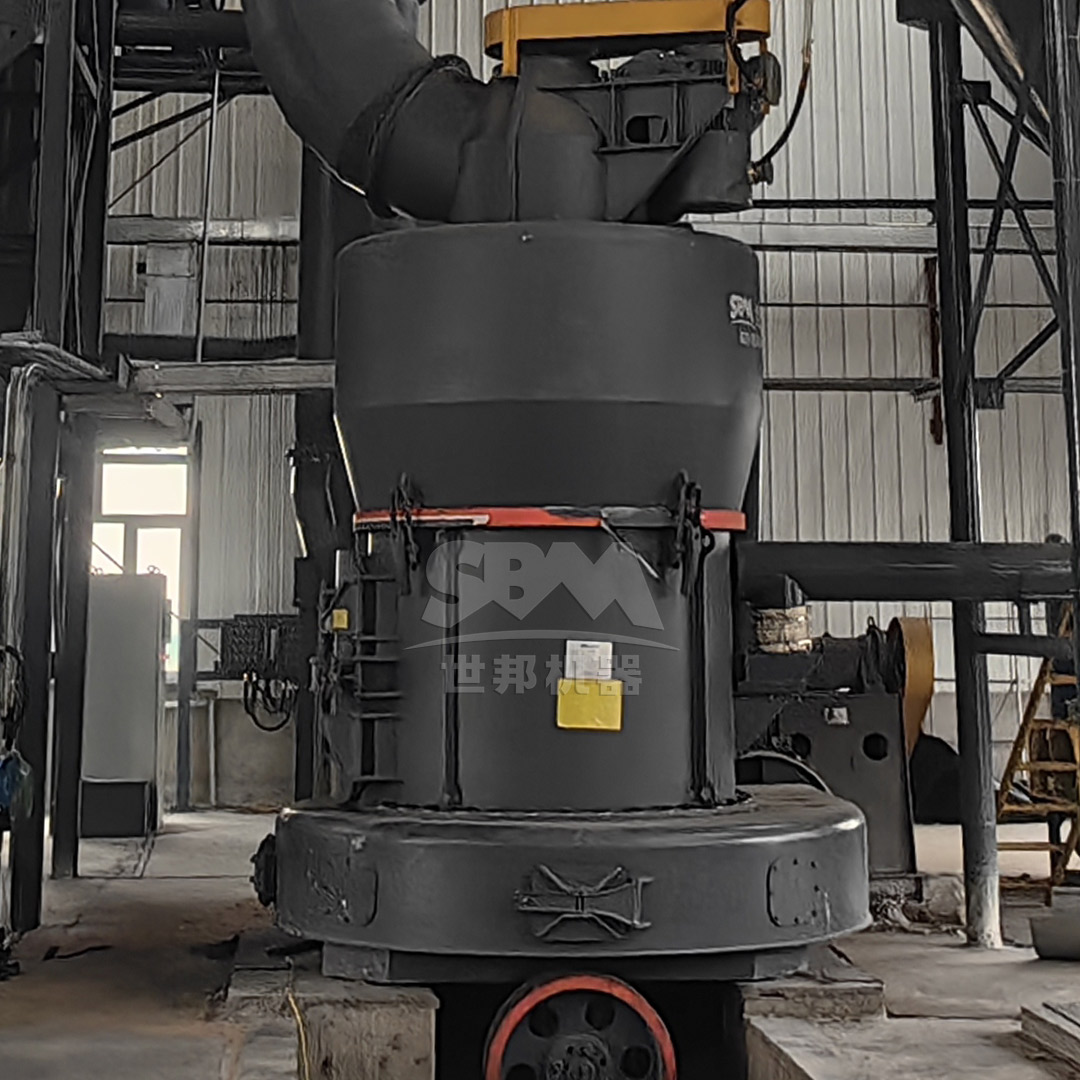
For instance, the SCM Series Ultrafine Mill is specifically designed for this application. Its core parameters include an input size of ≤20mm and an output fineness ranging from 325 to 2500 mesh. With a capacity of 0.5 to 25 ton/h, it offers a distinct advantage over traditional jet mills, achieving twice the capacity with 30% lower energy consumption. The vertical turbine classifier ensures precise particle size cutting, eliminating coarse powder mixing and guaranteeing uniform finished products. Furthermore, its intelligent control system provides automatic feedback on finished product granularity, ensuring consistent quality. Special material rollers and rings extend the service life several times over, while the shaftless screw grinding chamber ensures stable operation. For applications demanding the highest quality kaolin with minimal environmental impact, this mill is the industry standard.
3.3. High-Precision Classification
After grinding, the material must be classified to separate the desired fine powder from the coarse particles. The classifier is the heart of the system, determining the final product quality. Modern dynamic classifiers, such as the vertical turbine type found in advanced mills, use multiple stages of adjustment to achieve sharp cut points. This technology ensures that the final product has a narrow particle size distribution, which is crucial for applications like high-gloss paint and high-quality paper coating. Machines like the SCM Series utilize this technology, ensuring no coarse powder is mixed into the final product.
4. Advanced Equipment for Medium-Fine Processing
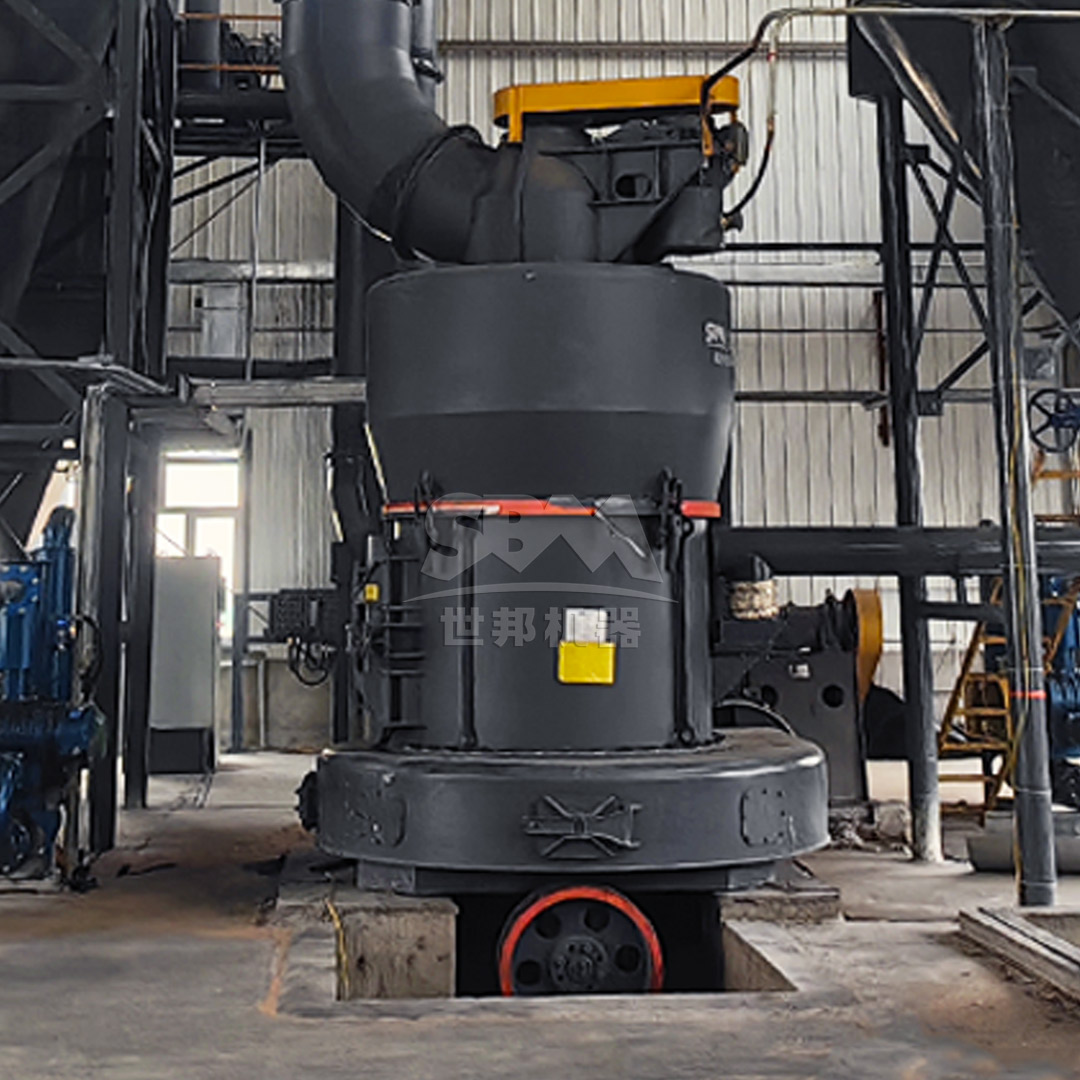
For applications where the target fineness is between 30 and 325 mesh (600 to 45 microns), the MTW Series European Trapezium Mill offers a superior solution. With a larger input size of up to 50mm and a capacity ranging from 3 to 45 ton/h, this mill is ideal for bulk processing. Its technical advantages include an anti-wear shovel design with combined shovel blades that reduce maintenance costs. The optimized arc air duct reduces airflow energy loss, and the integral bevel gear drive achieves a transmission efficiency of up to 98%. The wear-resistant volute structure with a non-resistance flow design improves air selection efficiency while reducing maintenance costs by 30%. This mill is perfectly suited for industries like ceramics and building materials where a consistent, medium-fine powder is required.
4.1. The Role of Vertical Roller Mills
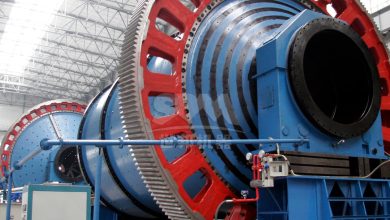
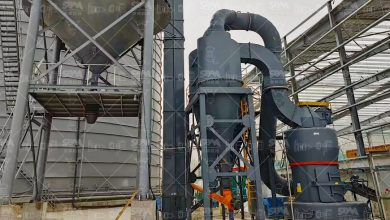
For even larger scale operations, the LM Series Vertical Roller Mill provides an integrated solution that combines crushing, grinding, and selection in one system. This reduces floor space by 50% and allows for outdoor installation, cutting infrastructure costs by 40%. With a capacity reaching up to 250 ton/h, it uses a non-contact design between rollers and table, extending wear part life by three times and lowering energy consumption by 30-40% compared to traditional ball mill systems. It is the ultimate choice for large-scale kaolin processing plants seeking high throughput and low operating costs.
5. Applications of Superior Kaolin Powder
- Paper Industry: Ultrafine kaolin (d90 < 2µm) is used as a coating pigment to enhance brightness, opacity, and printability. The high-precision classification of our SCM mill ensures the exact particle size required for premium coated paper.
- Ceramics: Fine kaolin (325 mesh) improves the plasticity and white-firing properties of porcelain and sanitaryware. The MTW mill’s trapezium design ensures efficient and uniform grinding, producing a high-quality body material.
- Paints and Coatings: Kaolin is used as an extender and functional filler. Its particle size affects the viscosity, hiding power, and gloss of the final paint. The SCM ultrafine mill can produce the ultra-fine grades required for high-end, low-sheen paints.
- Rubber and Plastics: Fine kaolin acts as a reinforcing agent, improving the mechanical strength and heat resistance of rubber and plastic products.
- Cosmetics and Pharmaceuticals: High-purity, micronized kaolin is used as an active ingredient and absorbent in face masks and creams.
6. Conclusion
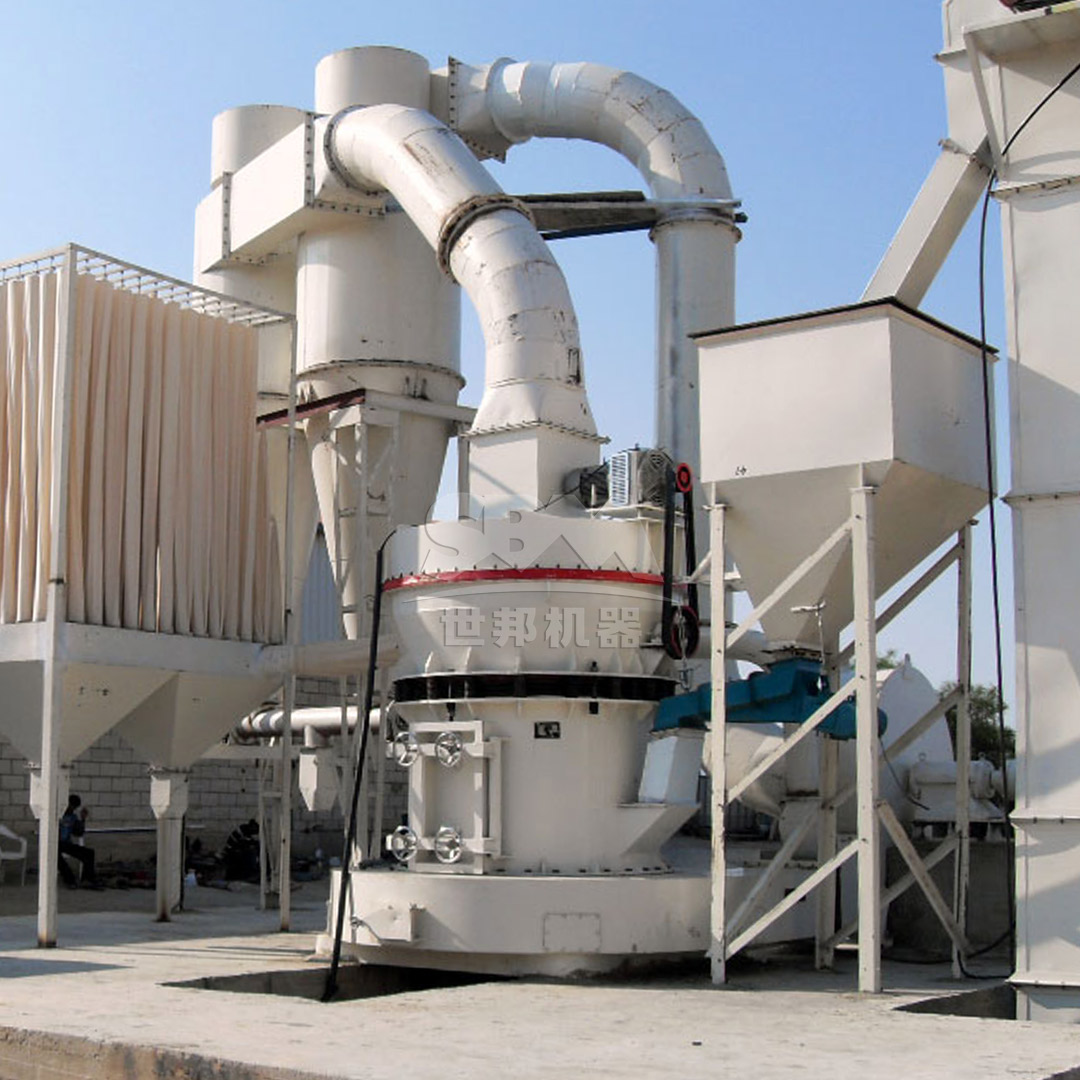
Producing high-quality kaolin powder is a sophisticated process that demands advanced milling and classification technology. From the robust, large-capacity LM and MTW series for medium-fine powders to the ultra-precise, energy-efficient SCM series for ultrafine grades, the right equipment is key to unlocking the full value of kaolin. By investing in high-efficiency, low-energy, and intelligent milling solutions, producers can achieve superior powder quality, reduce operating costs, and meet the ever-growing demands of global markets. Whether you need a consistent 200 mesh for ceramics or a precise 1250 mesh for paper coating, our range of mills offers the perfect solution for your kaolin processing needs.