How to Choose the Best Attapulgite Grinding Mill Manufacturer?
Introduction
Attapulgite, also known as palygorskite, is a unique clay mineral valued for its high surface area, adsorptive capacity, and rheological properties. It is widely used in drilling fluids, paints, cosmetics, pharmaceuticals, and environmental remediation. To unlock its full potential, attapulgite must be ground into a fine powder, typically between 30 and 2500 mesh (600–5 μm). Choosing the right grinding mill manufacturer is critical to achieving optimal particle size distribution, production efficiency, and operating costs. This article provides a comprehensive guide to evaluating attapulgite grinding mill manufacturers, covering key criteria such as technology, product range, service support, and application expertise. By the end, you will understand how to select a partner that delivers superior milling solutions for your specific needs.
Understanding Attapulgite Grinding Requirements
Attapulgite has a fibrous or chain-like structure, making it more abrasive than many other clays. This characteristic demands grinding equipment with high wear resistance and precise classification. Typical fineness requirements range from 30–325 mesh for industrial fillers to 325–2500 mesh for high-value applications like catalysts and adsorbents. Capacity needs vary from small-scale production (0.5 ton/h) to large industrial plants (over 100 ton/h). A reputable manufacturer must offer flexible solutions that match these parameters while minimizing energy consumption and maintenance downtime.
Key Criteria for Selecting a Manufacturer
1. Product Technology and Performance
The core of any grinding mill lies in its mechanical design and operational efficiency. Look for manufacturers that employ advanced technologies such as vertical roller mills, ultrafine mills, or European trapezium mills. Key performance indicators include:
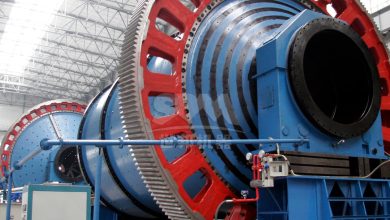
- Grinding efficiency: Capacity per unit of energy input. For example, vertical roller mills can reduce energy consumption by 30–40% compared to ball mills.
- Classification precision: The ability to separate fines from coarse particles without oversize contamination. High-precision classifiers, such as vertical turbine classifiers, ensure uniform particle size distribution.
- Durability: Wear-resistant components like special alloy rollers, liners, and grinding rings extend service life and reduce replacement costs.
For attapulgite processing, mills with variable speed drives and automatic feedback control systems are particularly advantageous, as they allow real-time adjustment of fineness and output.
2. Product Range and Flexibility
Top manufacturers offer a broad portfolio of mills to handle different feed sizes, fineness levels, and capacities. This diversity ensures you can scale production as your business grows without changing suppliers. For instance, our company provides multiple series tailored to attapulgite grinding:
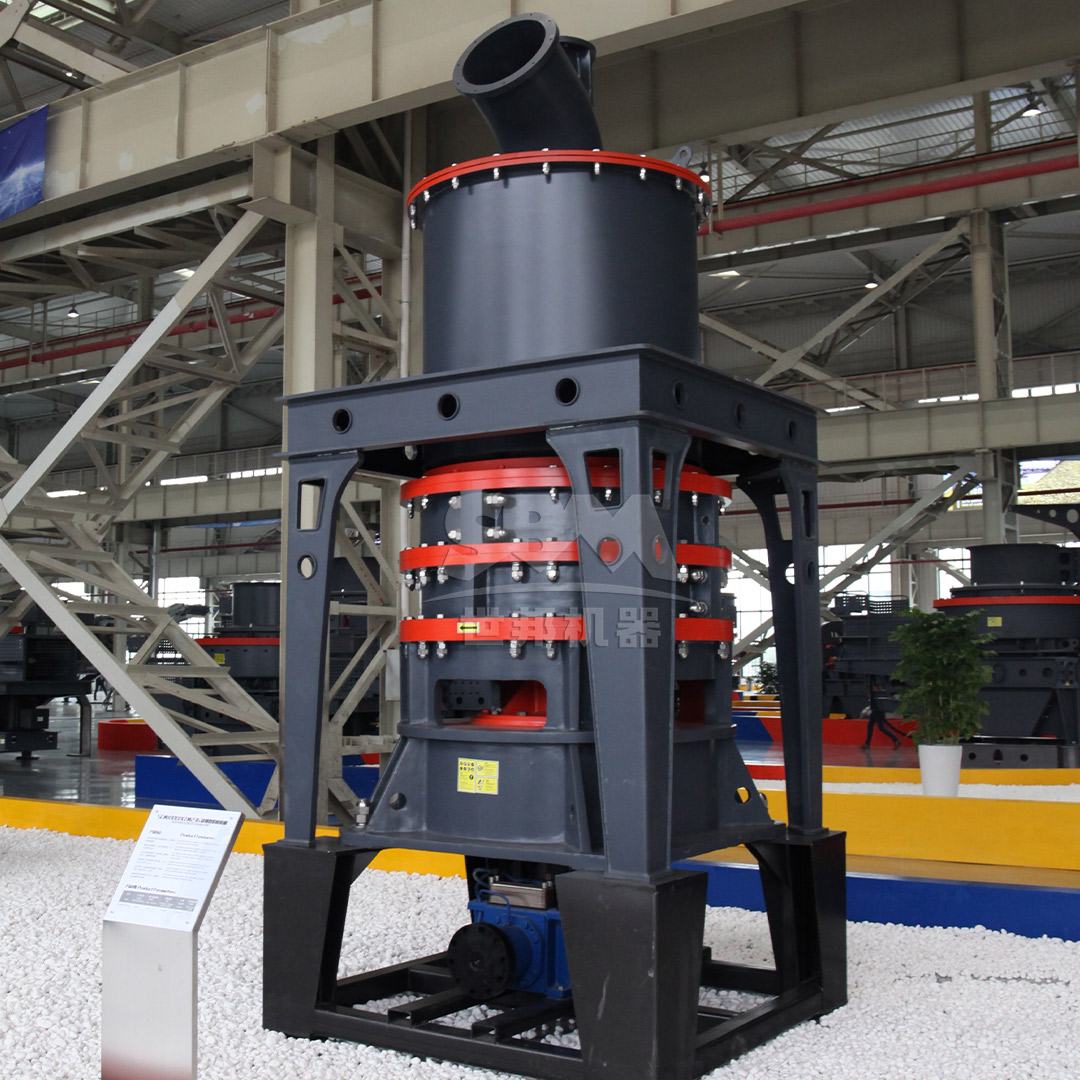
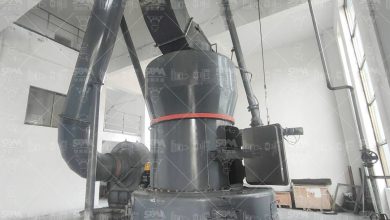
- SCM Series Ultrafine Mill (45–5 μm): Ideal for ultra-fine attapulgite powder (325–2500 mesh). With capacity ranging from 0.5 to 25 ton/h and energy-saving of 30% over jet mills, it is perfect for high-value applications.
- MTW Series European Trapezium Mill (600–45 μm): Suitable for medium-fine grinding (30–325 mesh), featuring an integral bevel gear drive with 98% transmission efficiency and wear-resistant volute structure.
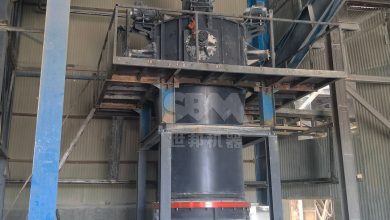
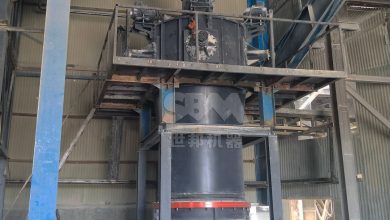
- LM Series Vertical Roller Mill (600–45 μm): For large-capacity industrial production (3–250 ton/h), integrating crushing, grinding, and classification with 50% less floor space.
Having multiple options allows you to match the equipment precisely to your feedstock and end-product specifications.
3. Intellectual Property and Patents
Innovative manufacturers invest in research and development to patent unique technologies. Examples include modular grinding roller quick-change systems, dynamic classifier multi-stage adjustment, and internal suction oil lubrication. These patented features translate into higher reliability, easier maintenance, and lower operating costs. When evaluating a manufacturer, ask about their patent portfolio and how their technology differentiates them from competitors.
4. Environmental Compliance and Noise Control
Modern attapulgite grinding operations must meet stringent environmental regulations. Leading manufacturers design mills with fully sealed negative pressure systems, pulse dust collectors, and soundproof enclosures. For instance, our SCM series achieves dust emission levels below international standards, while noise levels are reduced to ≤85 dB(A) through damping designs. Choosing an eco-friendly mill not only avoids regulatory penalties but also improves workplace safety and community relations.
Evaluating Manufacturer Support and Service
5. Pre-Sales Engineering and Testing
A reliable manufacturer provides pre-sales consultation to assess your material properties and recommend the optimal mill configuration. They should offer laboratory-scale testing or pilot plant trials to validate performance. For attapulgite, testing is crucial because variations in moisture content (typically 10–30%) and fiber length affect grinding behavior. Manufacturers with in-house material characterization capabilities can customize parameters such as classifier speed, air flow, and roller pressure.
6. After-Sales Service and Spare Parts
Mill downtime can be costly. Ensure the manufacturer offers comprehensive after-sales support, including installation supervision, operator training, and a readily available stock of wear parts. Check their global service network and response time. Our company, for example, maintains regional warehouses for critical components like grinding rollers, rings, and classifiers, ensuring 24–48 hour delivery in most regions.
7. Reference Installations and Industry Experience
Request references from other attapulgite processors or similar mineral grinding operations. A manufacturer with decades of experience in non-metallic minerals will have documented case studies showing successful outcomes. Pay attention to long-term reliability data, such as mean time between failures (MTBF) and wear part life. For vertical roller mills, leading manufacturers report wear part life of 8,000–12,000 hours for attapulgite grinding.
Our Recommended Solutions for Attapulgite Grinding
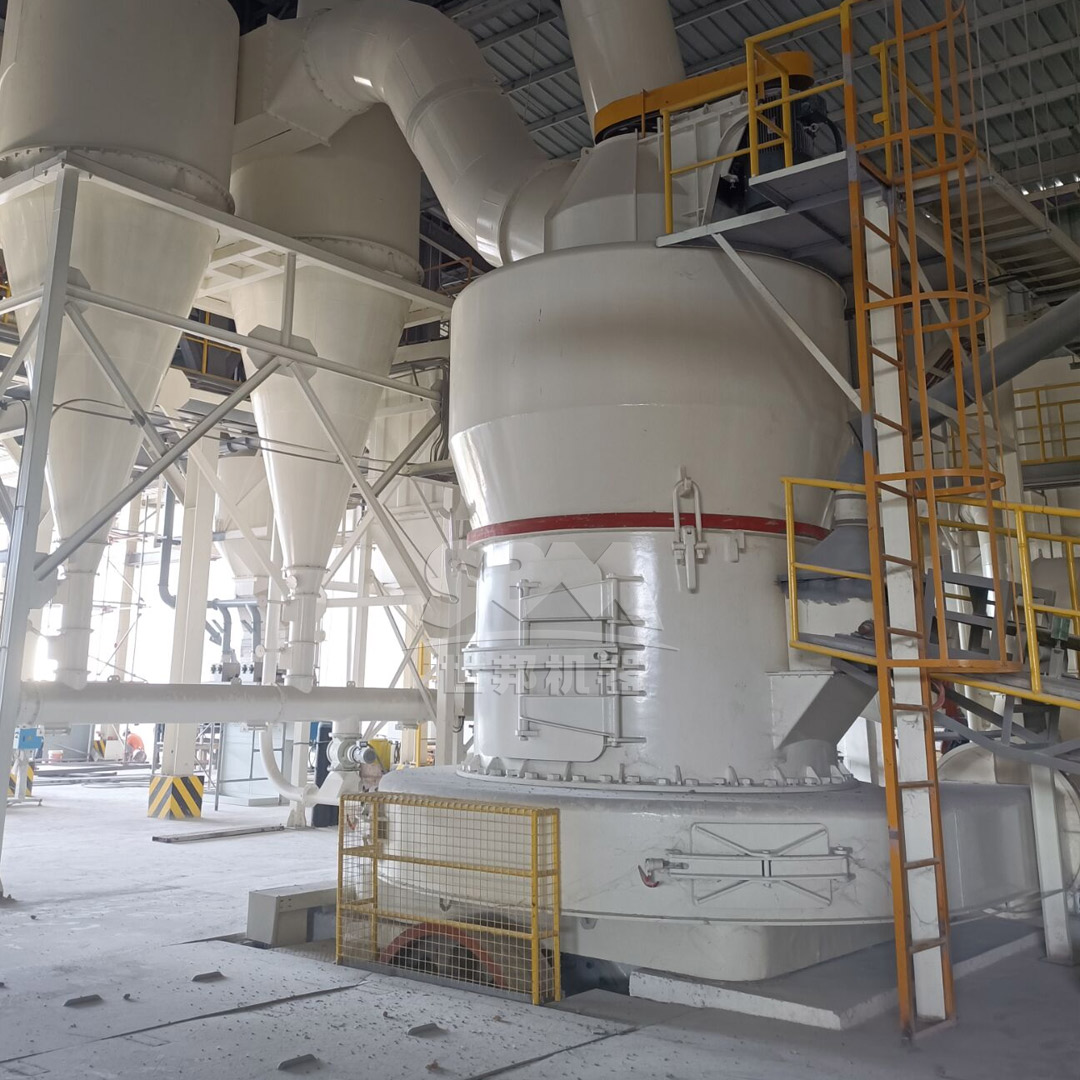
Based on extensive field experience, we recommend two flagship products for attapulgite processing:
SCM Series Ultrafine Mill: When your target fineness is above 325 mesh (below 45 μm), this mill delivers exceptional performance. Its vertical turbine classifier ensures no coarse powder mixing, and the special material rollers extend service life. For example, the SCM1250 model (2.5–14 t/h, 185 kW) is a popular choice for attapulgite catalyst carriers requiring D97 ≤ 10 μm.
MTW Series European Trapezium Mill: For coarser grinding (30–325 mesh) at higher throughputs, the MTW215G model offers 15–45 t/h capacity with feed size up to 50 mm. Its anti-wear shovel design and integral bevel gear drive reduce maintenance by 30% and energy costs by up to 20% compared to traditional Raymond mills.
Both series incorporate advanced pulse dust removal systems and intelligent control for stable, automated operation.
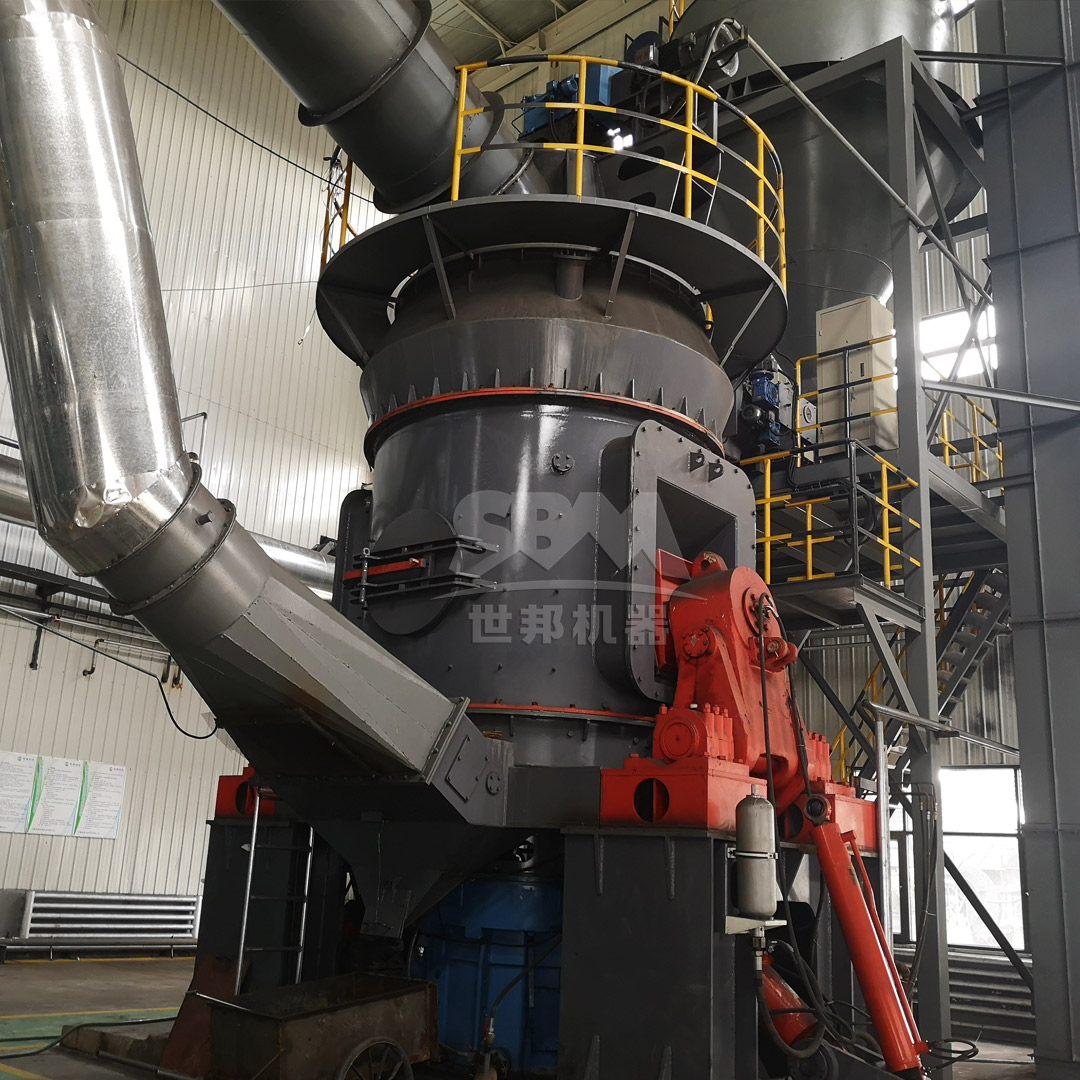
For ultra-large capacity plants (e.g., 50–250 t/h), our LM Series Vertical Roller Mill is the best option. Its integrated design cuts infrastructure costs by 40%, and the non-contact roller-table design increases wear part life threefold. The LM280K model processes 50–170 t/h of attapulgite with a fineness of 170–45 μm.
Cost Considerations and Total Cost of Ownership
Initial purchase price is only one factor. Calculate total cost of ownership (TCO) including energy consumption, wear parts, maintenance labor, and downtime. A high-efficiency mill may have a higher upfront cost but can pay for itself within 2–3 years through energy savings. For instance, our LM series consumes 30–40% less power than a ball mill system, and the SCM series cuts energy use by 30% versus jet mills. Additionally, modular design reduces maintenance hours by enabling quick roller and ring changes.
Conclusion
Choosing the best attapulgite grinding mill manufacturer requires a holistic evaluation of technology, product range, service support, and cost efficiency. Prioritize vendors with proven expertise in clay minerals, patented innovations, and a comprehensive portfolio spanning ultrafine to coarse grinding. Our SCM and MTW series mills exemplify the high performance, durability, and eco-friendly design needed for successful attapulgite processing. By partnering with a manufacturer that offers tailored solutions, rigorous testing, and reliable after-sales support, you can maximize your return on investment and maintain a competitive edge in the global market.