Quartz Sand vs Quartz Powder: Key Differences and Production Equipment Variations
Introduction: The Versatile World of Quartz
Quartz, one of the most abundant minerals on Earth, is a cornerstone of modern industry. Its applications span from construction and glassmaking to high-tech electronics and advanced composites. However, the terms “quartz sand” and “quartz powder” are often used interchangeably, leading to confusion. In reality, they represent distinct products with unique characteristics, specifications, and production pathways. This article delves into the fundamental differences between quartz sand and quartz powder, and explores the specialized equipment required to produce each, highlighting how selecting the right machinery is critical for achieving optimal product quality and operational efficiency.
Defining the Products: Sand vs. Powder
Quartz Sand
Quartz sand, also known as silica sand, is characterized by its granular form. The particle size typically ranges from 0.063 mm (63 microns) to 2.0 mm. It is primarily produced through physical processes like crushing, screening, and washing of high-purity quartz rock. The key defining feature is its grain structure; individual particles retain their crystalline shape. Its primary applications leverage its physical properties: as a foundational aggregate in concrete, mortar, and asphalt; as the main raw material for glass production (where consistent grain size is crucial); in foundries as molding sand; and in water filtration systems.
Quartz Powder
Quartz powder, in contrast, is defined by its fine or ultrafine particulate nature. The particle size distribution falls below 0.063 mm (63 microns) and can extend down to the micron (μm) and even sub-micron level (e.g., 5μm). Production requires intensive grinding and classification processes to break down the crystalline structure into a flour-like consistency. The value of quartz powder lies in its chemical purity and surface area. It is a critical functional filler and additive in paints, coatings, adhesives, and sealants to improve durability and weather resistance; in epoxy and composite materials for electronics to manage thermal expansion; in ceramics to modify body composition; and as a polishing agent in precision optics and semiconductors.
Core Differences at a Glance
- Particle Size: Sand (>63μm), Powder (<63μm, down to microns).
- Production Focus: Sand emphasizes size classification and washing; Powder emphasizes fine grinding and particle size control.
- Key Properties: Sand values grain shape, hardness, and size distribution; Powder values chemical purity, surface area, and top-cut size.
- End-Use: Sand is used for its bulk physical properties (filler, substrate); Powder is used for its chemical and surface-modifying properties.
Production Equipment Pathways
The journey from raw quartz ore to the final product diverges significantly based on the target output. The equipment selection forms the backbone of product specification and plant economics.
Primary and Secondary Crushing: The Common First Step
For both sand and powder production, the process begins with reducing large quartz rocks (≤50mm) to a smaller, manageable size. Jaw crushers and cone crushers are standard here. The critical divergence occurs in the next stage.
Pathway for Quartz Sand Production
After primary crushing, the material is directed toward shaping and sizing equipment. Impact crushers or vertical shaft impact (VSI) crushers are often used to improve grain shape (cubicity). The crushed material is then fed into vibrating screens to separate it into precise size fractions (e.g., 0.1-0.3mm, 0.3-0.6mm). Attrition scrubbers and log washers may be employed to remove impurities like clay coatings. The final sand product is a blend of classified granules, with the process emphasizing throughput and consistent grading.
Pathway for Quartz Powder Production
To produce powder, the crushed quartz must undergo intensive fine grinding. This requires mills capable of applying sustained mechanical force to reduce particles to micron sizes. The choice of mill depends heavily on the target fineness, capacity, and energy efficiency goals.
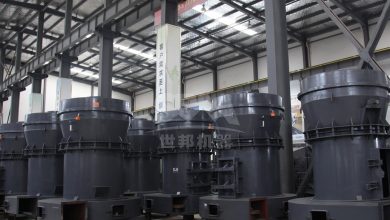
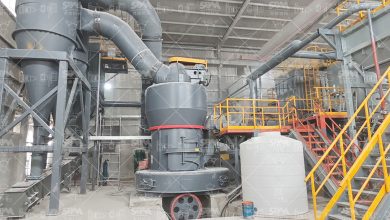
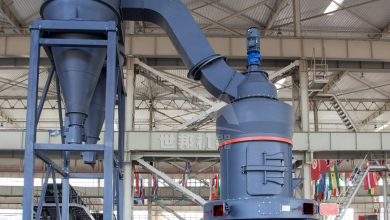
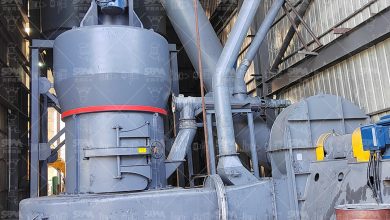
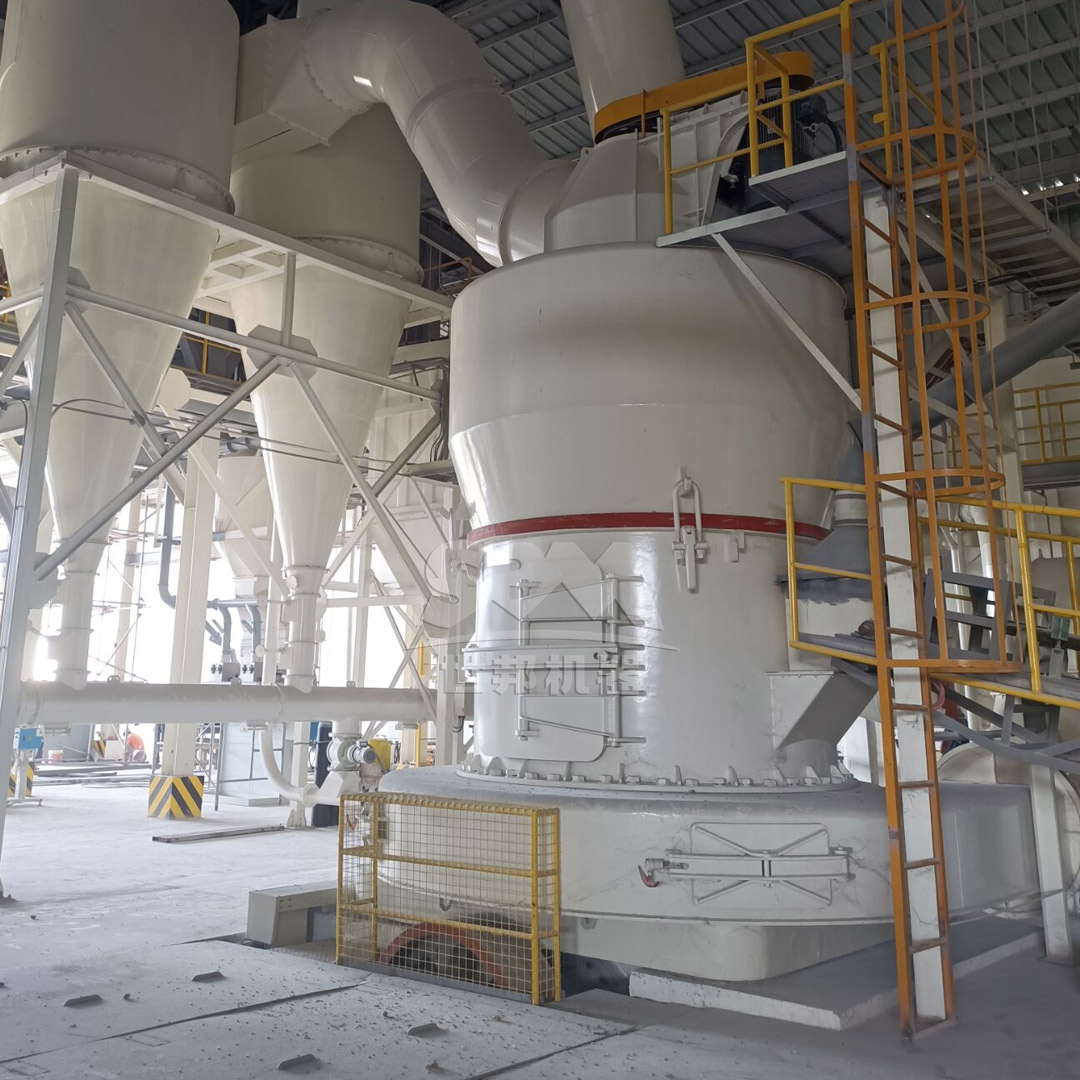
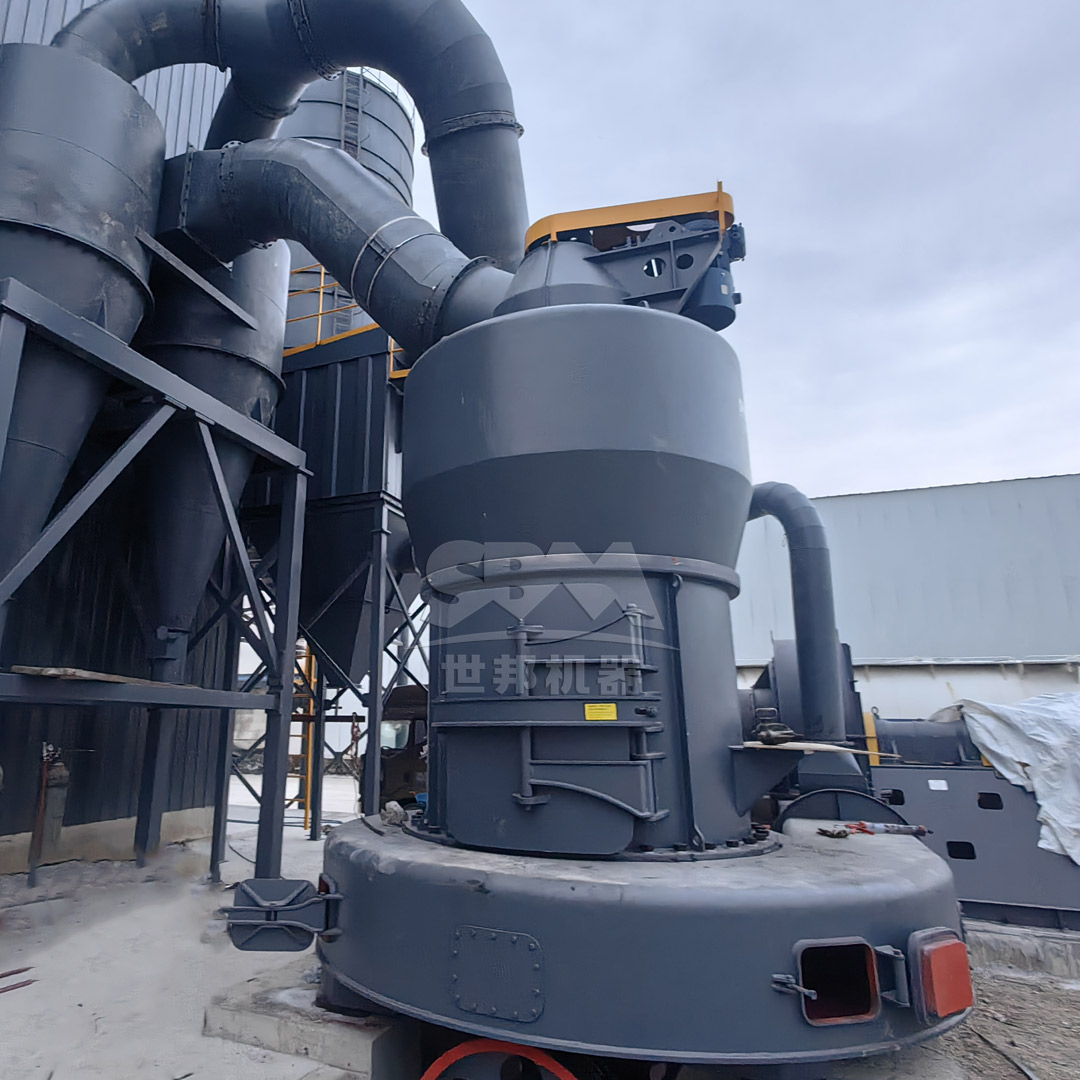
- For Coarse to Medium Powder (45-325 mesh / 600-45μm): Grinding systems that combine crushing and grinding forces are ideal. Our MTW Series European Trapezium Mill excels in this range. Its anti-wear shovel design and optimized arc air duct ensure efficient processing of quartz feed up to 50mm into a consistent powder between 30-325 mesh. With capacities from 3 to 45 tons per hour and an integral bevel gear drive offering 98% transmission efficiency, it provides a robust and cost-effective solution for high-volume powder production in this fineness spectrum.
- For Fine to Ultrafine Powder (325-2500 mesh / 45-5μm): Achieving these ultrafine specifications demands specialized milling technology with precise classification. For this application, we highly recommend our flagship SCM Series Ultrafine Mill. Engineered for high efficiency, it offers capacity twice that of jet mills while consuming 30% less energy. Its vertical turbine classifier ensures precise particle size cutting with no coarse powder mixing, guaranteeing a uniform product from 325 to 2500 mesh. Models like the SCM1250 (2.5-14t/h) are perfectly suited for producing high-value, superfine quartz powder for premium industrial applications.
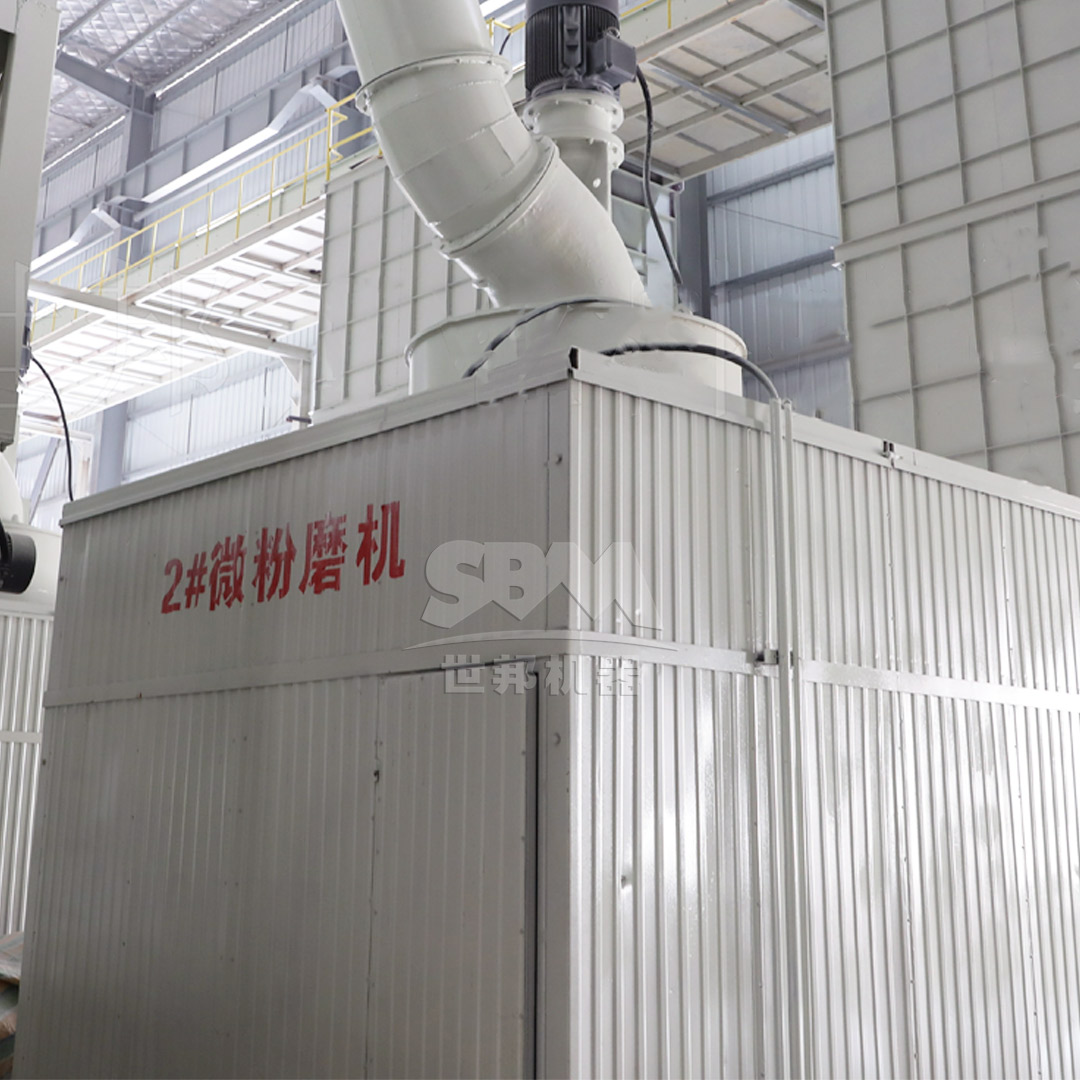
Following the grinding mill, a highly efficient classification system (often integrated, like in the SCM and MTW mills) is non-negotiable. It separates the qualified fine powder from oversize material, which is recirculated for further grinding. Finally, a pulse-jet baghouse dust collector captures the finished powder, ensuring a clean production environment and high product yield.
Conclusion: Aligning Product Goals with Precision Engineering
Understanding the clear distinction between quartz sand and quartz powder is the first step toward a successful operation. The second, and equally critical step, is investing in the correct production technology. Sand production lines prioritize robust crushing, shaping, and screening. Powder production lines are centered on advanced, energy-efficient grinding and ultra-precise classification. For producers aiming to supply the growing markets for high-purity functional fillers and advanced materials, selecting a mill like the SCM Series Ultrafine Mill for ultrafine grades or the MTW Series European Trapezium Mill for coarser powders is an investment in product quality, operational efficiency, and long-term competitiveness. By matching your target product specifications with the engineered capabilities of the right equipment, you can optimize your quartz processing plant for maximum performance and profitability.