Graphitized Petroleum Coke: Key Applications and Industrial Uses
Introduction to Graphitized Petroleum Coke
Graphitized Petroleum Coke (GPC) is a high-purity, high-carbon material produced by heating high-quality petroleum coke to temperatures typically between 2500°C and 3000°C in an inert atmosphere. This process, known as graphitization, transforms the disordered carbon structure into a highly ordered crystalline graphite lattice. The resulting material exhibits exceptional properties such as high electrical and thermal conductivity, excellent chemical stability, low thermal expansion, and superior mechanical strength at elevated temperatures. These characteristics make GPC an indispensable material in several high-tech and heavy industries.
The quality and performance of GPC in its final applications are critically dependent on its particle size distribution, purity, and crystallinity. Precise and efficient grinding is therefore not merely a processing step but a fundamental determinant of product value. The choice of grinding technology directly impacts the conductivity, density, and reactivity of the GPC powder, influencing the performance of everything from lithium-ion batteries to steel furnaces.
Production and Processing of GPC
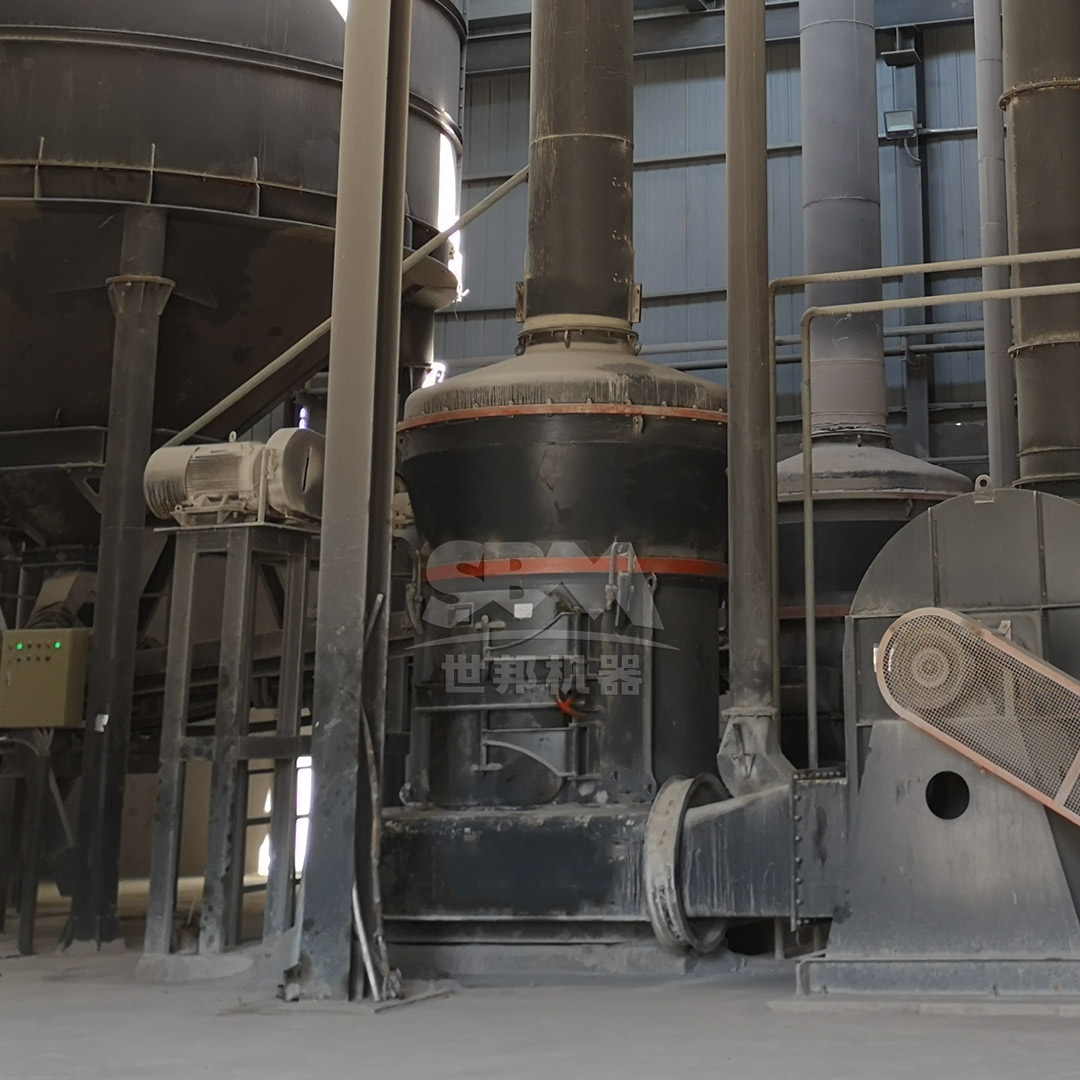
The journey from raw petroleum coke to premium GPC involves calcination to remove volatiles, followed by the high-temperature graphitization treatment. The graphitized material is then crushed and meticulously ground to meet specific particle size specifications. This grinding stage is crucial. Coarse particles may lead to inconsistent product quality, while excessive fines can be wasteful and pose handling challenges. Advanced milling systems capable of delivering tightly controlled particle size distributions (PSD) with high throughput and energy efficiency are paramount.
For primary and secondary crushing of large GPC pieces post-graphitization, robust equipment like Hammer Mills or Jaw Crushers are typically employed. However, for the precise fine and ultra-fine grinding required by most advanced applications, more sophisticated technologies are necessary. This is where the selection of grinding equipment becomes a strategic decision.
Primary Industrial Applications of Graphitized Petroleum Coke
1. Aluminum Smelting and Carbon Anodes
This remains one of the largest volume applications for GPC. In the Hall-Héroult process for aluminum production, carbon anodes are consumed during electrolysis. GPC is a key component in the anode paste due to its excellent electrical conductivity and thermal shock resistance. The fineness of the GPC powder affects the anode’s density, reactivity, and overall consumption rate. Consistent, medium-fine powders are essential for producing homogeneous, high-performance anodes that reduce energy consumption and operational costs in smelters.
2. Lithium-Ion Battery Anodes
GPC serves as a critical conductive additive and active material in the anodes of lithium-ion batteries. Its high electrical conductivity enhances electron transport within the electrode, while its graphitic structure can, in some formulations, intercalate lithium ions. For this application, ultra-fine GPC powders (often in the range of 10-25 microns or D50 < 20μm) with high purity and specific surface area are required. The grinding process must avoid introducing metallic impurities and must achieve a very narrow PSD to ensure uniform electrode coating and optimal battery performance, including fast charging capability and long cycle life.
3. Refractories and Foundry Additives
In steelmaking and foundry operations, GPC is used as a carbon raiser to increase the carbon content in molten iron and steel. It is also a vital component in magnesia-carbon (MgO-C) and alumina-carbon (Al2O3-C) refractories lining furnaces and ladles. In these demanding environments, GPC’s high thermal conductivity, low reactivity with slag, and volume stability at extreme temperatures protect the refractory structure. The particle size distribution of GPC in refractories is carefully engineered, often requiring a mix of coarse and fine fractions to achieve optimal packing density and thermal properties.
4. Advanced Conductive Composites and Polymers
GPC powders are incorporated into polymers, coatings, and composites to impart electrical conductivity for applications such as electrostatic discharge (ESD) protection, electromagnetic interference (EMI) shielding, and conductive adhesives. The effectiveness of GPC in these composites is highly dependent on its ability to form a percolating network at low loading levels, which is influenced by particle shape, size, and surface characteristics achieved during grinding.
5. Other Specialized Applications
Other uses include brake linings (for thermal stability and friction modulation), precision machining electrodes for electrical discharge machining (EDM), and as a recarburizer in specialty alloy production. Each application demands specific GPC specifications, underscoring the need for versatile and precise size reduction solutions.
The Critical Role of Precision Grinding Equipment
Given the diverse and stringent requirements across these industries, the grinding equipment for GPC must be more than just a pulverizer. It must be a precision processing system. Key requirements include:
- Precise Particle Size Control: Ability to produce a consistent target fineness, from coarse granules (e.g., 30 mesh / 600μm) for refractories to superfine powders (e.g., 2500 mesh / 5μm) for batteries.
- High Classification Efficiency: Integrated, high-precision classifiers to ensure no oversized particles contaminate the final product and to maximize yield.
- Contamination-Free Operation: Construction with wear-resistant materials and designs that minimize metallic wear and tear, preserving the purity of the GPC.
- Energy Efficiency: Grinding is an energy-intensive process. Modern mills must offer high throughput with lower specific energy consumption (kWh/ton).
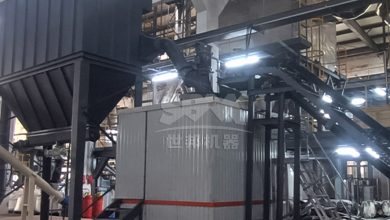
- System Integration & Automation: Features like automatic fineness feedback, remote monitoring, and integrated dust collection for a clean, stable, and efficient production line.
Recommended Grinding Solutions for Graphitized Petroleum Coke
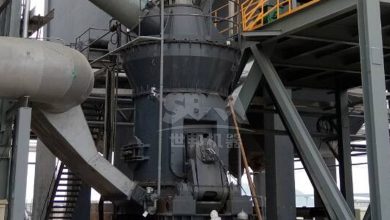
Based on the multifaceted demands of GPC processing, we recommend our advanced grinding mills, which are engineered to excel in the production of high-value carbon materials.
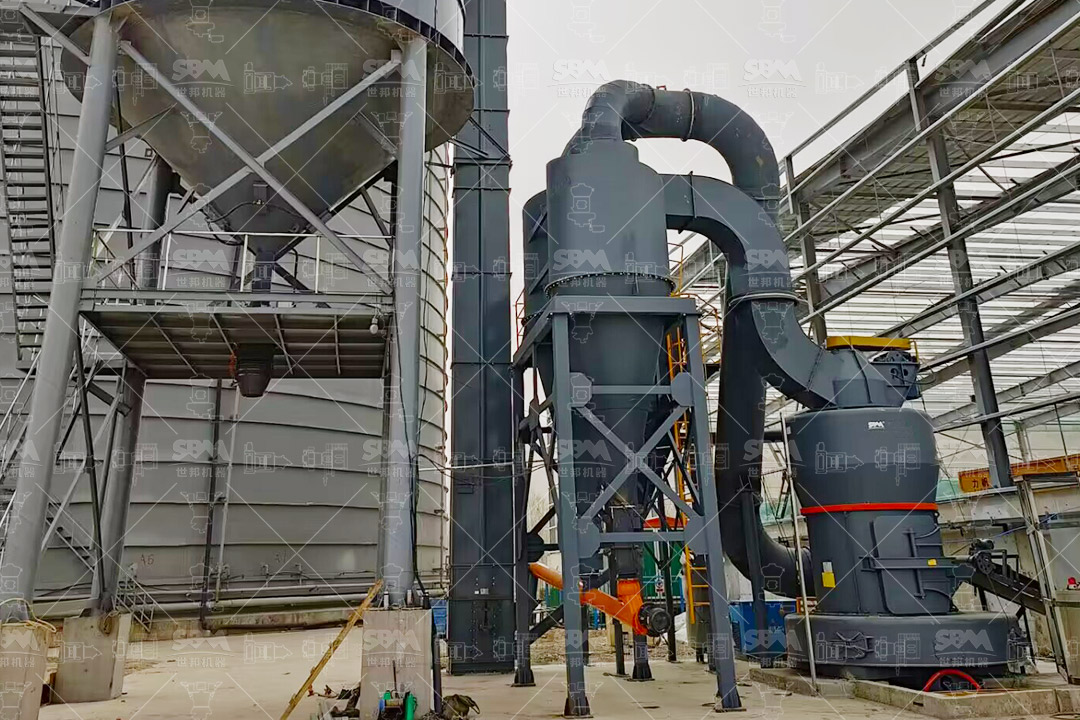
For Ultra-Fine Grinding (e.g., Battery Anodes, Conductive Additives): SCM Series Ultrafine Mill
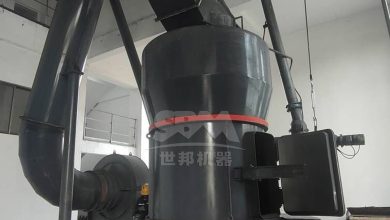
When the application calls for ultra-fine powders in the range of 325 to 2500 mesh (45 to 5 microns), our SCM Series Ultrafine Mill is the ideal solution. This mill is specifically designed for high-value, precision grinding.
Its vertical turbine classifier provides exceptional cutting sharpness, ensuring a uniform finished product without coarse powder mixing—a critical factor for battery-grade materials. The mill operates on a layer-by-layer grinding principle with special material rollers and rings, offering durability that extends service life significantly. Furthermore, its high efficiency translates to energy savings of approximately 30% compared to traditional jet mills, while its integrated pulse dust collection system guarantees an environmentally friendly operation with dust collection efficiency exceeding international standards. With models like the SCM1000 offering capacities from 1.0 to 8.5 tons per hour and the ability to handle feed sizes up to 20mm, it provides a reliable and efficient solution for producing premium ultra-fine GPC.
For High-Capacity Fine Grinding (e.g., Carbon Raisers, Anode Paste): MTW Series European Trapezium Mill
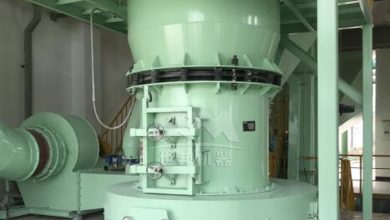
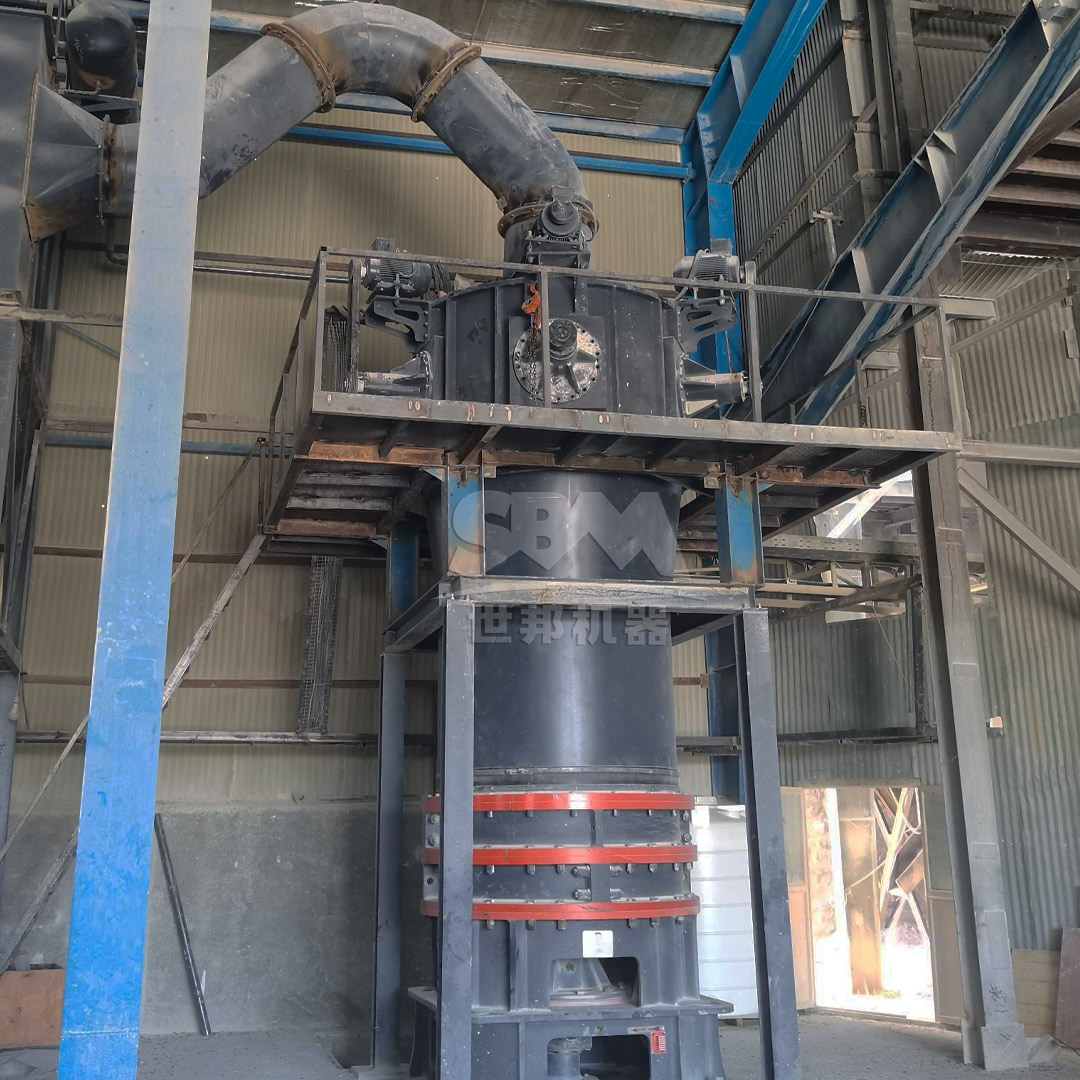
For applications requiring high-volume production of fine GPC powders in the 30 to 325 mesh (600 to 45μm) range, such as for aluminum anode paste or foundry carbon raisers, our MTW Series European Trapezium Mill offers an outstanding balance of capacity, efficiency, and reliability.
This mill features an innovative, wear-resistant combined shovel design that feeds material optimally between the grinding rollers and ring, reducing maintenance costs. Its integral bevel gear drive achieves a remarkable 98% transmission efficiency, saving energy and space. The optimized arc air duct and wear-resistant volute structure minimize energy loss and improve overall system stability. Models such as the MTW215G can process feed material up to 50mm in size and deliver impressive capacities ranging from 15 to 45 tons per hour, making it perfectly suited for large-scale industrial production lines where consistent quality and high throughput are paramount.
Conclusion
Graphitized Petroleum Coke is a cornerstone material enabling advancements in energy storage, metallurgy, and advanced manufacturing. Its value is fully realized only when processed to exacting particle specifications. Investing in advanced, purpose-built grinding technology is not an operational cost but a strategic necessity to ensure product quality, optimize production economics, and meet the evolving demands of end-use industries. By selecting the appropriate grinding system—such as the ultra-fine precision of the SCM Series or the high-capacity efficiency of the MTW Series—producers can consistently deliver high-performance GPC that meets the rigorous standards of the global market.