How to Choose the Best Glass Fiber Grinding Mill Equipment Manufacturer
Selecting the right grinding mill equipment for glass fiber production is a critical decision that directly impacts product quality, operational efficiency, and long-term profitability. The process involves navigating a complex landscape of technical specifications, material science, and supplier capabilities. This comprehensive guide outlines the key factors to consider when choosing a manufacturer, ensuring you make an informed investment that aligns with your production goals.
Understanding the Grinding Requirements for Glass Fiber
Glass fiber, or fiberglass, requires precise particle size control to achieve the desired properties in composite materials, insulation, or reinforcement applications. The grinding process must transform raw glass cullet or pre-formed fibers into a fine, consistent powder without introducing impurities or excessive heat that could alter the glass’s chemical structure. The target fineness typically ranges from coarse granules (several millimeters) for some insulation products to ultrafine powders (below 45 microns or 325 mesh) for high-performance composites. A manufacturer must understand these specific material characteristics—including hardness, brittleness, and abrasiveness—to recommend suitable technology.
Key Technical Considerations in Equipment Selection
When evaluating grinding mills, several technical parameters are non-negotiable:
- Fineness Range and Control: The equipment must reliably and consistently achieve your target particle size distribution. Look for mills with advanced, adjustable classification systems.
- Capacity and Throughput: Match the mill’s hourly output with your production volume requirements, considering both current needs and future scalability.
- Energy Efficiency: Grinding is energy-intensive. Superior designs minimize specific energy consumption (kWh/ton), significantly reducing operational costs.
- Wear Resistance and Maintenance: Glass is highly abrasive. Critical components like rollers, rings, and liners must be made from special, hardened materials to ensure long service life and low maintenance downtime.
- System Integration and Automation: A well-designed system integrates feeding, grinding, classification, and collection seamlessly. Intelligent control systems automate operation and ensure stable product quality.
Evaluating Manufacturer Expertise and Reliability
Beyond the machine’s specs, the manufacturer’s pedigree is paramount.
1. Proven Experience with Abrasive Materials
Not all mill manufacturers have experience with materials as demanding as glass. Seek out suppliers with a documented history of successful installations in the glass, ceramics, or mineral processing industries. They will understand the unique challenges of preventing contamination and managing wear.
2. Comprehensive Product Portfolio and Customization
A top-tier manufacturer offers a range of technologies to suit different stages and fineness requirements. For instance, primary crushing of glass cullet might require a hammer mill, while producing ultrafine glass powder for composites demands a more sophisticated solution. The ability to customize standard models to your specific plant layout and process flow is a significant advantage.
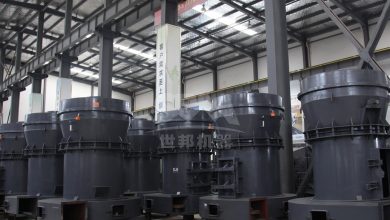
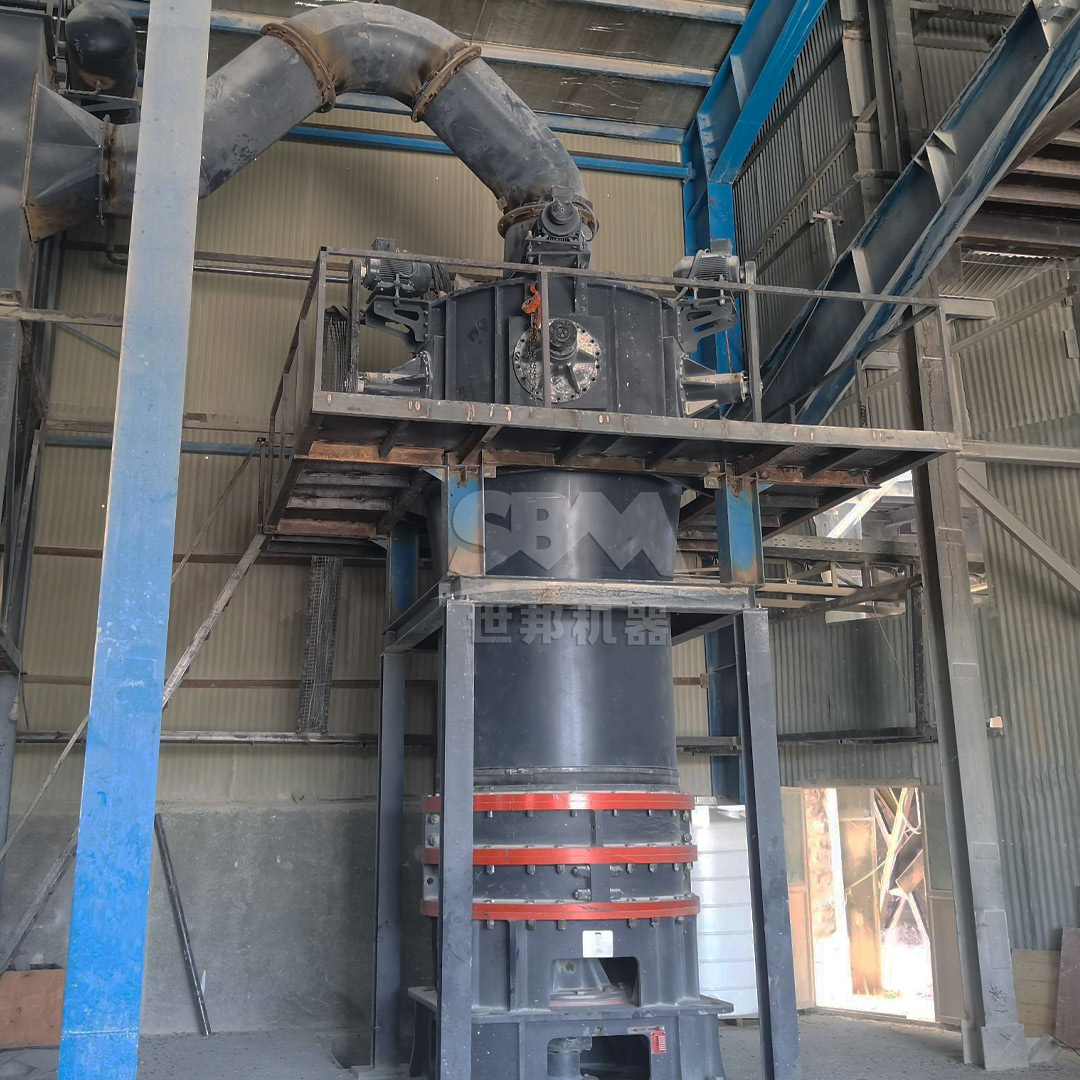
For the critical stage of producing high-purity, ultrafine glass powder (325-2500 mesh), the SCM Series Ultrafine Mill stands out as an exemplary solution. Engineered for high efficiency and precision, it features a vertical turbine classifier that ensures precise particle size cuts with no coarse powder mixing. Its special material rollers and rings are specifically designed to withstand the abrasiveness of glass, extending service life several times over. With a capacity range of 0.5 to 25 tons per hour and energy consumption up to 30% lower than traditional jet mills, it represents a balance of performance and operational economy ideal for advanced glass fiber processing.
3. Research, Development, and Patent Leadership
Investigate the manufacturer’s commitment to R&D. Companies that hold patents for grinding, classification, or dust collection technologies are often innovators, continuously improving their equipment’s performance, durability, and environmental footprint.
4. After-Sales Support and Global Service Network
The relationship begins after purchase. Reliable manufacturers provide extensive after-sales support, including installation supervision, operator training, readily available spare parts, and responsive technical service. A global network ensures support is available wherever your operation is located.
Critical Decision Factors: A Comparative Analysis
For different fineness goals in glass fiber production, different mill types are applicable. Here’s a brief comparison:
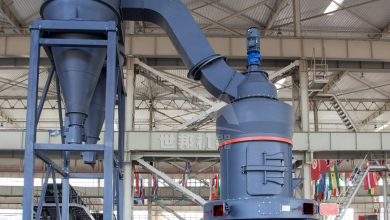
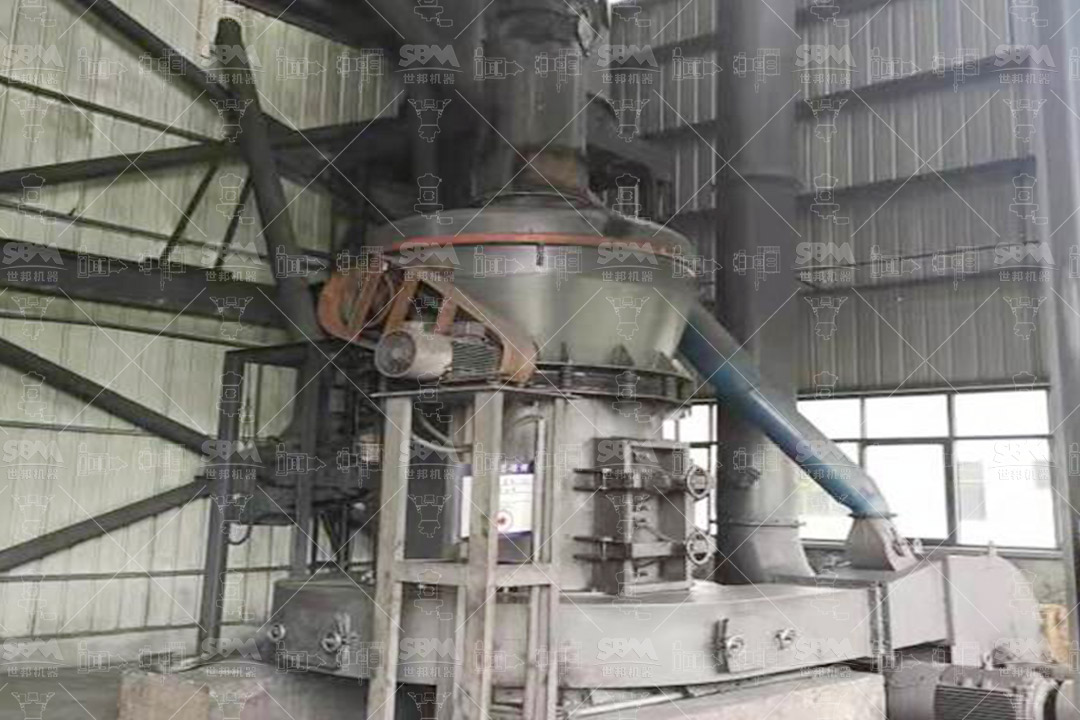
- For Coarse to Medium Grinding (600-45μm / 30-325 mesh): Raymond-style pendulum mills or European-type trapezium mills are common. Here, the MTW Series European Trapezium Mill is a robust choice. Its anti-wear shovel design and optimized arc air duct are particularly beneficial for handling glass. The integral bevel gear drive offers 98% transmission efficiency, saving energy, while its wear-resistant volute structure reduces long-term maintenance costs by an estimated 30%. With capacities from 3 to 45 tons per hour, it is perfectly suited for high-volume production of glass fiber intermediates.
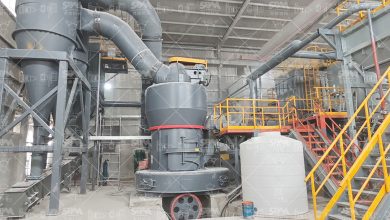
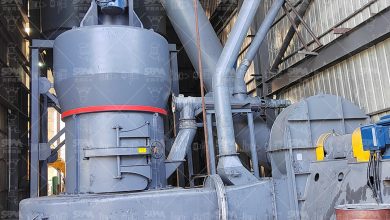
- For Fine to Ultrafine Grinding (45-5μm / 325-2500 mesh and beyond): Vertical roller mills (like the LM Series) and specialized ultrafine mills (like the SCM Series) are necessary. They offer integrated grinding and classification with superior energy efficiency.
- For Large-Scale, Integrated Processing: Vertical roller mills (LM Series) offer an integrated design that crushes, grinds, dries, and classifies in a single unit, reducing footprint and infrastructure costs by up to 50% and 40% respectively.
The Importance of Environmental and Safety Compliance
Modern grinding systems must be environmentally sound. Glass grinding can generate dust, which poses health and safety risks. Ensure the manufacturer’s equipment includes high-efficiency pulse dust collection systems (exceeding 99.9% efficiency) and features fully sealed, negative-pressure operation to prevent dust leakage. Low-noise designs, often incorporating soundproof rooms, are also essential for protecting workers and meeting regulatory standards.
Conclusion: Partnering for Long-Term Success
Choosing the best glass fiber grinding mill manufacturer is not merely a procurement exercise; it is forming a strategic partnership for your production future. The ideal partner combines deep technical expertise in abrasive material processing with a robust and innovative product line, proven by industry experience. They should offer scalable solutions—from the high-capacity MTW Series for intermediate grinding to the precision-focused SCM Series Ultrafine Mill for final processing—backed by unwavering global support. By meticulously evaluating manufacturers against these criteria, you invest not just in a machine, but in the reliability, quality, and efficiency of your glass fiber production line for years to come.