4R3220 Raymond Mill: What is the Hourly Output for Grinding Activated Carbon?
Introduction
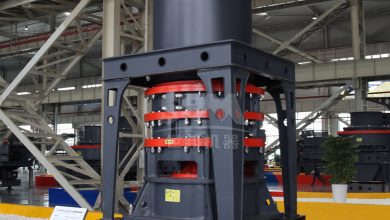
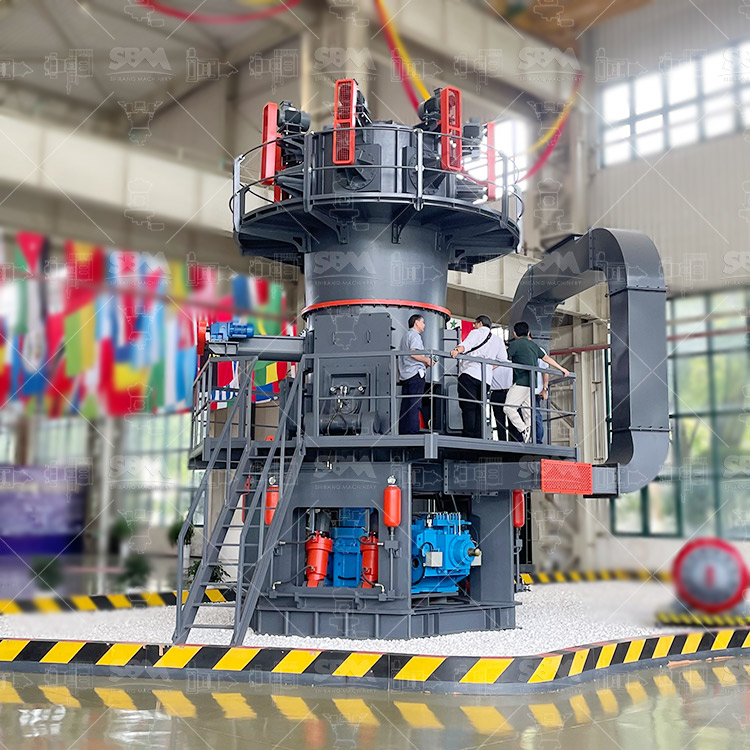
The 4R3220 Raymond Mill (also known as a pendulum roller mill) has long been a staple in the mineral processing industry for medium-fine grinding applications. Its robust design and proven technology make it a common choice for processing various non-metallic minerals, including activated carbon. Activated carbon, prized for its high surface area and adsorption properties, requires careful grinding to achieve the desired particle size distribution without compromising its porous structure. A frequent and critical question from operators and plant managers is: What is the hourly output of a 4R3220 Raymond Mill when grinding activated carbon? This article delves into the factors influencing this output and explores modern, high-efficiency alternatives.
Understanding the 4R3220 Raymond Mill Specifications
The “4R” designation indicates the mill has four grinding rollers. The “3220” typically refers to the diameter (approximately 320mm) and height (approximately 200mm) of the grinding ring. This is a medium-sized mill with a main motor power usually ranging from 37kW to 45kW. Its theoretical fineness range is generally between 80 to 325 mesh (180-45μm). For activated carbon grinding, the target fineness often falls between 100 and 325 mesh, depending on the final application (water purification, air filters, etc.).
Key Factors Affecting Hourly Output
The output is not a fixed number but a variable influenced by several interconnected factors:
1. Feed Material Characteristics
- Moisture Content: Activated carbon with high moisture can clog the grinding chamber and air system, significantly reducing throughput. Ideal feed moisture should be below 6%.
- Hardness & Abrasiveness: While activated carbon is not extremely hard, its abrasive nature can accelerate wear on rollers and rings, gradually reducing grinding efficiency and output if maintenance is delayed.
- Input Size: The mill is designed for a maximum feed size, usually around 20-30mm. Consistently feeding larger chunks will force the machine to work harder, lowering the effective output.
2. Target Product Fineness
This is the most significant determinant. There is an inverse relationship between fineness and output.
- Coarser Grinding (e.g., 100-200 mesh): Higher throughput is achievable. A 4R3220 mill might produce 1.5 to 2.5 tons per hour.
- Finer Grinding (e.g., 300-325 mesh): Achieving this requires more grinding cycles and stricter internal classification, drastically reducing output. The capacity could drop to 0.8 to 1.5 tons per hour, or even lower.
3. System Configuration and Maintenance
- Classifier Efficiency: The built-in or external centrifugal classifier is crucial for separating fine particles. An inefficient classifier allows coarse particles to leave prematurely, forcing recirculation and wasting capacity, or lets fine particles cycle back, causing over-grinding.
- Wear Condition: Worn rollers and grinding rings reduce contact pressure and grinding efficiency, leading to a steady decline in output over time.
- Airflow & Dust Collection: A balanced and powerful air system is essential to transport and collect the fine powder. Insufficient airflow can cause material buildup and heat generation, throttling production.
The Limitations of Traditional 4R3220 Mills for Modern Demands
While reliable, the traditional 4R3220 design presents challenges for high-volume, fine grinding of activated carbon:
- Energy Intensity: The rolling and crushing mechanism can be less energy-efficient compared to modern bed-grinding or impact-grinding principles.
- Limited Fineness Range: Pushing beyond 325 mesh is often impractical and extremely inefficient on a standard 4R3220.
- Higher Wear Rates: Direct metal-to-metal contact in the grinding zone leads to higher consumption of wear parts when processing abrasive materials.
- Lower System Integration: Traditional setups often involve separate components for crushing, grinding, classifying, and collecting, requiring more space and complex coordination.
Modern High-Efficiency Alternatives for Activated Carbon Grinding
To overcome these limitations and achieve higher output, better energy efficiency, and more precise particle control, advanced milling technologies have been developed. For operations looking to upgrade from or supplement their 4R3220 mills, we highly recommend considering our next-generation grinding solutions.
Recommended Solution 1: SCM Series Ultrafine Mill
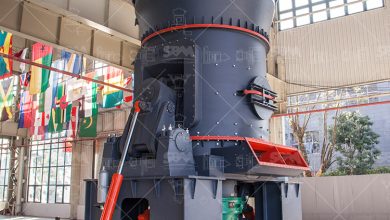
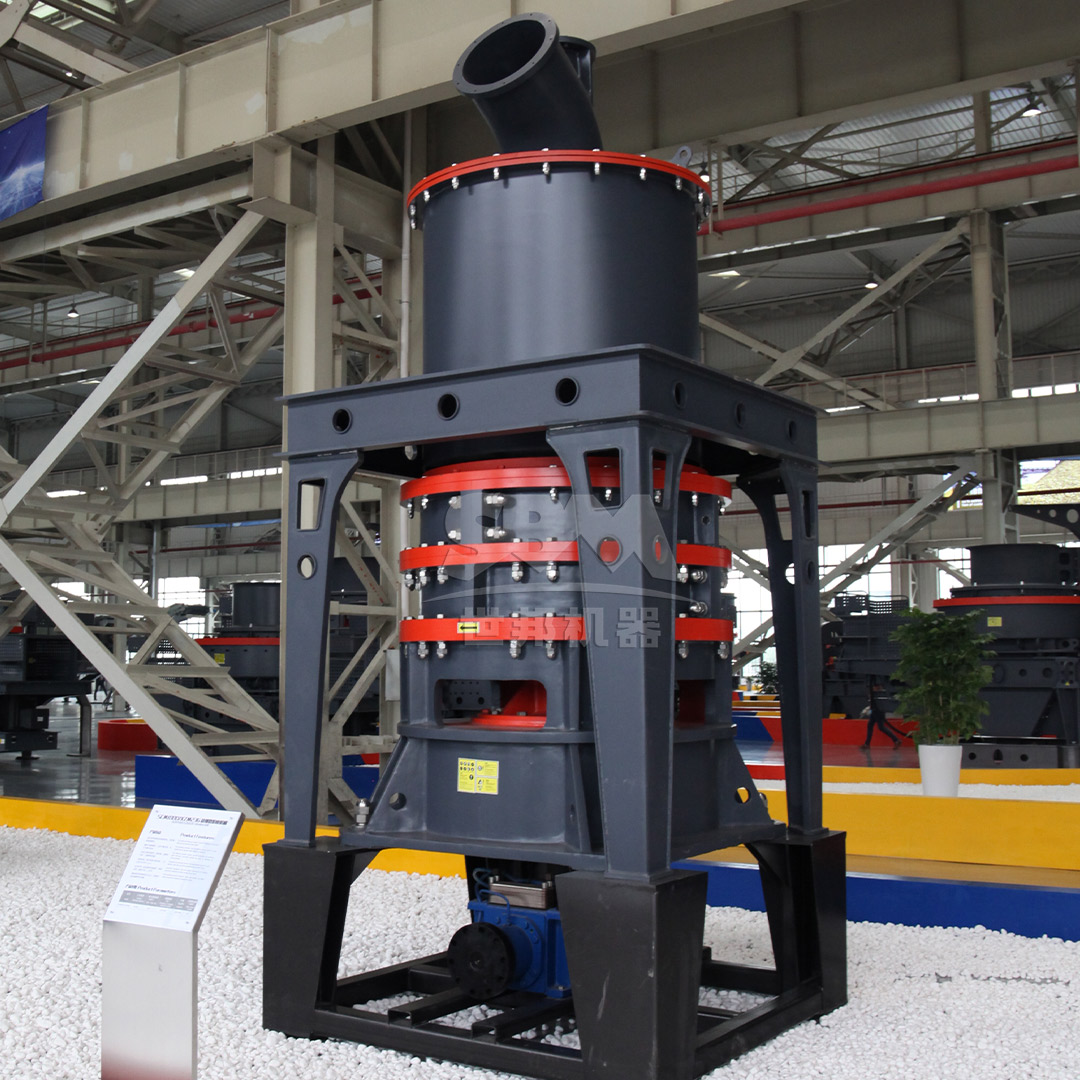
For projects requiring very fine activated carbon powder (325-2500 mesh) with high purity and uniform particle size, our SCM Series Ultrafine Mill is the ideal choice. It represents a significant leap forward from traditional pendulum mills.
Why it excels for activated carbon:
- Superior Fineness & Output: With an output fineness range of 325-2500 mesh (5μm), it can easily meet stringent specifications. Models like the SCM800 offer a capacity of 0.5-4.5 t/h, making it a powerful replacement for a 4R3220 in fine-grinding applications, often with higher throughput at equivalent fineness.
- High-Precision Classification: Its vertical turbine classifier ensures precise particle size cuts, eliminating coarse powder mixing. This results in a more uniform and higher-quality activated carbon product, crucial for consistent adsorption performance.
- Energy Efficiency: The grinding principle offers capacity that is twice that of jet mills while consuming 30% less energy, providing excellent operational economics.
- Durability & Clean Operation: Special material rollers and rings extend service life, while the pulse dust collection system ensures a clean working environment with efficiency exceeding international standards.
Recommended Solution 2: MTW Series European Trapezium Mill
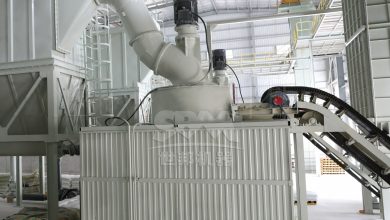
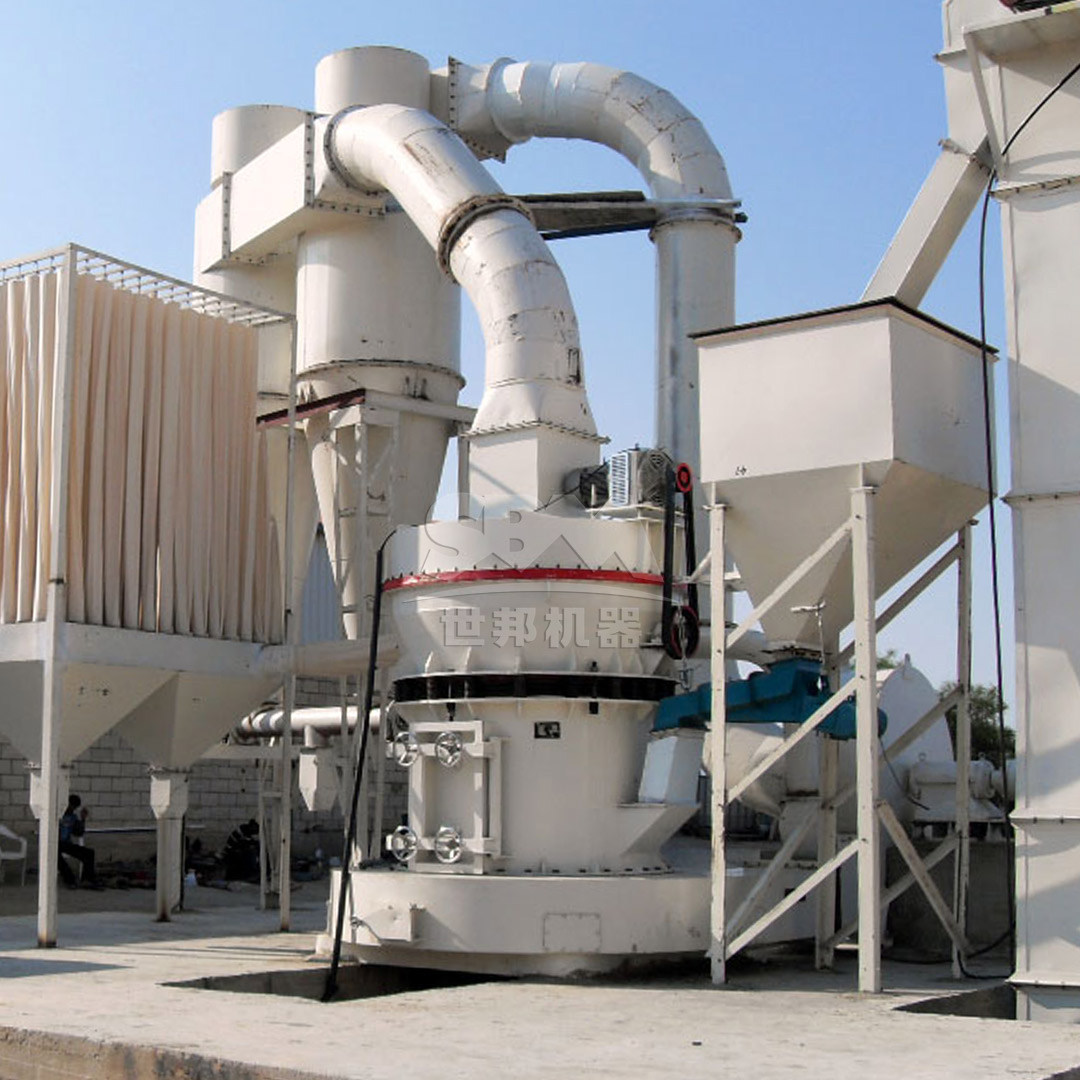
For large-scale production of activated carbon in the coarse to medium-fine range (30-325 mesh) where high hourly output is the primary goal, our MTW Series European Trapezium Mill is the optimal workhorse.
Why it excels for activated carbon:
- High Capacity: Designed for volume, models like the MTW215G can achieve a remarkable capacity of 15-45 tons per hour, far surpassing any traditional 4R3220 setup.
- Advanced Wear Protection: The curved shovel blade design and wear-resistant volute structure are specifically engineered to handle slightly abrasive materials like activated carbon, reducing maintenance frequency and cost by up to 30%.
- Efficient Drive System: The integral bevel gear drive has a transmission efficiency of up to 98%, ensuring more power is directed to grinding rather than being lost in mechanical transmission.
- Stable Particle Size: The optimized arc air duct and efficient classifier work together to produce a stable and controllable product size, essential for consistent batch quality in large-scale operations.
Conclusion: Maximizing Your Activated Carbon Output
The hourly output of a 4R3220 Raymond Mill for grinding activated carbon is a complex result of material properties, desired fineness, and machine condition, typically ranging from 0.8 to 2.5 tons per hour. While it remains a viable option for certain small to medium-scale operations, its limitations in efficiency, fineness, and wear management are evident.
For businesses aiming to scale up production, improve product quality, and reduce long-term operating costs, transitioning to modern milling technology is a strategic investment. Our SCM Series Ultrafine Mill and MTW Series European Trapezium Mill offer tailored solutions that directly address the challenges of activated carbon processing, providing higher output, superior precision, and greater reliability. We recommend a detailed consultation with our technical team to analyze your specific requirements and determine the optimal mill configuration to maximize your productivity and profitability.