How to Grind Granular Activated Carbon with Raymond Mill?
Introduction to Activated Carbon Grinding
Granular Activated Carbon (GAC) is a highly porous material widely used in water purification, air filtration, gas purification, gold recovery, and various chemical processes. Its effectiveness is often dependent on its surface area and particle size distribution. For many advanced applications, such as catalyst support or high-efficiency adsorption, the raw granular material must be ground into a fine or even ultrafine powder to maximize its specific surface area. This is where industrial milling equipment, particularly Raymond Mill (or pendulum roller mill) technology and its modern derivatives, becomes crucial.
Grinding GAC presents unique challenges. It is an abrasive material that can cause significant wear on grinding components. Its granular nature requires efficient size reduction, and the final product often needs a very tight particle size distribution. Furthermore, the grinding process must be efficient and controllable to maintain the carbon’s porous structure without causing excessive degradation or introducing impurities.
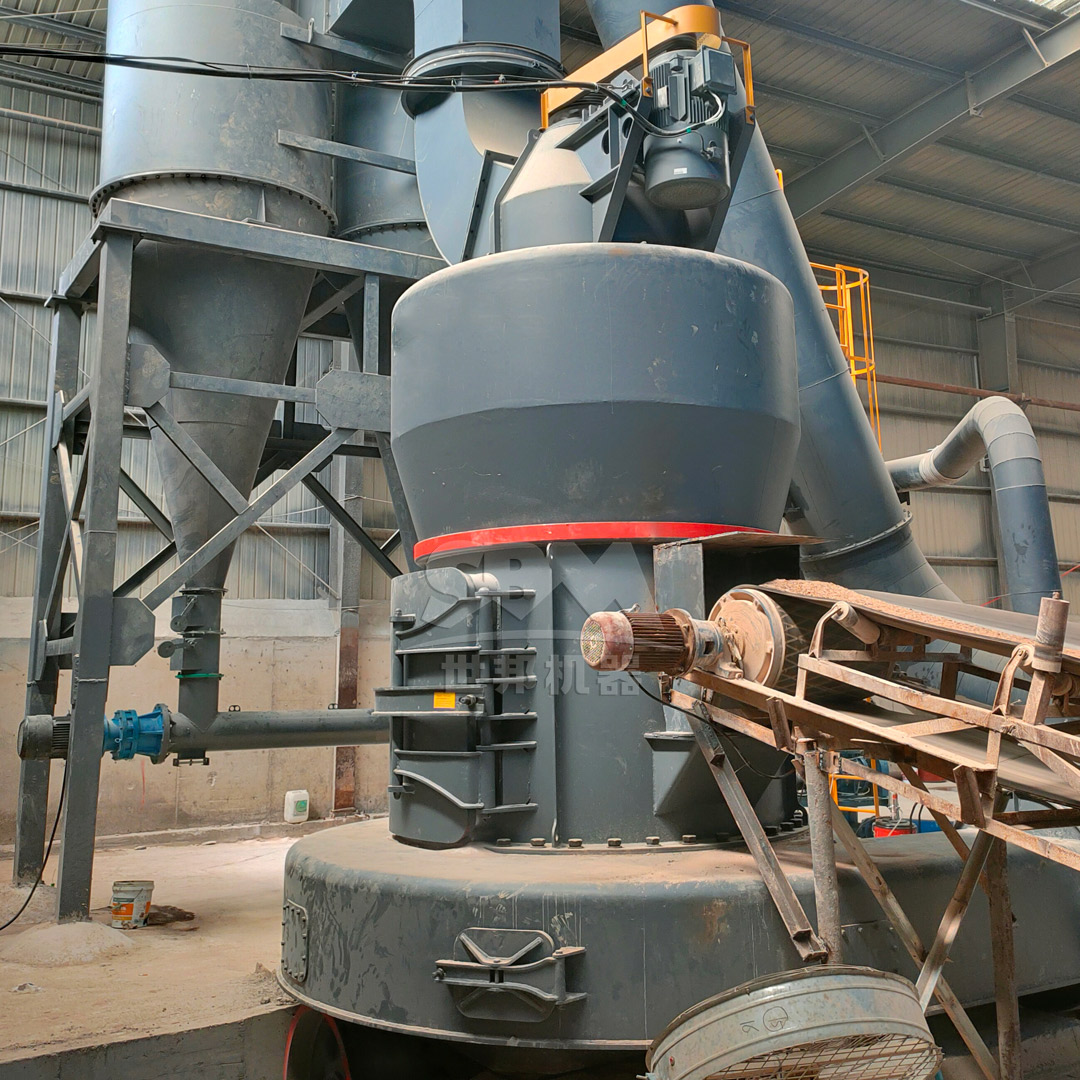
Understanding Raymond Mill Technology for Carbon Grinding
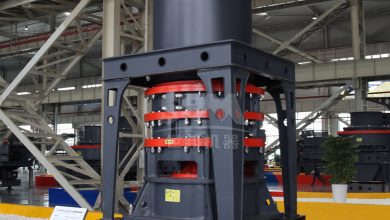
The traditional Raymond Mill, a type of pendulum roller mill, operates on the principle of centrifugal force. The main shaft rotates, causing the grinding rollers to swing outward and press against the inner surface of a stationary grinding ring. Feed material is shoveled into the grinding zone between the rollers and the ring, where it is crushed and ground. A built-in classifier allows for control over the final product fineness by returning oversized particles for further grinding.
For activated carbon, this technology offers several benefits: relatively low heat generation (important for temperature-sensitive materials), good control over particle size, and a dry grinding process that preserves the carbon’s properties. However, traditional designs may struggle with the abrasiveness of GAC, leading to high maintenance costs for rollers and rings, and may have limitations in achieving very fine (sub-45μm) powders efficiently.
Key Process Considerations
- Feed Size: GAC feedstock should ideally be pre-crushed to ≤20mm for most efficient operation in Raymond-type mills.
- Moisture Content: The material should be dry (typically <2% moisture) to prevent clogging and ensure efficient grinding and classification.
- Product Fineness Target: Determine the required mesh size (e.g., 200 mesh, 325 mesh, or even finer for ultrafine applications).
- System Sealing & Dedusting: Activated carbon dust is a nuisance and health hazard. A fully sealed negative-pressure system with an efficient pulse dust collector is non-negotiable.
Selecting the Right Mill for Granular Activated Carbon
While the term “Raymond Mill” is often used generically, modern advancements have led to several superior mill types that are better suited for demanding applications like GAC grinding. The choice depends heavily on the target fineness, required capacity, and total cost of ownership (considering energy use and wear part life).
For standard fineness requirements in the range of 30 to 325 mesh (600-45μm), an upgraded European-style trapezium mill is an excellent choice. For operations requiring ultrafine activated carbon powder in the range of 325 to 2500 mesh (45-5μm), a specialized ultrafine grinding mill is necessary.
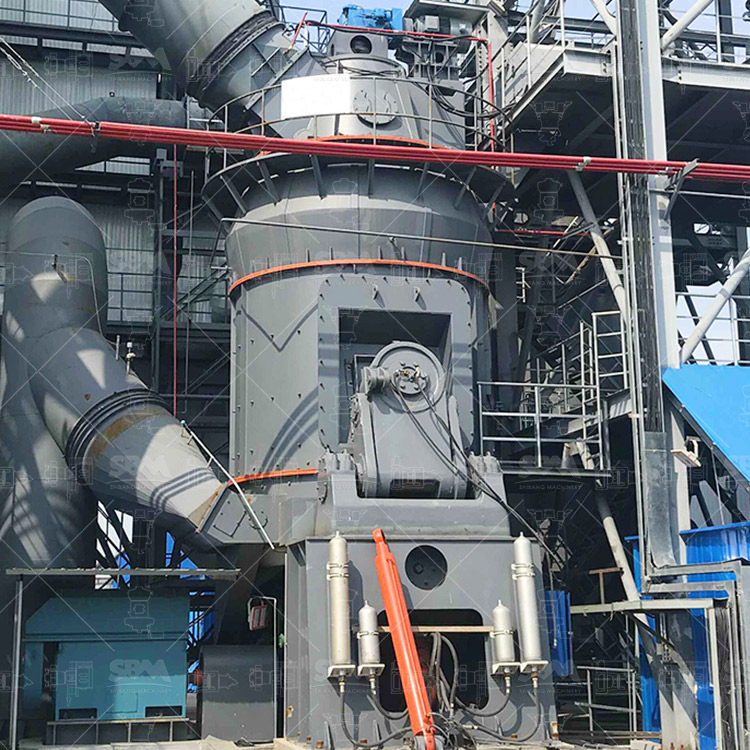
Recommended Solution 1: For High-Capacity, Standard Fineness (30-325 Mesh)
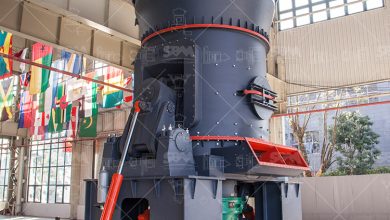
For projects aiming to produce powdered activated carbon at a high capacity for applications like water treatment additives or industrial filtration, the MTW Series European Trapezium Mill is a robust and efficient solution. This mill represents a significant evolution from the traditional Raymond Mill design.
Its advantages for GAC grinding are pronounced. The anti-wear shovel design and wear-resistant volute structure directly address the abrasiveness of carbon, reducing maintenance frequency and cost. The integral bevel gear drive offers high transmission efficiency (up to 98%) and reliability, crucial for continuous industrial operation. With a capacity range of 3-45 tons per hour and the ability to handle feed sizes up to 50mm, it is ideal for large-scale processing of granular activated carbon into a consistent, medium-fine powder.
Recommended Solution 2: For Ultrafine Powder Production (325-2500 Mesh)
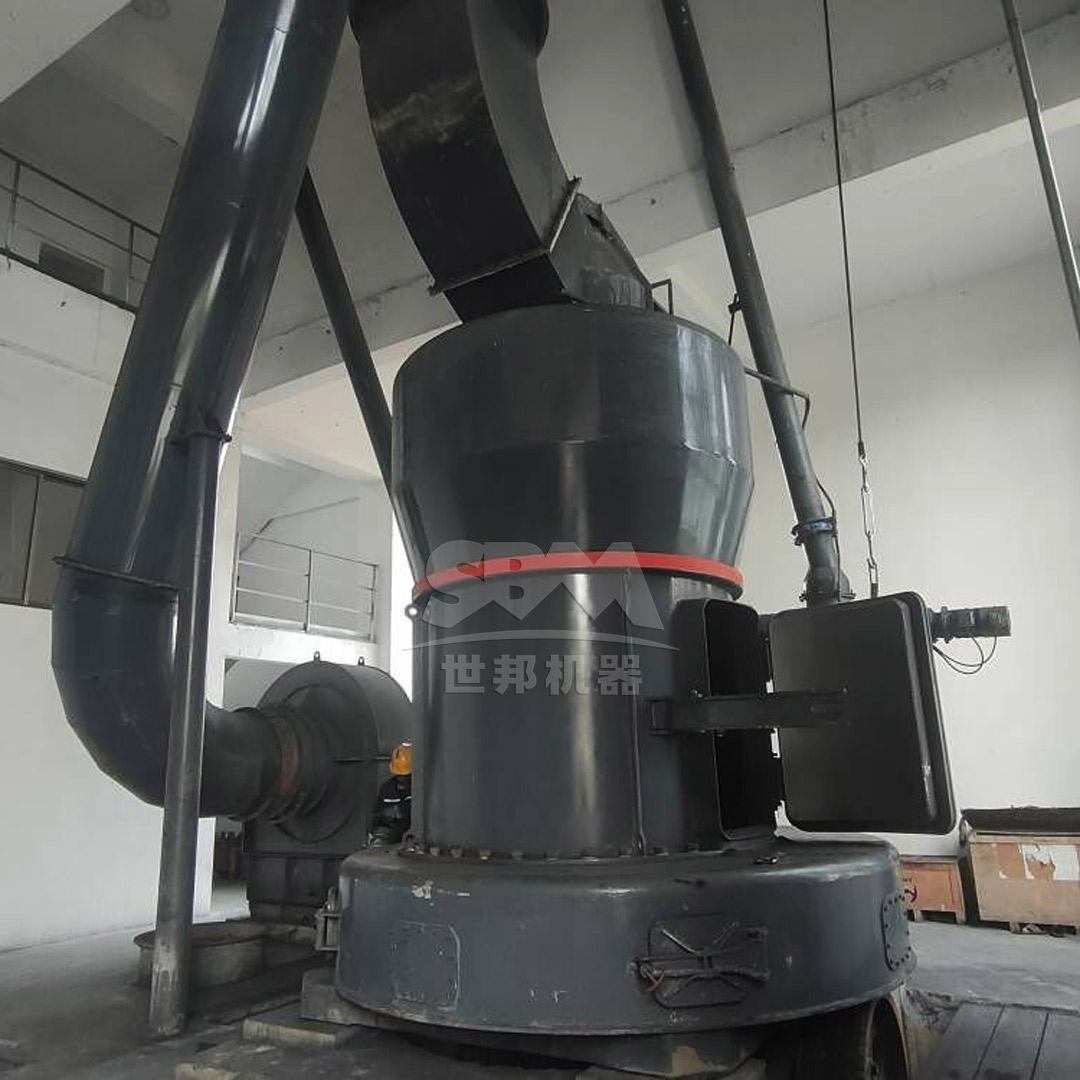
When the application demands ultrafine activated carbon powder to unlock maximum surface area—such as in high-performance catalyst supports, specialty chemical processes, or advanced composite materials—the SCM Series Ultrafine Mill is the definitive technology.
This mill is engineered to overcome the limitations of traditional jet mills and ball mills in the ultrafine range. Its high-precision vertical turbine classifier ensures a sharp particle size cut, producing a uniform product without coarse powder contamination. For abrasive GAC, its special material rollers and rings are critical, offering a service life several times longer than standard components, which dramatically lowers operating costs. Furthermore, its grinding efficiency is exceptional, offering twice the capacity of a jet mill while consuming 30% less energy. With fineness adjustable from 325 to 2500 mesh and capacities from 0.5 to 25 t/h, the SCM Series is the professional choice for producing high-value ultrafine activated carbon powders.
Optimizing the Grinding Operation
Successful grinding of GAC goes beyond selecting the right mill. System configuration and operation are key.
- Feeding System: Use a vibratory or screw feeder with variable speed control to ensure a steady, controllable feed rate into the mill. This prevents overloading and ensures stable grinding conditions.
- Grinding Parameter Adjustment: Adjust the classifier speed and grinding roller pressure to find the optimal setting for your target fineness and throughput. Modern mills with PLC controls simplify this process.
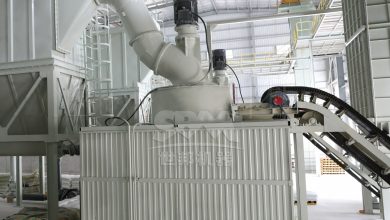
- Dust Collection & Product Conveying: A high-efficiency pulse jet baghouse dust collector (with efficiency >99.9%) is essential. The collected fine powder should be conveyed via sealed screw conveyors or pneumatic systems to storage silos to prevent dust emission and product loss.
- Wear Part Monitoring: Regularly inspect grinding rollers, rings, and shovel blades. Establish a preventive maintenance schedule based on operating hours to avoid unplanned downtime.
Conclusion
Grinding Granular Activated Carbon into a fine, consistent powder is a critical step for enhancing its performance in numerous industrial applications. While based on the proven principles of the Raymond Mill, modern milling solutions like the MTW Series European Trapezium Mill for standard fineness and the SCM Series Ultrafine Mill for high-end ultrafine requirements offer superior efficiency, durability, and control. By selecting the appropriate technology and optimizing the entire grinding system—from feeding to dust collection—producers can achieve high-quality powdered activated carbon with optimal operational economy and reliability, meeting the stringent demands of today’s market.